Space News Mission Log — Satellite Launches, Orbital Events & Analysis
Daily space news, satellite launch reports, orbital debris analysis and weekly roundups — grounded in live tracking data from our network monitoring 11 published reports.
How Long Do Satellites Last? A Comprehensive Guide
Satellites typically last between 5 to 15 years, depending on their mission and orbit. Factors like orbital decay and technological obsolescence play key roles.
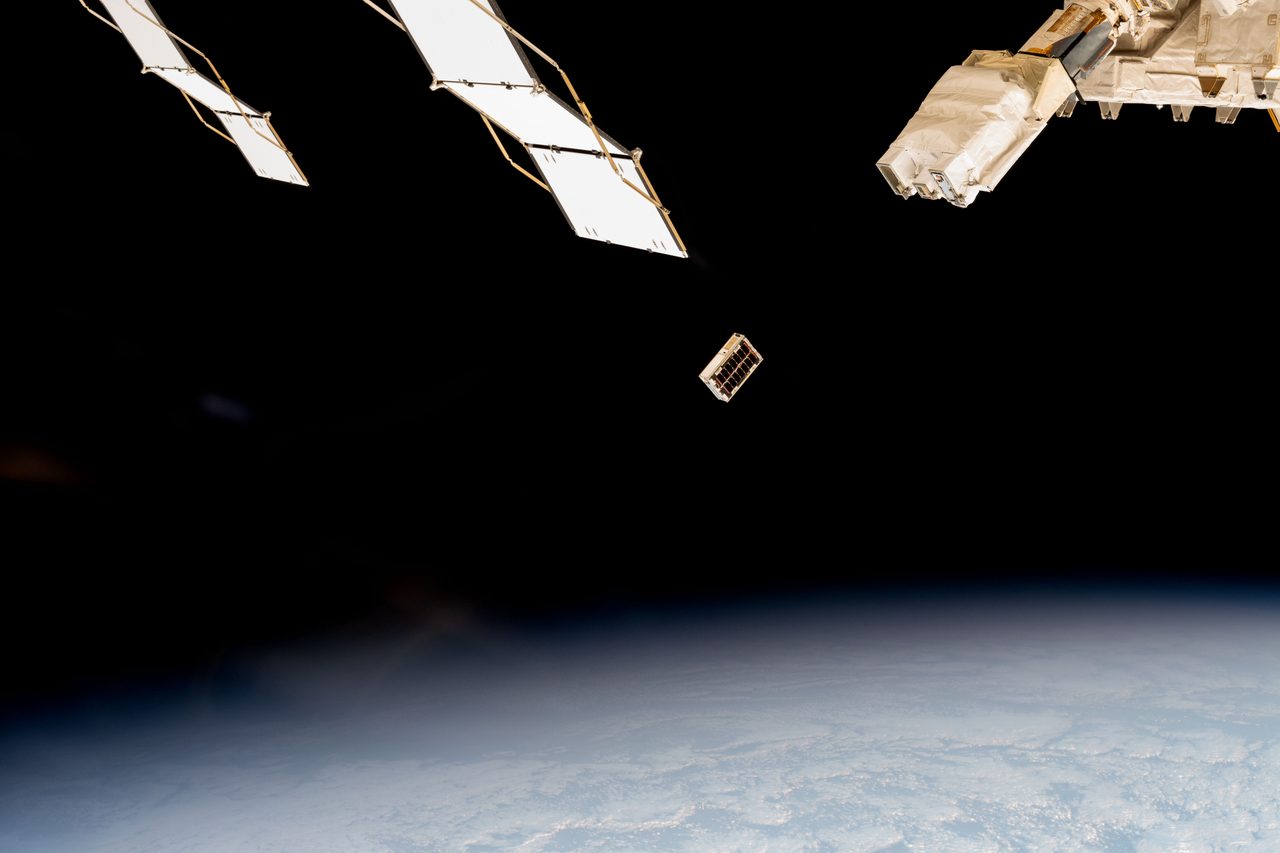
Understanding Orbital Decay: Why Satellites Fall to Earth
Orbital decay is the gradual reduction of a satellite's orbit due to atmospheric drag and gravitational forces, leading to eventual reentry.
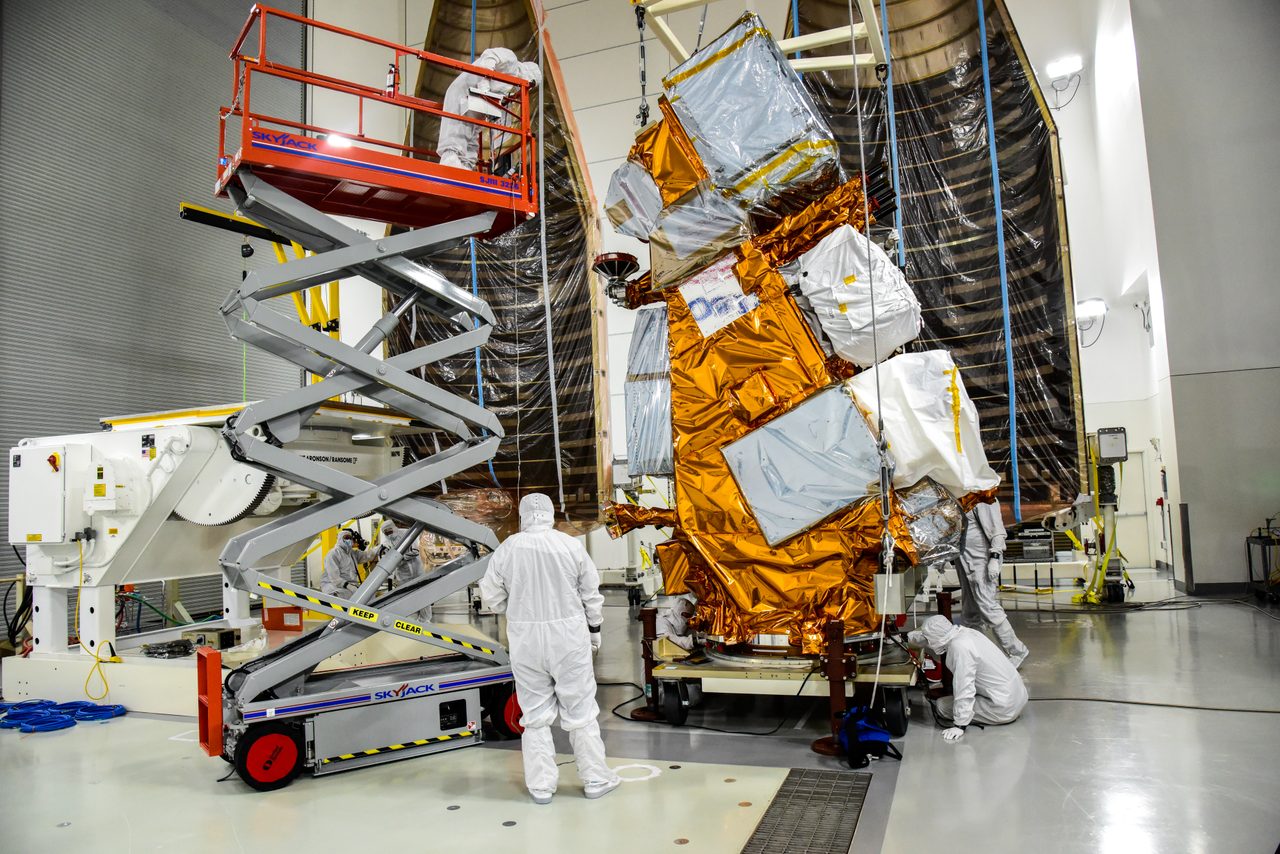
Understanding Atmospheric Drag on Satellites: A Detailed Guide
Atmospheric drag is a key factor affecting satellites in low Earth orbit, influencing their speed and altitude over time.

This Week in Orbit
NASA's MAVEN mission has provided new insights into Martian auroras, revealing complex interactions between the solar wind and Mars' atmosphere. Meanwhile, a rare Mars meteorite has offered a glimpse into the planet's deep interior, preserving evidence from 1.27 billion years ago.
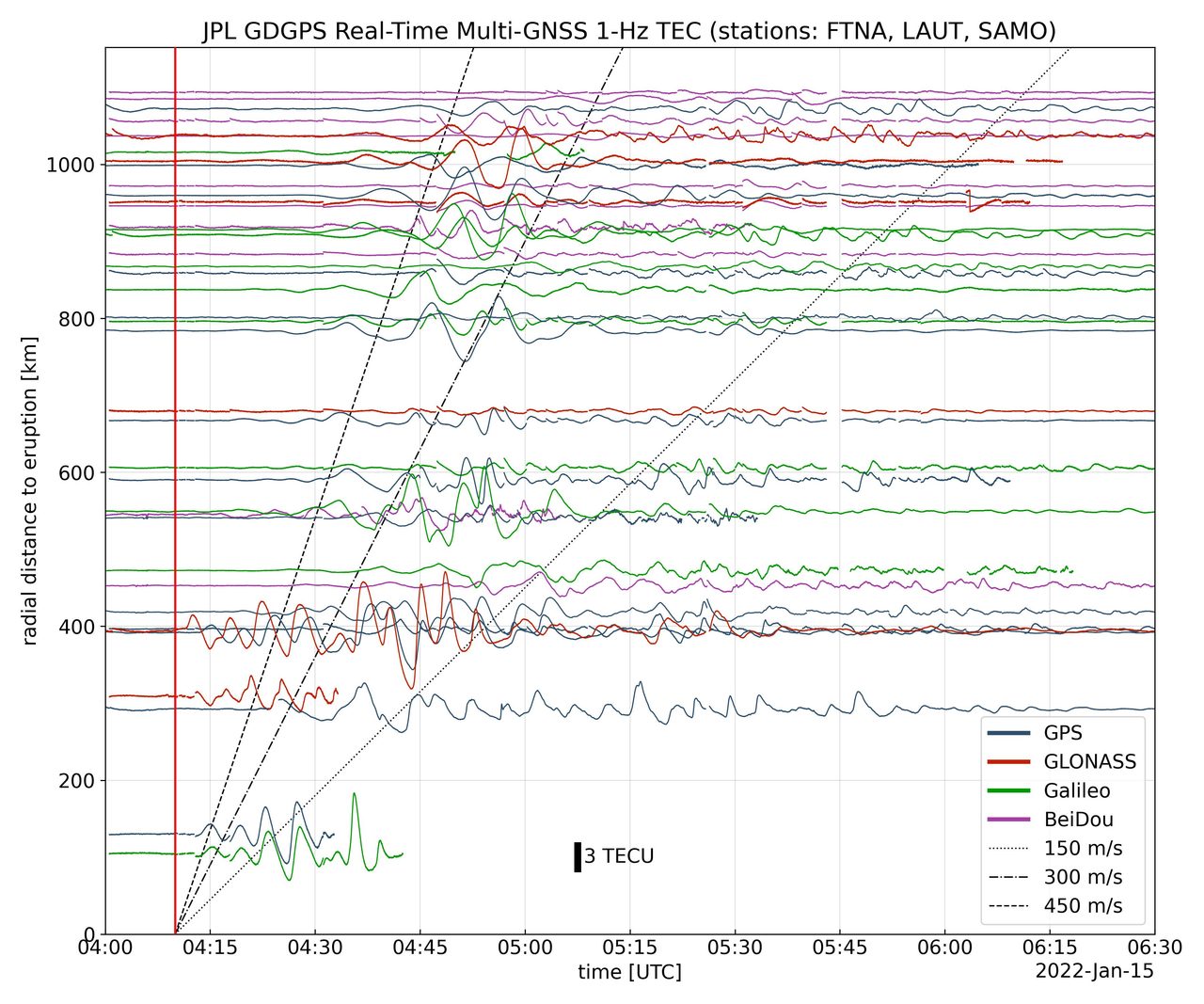
GLONASS-K: Russia's Next-Generation Navigation Satellites
GLONASS-K is the third generation of Russia's Global Navigation Satellite System (GNSS), designed to provide real-time positioning and timing data for military and civilian users worldwide. The system is a counterpart to the United States' GPS (Global Positioning System) and the European Union's Gal
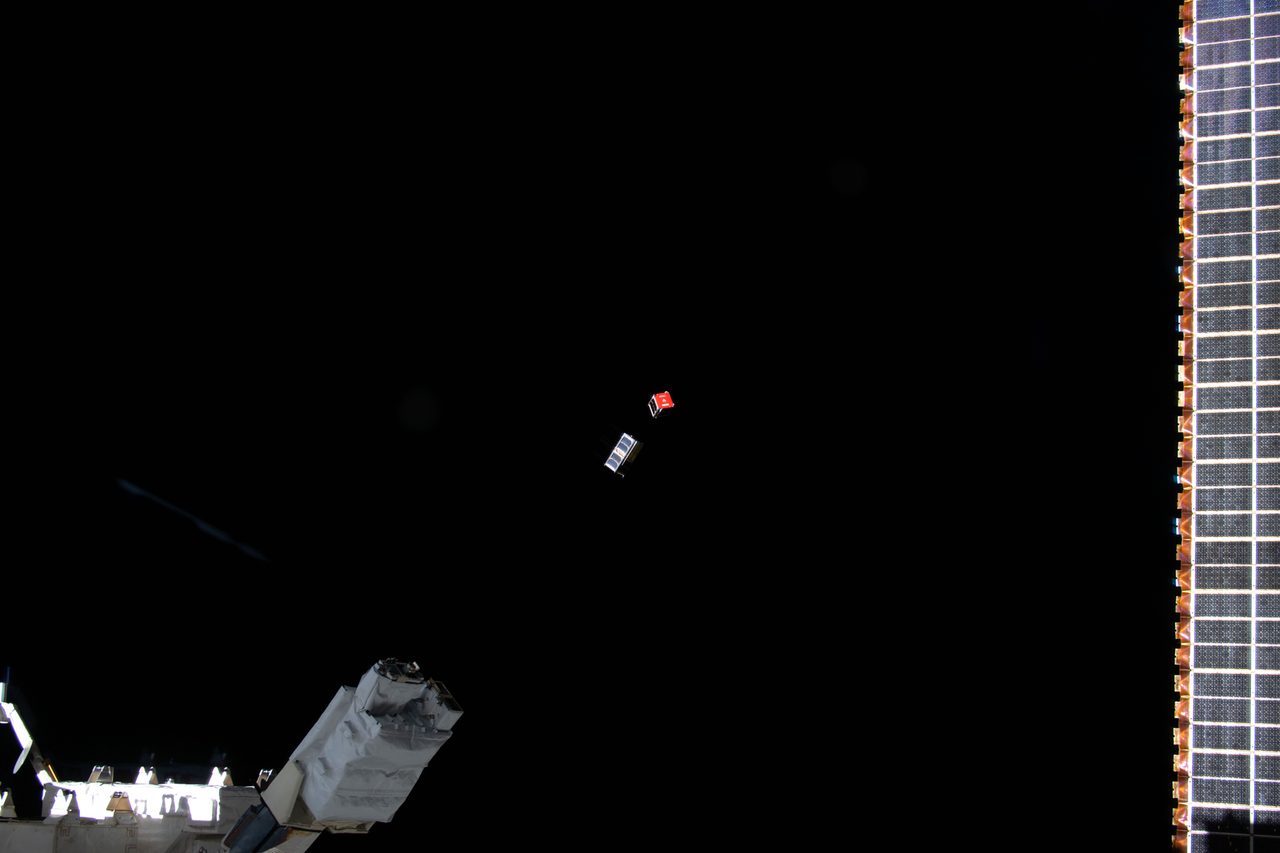
CubeSats: Understanding the Small Satellite Revolution
CubeSats are miniature satellites used for space research. They are cost-effective, versatile, and have revolutionised space exploration.
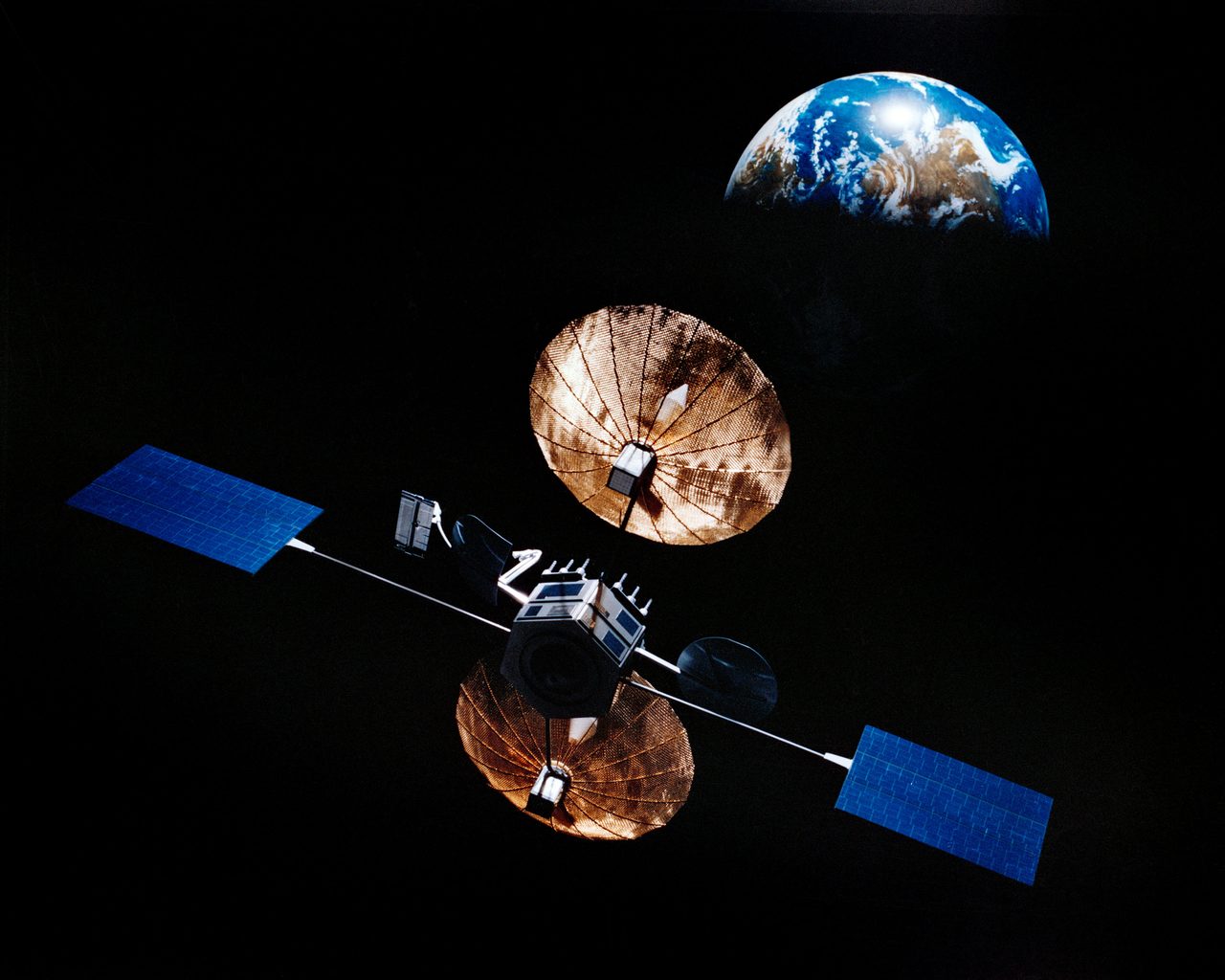
Understanding GLONASS-K: Russia's Navigation Satellite
GLONASS-K is a series of Russian navigation satellites forming part of the GLONASS (Global Navigation Satellite System) constellation. Developed by the Russian Aerospace Defence Forces, these satellites are designed to provide accurate positioning and timing information globally.
GLONASS-K: Russia's Advanced Navigation Satellites
GLONASS-K is the latest generation of Russia's Global Navigation Satellite System (GNSS), designed to provide precise positioning and timing services globally. The GLONASS (Global Navigation Satellite System) programme is Russia's counterpart to the United States' GPS and the European Union's Galile
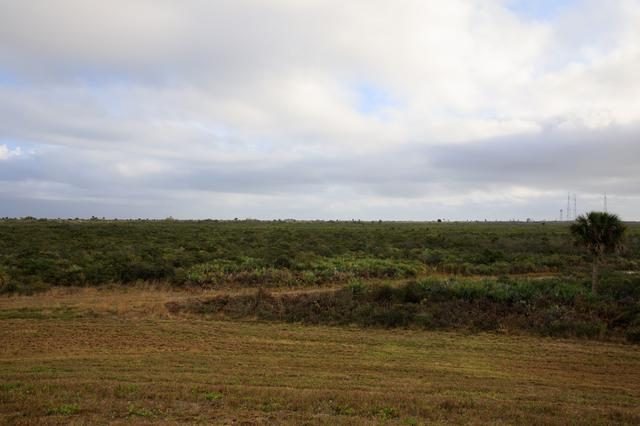
Starship Florida Launch Plans and Dark Matter Debate
Starship prepares for a Florida launch, a study challenges dark matter in the Bullet Cluster, and Swift receives a reboost.
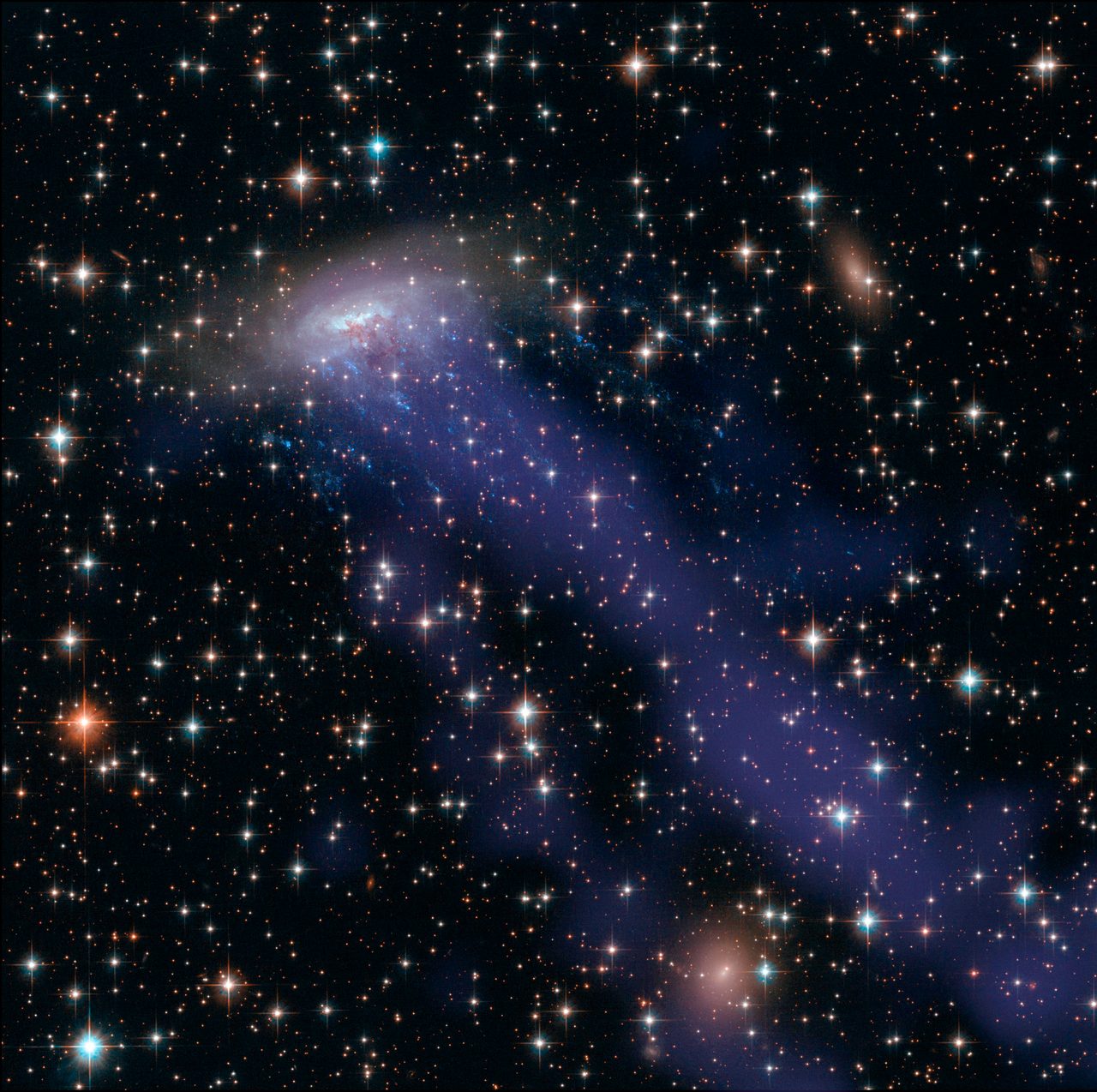
Chandra X-ray Observatory: Unveiling the High-Energy Universe
The Chandra X-ray Observatory, launched on 23 July 1999 aboard the Space Shuttle Columbia (STS-93), is a flagship mission of NASA dedicated to X-ray astronomy. Named after the Nobel laureate Subrahmanyan Chandrasekhar, Chandra is designed to observe X-rays from high-energy regions of the universe, s

Gaia: ESA's Billion-Star Surveyor at L2
Launched by the European Space Agency (ESA) on 19 December 2013, Gaia is a space observatory designed to map the positions and motions of over a billion stars in our galaxy with unprecedented precision. The mission aims to construct a detailed 3D map of the Milky Way, providing insights into its com