Urban Stargazing: The Milky Way Above Seoul
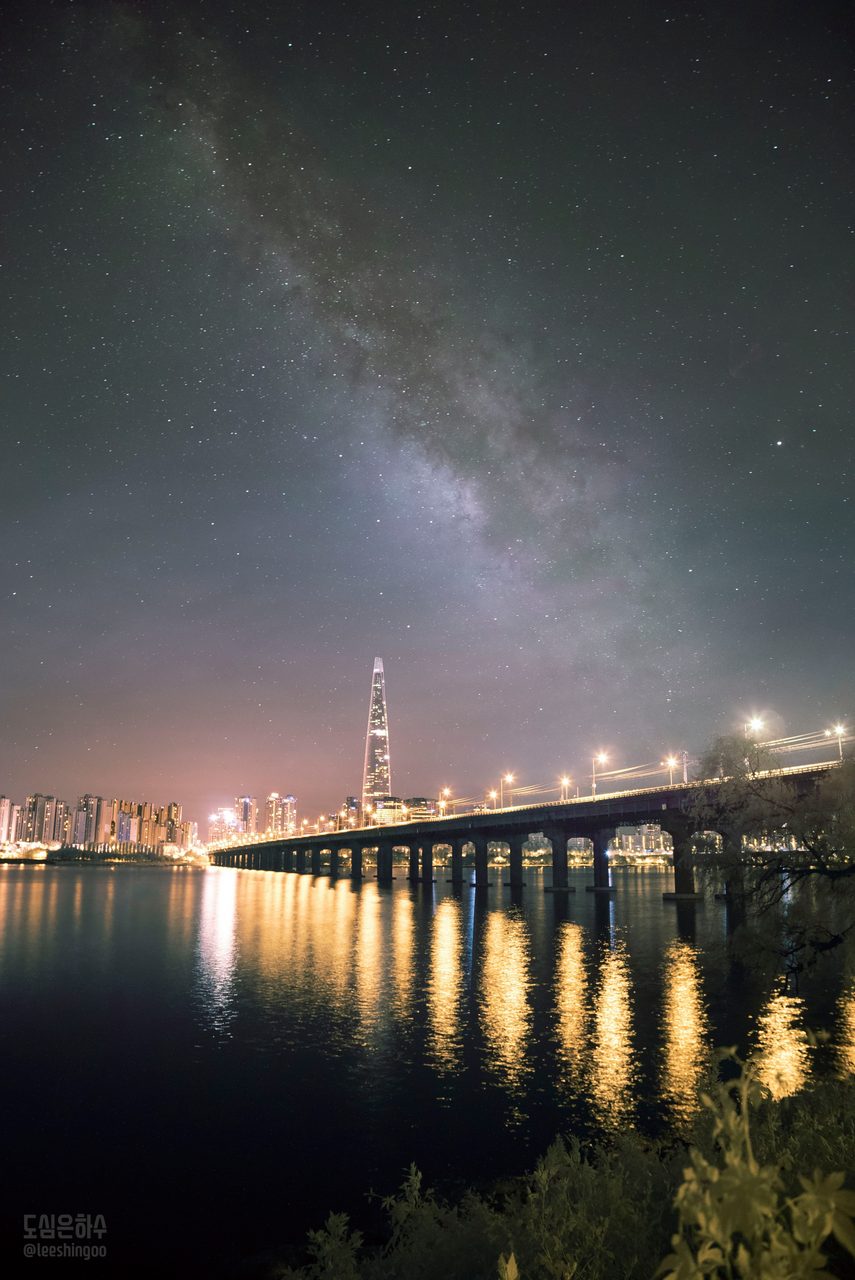
Discover the Milky Way's splendour over Seoul, captured with infrared techniques to pierce through city lights.
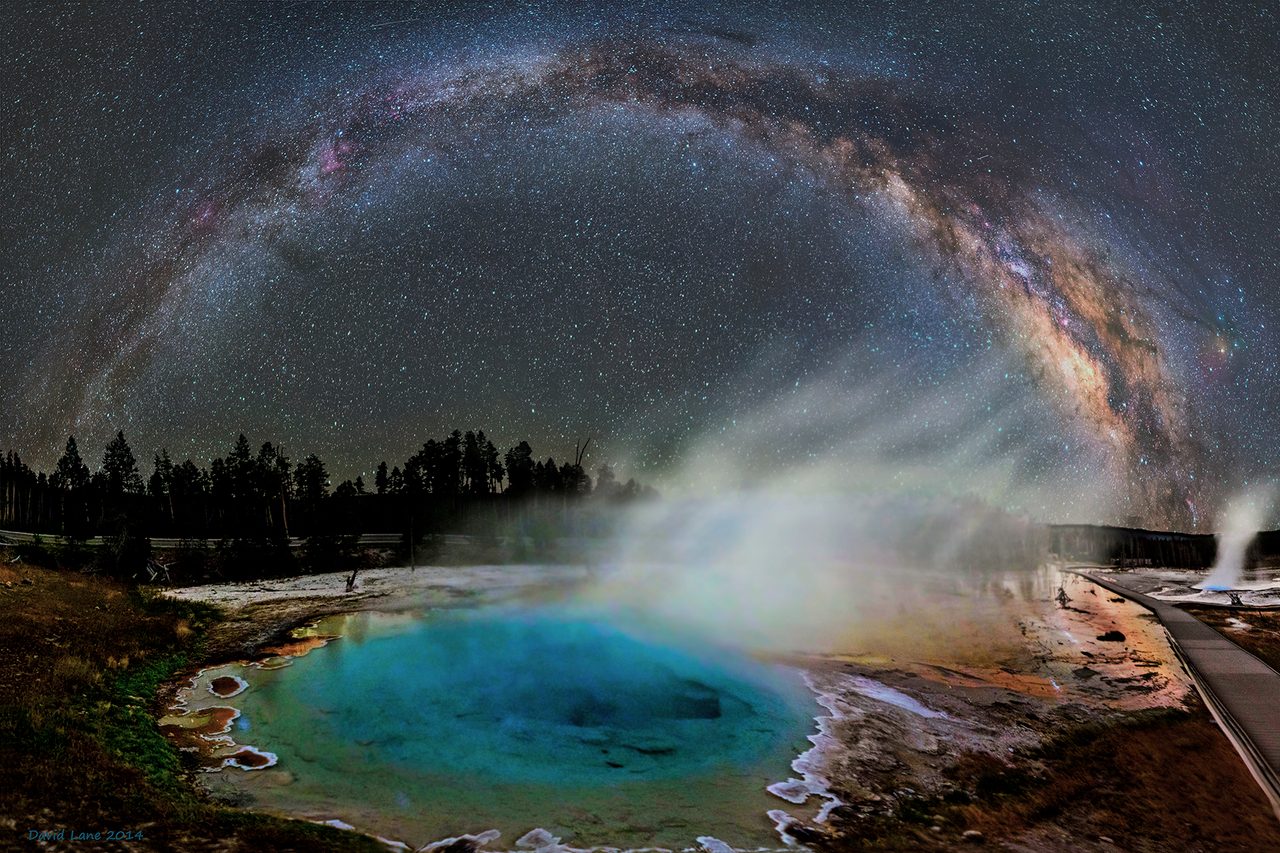
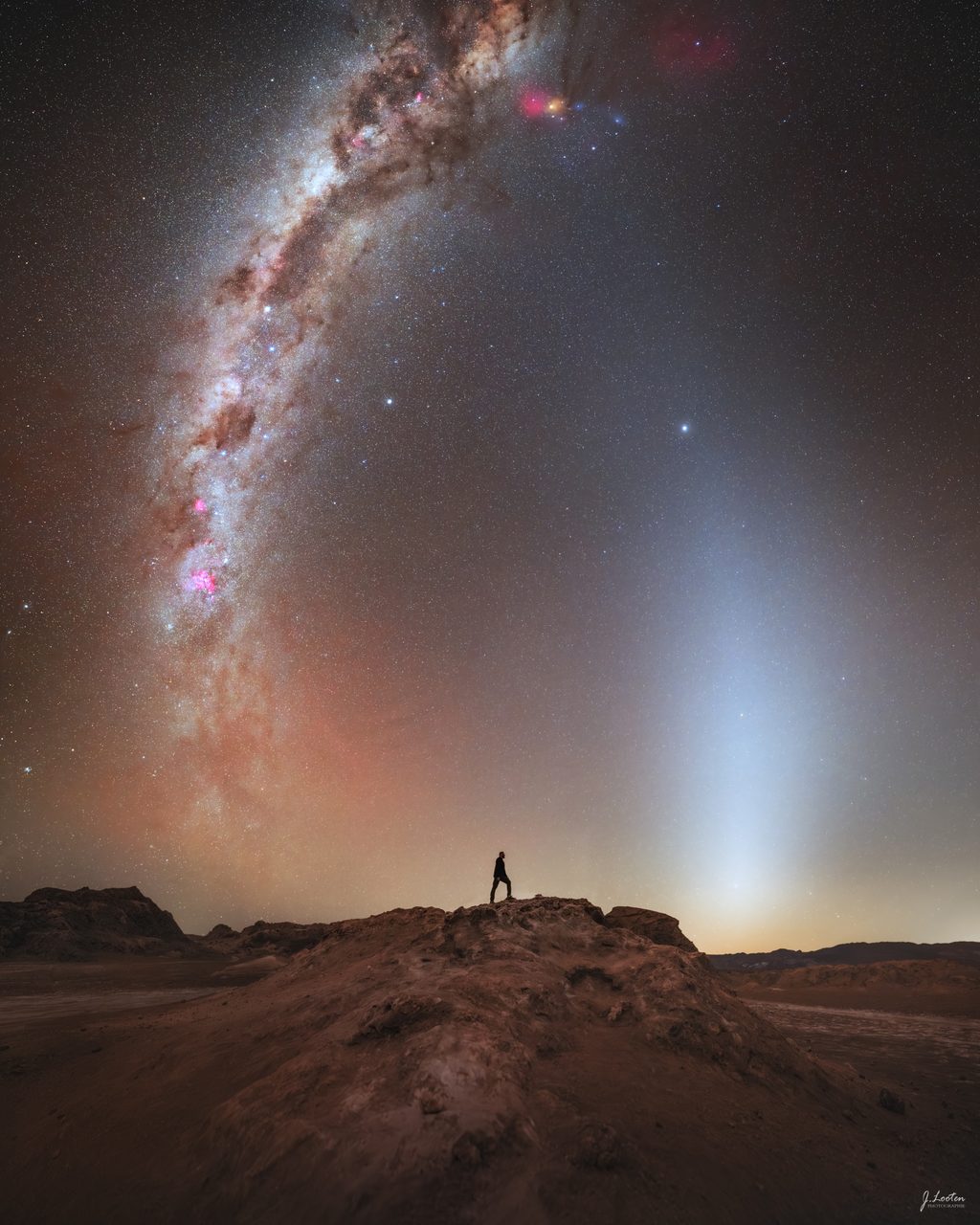
In a remarkable feat of astrophotography, the Milky Way is captured arching gracefully over the bustling cityscape of Seoul, South Korea. Despite the overwhelming light pollution typical of urban environments, this image reveals the galaxy's central region and the intricate dust clouds that obscure its starlit heart. The photographer employed an infrared filter to enhance visibility of these celestial features, allowing the faint cosmic light to shine through the city's glow. This technique, while primarily sensitive to infrared wavelengths, also allows some visible light to pass, maintaining a natural appearance.
The image was taken from Ttukseom Hangang Park, a popular spot along the Han River, with the Lotte World Tower standing prominently in the background. At 123 stories, it is the tallest building in South Korea, providing a striking contrast to the timeless expanse of the Milky Way above.
The Broader Context of Urban Astronomy
This photograph not only highlights the beauty of the Milky Way but also underscores the challenges faced by urban astronomers. Light pollution is a significant barrier to observing celestial phenomena, necessitating innovative solutions like infrared imaging. This technique is particularly useful in urban settings, where artificial lighting can obscure even the brightest stars.
For those interested in tracking satellites or observing other celestial events, tools like the Orbital Radar pass predictor can be invaluable. This tool allows enthusiasts to plan their observations around the best times to view passing satellites, which, unlike stars, can often be seen even in brightly lit areas.
Frequently Asked Questions
How can you see the Milky Way in a city?
What is light pollution?
📎 Cite this article
Orbital Radar Newsroom. (2026). Urban Stargazing: The Milky Way Above Seoul. Orbital Radar. https://orbitalradar.com/blog/cosmic-gallery-2026-06-26"Urban Stargazing: The Milky Way Above Seoul." Orbital Radar, 26 June 2026, https://orbitalradar.com/blog/cosmic-gallery-2026-06-26.@misc{orbitalradar_cosmic_gallery_2026_06_26,
title = {Urban Stargazing: The Milky Way Above Seoul},
author = {{Orbital Radar}},
year = {2026},
howpublished = {\url{https://orbitalradar.com/blog/cosmic-gallery-2026-06-26}}
}