Witnessing the Dance of Shadows: Spain's Total Solar Eclipse
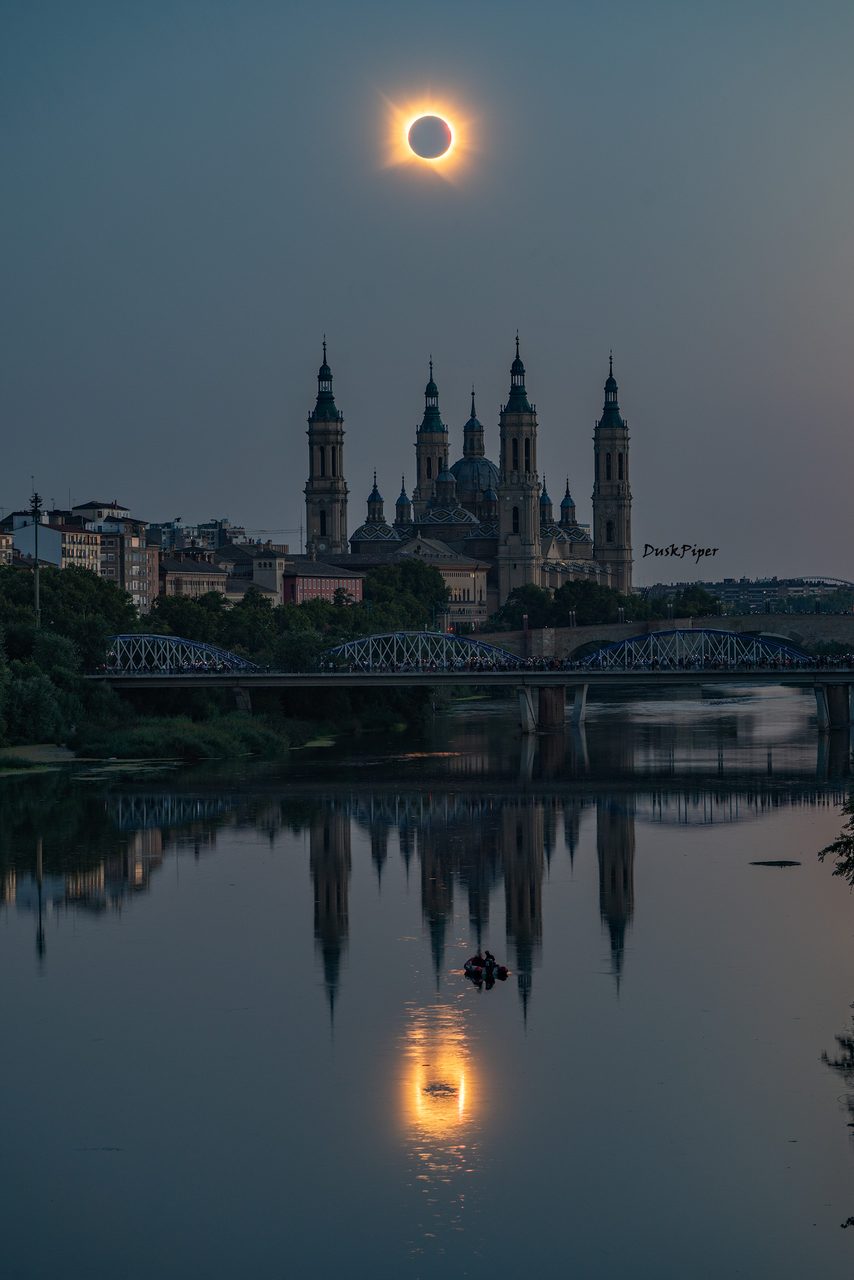
On August 12th, 2026, Spain experienced a rare total solar eclipse. Discover the science behind this celestial event and its impact on observers.
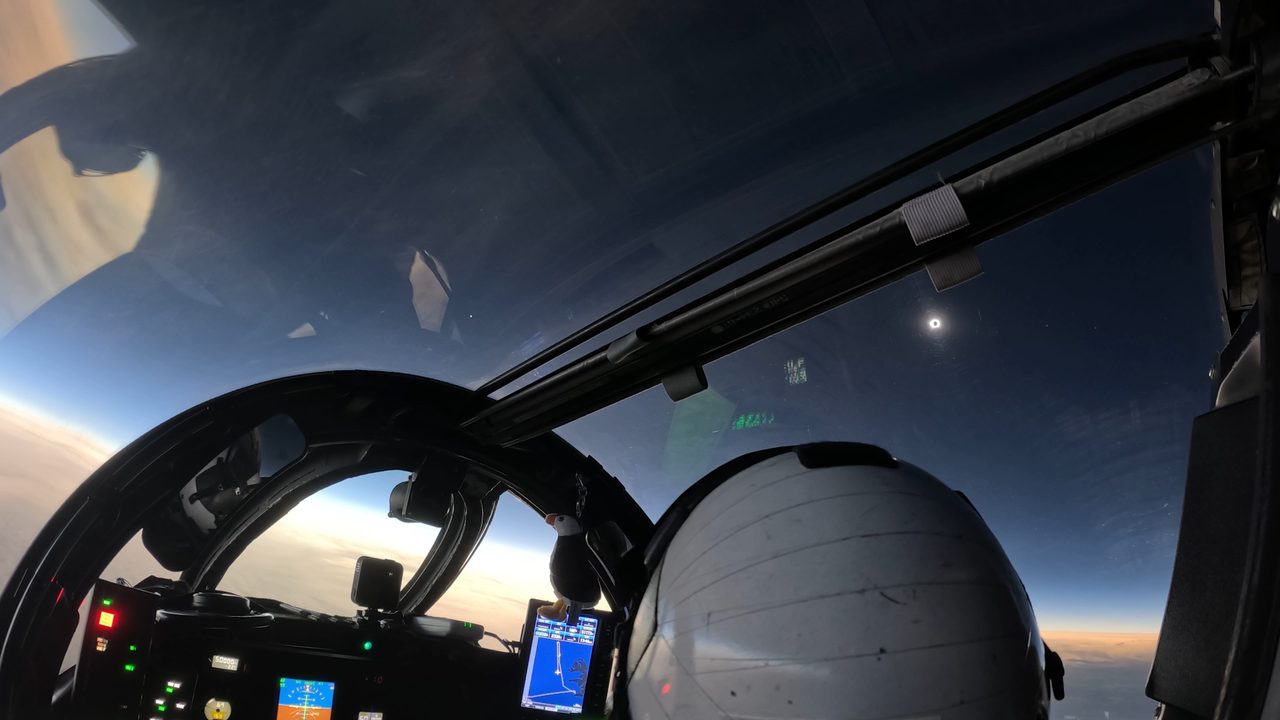
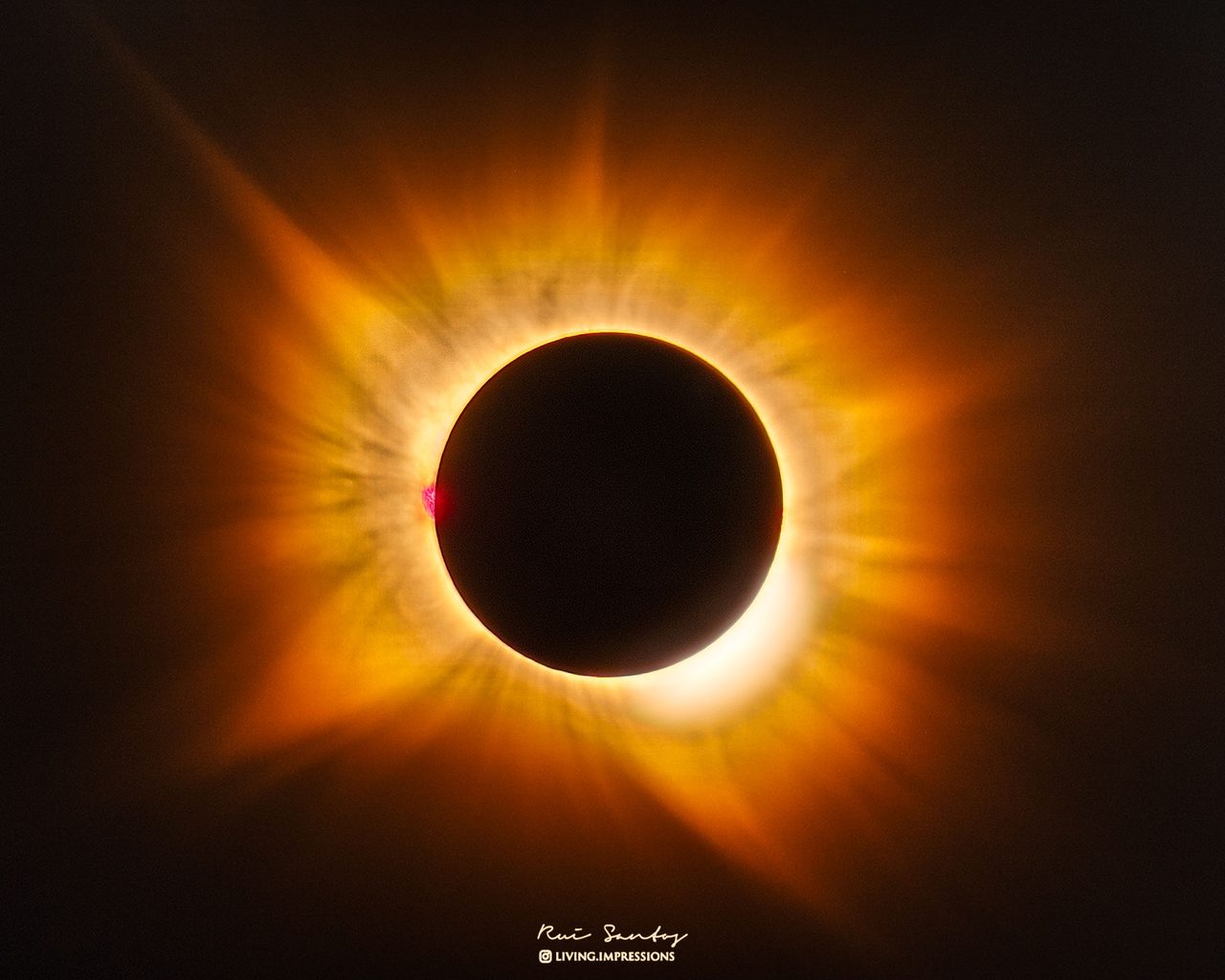
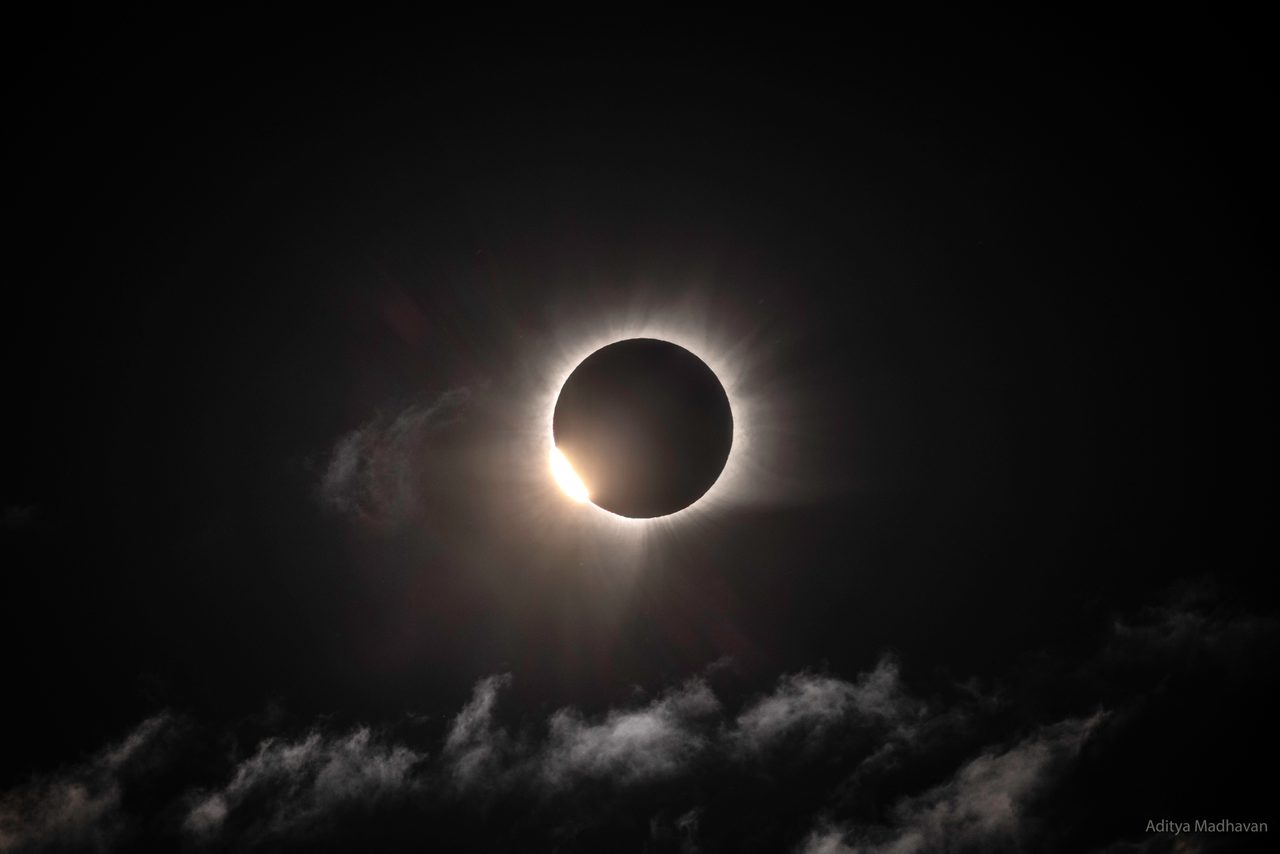
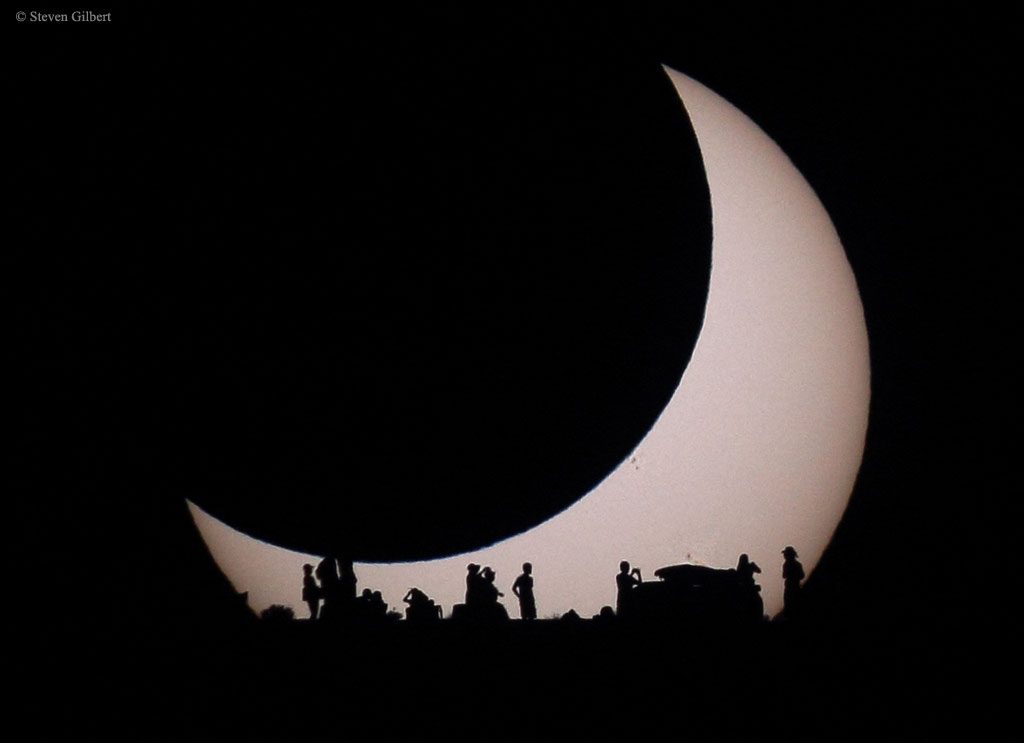
On August 12th, 2026, the celestial ballet of a total solar eclipse unfolded over Spain, casting a shadow that mesmerised millions. This image captures the eclipse over Zaragoza's iconic Cathedral-Basilica of Our Lady of the Pillar, with its reflection shimmering in the Ebro River. The eclipse path stretched from Siberia to Portugal, offering Spain its first major total eclipse since 1905. During totality, the Sun's corona, a halo of plasma, becomes visible, providing a rare opportunity to study this enigmatic layer of the Sun, which is paradoxically hotter than its surface.
Total solar eclipses are more than just visual spectacles; they are invaluable to science. The corona's temperature anomaly remains a mystery that scientists aim to unravel. Eclipses allow researchers to study solar wind and magnetic field interactions without the Sun's overwhelming glare. Citizen scientists can contribute valuable data by observing wildlife behaviour, capturing images of the corona, and recording meteorological changes during the event. These observations help expand our understanding of solar dynamics and their effects on Earth's environment.
For those interested in future eclipses, the Orbital Radar Pass Predictor can help plan observations. Knowing when and where to look is crucial for capturing these fleeting moments. As the skies darken and the temperature drops, the shared experience of an eclipse connects observers with the vast mechanics of the cosmos.
Frequently Asked Questions
What is a total solar eclipse?
Why is the Sun's corona hotter than its surface?
📎 Cite this article
Orbital Radar Newsroom. (2026). Witnessing the Dance of Shadows: Spain's Total Solar Eclipse. Orbital Radar. https://orbitalradar.com/blog/cosmic-gallery-2026-08-13"Witnessing the Dance of Shadows: Spain's Total Solar Eclipse." Orbital Radar, 14 August 2026, https://orbitalradar.com/blog/cosmic-gallery-2026-08-13.@misc{orbitalradar_cosmic_gallery_2026_08_13,
title = {Witnessing the Dance of Shadows: Spain's Total Solar Eclipse},
author = {{Orbital Radar}},
year = {2026},
howpublished = {\url{https://orbitalradar.com/blog/cosmic-gallery-2026-08-13}}
}