Roman Space Telescope: A New Eye on the Universe
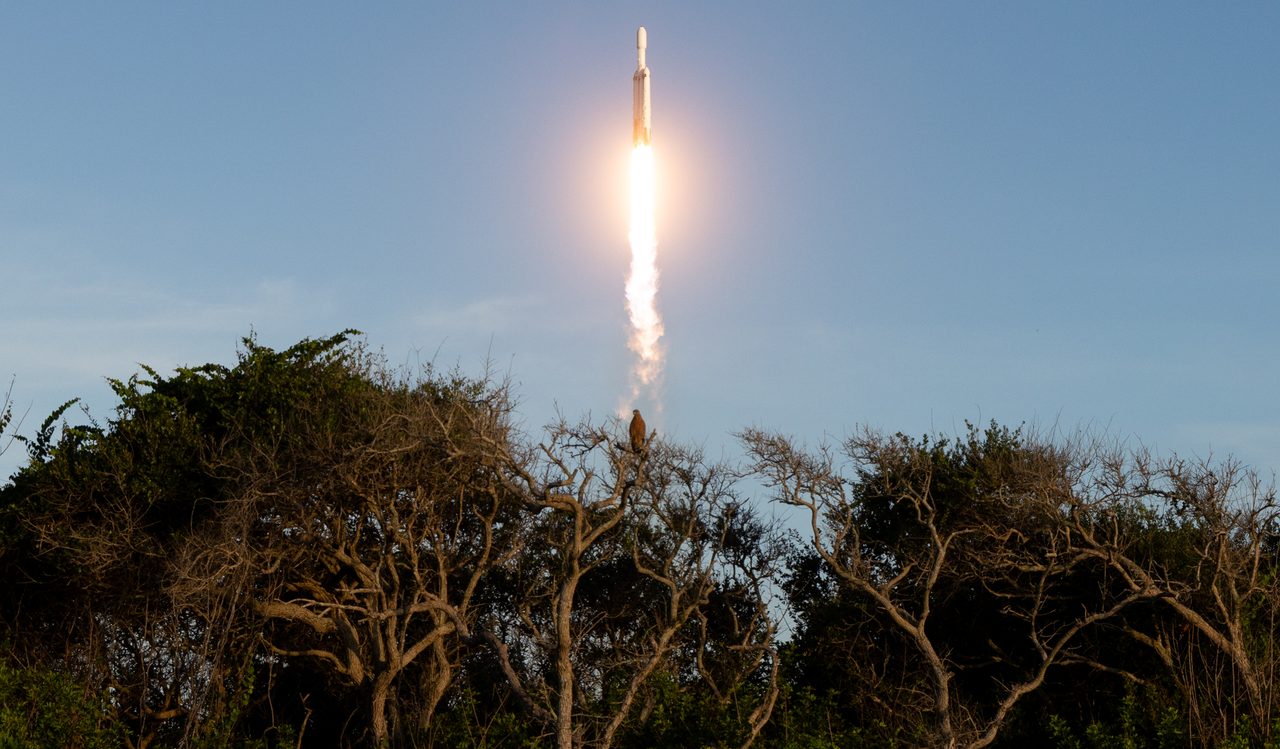
The Nancy Grace Roman Space Telescope, launched aboard a SpaceX Falcon Heavy, promises to enhance our understanding of the universe by observing supernovas and exoplanets.
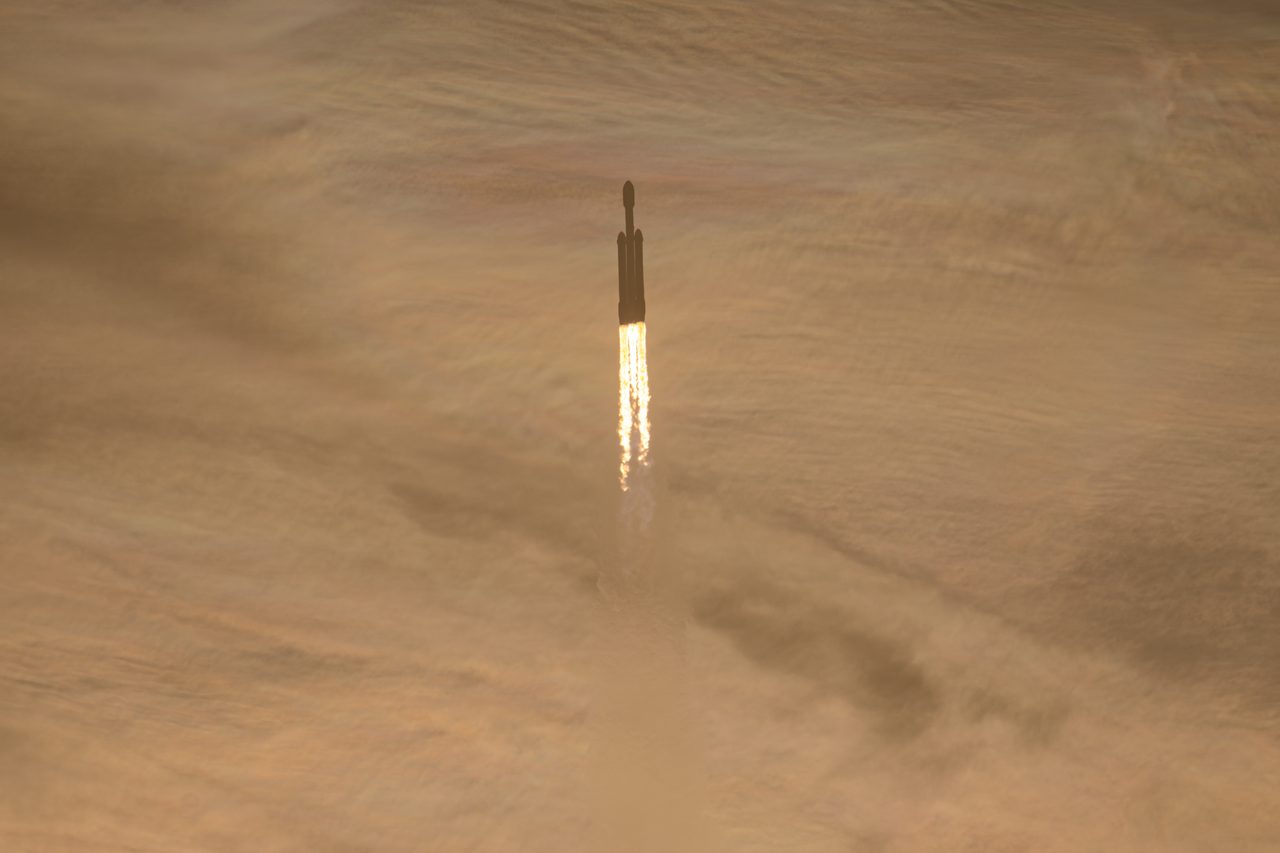
The Nancy Grace Roman Space Telescope (RST), launched aboard a SpaceX Falcon Heavy rocket from Kennedy Space Center, is poised to revolutionise our understanding of the universe. With a primary mirror matching the size of Hubble's but a field of view 100 times larger, RST will capture vast swathes of the sky in each image. This capability will enable the detection of numerous supernovas, shedding light on the universe's expansion and composition, and the discovery of new exoplanets, offering insights into potential life beyond Earth.
A New Era in Space Observation
Unlike the Hubble Space Telescope, which orbits Earth, the Roman Space Telescope will follow a solar orbit, akin to the James Webb Space Telescope. This positioning allows for uninterrupted observation, free from Earth's shadow. The launch of RST marks a significant milestone in space exploration, promising to complement existing observatories by providing a broader view of the cosmos. As it begins its mission, the telescope will contribute to our understanding of cosmic phenomena and the search for habitable worlds.
Tracking and Observing the Roman Space Telescope
As the Roman Space Telescope embarks on its journey, enthusiasts and researchers alike can follow its progress through various tools. For those interested in observing its path, the Orbital Radar pass predictor offers a way to track its movements. This tool provides real-time data on visible passes, ensuring that the telescope's journey remains accessible to all.
Frequently Asked Questions
What is the Roman Space Telescope designed to study?
How does the Roman Space Telescope differ from the Hubble Space Telescope?
📎 Cite this article
Orbital Radar Newsroom. (2026). Roman Space Telescope: A New Eye on the Universe. Orbital Radar. https://orbitalradar.com/blog/cosmic-gallery-2026-08-31"Roman Space Telescope: A New Eye on the Universe." Orbital Radar, 1 September 2026, https://orbitalradar.com/blog/cosmic-gallery-2026-08-31.@misc{orbitalradar_cosmic_gallery_2026_08_31,
title = {Roman Space Telescope: A New Eye on the Universe},
author = {{Orbital Radar}},
year = {2026},
howpublished = {\url{https://orbitalradar.com/blog/cosmic-gallery-2026-08-31}}
}