Geostationary Transfer Orbits: A Complete Explainer

A Geostationary Transfer Orbit (GTO) is an elliptical orbit used to transfer satellites to geostationary orbit, crucial for communications satellites.
| Active satellites | 15,723 |
| Starlink active | 9,888 |
| Catalogued objects | 31,455 |
| Active close approaches | 20 |
| People in space | 10 |
A Geostationary Transfer Orbit (GTO) is an elliptical orbit used to transfer a satellite from low Earth orbit (LEO) to geostationary orbit (GEO). This intermediate orbit is crucial for deploying communications satellites, which require a geostationary position to maintain a fixed point relative to the Earth's surface.
How Does a Geostationary Transfer Orbit Work?
A GTO is characterised by its elliptical shape, with an apogee (farthest point from Earth) at approximately 35,786 kilometres, the altitude of geostationary orbit, and a perigee (closest point) much lower, often around 200-2,000 kilometres. The satellite is launched into this orbit and then performs a series of manoeuvres, typically using onboard propulsion, to circularise the orbit at geostationary altitude. The process involves increasing the velocity at the perigee to raise the apogee to the desired geostationary altitude.
Why Are Geostationary Transfer Orbits Important?
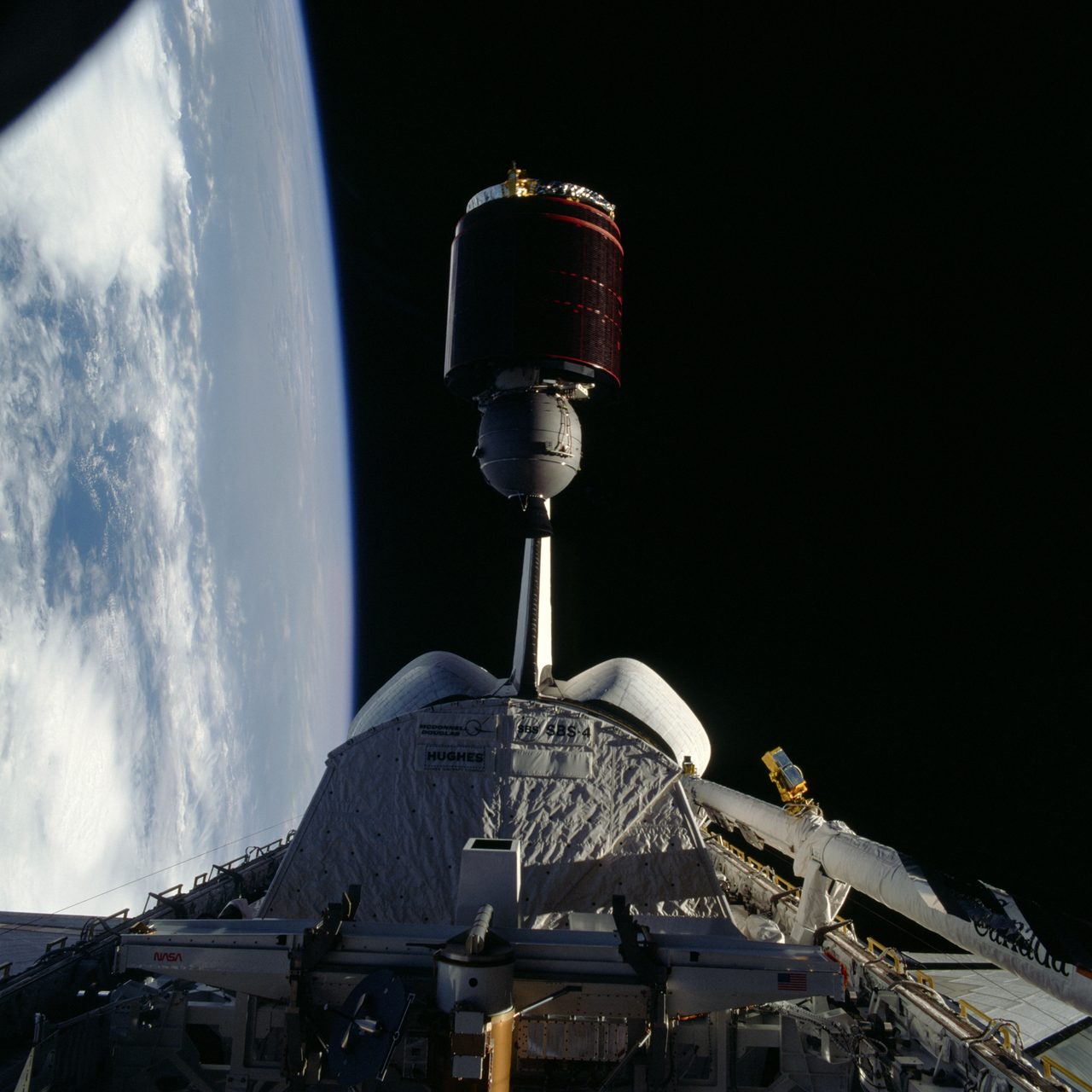
GTOs are essential because they provide an efficient path to geostationary orbit, which is vital for satellites that need to maintain a constant position relative to the Earth's surface. This is particularly important for communications, weather, and surveillance satellites. By using a GTO, launch vehicles can maximise payload capacity, as the satellite itself completes the final orbit raising, reducing the energy required from the launch vehicle.
GTO vs LEO: What's the Difference?
Low Earth Orbit (LEO) and Geostationary Transfer Orbit (GTO) serve different purposes. LEO is typically used for Earth observation, scientific missions, and some communication satellites, residing at altitudes between 160 and 2,000 kilometres. In contrast, GTO is a transitional orbit specifically designed to facilitate the transfer of satellites to geostationary orbit, which is located at 35,786 kilometres. The choice between LEO and GTO depends on the satellite's mission requirements.
Key Considerations in GTO Launches
Launching to GTO involves several considerations, including the choice of launch vehicle and the satellite's propulsion capabilities. Launch vehicles like the Ariane 5 and Falcon 9 are often used for GTO missions due to their capacity to deliver payloads to this orbit. The satellite must be equipped with sufficient propulsion to perform the orbit-raising manoeuvres. Additionally, the launch window must be carefully selected to ensure the satellite reaches the correct orbital slot.
Key Takeaways
Geostationary Transfer Orbits are a critical component of modern satellite deployment, enabling efficient transfers to geostationary orbit. They maximise the payload capacity of launch vehicles and are essential for the operation of communications and weather satellites. Understanding GTOs is crucial for anyone involved in satellite operations or space missions.
Frequently Asked Questions
What is the purpose of a Geostationary Transfer Orbit?
How high is a Geostationary Transfer Orbit?
Which launch vehicles are used for GTO missions?
How does a satellite transition from GTO to GEO?
What are the benefits of using a GTO?
📎 Cite this article · data available
Orbital Radar Newsroom. (2026). Geostationary Transfer Orbits: A Complete Explainer. Orbital Radar. https://orbitalradar.com/blog/gto-explainer"Geostationary Transfer Orbits: A Complete Explainer." Orbital Radar, 24 September 2026, https://orbitalradar.com/blog/gto-explainer.@misc{orbitalradar_gto_explainer,
title = {Geostationary Transfer Orbits: A Complete Explainer},
author = {{Orbital Radar}},
year = {2026},
howpublished = {\url{https://orbitalradar.com/blog/gto-explainer}}
}