Understanding Asteroid Close Approaches in 2023
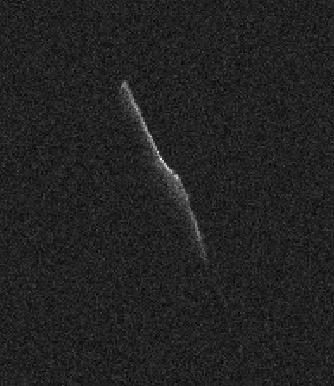
Asteroid close approaches occur when an asteroid passes near Earth, posing potential risks. Learn about tracking and significance.
| Active satellites | 15,752 |
| Starlink active | 10,047 |
| Catalogued objects | 31,453 |
| Predicted re-entries | 33 |
| Active close approaches | 11 |
| People in space | 14 |
Asteroid close approaches refer to instances when an asteroid passes near Earth, often within a few million kilometres. These events are significant due to the potential risk they pose to our planet. Understanding and tracking these objects is crucial for planetary defence and scientific research.
What Constitutes a Close Approach?
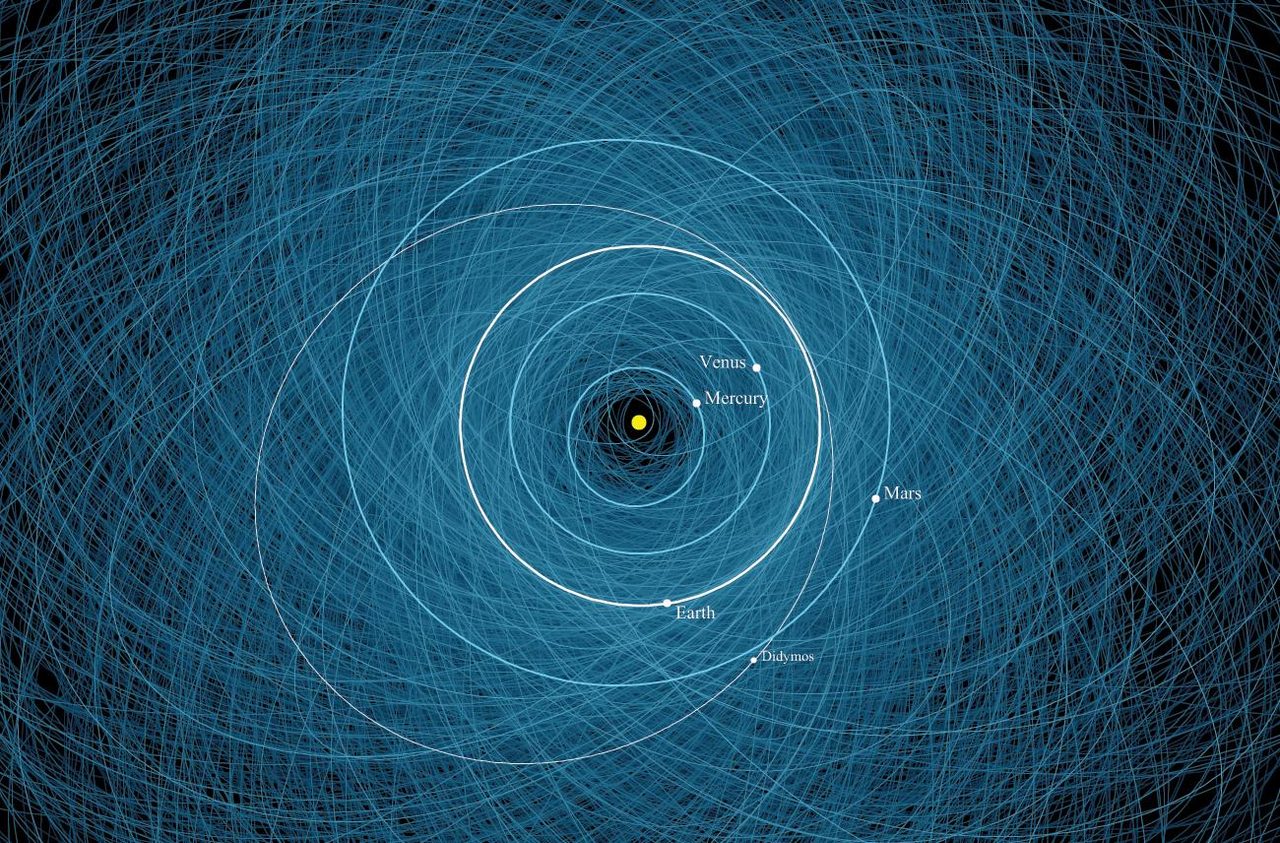
A close approach is typically defined by the proximity of an asteroid's path to Earth. The Minor Planet Center considers any object passing within 0.05 astronomical units (AU) or about 7.5 million kilometres as a close approach. These events are monitored closely to assess any potential impact threat.
How Are Asteroids Tracked?
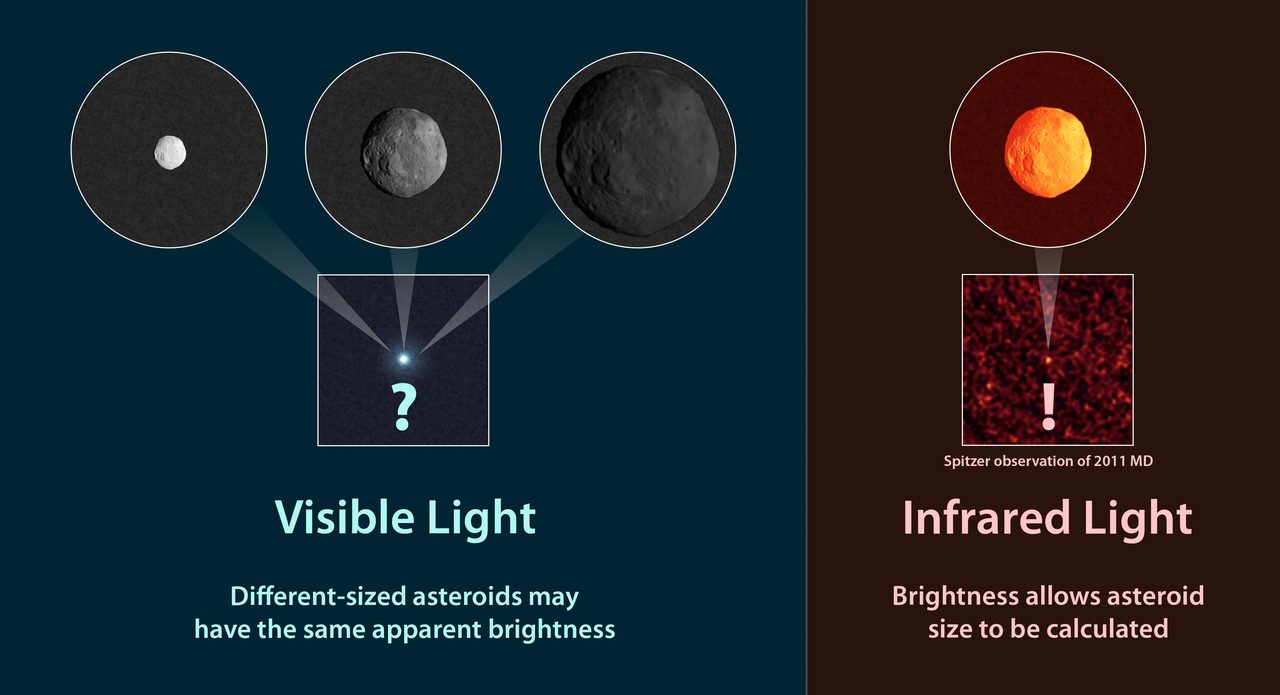
Asteroids are tracked using a combination of ground-based telescopes and radar observations. Organisations like NASA's Near-Earth Object Program and the European Space Agency's SSA Programme maintain databases of known objects. Orbital Radar's Near-Earth Objects page provides real-time tracking data, including orbital parameters and predicted close approaches.
Why Do Close Approaches Matter?

Close approaches are crucial for understanding the dynamics of asteroids and assessing potential threats. While most asteroids pass safely, some have the potential to cause significant damage if they were to impact Earth. Monitoring these events helps refine impact predictions and informs mitigation strategies.
Famous Close Approaches: Apophis
One of the most well-known asteroids is 99942 Apophis, which will make a notably close approach to Earth on 13 April 2029. Apophis will pass within 31,000 kilometres, closer than many geostationary satellites. This event is being closely monitored by scientists worldwide, with detailed information available on Orbital Radar's dedicated page.
How is Risk Assessed?
The risk posed by an asteroid is assessed using the Torino Scale, which categorises potential impacts based on their probability and potential damage. Most close approaches rank at the lower end of the scale, indicating no significant threat. Continuous observation and data analysis are essential for updating risk assessments.
Key Takeaways
Asteroid close approaches are a natural part of our solar system's dynamics. While they can pose risks, advancements in tracking and monitoring have significantly improved our ability to predict and respond to potential threats. For up-to-date information on active close approaches, visit Orbital Radar's Close Approaches page.
Frequently Asked Questions
What is considered a close approach for an asteroid?
How often do asteroids make close approaches to Earth?
What is the Torino Scale?
When will asteroid Apophis make its close approach?
How can I track asteroid close approaches?
📎 Cite this article · data available
Orbital Radar Newsroom. (2026). Understanding Asteroid Close Approaches in 2023. Orbital Radar. https://orbitalradar.com/blog/asteroid-close-approaches-explainer"Understanding Asteroid Close Approaches in 2023." Orbital Radar, 4 October 2026, https://orbitalradar.com/blog/asteroid-close-approaches-explainer.@misc{orbitalradar_asteroid_close_approaches_explainer,
title = {Understanding Asteroid Close Approaches in 2023},
author = {{Orbital Radar}},
year = {2026},
howpublished = {\url{https://orbitalradar.com/blog/asteroid-close-approaches-explainer}}
}