Space News Mission Log — Satellite Launches, Orbital Events & Analysis
Daily space news, satellite launch reports, orbital debris analysis and weekly roundups — grounded in live tracking data from our network monitoring 507 published reports.
Exploring Space: Insights from Orbital Radar Academy
Orbital Radar Academy offers comprehensive education on satellite tracking, orbital dynamics, and space debris management, equipping learners with essential space knowledge.
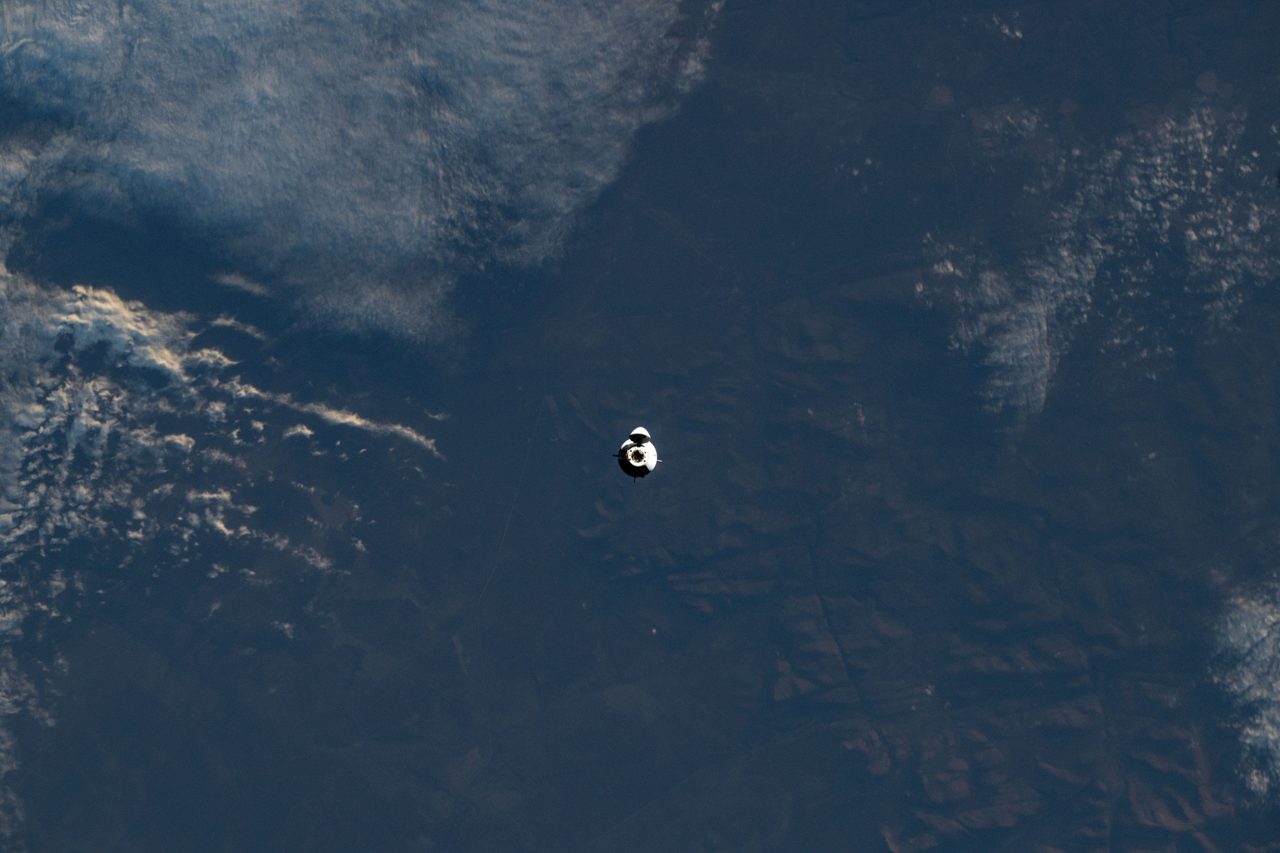
Artemis safety concerns: Orbital Briefing, 23 October 2026
NASA's safety panel raises concerns over Artemis IV and future access to low Earth orbit, while Dragon cargo reaches the ISS and satellite close approaches draw attention.
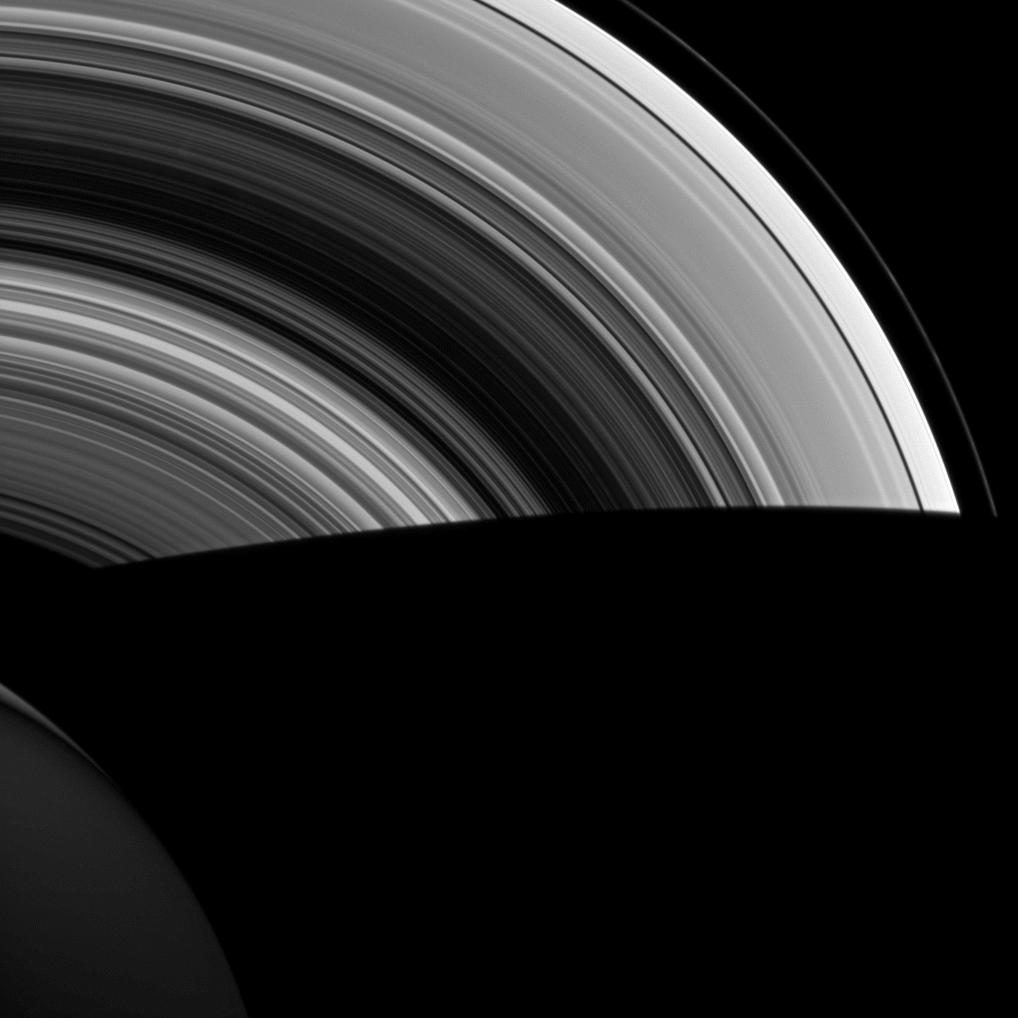
Space policy declaration: Orbital Briefing, 5 November
Donald Trump has issued an “American Declaration of Freedom in Space”. Meanwhile, orbital tracking highlights close approaches as Amazon Leo prepares for its next launch.
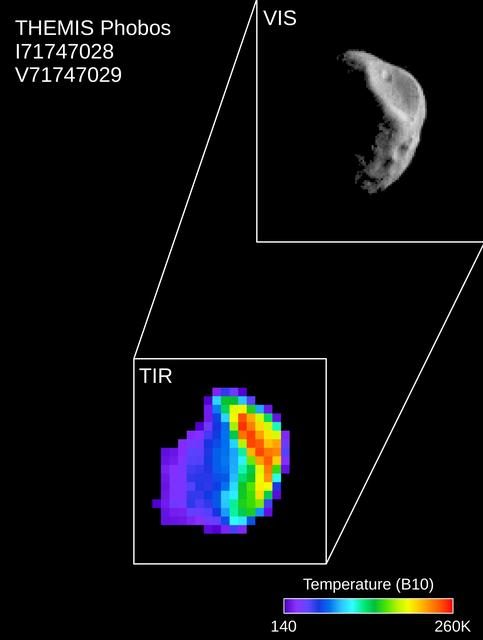
MMX launches towards Phobos: Orbital Briefing, 20 October
Japan's MMX mission is heading towards Mars to return samples of Phobos. Meanwhile, satellite close approaches and a busy launch schedule remain in focus.

Geostationary Transfer Orbits: A Complete Explainer
A Geostationary Transfer Orbit (GTO) is an elliptical orbit used to transfer satellites to geostationary orbit, crucial for communications satellites.
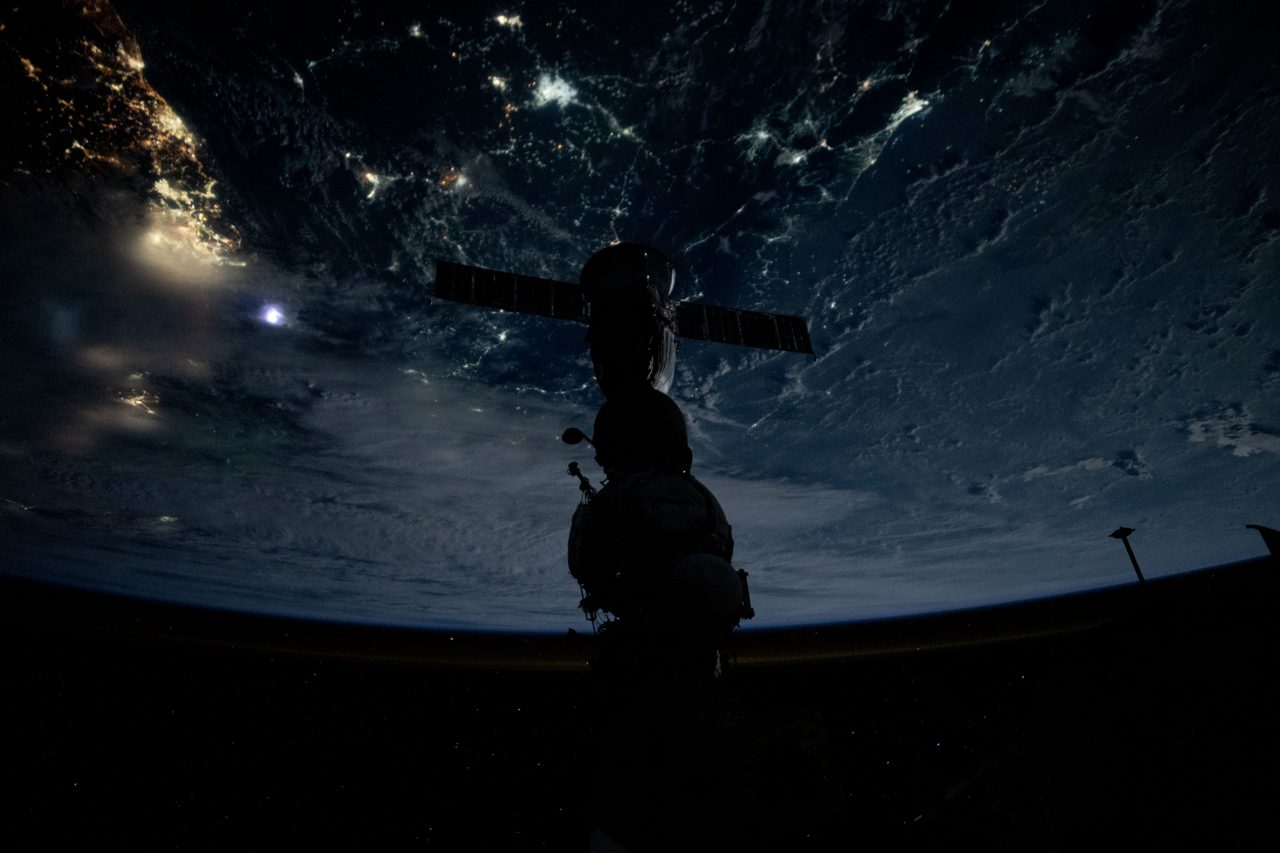
Types of Satellite Orbits: LEO, MEO, GEO and Beyond
Altitude is only part of an orbit’s story. Explore how height, tilt and shape determine what satellites can see, how they communicate and how long they remain in space.
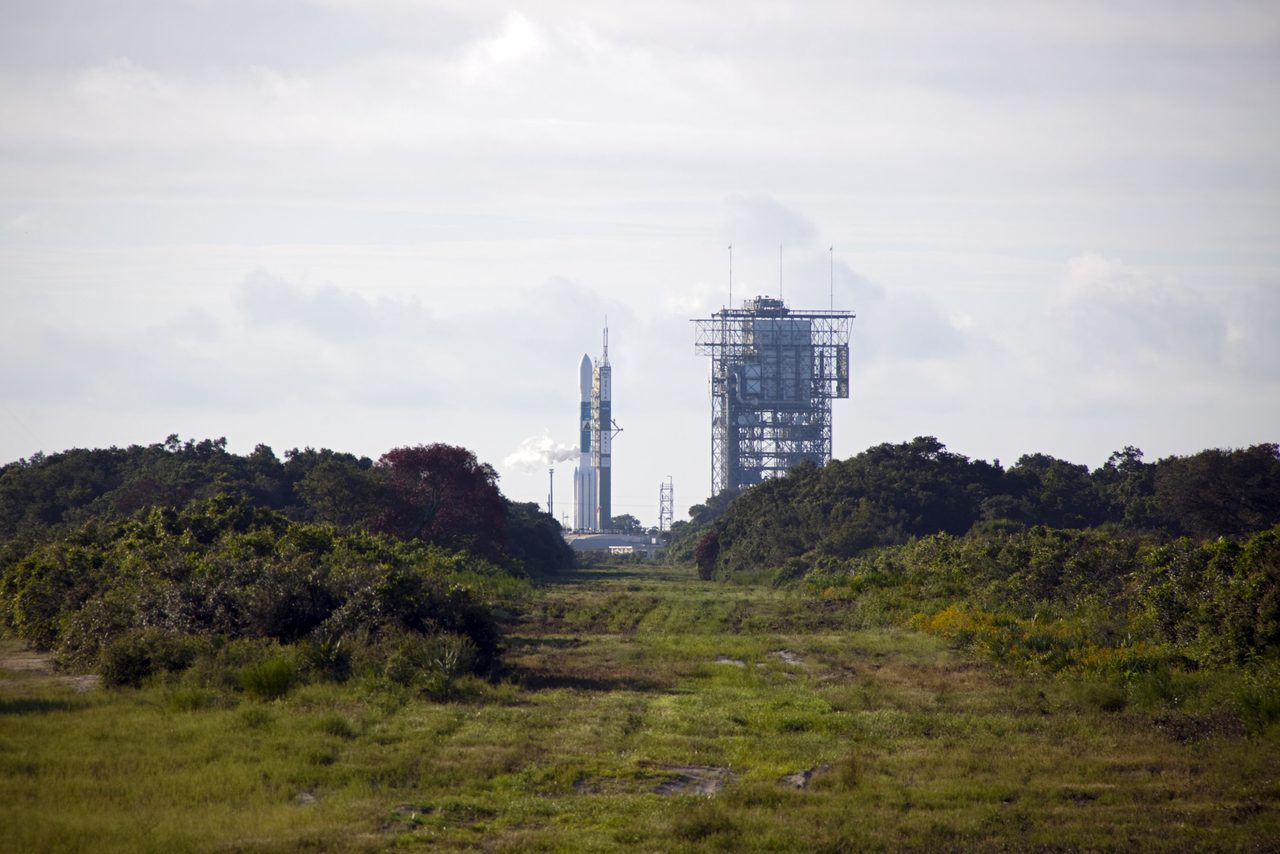
Lunar Gateway Orbit: Why NASA Chose a Halo Around the Moon
Gateway is designed for a looping orbit rather than a close circle around the Moon. Its route explains how lunar gravity, communications and landing access shape mission design.
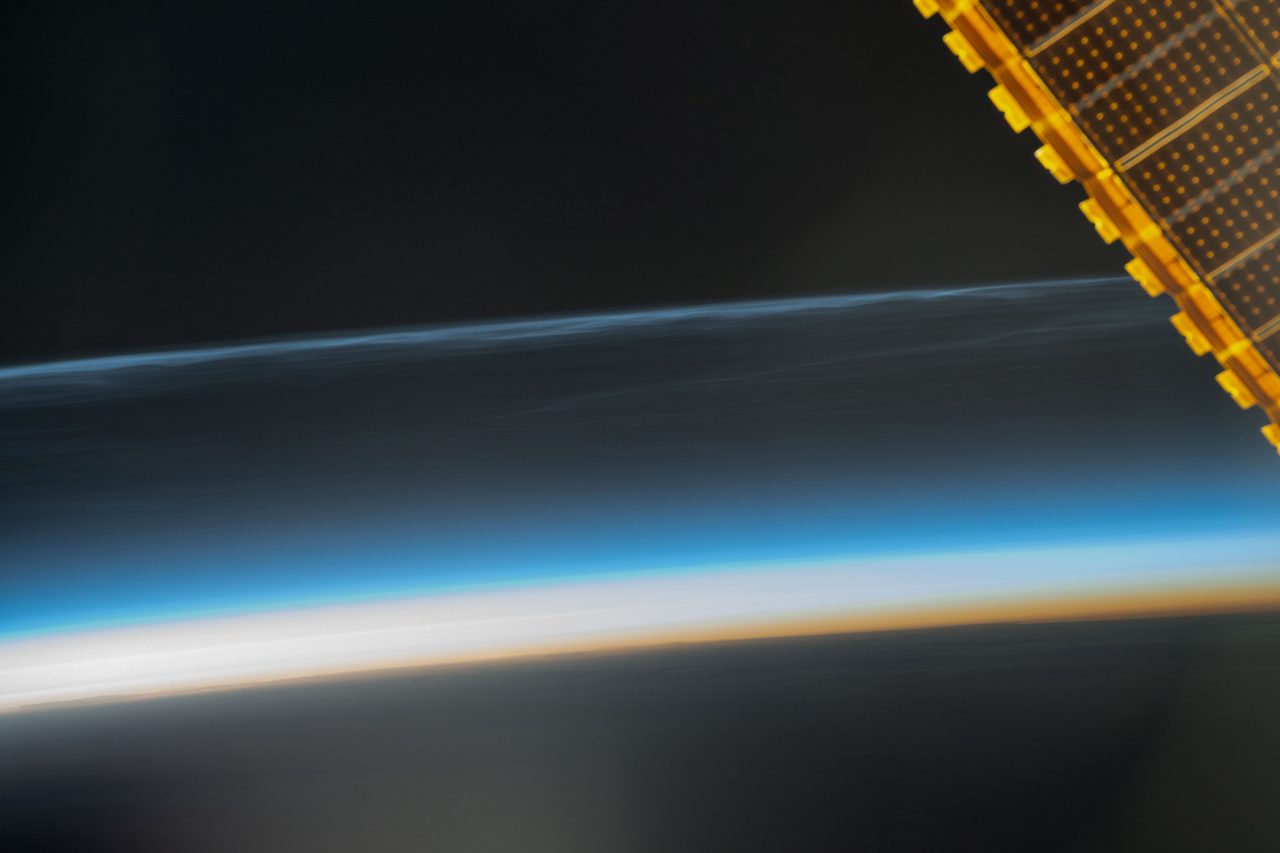
Low Earth Orbit: Why Space Is Busiest Below 2,000 km
Low Earth orbit hosts space stations, broadband constellations and Earth-observation missions. Explore how it works, why it is crowded and what keeps satellites flying safely.
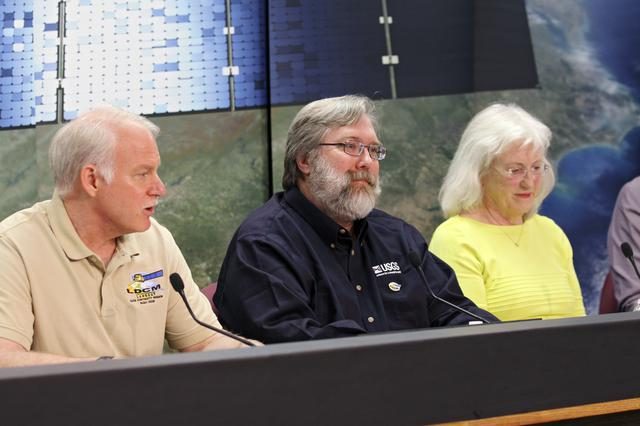
Sun-Synchronous Orbit: How Satellites Keep Consistent Light
Sun-synchronous satellites use Earth's equatorial bulge to keep a consistent solar schedule. Learn how the orbit works, why imaging missions use it and what it cannot guarantee.

Orbital Mechanics Explained: How Satellites Stay in Orbit
Orbital mechanics govern how satellites remain in orbit, balancing gravitational forces and velocity to maintain stable paths.

NVS-03 reaches orbit: Orbital Briefing, 31 October 2026
India’s NVS-03 navigation satellite has reached orbit, while SpaceX reports another Starlink deployment. Ahead: Rocket Lab’s next radar-imaging mission.

SatNet reaches orbit: Orbital Briefing, 25 October 2026
China's SatNet LEO Group 28 has reached orbit aboard Long March 8A. Elsewhere, satellite close approaches warrant attention while geomagnetic conditions remain quiet.