Understanding the Perseids: The Annual Meteor Shower Explained
The Perseids meteor shower occurs every August as Earth passes through debris from comet Swift-Tuttle, resulting in visible shooting stars.
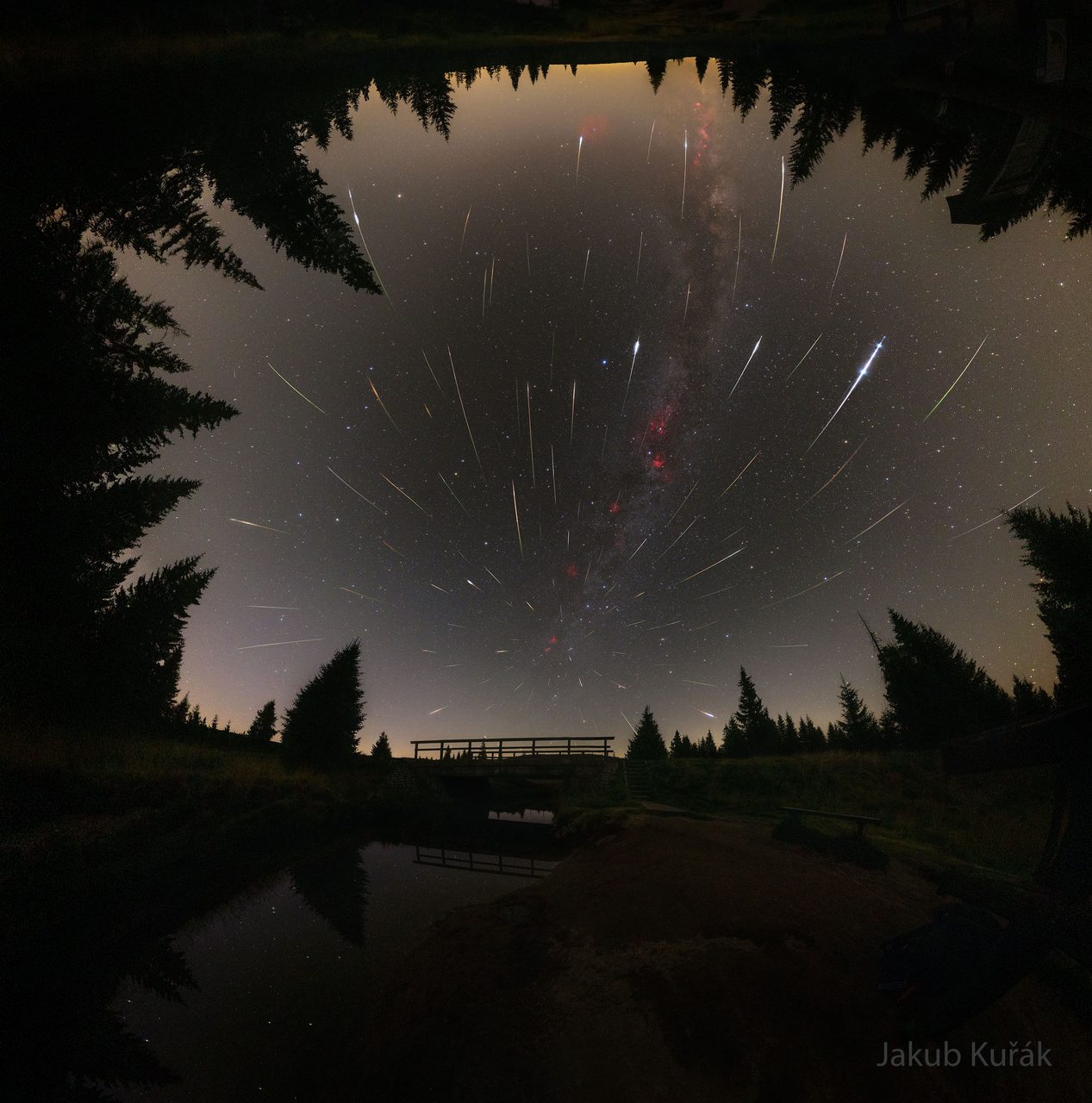
The Perseids meteor shower is an annual astronomical event that occurs every August when Earth passes through the debris trail left by comet Swift-Tuttle. This celestial phenomenon results in a spectacular display of shooting stars, visible from both the Northern and Southern Hemispheres.
Origins of the Perseids
The Perseids are named after the constellation Perseus, from which they appear to radiate. This meteor shower is associated with comet Swift-Tuttle, which orbits the Sun approximately every 133 years. As the comet travels through the solar system, it leaves behind a trail of dust and debris. When Earth intersects this trail, the particles enter our atmosphere and burn up, creating the bright streaks we observe as meteors.
Why August?
The timing of the Perseids is linked to Earth's orbit around the Sun. Every year, between mid-July and late August, our planet crosses the path of Swift-Tuttle's debris. The peak of the shower, when the most meteors are visible, typically occurs around August 11-13. During this period, viewers can expect to see up to 100 meteors per hour under ideal conditions.
Observing the Perseids
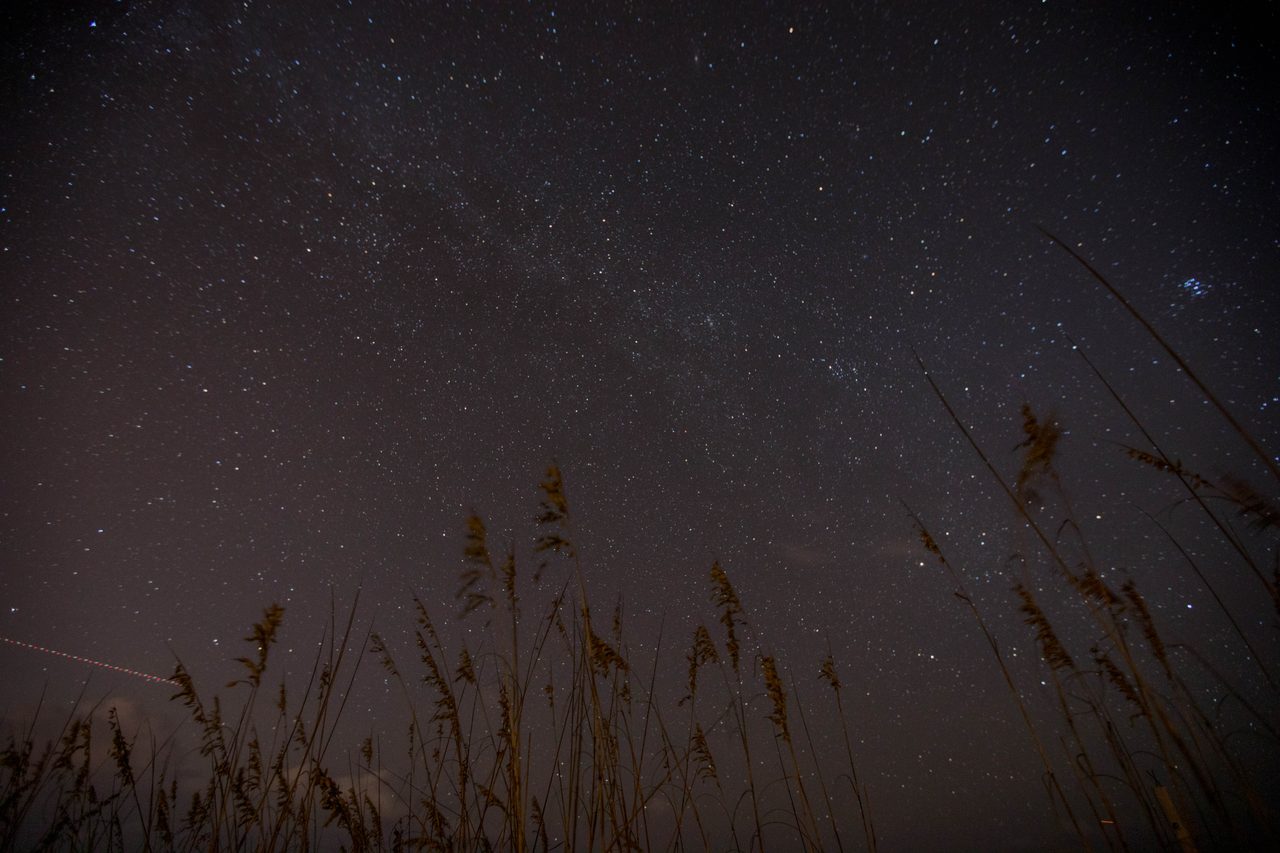
To best observe the Perseids, find a location away from city lights with a clear view of the night sky. The meteors are most visible after midnight, when the sky is darkest. No special equipment is needed, but allowing your eyes to adjust to the darkness will enhance the experience. For precise viewing times and locations, the Orbital Radar pass predictor can help plan your night.
The Science Behind Meteor Showers
Meteor showers like the Perseids occur when Earth encounters streams of cosmic debris. As these particles enter the atmosphere at high speeds, they heat up and vaporise, creating the bright streaks known as meteors. The size of the particles can vary, but most are no larger than a grain of sand. Despite their small size, their high velocity—up to 59 km/s for the Perseids—ensures a bright display.
Key Takeaways
The Perseids meteor shower is a predictable and accessible astronomical event, offering a chance to witness the interaction between Earth and cosmic debris. Its origins in comet Swift-Tuttle's debris trail highlight the dynamic nature of our solar system. For those interested in tracking other celestial events, the Orbital Radar launch schedule provides information on upcoming space missions.
Frequently Asked Questions
What causes the Perseids meteor shower?
When is the best time to see the Perseids?
Do I need a telescope to see the Perseids?
How fast do Perseid meteors travel?
What is comet Swift-Tuttle?
📎 Cite this article
Orbital Radar Newsroom. (2026). Understanding the Perseids: The Annual Meteor Shower Explained. Orbital Radar. https://orbitalradar.com/blog/perseids-annual-meteor-shower-explained"Understanding the Perseids: The Annual Meteor Shower Explained." Orbital Radar, 11 August 2026, https://orbitalradar.com/blog/perseids-annual-meteor-shower-explained.@misc{orbitalradar_perseids_annual_meteor_shower_explained,
title = {Understanding the Perseids: The Annual Meteor Shower Explained},
author = {{Orbital Radar}},
year = {2026},
howpublished = {\url{https://orbitalradar.com/blog/perseids-annual-meteor-shower-explained}}
}