How Often Do Satellites Maneuver? What Our Detector Sees
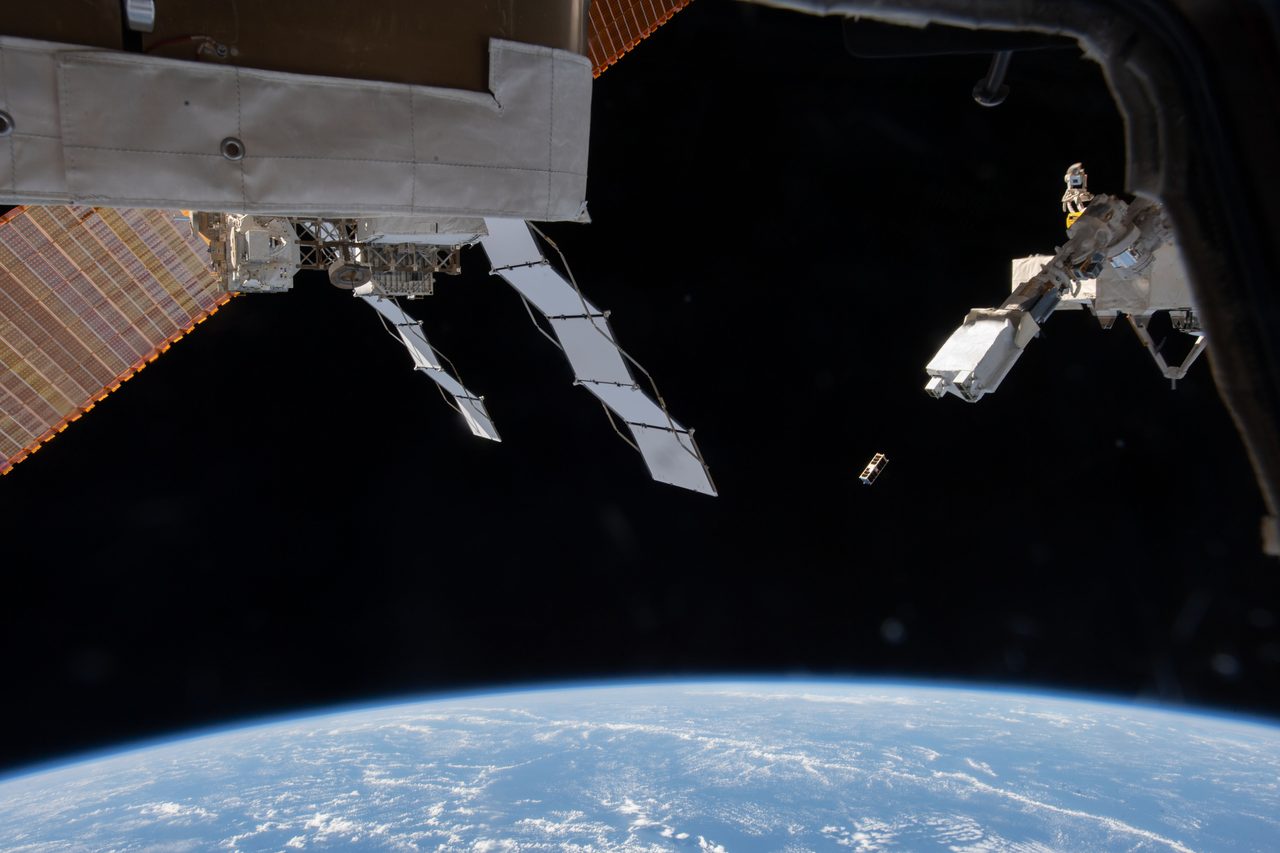
Orbital Radar logged 45,196 orbit-change events over the past month. Explore what those detections reveal about satellite activity—and why they are not a count of thruster firings.
| Active satellites | 15,880 |
| Starlink active | 10,008 |
| Catalogued objects | 31,860 |
| Active close approaches | 20 |
| People in space | 10 |
Satellites have no universal manoeuvre schedule: how often they deliberately change orbit depends on their mission and orbital environment. Orbital Radar tracking data recorded 45,196 orbit-change events in the last 30 days ending 26 October 2026, but that total is not a count of confirmed manoeuvres.
The detector identifies changes in tracking data, not confirmed thruster firings. A detection therefore cannot, by itself, establish that a satellite deliberately manoeuvred, or tell you how often an individual spacecraft does so. Orbital Radar tracking data recorded 2,449 orbit-change events in the last 24 hours. That is a measure of detected activity across the tracked population, rather than a typical daily schedule for any one satellite.
This guide explains daily detected activity, what the event classifications mean and why patterns differ between orbital environments. Use the live manoeuvre tracker as a reference while reading, keeping the distinction between an observed orbit change and a confirmed deliberate manoeuvre in mind.
How many satellite orbit changes are detected each day?
Orbital Radar tracking data recorded 2,449 orbit-change events in the 24 hours ending 26 October 2026. That is the latest daily tally of changes detected in satellite tracking data, not a count of confirmed thruster firings.
Orbital Radar tracking data recorded 13,453 orbit-change events over the seven days ending 26 October 2026 and 45,196 over the preceding 30 days. These are overlapping observation windows: the latest day's detections are included in the weekly total, and the weekly detections are included in the monthly total. Adding the figures together would therefore count some events more than once.
An event count is not a count of unique satellites. A satellite can contribute multiple detections during an observation window, so the daily total does not mean that as many individual spacecraft changed orbit. Nor does it establish how often a typical satellite manoeuvres: that requires following individual spacecraft over time and distinguishing detected changes from deliberate actions.
The latest daily tally is a snapshot, not a fixed daily rate or a long-term baseline. The longer windows provide context, but neither establishes a lasting pattern on its own. Readers can explore the detections through Orbital Radar's space situational awareness toolkit, keeping the distinction between recorded events and individual satellite activity in view.
Does an orbit-change detection mean a satellite fired its thrusters?
No: an orbit-change detection does not establish that a satellite fired its thrusters. Orbital Radar's detector identifies changes in tracking data, rather than directly observing propulsion systems. A detection is therefore evidence of a change in the recorded orbit, not confirmation of what caused it.
Orbital Radar tracking data logged 45,196 orbit-change events in the 30 days to 26 October 2026. That total should not be described as a confirmed manoeuvre tally: it includes classifications that do not establish deliberate action. A manoeuvre is a deliberate change to a spacecraft's motion, as explained in Orbital Radar's guide to orbital manoeuvres.
Orbital Radar tracking data classified 15,441 events as Drag Anomaly over the last 30 days. Atmospheric drag—the resistance a spacecraft encounters from the thin upper atmosphere—can alter an orbit without any thruster firing. Changes in atmospheric density can change that resistance, so an unexpected orbital change need not reflect a command from an operator.
Apparent changes can also arise when tracking estimates are updated: a revised estimate of a satellite's position and motion can look like a shift even when no deliberate action occurred. Conversely, a genuine thruster firing may produce an orbital change that tracking data can reveal, but the detection alone does not prove propulsion was responsible. Read entries in the Orbital Radar manoeuvre tracker as detected changes to investigate, rather than a log of confirmed engine burns.
What kinds of events does the manoeuvre detector identify?
Proximity Approach and Drag Anomaly are the detector’s largest classifications, but neither label confirms an intentional engine burn. Orbital Radar tracking data recorded 28,998 Proximity Approach events and 15,441 Drag Anomaly events in the last 30 days as of 26 October 2026.
Proximity Approach describes relative geometry: how objects move in relation to one another as they come close. It does not, by itself, establish that either spacecraft performed a collision-avoidance manoeuvre. Drag Anomaly identifies an apparent departure from expected atmospheric drag, the resistance caused by the thin atmosphere at orbital heights; the classification alone does not establish its cause.
Orbital Radar tracking data recorded 279 Phasing Maneuver events in the same reporting window. This classification is associated with changing orbital timing or relative position — for example, changing where a satellite sits along its orbit relative to another spacecraft. It describes the detected pattern, rather than independently verifying a spacecraft’s commands or purpose.
Altitude Lower accounted for 271 events and Altitude Raise for 160 events in Orbital Radar tracking data over the same period. In plain language, these labels indicate a detected change towards a lower or higher orbit. They should not automatically be read as confirmed deorbit operations or commanded orbit-raising burns.
Orbit Adjustment, with 24 events, is a broader classification rather than a verified account of a particular spacecraft action. Across these categories, the essential distinction is between a tracking-data interpretation and an independently confirmed manoeuvre. Orbital Radar’s space situational awareness toolkit provides the wider context for interpreting orbital activity.
Why does manoeuvre frequency differ between orbit types?
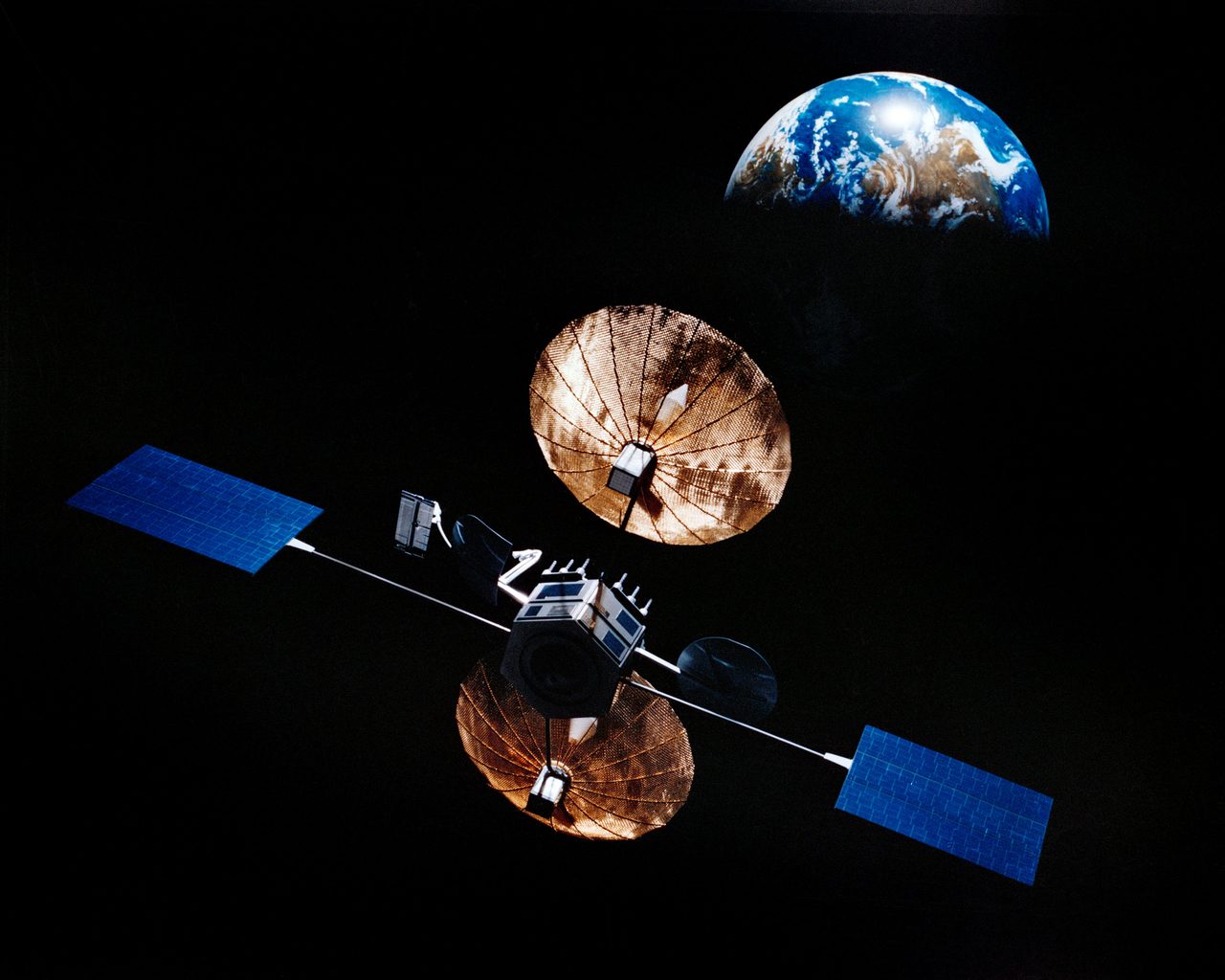
Manoeuvre frequency differs because atmospheric drag, orbital geometry and mission requirements create different reasons to change orbit. Low Earth orbit is the region relatively close to Earth; geostationary orbit is a circular equatorial orbit that keeps a spacecraft above the same longitude; highly elliptical orbits follow elongated paths with large differences between their nearest and farthest points from Earth. Orbital Radar’s guide to types of orbits explains these distinctions.
In low Earth orbit, atmospheric drag removes orbital energy, with lower satellites generally encountering stronger resistance and potentially needing more frequent altitude corrections. Orbital Radar tracking data recorded 15,441 Drag Anomaly detections over the 30 days ending 26 October 2026. That category provides context for drag-related changes, not a measured count for a particular orbital group or evidence of deliberate thrust.
Station-keeping means maintaining a desired orbit or position. Geostationary spacecraft make corrections to remain near their assigned longitude and limit north–south drift, while constellation satellites may need to maintain altitude, spacing and alignment with neighbouring spacecraft. Highly elliptical missions face different constraints, including preserving orbital shape and the orientation needed for coverage.
Mission phase matters too: orbit raising moves a spacecraft towards its working orbit; routine operations maintain service geometry; disposal changes its trajectory towards re-entry or a less disruptive storage orbit. These activities have different purposes and schedules.
Orbital Radar tracking data logged 45,196 orbit-change events in the last 30 days. These are changes detected in tracking data, not confirmed thruster firings. The overall total in the Orbital Radar manoeuvre tracker does not establish measured daily rates for each orbit type; this comparison remains qualitative.
Which countries and operators appear busiest in the detections?
The US grouping led owner-country detections with 16,700 events over the preceding 30 days as of 26 October 2026, according to Orbital Radar tracking data. That makes US the busiest grouping by detected event volume, not necessarily the grouping whose individual satellites manoeuvre most frequently.
Orbital Radar tracking data recorded 14,093 events for PRC, 11,412 for CIS, 2,593 for UK and 153 for FR over the same period. These are the catalogue’s owner-country grouping labels, rather than a ranking of the organisations controlling spacecraft. The events are detections of changes in tracking data, not confirmed thruster firings.
A national grouping can contain multiple organisations, with spacecraft serving different missions and operating under different conditions. Its total therefore combines activity across those fleets: it does not establish that any particular operator is the busiest. Orbital Radar’s satellites by country page helps readers explore national attribution, while satellites by operator distinguishes the organisation operating a spacecraft.
Event volume and manoeuvre frequency per satellite answer different questions. A larger fleet can accumulate more detections even if each spacecraft changes orbit less often than satellites in a smaller fleet. Observation coverage also matters: more consistently observed spacecraft offer more opportunities to detect changes. A fair per-satellite comparison would need to account for both fleet size and tracking coverage over comparable periods. Country totals alone cannot identify the operator with the highest manoeuvre frequency.
Does Starlink's size mean it manoeuvres most often?
No: Starlink's large fleet does not by itself establish that it manoeuvres most often. Starlink had 10,008 operational satellites on 26 October 2026, according to Orbital Radar tracking data. That is a measure of fleet size, not a count of orbital changes or propulsion activity.
On the same date, Orbital Radar tracking data listed 948 Starlink satellites raising orbit and 183 deorbiting. These separate populations matter because a satellite's operational phase changes what its propulsion system needs to accomplish. A spacecraft moving towards its working orbit has different requirements from one providing service or preparing for disposal.
During deployment, raising orbit can involve a sequence of propulsion operations to reach the intended altitude and position within the constellation. Once operational, satellites may adjust their orbits to maintain constellation geometry — the spacing and arrangement needed to provide coverage. At end of life, deliberate orbital lowering can help a spacecraft reach denser atmosphere, where drag progressively brings it down.
Those different tasks cannot be converted into manoeuvre frequencies from population totals alone. The figures establish neither Starlink's share of detected events nor its per-satellite manoeuvre rate; both require event records tied to individual spacecraft over a defined observation period. Orbital Radar's Starlink constellation page provides context on the fleet and its operational phases, rather than a measurement of how often its satellites fire their thrusters.
What do detections involving military satellites tell us?
Orbital Radar tracking data recorded 22,725 orbit-change events involving military satellites in the 30 days ending 26 October 2026. These detections show changes in tracking data involving military spacecraft, not why those changes occurred or whether their thrusters fired.
A military designation describes a satellite's role or attribution; it does not establish the purpose of a particular detected change. Observable orbital behaviour alone cannot identify a surveillance target, demonstrate operational readiness or establish that a spacecraft is responding to another country's activities.
Across all satellites, Orbital Radar tracking data logged 45,196 orbit-change events over the same 30-day period. The detector's categories describe different observations: proximity approaches concern spacecraft coming near one another, while drag anomalies flag unexpected effects associated with atmospheric resistance. Neither category, by itself, establishes a deliberate manoeuvre.
Orbital Radar tracking data classified 28,998 events as Proximity Approach detections across all satellites during that period. That total is not a military-only count, nor a count of intentional rendezvous. Deliberate altitude or timing changes require a different interpretation from proximity or drag.
The military total therefore measures detected activity involving a labelled group, not a single account of military manoeuvring. Orbital Radar's space situational awareness toolkit provides context for keeping observable orbital changes separate from claims about intent.
How can you check satellite manoeuvre detections live?
Open Orbital Radar's satellite manoeuvre tracker to inspect current detected orbit-change activity. Read the reporting period and event classification wherever displayed: a recent event tally describes activity within that window, not a spacecraft's complete manoeuvre history.
Orbital Radar tracking data logged 45,196 orbit-change events in the last 30 days as of 26 October 2026. These are detections inferred from changes in tracking data, not confirmed thruster firings, so describe them as detected events rather than verified burns.
Orbital Radar tracking data classified 15,441 events as Drag Anomaly in the last 30 days as of 26 October 2026. A classification tells you how the detector has labelled a change; it does not, by itself, establish an operator's intention. Keep the category alongside the reporting window when quoting a count.
Before interpreting an event associated with a named satellite, use the satellite library to establish its identity and mission context. Compare like-for-like periods when assessing whether activity has increased: a daily tally and a monthly total answer different questions. Neither should be treated as a satellite's longer-term history.
For the broader tracking context, consult Orbital Radar's space situational awareness hub at /space-situational-awareness. Use it to place detections alongside other orbital information, without assuming that every detected change represents a hazard or that a busy reporting window means more confirmed burns.
How do manoeuvre detections relate to collision risk?
A manoeuvre detection does not, by itself, establish collision risk or show that a collision was prevented. A conjunction is a predicted close approach between orbiting objects, not a prediction that they will collide: assessing the danger requires information about their expected separation and the uncertainty in their predicted positions.
Orbital Radar tracking data lists 20 active close approaches being tracked as of 26 October 2026. That is a current monitoring count, answering which predicted encounters are being followed now.
Orbital Radar's manoeuvre detector recorded 28,998 Proximity Approach classifications over the last 30 days, according to Orbital Radar tracking data. This historical event count answers a different question: how often tracking-data changes received that classification during the reporting window. It is not a count of current conjunctions, confirmed avoidance manoeuvres or collisions narrowly avoided.
The different reporting windows matter. Current close-approach monitoring and accumulated event classifications cannot be compared as though they measure the same thing; the Orbital Radar space situational awareness toolkit provides context for interpreting orbital encounters.
Confirming an avoidance manoeuvre requires evidence beyond an orbit-change label, such as operator confirmation linking a deliberate manoeuvre to a particular conjunction. Showing that it reduced risk also requires comparing the predicted encounter before and after the manoeuvre, including positional uncertainty. Even then, reduced collision probability is not proof that a collision would otherwise have occurred.
The Orbital Radar manoeuvre tracker therefore measures detected orbital activity, not confirmed thruster firings, avoided collisions or a universal manoeuvre schedule.
Key takeaways
- Orbital Radar recorded 45,196 orbit-change events over the last 30 days, but these detections are not confirmed thruster firings.
- Proximity Approach and Drag Anomaly are the largest supplied event classifications, so the headline total should not be read as a count of deliberate manoeuvres.
- Country-level event totals and Starlink's fleet size do not establish which operator manoeuvres most often or provide rates by orbit type.
- The Orbital Radar manoeuvre tracker lets readers follow detected activity while keeping reporting windows, event labels and spacecraft context in view.
Frequently Asked Questions
Can satellites change direction without using fuel?
Do satellites need permission to change orbit?
Can an amateur observer spot a satellite manoeuvre?
What happens when a satellite runs out of propellant?
What is the difference between changing attitude and changing orbit?
📎 Cite this article · data available
Orbital Radar Newsroom. (2026). How Often Do Satellites Maneuver? What Our Detector Sees. Orbital Radar. https://orbitalradar.com/blog/how-often-do-satellites-manoeuvre"How Often Do Satellites Maneuver? What Our Detector Sees." Orbital Radar, 26 October 2026, https://orbitalradar.com/blog/how-often-do-satellites-manoeuvre.@misc{orbitalradar_how_often_do_satellites_manoeuvre,
title = {How Often Do Satellites Maneuver? What Our Detector Sees},
author = {{Orbital Radar}},
year = {2026},
howpublished = {\url{https://orbitalradar.com/blog/how-often-do-satellites-manoeuvre}}
}