Why Do Rockets Fail? Engines, Software and Launch Risk
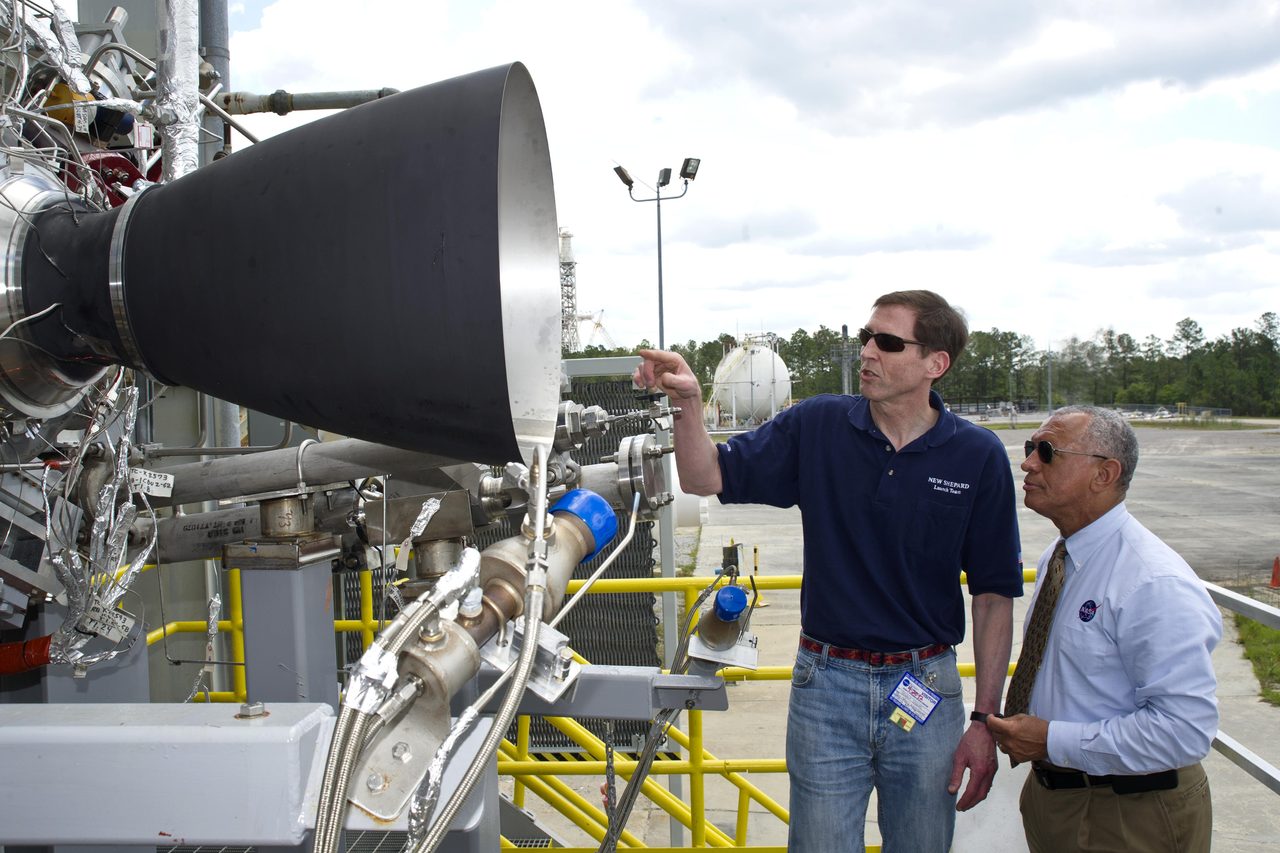
Rocket failures can begin with an engine fault, a faulty command or a separation mechanism. Understanding launch risk means tracing those failures—and counting outcomes carefully.
| Active satellites | 16,724 |
| Starlink active | 9,726 |
| Catalogued objects | 32,147 |
| Active close approaches | 17 |
| People in space | 10 |
Rockets fail when their propulsion, structures, separation mechanisms or flight-control systems cannot deliver the performance needed to complete a mission. Software errors, manufacturing defects and environmental conditions can trigger a fault or turn a manageable problem into the loss of the vehicle.
Failure does not always mean an explosion: a rocket can fly normally for much of its mission, then leave its payload in an unusable orbit. Orbital Radar tracking data lists 16,724 active satellites as of 23 November 2026; reaching orbit and becoming operational are distinct milestones.
Amazon Leo has flown 14 production missions since 28 April 2025, placing 396 satellites in orbit, according to Orbital Radar tracking data. Such launch records provide the basis for measuring reliability, but mission counts alone are not success rates.
The Orbital Radar Launch Log provides records for examining launch outcomes. Assessing reliability means distinguishing successful orbital delivery from booster recovery and later satellite operation: losing a returning booster need not mean losing the payload, while a subsequent satellite fault need not indicate a launch failure.
Why do rocket engines fail during launch?
Rocket engines can fail during launch when propellant flow is interrupted, valves leak, ignition fails or combustion becomes unstable. These faults can reduce thrust, trigger a protective shutdown or damage the engine before controls can respond.
A turbopump is the machinery that forces propellant into an engine at high pressure. A damaged bearing or pump blade can release fragments, disrupt flow and rupture seals; escaping propellant and heat can then damage neighbouring pipes and equipment, allowing a local fault to spread rapidly.
A leaking valve can admit propellant at the wrong time or upset the fuel-to-oxidiser mixture. Failed or delayed ignition can leave unburnt propellant accumulating before it ignites abruptly. Combustion instability—pressure oscillations that reinforce themselves inside the chamber—can impose destructive vibration and heat loads.
An engine fault does not necessarily mean mission loss. Some multi-engine vehicles can compensate for a shutdown by adjusting their remaining engines or burning longer, depending on the flight phase, available propellant and required performance. Orbital Radar’s launch vehicle profiles provide context on different rocket designs.
Investigators compare telemetry (measurements transmitted during flight), recovered hardware and test results to identify the initiating fault. A ruptured pipe found afterwards may have caused the accident—or failed during the subsequent breakup.
Orbital Radar tracking data recorded 16,724 active satellites on 23 November 2026. Orbital Radar’s live catalogue listed 2,220 rocket bodies on 23 November 2026. Neither figure measures engine reliability: that requires launch-by-launch evidence.
What happens when rocket stages fail to separate?
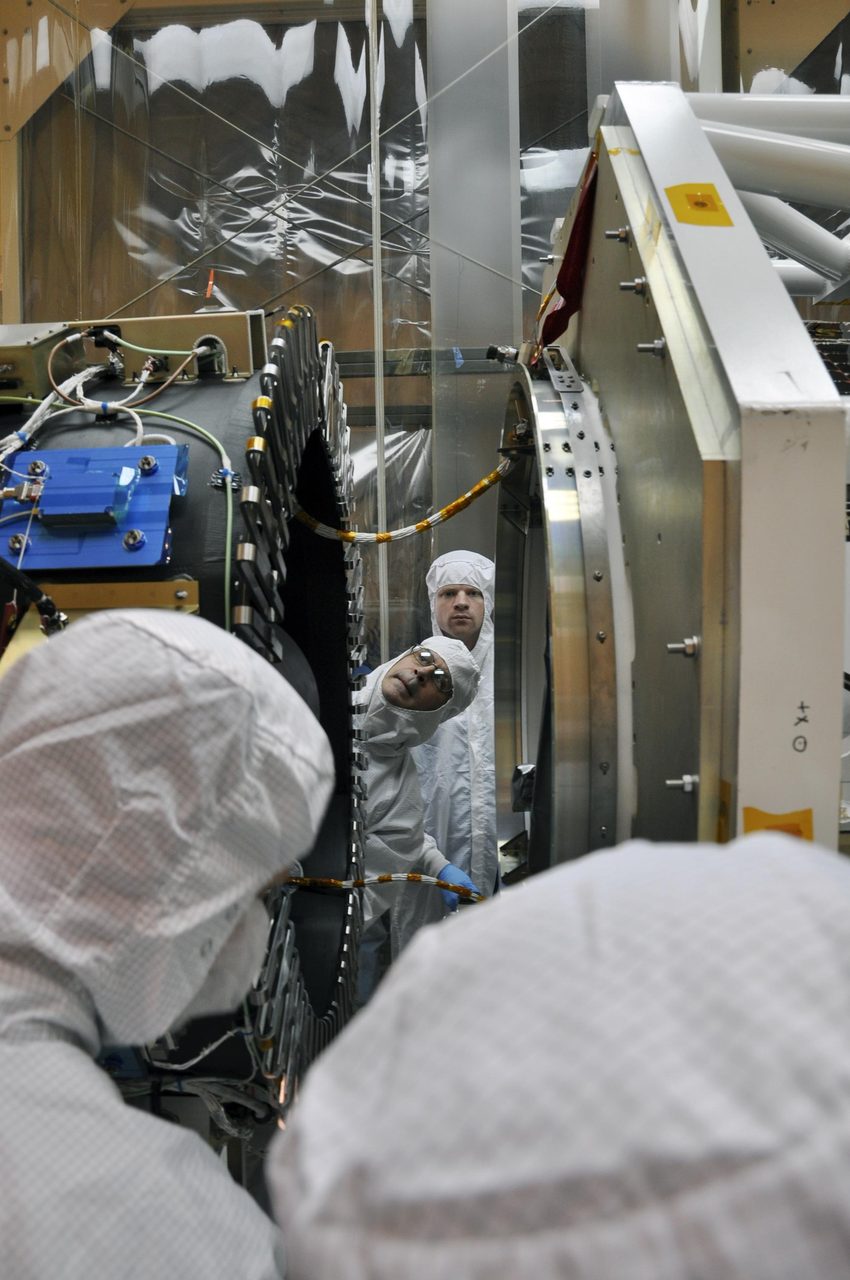
When rocket stages fail to separate, the remaining vehicle can be left hauling spent hardware, preventing it from reaching its intended orbit. Staging discards empty tanks and engines so the next stage does not waste propellant accelerating unnecessary mass.
Separation is a coordinated sequence: commands trigger release devices, electrical connections disconnect, and springs or small thrusters may push the stages apart. The timing must also accommodate engine shutdown and the next stage’s ignition, with the exact sequence depending on the rocket design.
An incomplete release can leave stages attached or send them tumbling. Even after release, insufficient clearance can allow recontact: the departing stage strikes the vehicle above it. An upper-stage engine that fails to start after clean separation is a different failure, although both can prevent orbit; Orbital Radar’s launch vehicle profiles provide context on different rocket configurations.
The fairing, a protective shell around the payload, must also detach. If it stays attached, an otherwise successful ascent can leave the payload trapped or carrying unwanted mass.
Orbital Radar tracking data lists 2,220 rocket bodies in orbit as of 23 November 2026. Orbital Radar tracking data estimates total orbital mass at 17,500 tonnes as of 23 November 2026. Neither figure measures separation failures: discarded stages can remain in orbit after successful missions.
How can software send a rocket off course?
Software can send a rocket off course by turning a mistaken estimate of its motion into a steering command. Guidance chooses the required path; navigation estimates the vehicle’s position, speed and orientation; control commands changes to its motion, typically by swivelling engines.
Faulty sensor readings can make a healthy rocket appear to be drifting. Incorrect assumptions about acceleration, mismatched units or an unhandled software exception (an error that interrupts execution) can corrupt that estimate or stop updates. The control system may then steer against a problem that does not exist.
The first Ariane 5 flight, on 4 June 1996, illustrates one specific chain of failure. Software reused from Ariane 4 attempted to convert a 64-bit floating-point value related to horizontal velocity into a 16-bit signed integer. Ariane 5’s trajectory produced a value outside the permitted range, triggering an unhandled exception in its inertial reference system, which measured motion and orientation.
Both reference units failed because they ran the same software. Diagnostic data were then interpreted as flight information, prompting extreme steering commands; the rocket broke apart. The failed conversion served an alignment function that was no longer needed after lift-off: this was a particular design and testing failure, not an explanation for every lost launch.
Simulation tests software against expected trajectories and abnormal conditions. Hardware-in-the-loop testing connects real flight computers to simulated sensors and vehicle responses; independent checks examine assumptions, units and command limits. Redundant computers protect against some hardware faults, but not necessarily identical software defects. Orbital Radar’s Launch Log provides historical context for individual launch outcomes.
Can bad weather make a rocket fail?
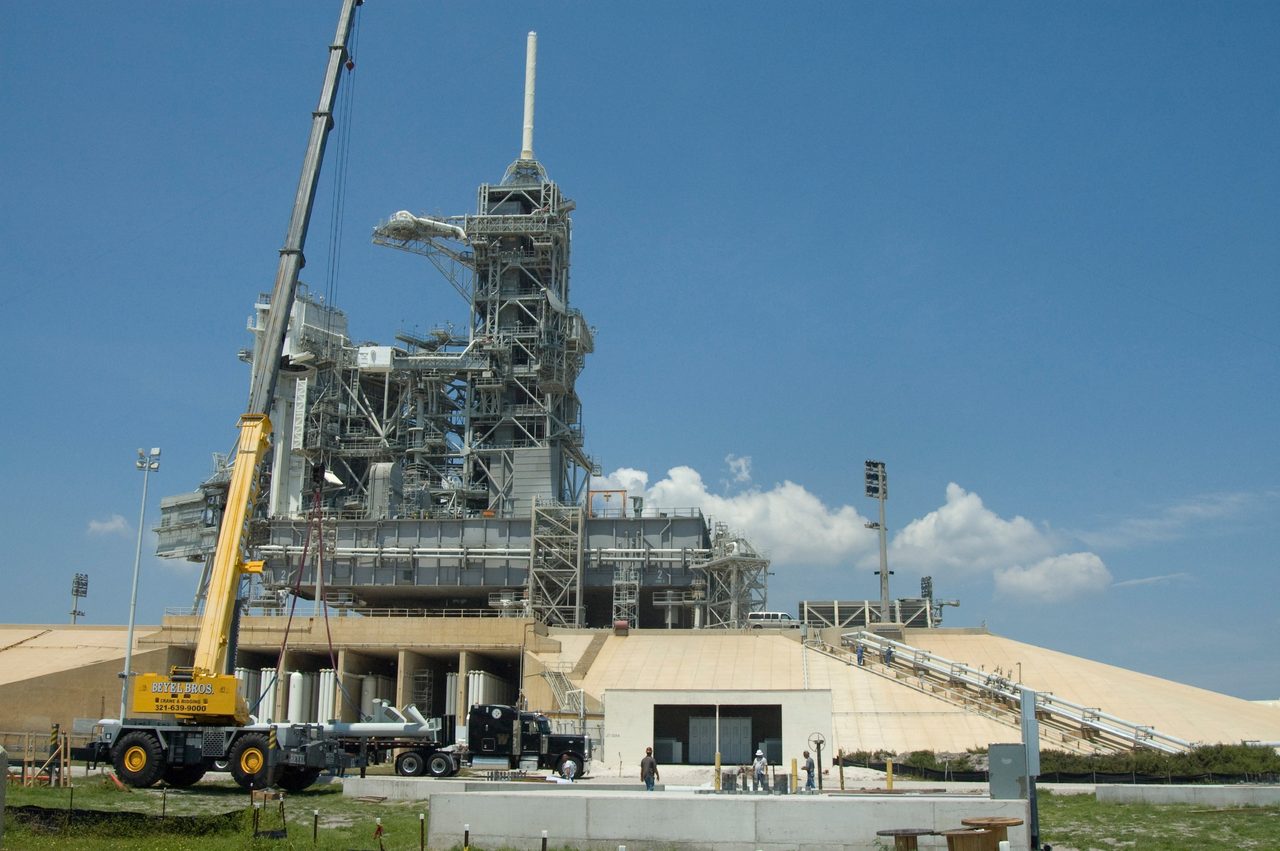
Yes: lightning, strong winds and icing can cause a rocket to fail, but a weather-related postponement is a protective decision, not a failed launch. Conditions can be unsafe even when the launch pad looks clear.
A rocket can trigger lightning while passing through electrically charged clouds, potentially damaging electronics or disrupting control. Upper-atmosphere winds may differ sharply from those at ground level. Wind shear (a rapid change in wind speed or direction) can increase steering demands and bending loads as the vehicle climbs.
Acceptable winds depend on the rocket’s strength, control capability and trajectory, rather than a universal limit. Ice can form on very cold surfaces; pieces shed during flight can strike vulnerable components. Weather balloons, radar and other measurements help teams assess hazards invisible from the pad.
Ascent constraints are separate from landing and recovery conditions. Rough seas or strong winds at a booster landing site can prevent recovery without preventing the payload from reaching its intended orbit.
Orbital Radar’s Launch Schedule lists planned departures, not guarantees of suitable weather. Amazon Leo’s LE-04 mission is scheduled no earlier than 24 November 2026, according to Orbital Radar tracking data. Amazon Leo has placed 396 satellites into orbit since 28 April 2025, according to Orbital Radar tracking data. Neither a revised launch date nor a lost booster alone establishes payload mission failure.
Why can rocket structures and fuel tanks break?
Rocket structures and fuel tanks can break when combined loads exceed their strength, or when a defect weakens a critical part. Lightweight construction leaves less mass to launch, but tank walls, joints and supports must withstand acceleration, vibration, internal pressure and aerodynamic forces simultaneously.
Maximum dynamic pressure, often called max Q, is the point of greatest aerodynamic pressure during ascent. Its timing and severity vary with the flight’s speed, altitude and trajectory: there is no universal moment when every rocket experiences its highest aerodynamic loading. Internal tank pressure also stresses the walls, while thrust compresses the structure and steering introduces bending.
A manufacturing defect or faulty joint can concentrate stress and start a crack. Damaged insulation can expose components to temperatures outside their design limits, while unexpected vibration can fatigue a support or amplify movement until something gives way. A local failure can then transfer loads to neighbouring parts.
Different vehicles require separate structural assessments. According to Orbital Radar tracking data, Atlas V had flown 8 Amazon Leo production missions as of 23 November 2026. Ariane 64 had flown 3 Amazon Leo production missions as of 23 November 2026, according to Orbital Radar tracking data. Their vehicle profiles are available in Orbital Radar’s launch vehicle directory.
Investigators therefore seek the first component to fail, using telemetry, imagery and recovered hardware. The most dramatic moment in launch footage may show the consequences, not the initiating fault.
Does a failed rocket always explode?
No. A rocket can fail without exploding, and an explosion can be the final event rather than the original fault. Loss of thrust means an engine stops providing enough push; loss of control means the vehicle cannot maintain its intended direction.
Structural breakup means the vehicle physically comes apart. Deliberate flight termination is different: a flight-termination system (equipment that ends an unsafe flight) can stop thrust or destroy the vehicle to protect people outside the launch area. Its activation may follow an earlier engine, steering or structural fault.
Quieter failures include premature engine shutdown, a payload that never releases, or insertion into the wrong orbit. Orbital Radar's live catalogue lists 16,724 active satellites as of 23 November 2026. Reaching orbit, however, does not by itself prove that a launch achieved its mission.
Orbital Radar tracking data records 2,220 rocket bodies in the orbital environment as of 23 November 2026. Their presence alone does not indicate failed launches: upper stages can remain in orbit after successful payload delivery.
The useful distinction is between root cause, failure sequence and mission outcome. For example, a hypothetical electrical fault could stop an engine, leaving a satellite in an unusably low orbit without an explosion. When reading mission records in Orbital Radar's Launch Log, distinguish what first went wrong from what happened next and whether the payload could perform its intended job.
Do failed launches leave debris in orbit?
Sometimes, but an unsuccessful ascent does not automatically create long-lived orbital debris. Fragments must acquire enough sideways speed to follow a sufficiently persistent orbit around Earth; merely reaching a high altitude is not enough. Material on a trajectory that returns into the atmosphere is falling launch debris, rather than a lasting addition to the orbital population.
Orbital Radar tracking data listed 10,174 debris objects in Earth's orbital environment on 23 November 2026. That is not a count of failed launches: orbital debris can also come from fragmentation, collisions and other events after launch. A successful mission can therefore contribute debris later, while a failed ascent may leave nothing in orbit.
A failure late in ascent can leave a payload, rocket stage or fragments in orbit, even if they never reach the intended destination. Their lifetime depends on altitude, atmospheric drag (resistance from the thin upper atmosphere) and object characteristics. Mass, shape and exposed surface area affect how strongly drag slows an object, lowering its orbit until it re-enters; higher objects generally encounter less drag and can persist much longer.
Falling launch debris can still threaten people, aircraft or ships without becoming an enduring orbital hazard. Orbital Radar's Debris Map shows the tracked orbital environment; it should not be read as a map of failed launches or of every fragment falling back during an ascent.
How often do rockets fail, and what does the rate mean?
A launch failure rate is the number of failed attempts divided by all attempts within a defined group and period, with partial failures reported separately. There is no meaningful universal rate unless the vehicles, dates and definition of failure are clear.
Orbital insertion means reaching the intended orbit; payload deployment means releasing the spacecraft correctly. Booster recovery is a separate outcome: losing a returning stage need not mean losing the payload. Satellite commissioning—the testing needed before service begins—can fail after a successful launch, without establishing that the rocket was responsible.
As of 23 November 2026, Amazon Leo had flown 14 production missions, according to Orbital Radar tracking data. That production campaign began on 28 April 2025 and placed 396 Amazon Leo satellites into orbit, according to Orbital Radar tracking data. Neither the mission count nor the satellite count alone establishes a launch failure rate: the calculation requires classified outcomes for each attempt.
Any rate calculated from the Orbital Radar Launch Log should display the failed-attempt numerator, total-attempt denominator, vehicle version, period and treatment of partial failures together. Partial failures should have their own count, with an explicit statement of whether they are excluded from the failure numerator or included under a broader definition. Attempts with unresolved outcomes should remain labelled unresolved.
Comparisons also change with launch era, mission profile and whether developmental flights are included. A new vehicle version should not automatically inherit its predecessor's record. With few flights, each additional outcome can shift the observed rate substantially; a long successful run is stronger evidence, but neither record directly supplies the probability that the next flight will fail.
How can you check launch outcomes on Orbital Radar?
Use Orbital Radar’s Launch Log to find records for the rocket or period you want to examine. Start by defining a consistent set of launch attempts: the same vehicle configuration where possible, a clear date range and the same rules for including missions. Comparing an entire rocket family with a single variant can obscure differences that matter.
Read each attempt’s recorded outcome, then separate complete successes, partial failures and failures. A partial failure means some mission objectives were achieved but others were not; keep that category visible rather than silently counting it as success. Calculate a complete-success rate by dividing complete successes by all relevant attempts, and state how partial failures were treated in any failure rate.
Use the vehicle profiles at /launch-vehicles/ for context about the rocket being compared, including distinctions between configurations. The Launch Schedule shows forthcoming missions, but a scheduled launch is not a completed attempt and does not belong in an outcome calculation. Keep planned missions separate from the historical record, even when their expected launch date falls within your chosen period.
Orbital Radar tracking data listed 16,724 active satellites in orbit on 23 November 2026. That population measures the operating orbital fleet, not rocket reliability: a launch can carry several satellites, while spacecraft can stop operating long after a successful flight. To investigate why rockets fail, use launch attempts and their recorded mission outcomes as the evidence.
Key takeaways
- Rocket failures can start in engines, structures, staging hardware, sensors or software, with several systems often involved in the final outcome.
- Weather restrictions and launch scrubs are safeguards, not evidence that a rocket has failed in flight.
- A lost booster, an incorrect payload orbit and a destroyed launch vehicle are different outcomes that require separate treatment.
- Meaningful failure rates need a defined set of launch attempts, consistent outcome categories and enough context to make comparisons fair.
Frequently Asked Questions
Why does a rocket launch get scrubbed before liftoff?
Can astronauts escape if their rocket fails?
Who investigates a rocket launch failure?
Are reusable rockets less reliable than expendable rockets?
Who pays when a rocket destroys its satellite payload?
Cite this article
Pick a style, then copy it or download it for your reference manager.Orbital Radar. (2026, November 23). Why Do Rockets Fail? Engines, Software and Launch Risk. Retrieved November 23, 2026, from https://orbitalradar.com/blog/why-do-rockets-fail
“Why Do Rockets Fail? Engines, Software and Launch Risk.” Orbital Radar, 23 Nov. 2026, orbitalradar.com/blog/why-do-rockets-fail. Accessed 23 Nov. 2026.
Orbital Radar (2026) Why Do Rockets Fail? Engines, Software and Launch Risk. Available at: https://orbitalradar.com/blog/why-do-rockets-fail (Accessed: 23 November 2026).
Orbital Radar. “Why Do Rockets Fail? Engines, Software and Launch Risk.” Last modified November 23, 2026. https://orbitalradar.com/blog/why-do-rockets-fail.
@misc{orbitalradar_blog_why_do_rockets_fail,
  author       = {{Orbital Radar}},
  title        = {Why Do Rockets Fail? Engines, Software and Launch Risk},
  year         = {2026},
  month        = nov,
  howpublished = {\url{https://orbitalradar.com/blog/why-do-rockets-fail}},
  url          = {https://orbitalradar.com/blog/why-do-rockets-fail},
  urldate      = {2026-11-23},
  note         = {Accessed 2026-11-23}
}
TY - ELEC AU - Orbital Radar, TI - Why Do Rockets Fail? Engines, Software and Launch Risk PY - 2026 DA - 2026/11/23 PB - Orbital Radar UR - https://orbitalradar.com/blog/why-do-rockets-fail Y2 - 2026/11/23 LA - en ER -
Live figures change, so keep the date you accessed the page. How to cite Orbital Radar