Understanding Geostationary Orbital Slots and Their Importance

Geostationary orbital slots are specific positions in Earth's orbit where satellites remain fixed relative to a point on the equator, crucial for communications.
| Active satellites | 15,778 |
| Starlink active | 10,064 |
| Catalogued objects | 31,569 |
| Predicted re-entries | 13 |
| Active close approaches | 25 |
| People in space | 10 |
Geostationary orbital slots are specific positions in Earth's geostationary orbit (GEO) where satellites can maintain a constant position relative to a point on the equator. This unique characteristic is essential for uninterrupted communication services such as television broadcasting, weather monitoring, and telecommunications. As of now, 15,778 active satellites are in orbit, with many occupying these valuable slots.
What is Geostationary Orbit?
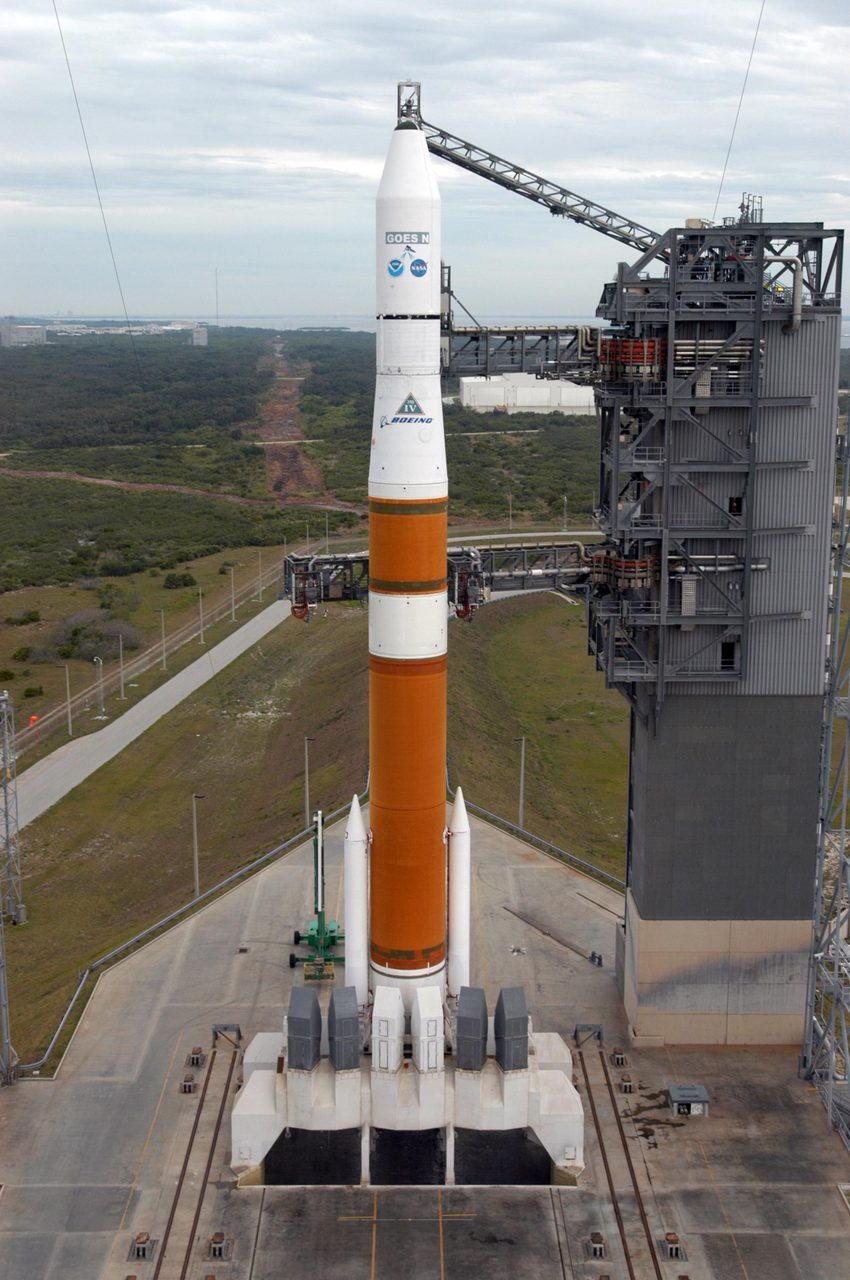
A geostationary orbit is a circular orbit 35,786 kilometres above Earth's equator and following the direction of Earth's rotation. Satellites in this orbit have an orbital period equal to Earth's rotational period, allowing them to remain stationary relative to the surface. This orbit is ideal for satellites that require a constant view of the same region, such as communication and weather satellites. The Orbital Radar glossary provides more detailed definitions.
How Are Geostationary Orbital Slots Allocated?
The International Telecommunication Union (ITU) is responsible for allocating geostationary orbital slots to ensure equitable access among nations. Countries apply for slots to place their satellites, and the ITU coordinates to prevent interference and overcrowding. Each slot corresponds to a specific longitude over the equator, and careful planning is required to manage the 1,800 available positions effectively.
Why Are Geostationary Orbital Slots Important?

Geostationary orbital slots are crucial for maintaining global communication networks. Satellites in these slots provide services such as television broadcasting, internet access, and emergency communication. The fixed position relative to Earth allows for stable and reliable signal transmission. With 18,732 payloads currently tracked, the demand for these slots continues to grow.
Challenges in Geostationary Orbit Management

Managing geostationary orbital slots involves addressing challenges such as space debris, interference, and overcrowding. With 31,569 catalogued objects, including 10,115 debris pieces, the risk of collision is significant. Coordination among international space agencies is essential to mitigate these risks and ensure the sustainable use of GEO. The Orbital Radar types of orbits page offers insights into various orbital dynamics.
Key Takeaways
Geostationary orbital slots are vital for global communication and require careful management to prevent interference and ensure equitable access. The ITU plays a central role in slot allocation, while international cooperation is necessary to address challenges such as space debris. As of today, 15,800 tonnes of orbital mass are managed in Earth's orbit, highlighting the need for continued vigilance and innovation in space situational awareness.
Frequently Asked Questions
How many geostationary orbital slots are available?
What is the altitude of geostationary orbit?
Why do satellites in geostationary orbit appear stationary?
How does space debris affect geostationary orbital slots?
What role does the ITU play in geostationary orbit management?
📎 Cite this article · data available
Orbital Radar Newsroom. (2026). Understanding Geostationary Orbital Slots and Their Importance. Orbital Radar. https://orbitalradar.com/blog/geo-orbital-slots-explainer"Understanding Geostationary Orbital Slots and Their Importance." Orbital Radar, 9 October 2026, https://orbitalradar.com/blog/geo-orbital-slots-explainer.@misc{orbitalradar_geo_orbital_slots_explainer,
title = {Understanding Geostationary Orbital Slots and Their Importance},
author = {{Orbital Radar}},
year = {2026},
howpublished = {\url{https://orbitalradar.com/blog/geo-orbital-slots-explainer}}
}