Space News Mission Log — Satellite Launches, Orbital Events & Analysis
Daily space news, satellite launch reports, orbital debris analysis and weekly roundups — grounded in live tracking data from our network monitoring 510 published reports.
GOES-18: Geostationary Weather Sentinel
GOES-18, also known as GOES-T prior to its successful launch, is a geostationary weather satellite operated by the National Oceanic and Atmospheric Administration (NOAA). It is part of the Geostationary Operational Environmental Satellites (GOES) programme, which provides real-time weather data and
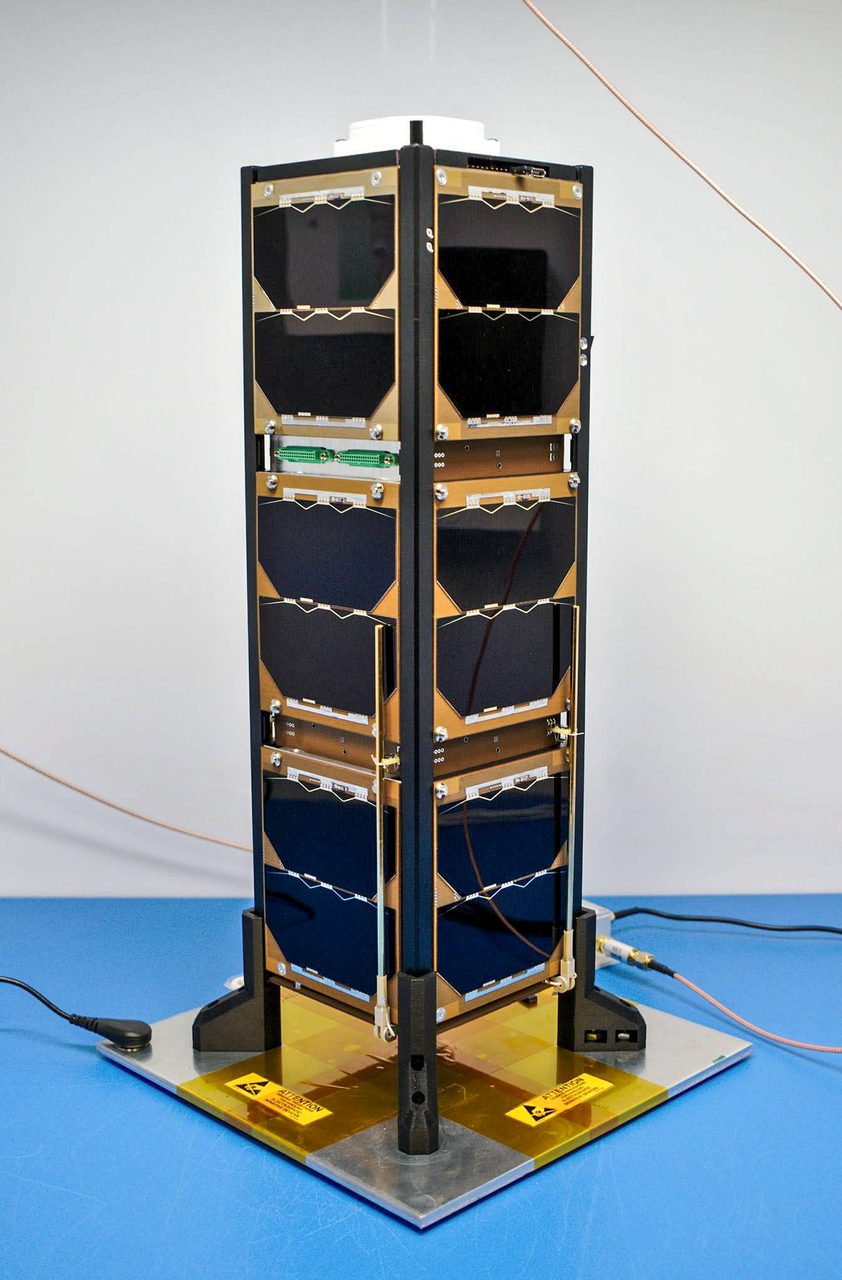
Understanding GDOP and PDOP in GNSS: A Detailed Guide
GDOP and PDOP are key metrics in GNSS, affecting positioning accuracy. Learn their roles and significance in satellite navigation.
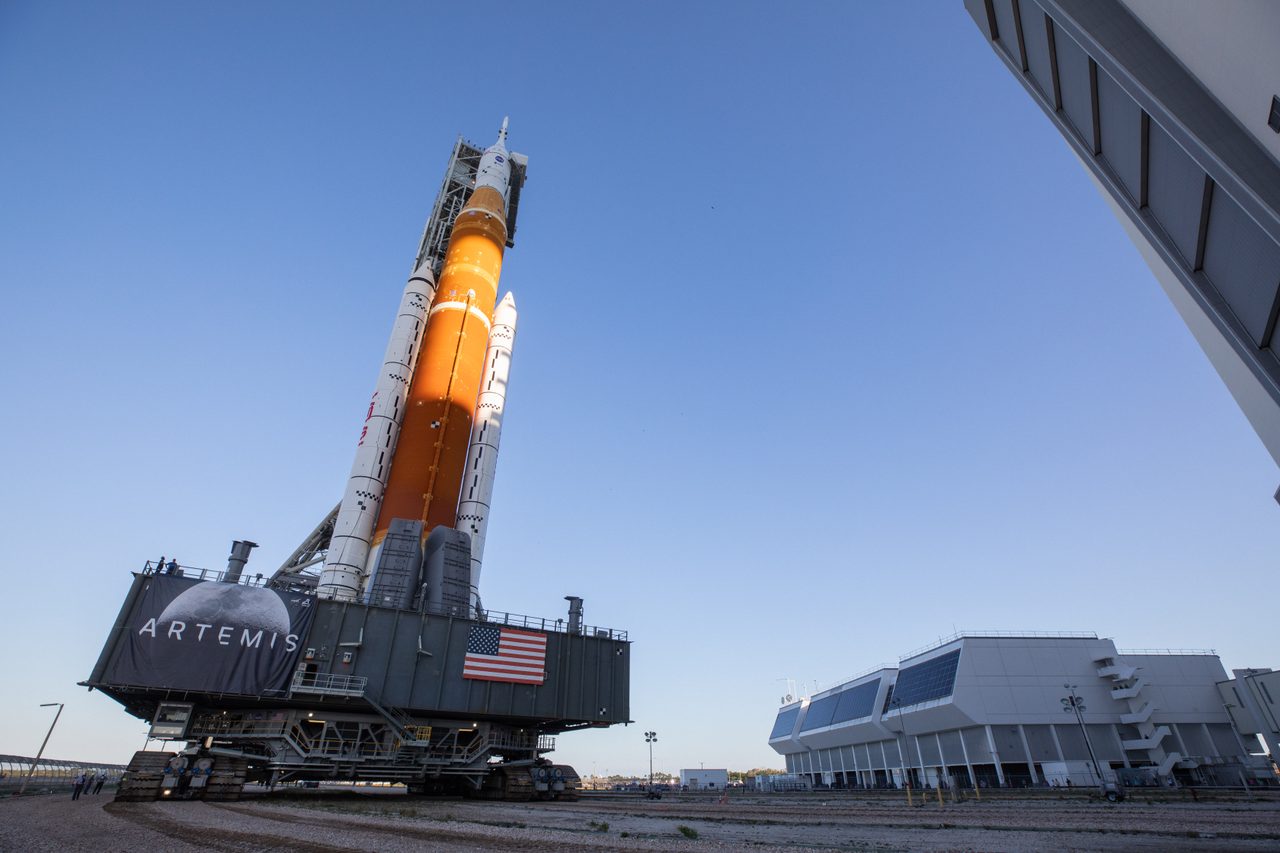
Long March Launch History: A Comprehensive Guide
Discover the Long March Hub, tracking every Chinese launch since 1970 with detailed data and insights.
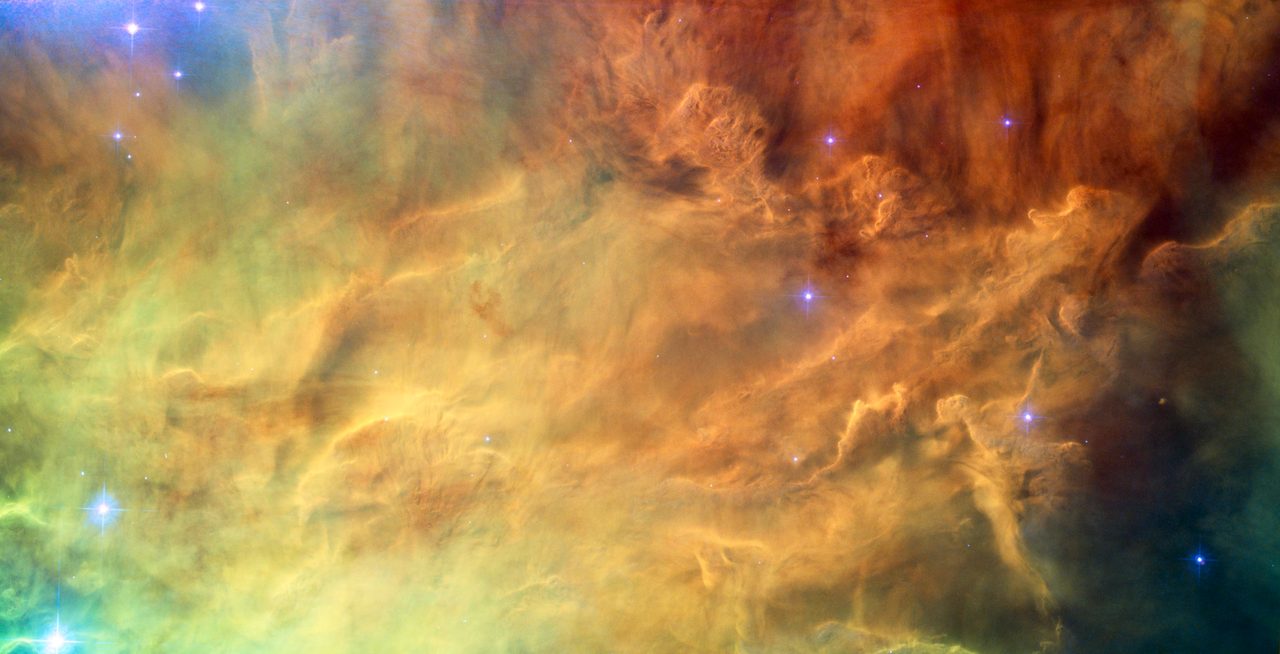
Comet NEOWISE: A Celestial Spectacle Over the Adriatic
Comet NEOWISE, visible to the naked eye in 2020, was captured rising over the Adriatic Sea, offering a rare celestial display.
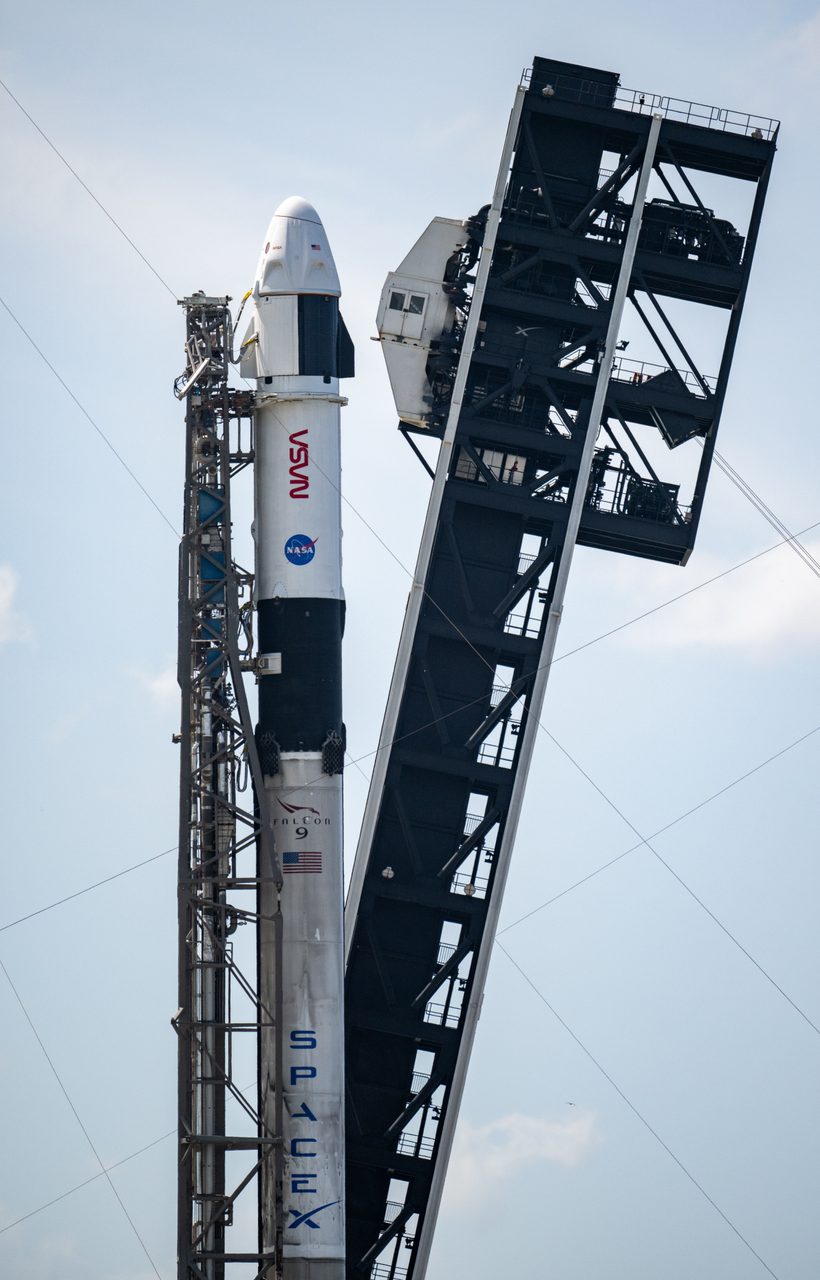
SpaceX Marks 700th Falcon Launch with Telecom Trio
SpaceX's Falcon 9 achieves its 700th launch, ESA's Vega C readies for dual mission, and Mercury's tectonic history is re-evaluated.
This Week in Orbit: 2026-09-13
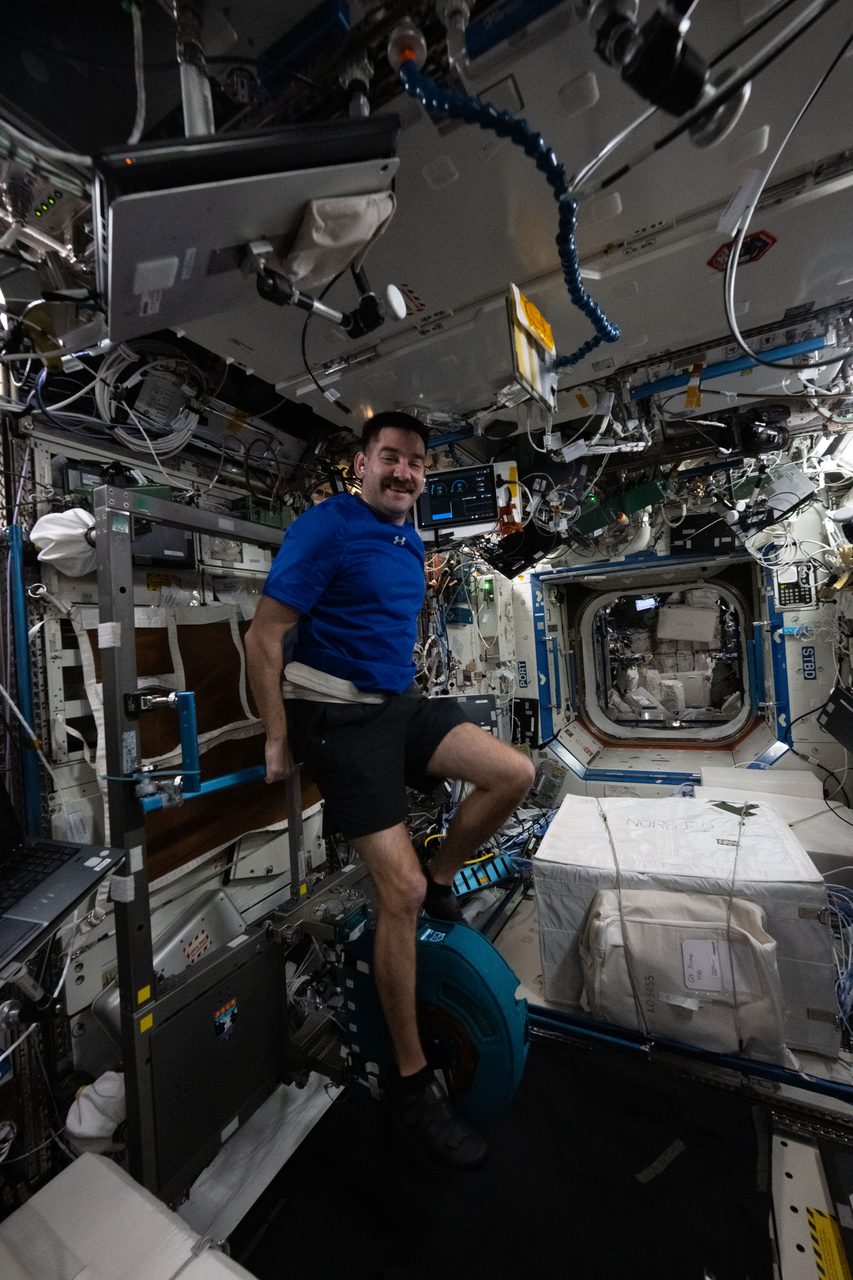
This week in orbit saw a rich tapestry of scientific insights and celestial events. A significant development was Japan's Hayabusa2 achieving the first-ever laser ranging experiment with an asteroid, marking a milestone in space exploration.
Understanding Satellite Doppler Shift in Orbital Tracking
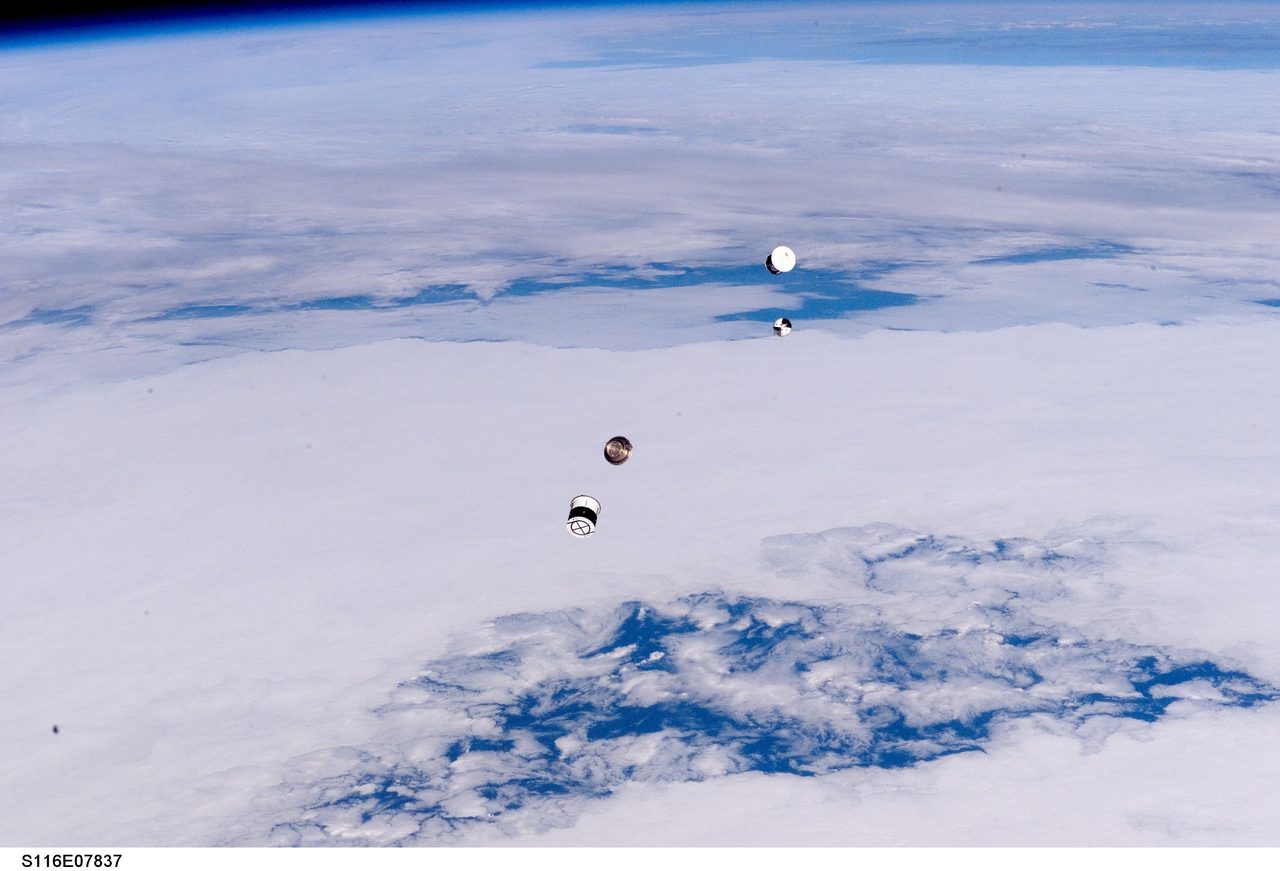
Satellite Doppler shift affects frequency changes in signals from moving satellites, crucial for accurate tracking and communication.
Apollo 11: Illuminating the Lunar Surface
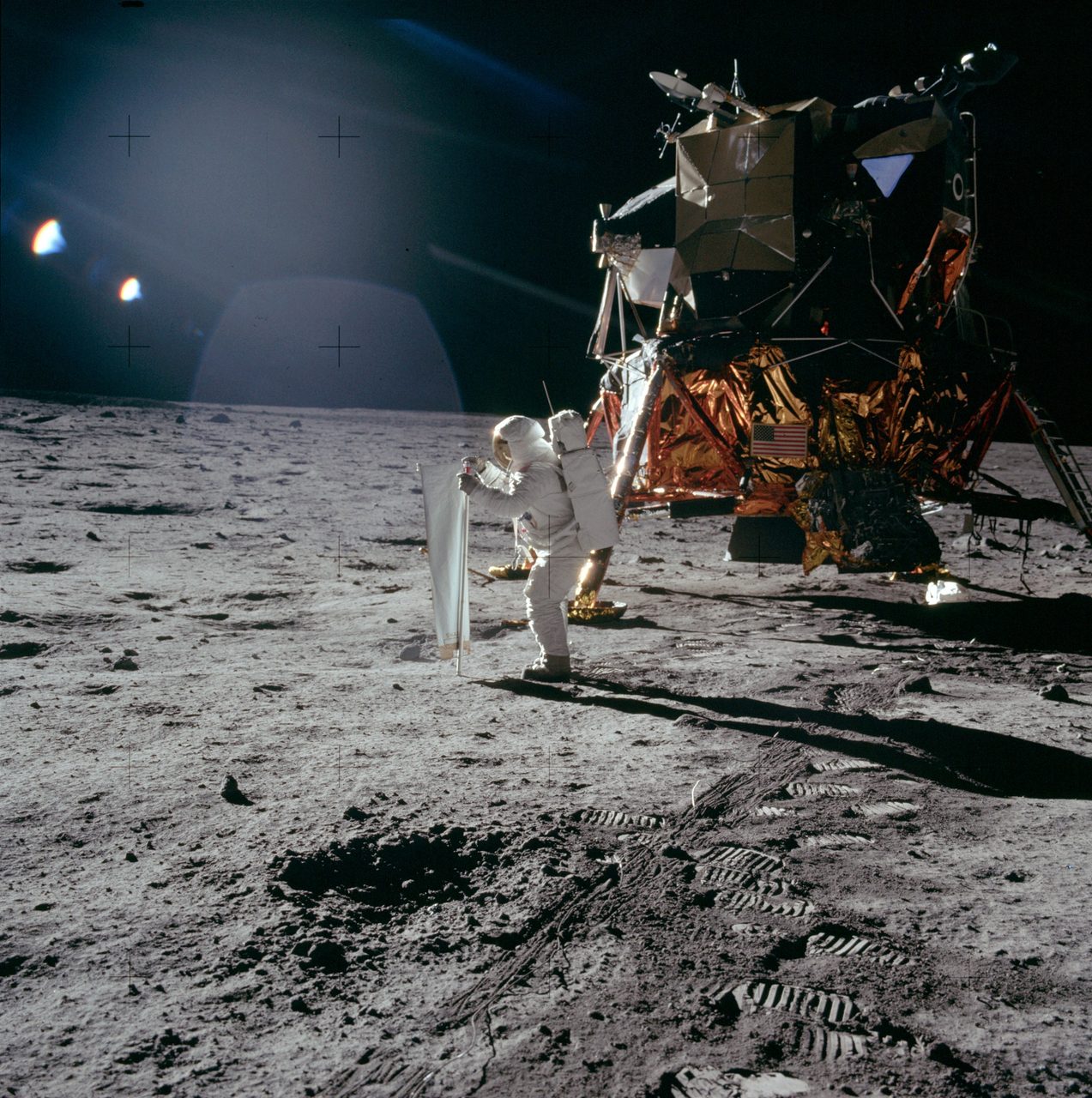
Discover the significance of the Apollo 11 mission's Solar Wind Composition Experiment, captured in a historic image by Neil Armstrong.
Hayabusa2's Laser Success and Starlink Manoeuvres
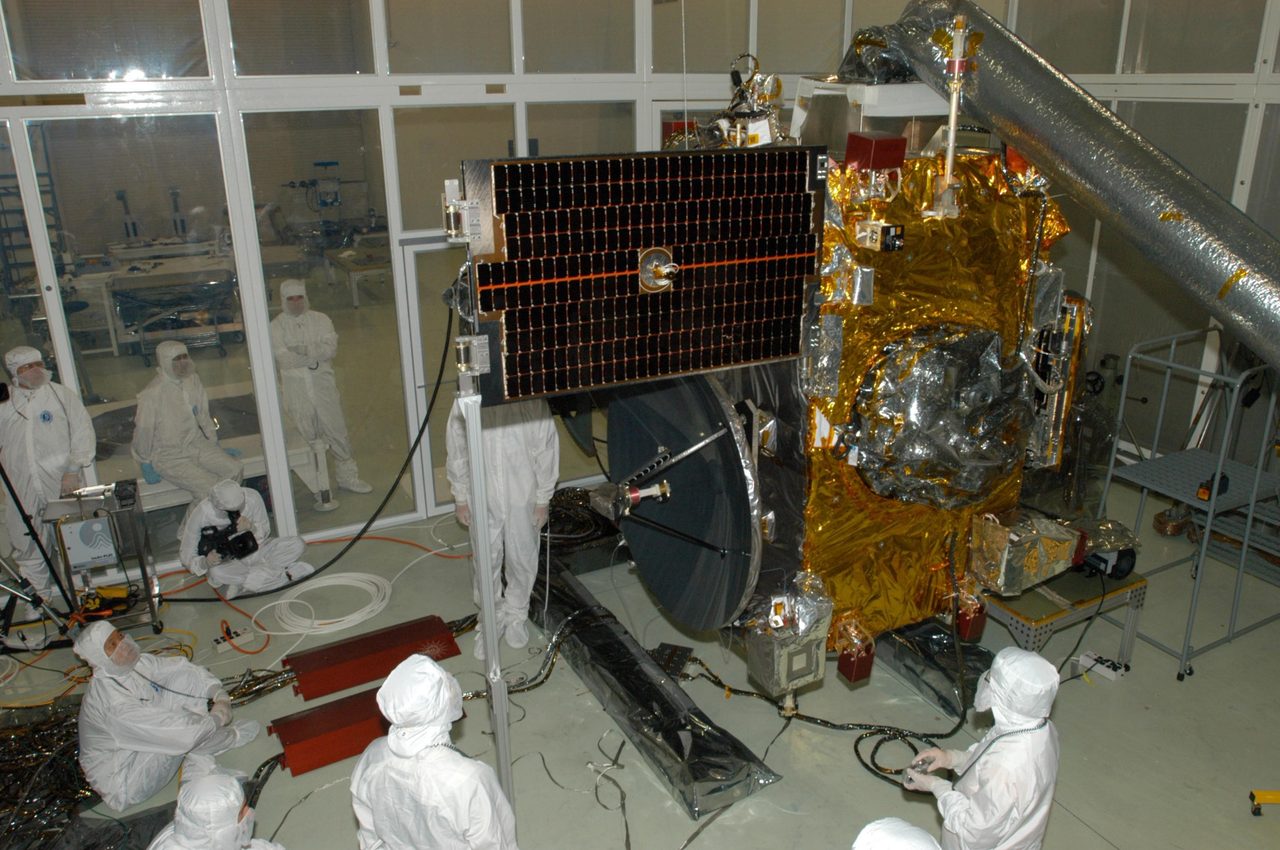
Japan's Hayabusa2 completes a pioneering laser ranging experiment with an asteroid. Starlink satellites adjust orbits, and space weather remains stable.
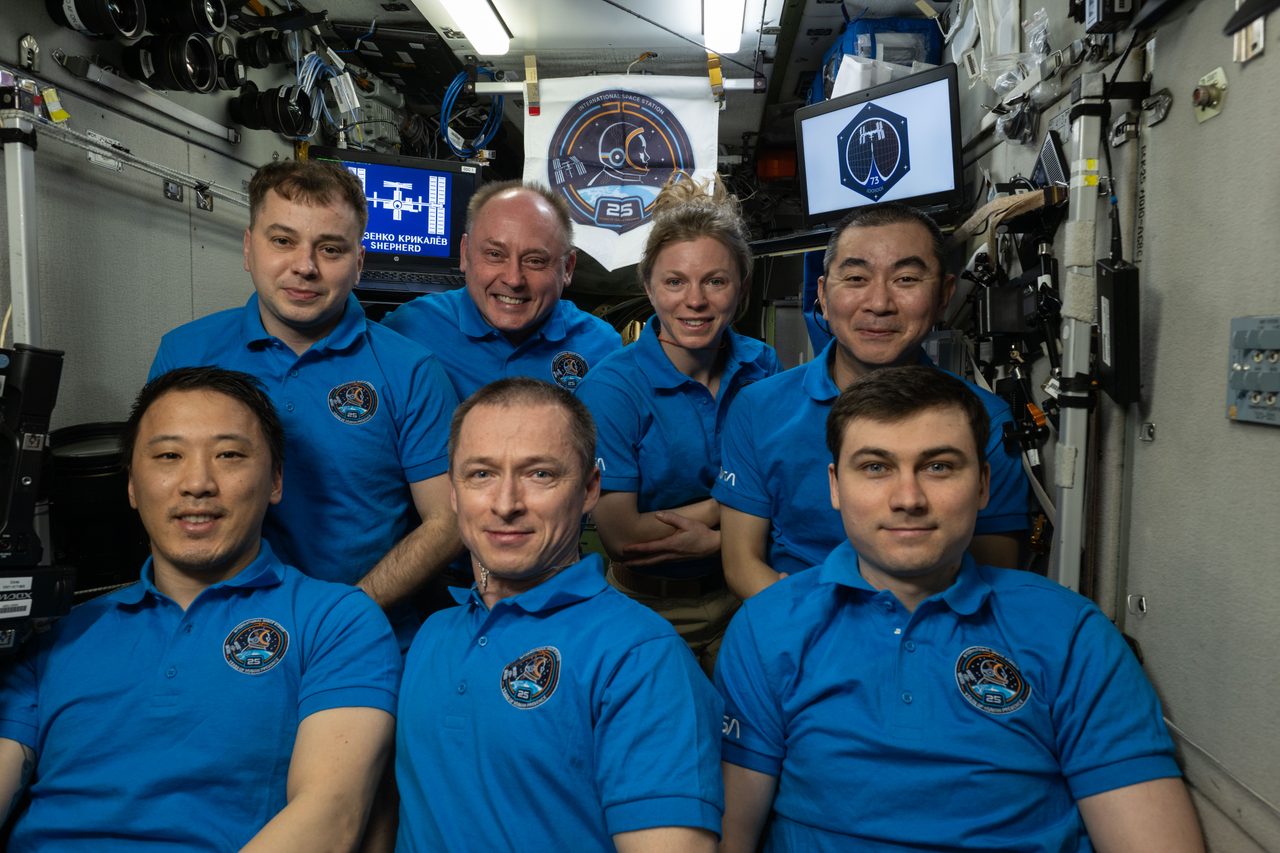
ISS: 25+ Years of Continuous Human Presence
The International Space Station (ISS) is a modular space station in low Earth orbit. It serves as a microgravity and space environment research laboratory where scientific research is conducted in astrobiology, astronomy, meteorology, physics, and other fields.
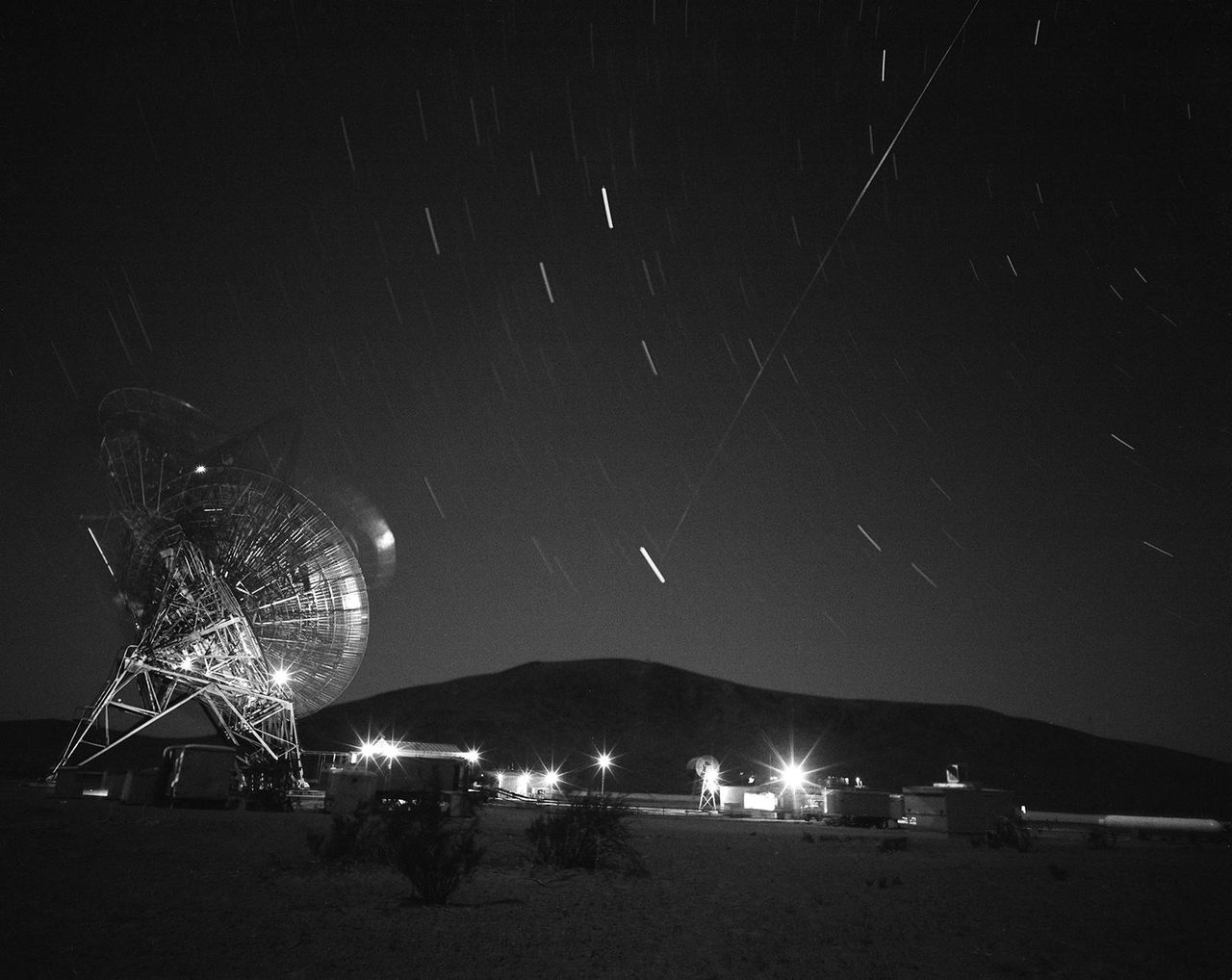
Understanding Satellite Look Angles: Azimuth and Elevation Explained
Satellite look angles, including azimuth and elevation, are crucial for tracking and communication. Learn how these angles are measured and their significance.

Exploring M83: The Southern Pinwheel Galaxy
M83, the Southern Pinwheel Galaxy, is a stunning spiral galaxy located 12 million light-years away in the constellation Hydra, known for its brilliant star-forming regions.