Space News Mission Log — Satellite Launches, Orbital Events & Analysis
Daily space news, satellite launch reports, orbital debris analysis and weekly roundups — grounded in live tracking data from our network monitoring 97 published reports.
Understanding Satellite Orbits: LEO, MEO, GEO and Beyond
Satellite orbits, including LEO, MEO, and GEO, define how satellites move and function in space. Each orbit serves unique purposes.
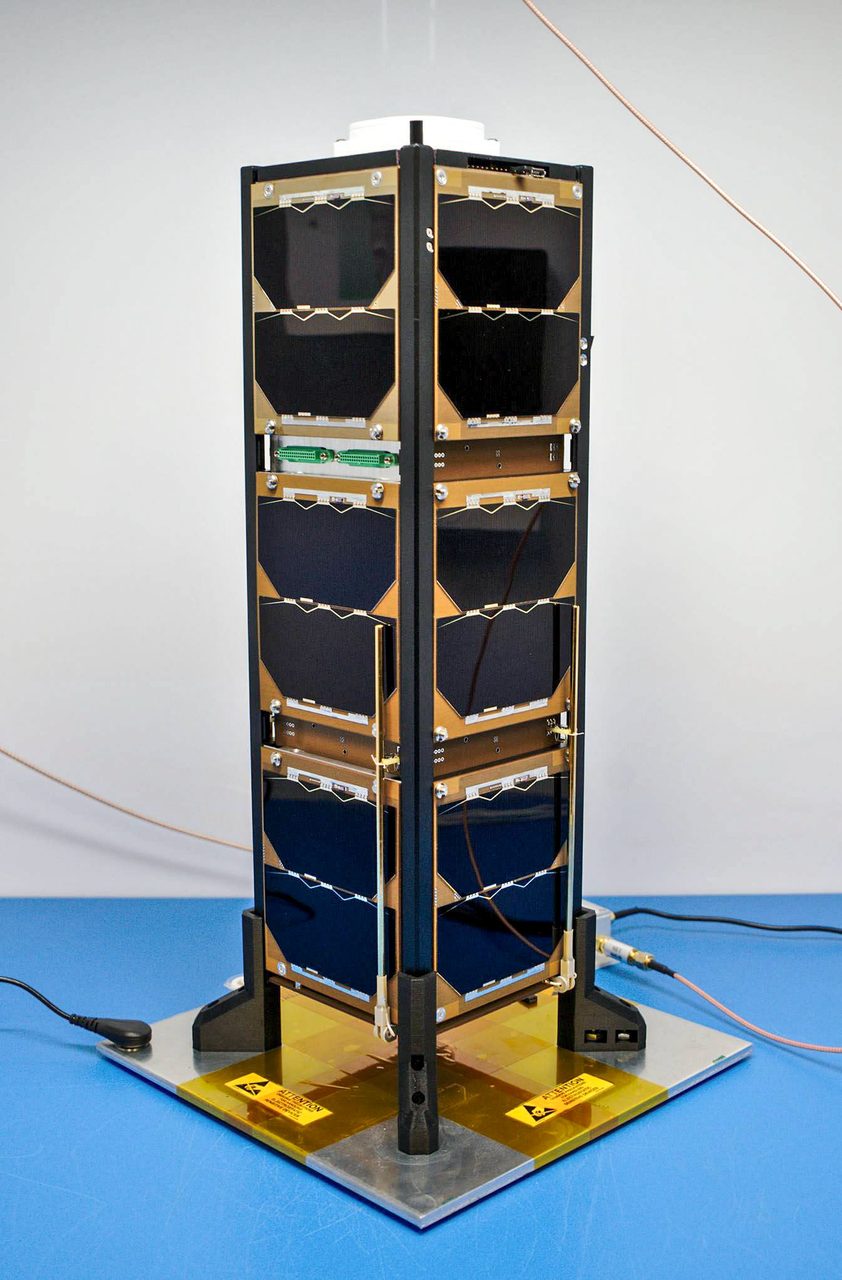
India's Jio Plans LEO Constellation Amid Market Shifts
India's Jio announces a sovereign LEO constellation plan, NASA contracts a private company for its next Mars orbiter, and JWST unveils a well-developed galaxy cluster.

Amazon Kuiper: Comprehensive Guide to Amazon's Satellite Internet
Amazon Kuiper is a satellite internet constellation designed to provide global broadband coverage. Discover its mission, technology, and potential impact.
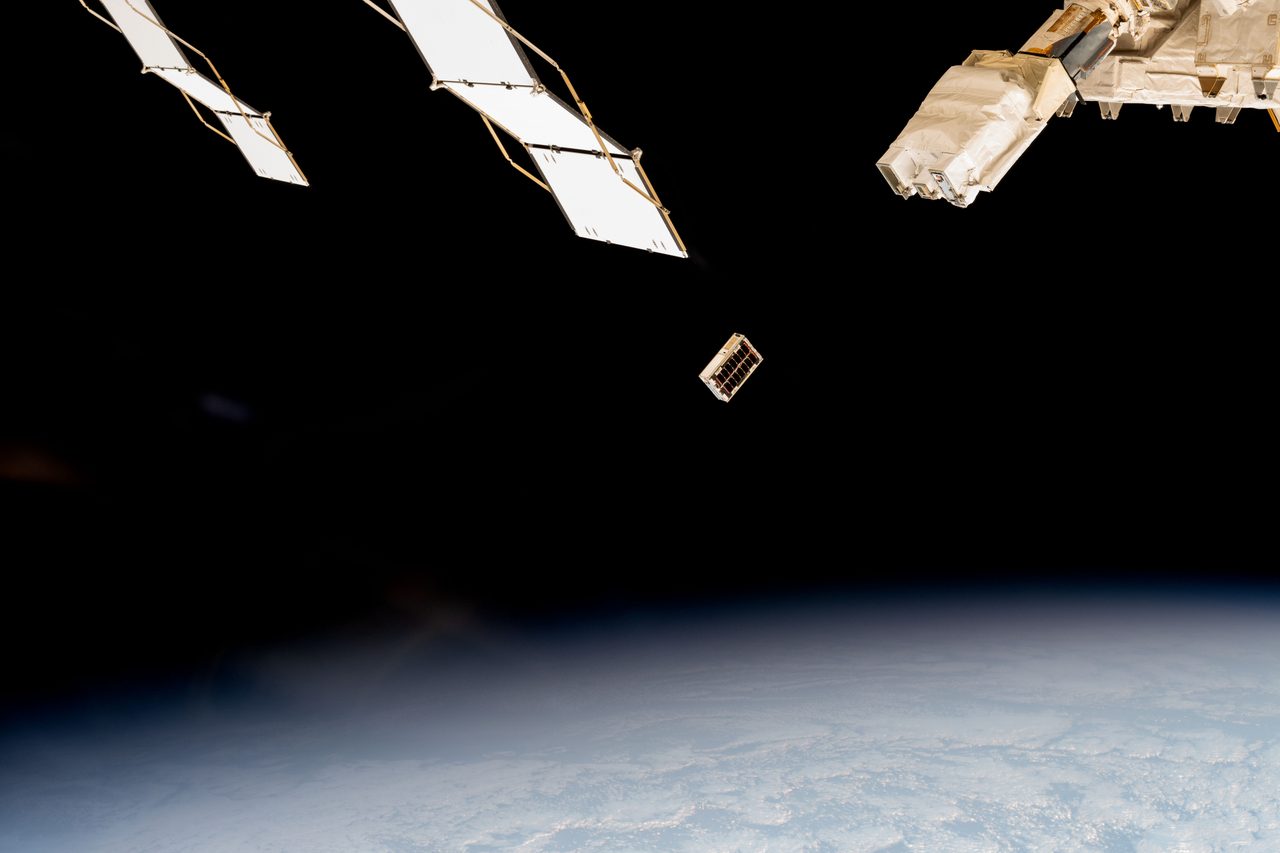
Understanding Orbital Decay: Why Satellites Fall to Earth
Orbital decay is the gradual reduction of a satellite's orbit due to atmospheric drag and gravitational forces, leading to eventual reentry.

Orbital Mechanics Explained: How Satellites Stay in Orbit
Orbital mechanics govern how satellites remain in orbit, balancing gravitational forces and velocity to maintain stable paths.

Low Earth Orbit: Why Space Is Busiest Below 2,000 km
Low Earth orbit hosts space stations, broadband constellations and Earth-observation missions. Explore how it works, why it is crowded and what keeps satellites flying safely.

Final Atlas V Launch Supports Amazon's Broadband Constellation
ULA launches final Atlas V for Amazon Leo, Starlink satellites adjust orbits, new Moon lander contracts announced.

SatNet reaches orbit: Orbital Briefing, 25 October 2026
China's SatNet LEO Group 28 has reached orbit aboard Long March 8A. Elsewhere, satellite close approaches warrant attention while geomagnetic conditions remain quiet.

Exploring Arp 263: A Galactic Merger's Final Act
Arp 263, an irregular galaxy in Leo, offers a glimpse into the chaotic beauty of a galactic merger's final phase, captured by Webb's NIRCam.

TDRS: NASA's Data Relay Network in GEO
The Tracking and Data Relay Satellite (TDRS) system is a network of communications satellites operated by NASA to support space missions. This network provides continuous high-data-rate communication links between spacecraft in low Earth orbit (LEO) and ground stations on Earth.
Delta-V Explained: The Currency of Spaceflight
Delta-v is the change in velocity needed for space manoeuvres, crucial in mission planning and satellite operations.

Geostationary Transfer Orbits: A Complete Explainer
A Geostationary Transfer Orbit (GTO) is an elliptical orbit used to transfer satellites to geostationary orbit, crucial for communications satellites.