Space News Mission Log — Satellite Launches, Orbital Events & Analysis
Daily space news, satellite launch reports, orbital debris analysis and weekly roundups — grounded in live tracking data from our network monitoring 10 published reports.
Why Does the ISS Need to Be Reboosted?
Thin air still slows the ISS near 400 km above Earth. Periodic engine burns replace lost orbital energy and keep the station at a useful operating altitude.
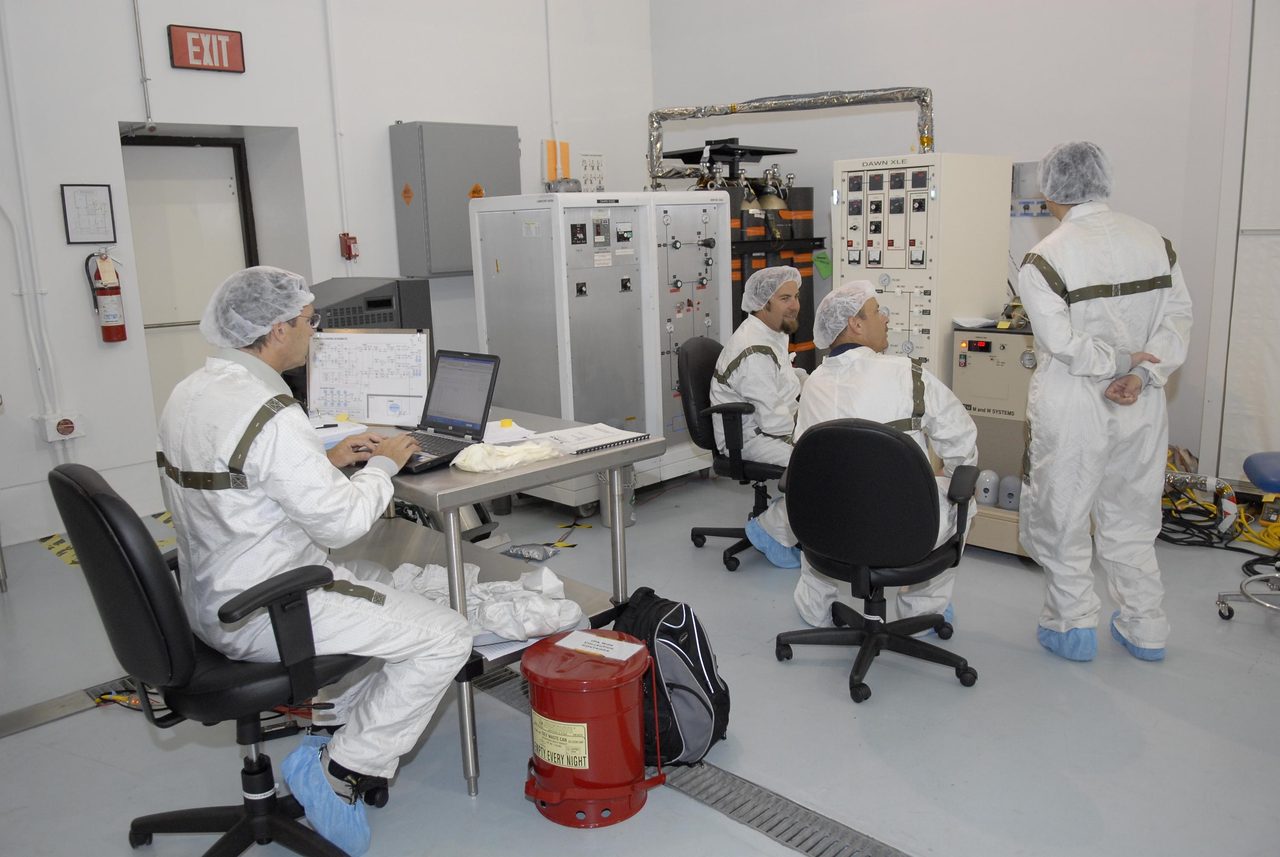
Delta-V Explained: The Currency of Spaceflight
Delta-v is the change in velocity needed for space manoeuvres, crucial in mission planning and satellite operations.
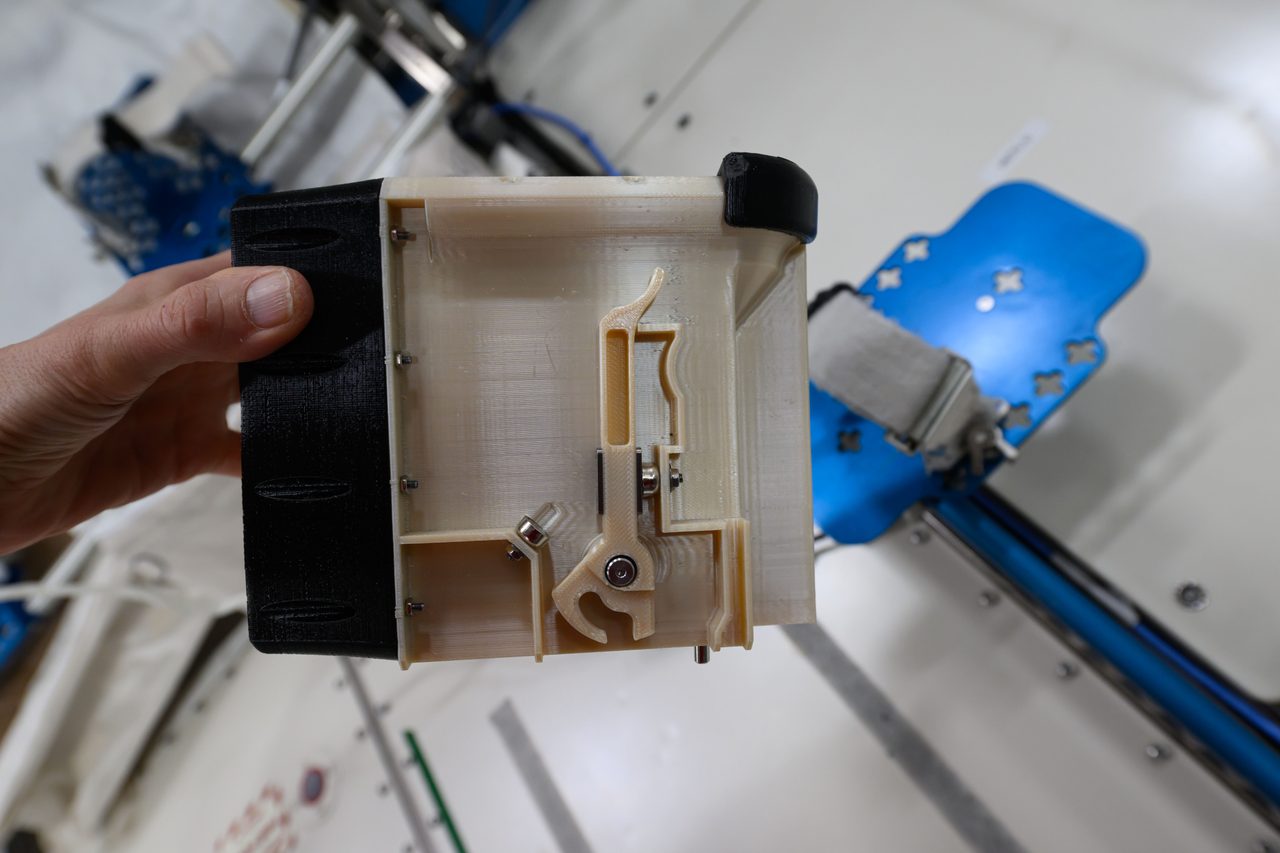
AstroForge Completes DeepSpace-2 Amidst Satellite Close Calls
AstroForge completes DeepSpace-2 spacecraft as multiple close satellite approaches are monitored.
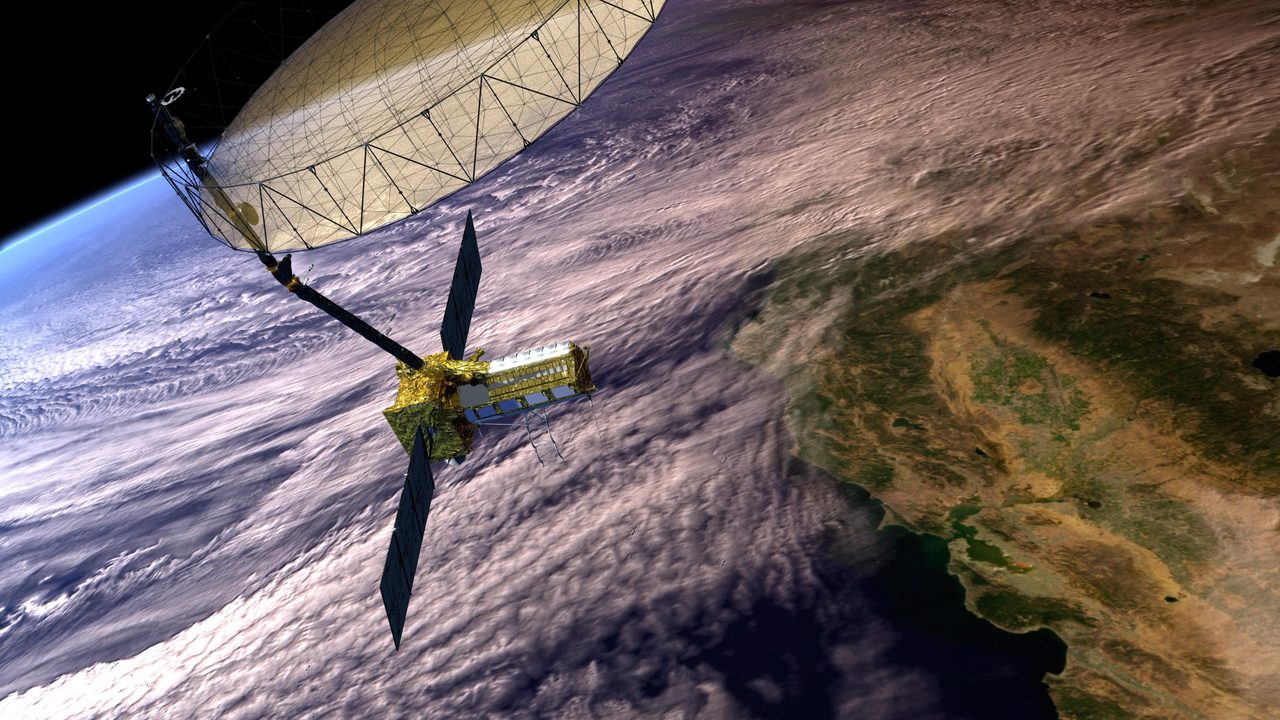
How Many Satellites in Orbit? Counts, Types and Tracking
Earth has 15,870 active satellites, but the wider catalogue includes debris and inactive spacecraft. Here is what the counts mean and how to explore them.
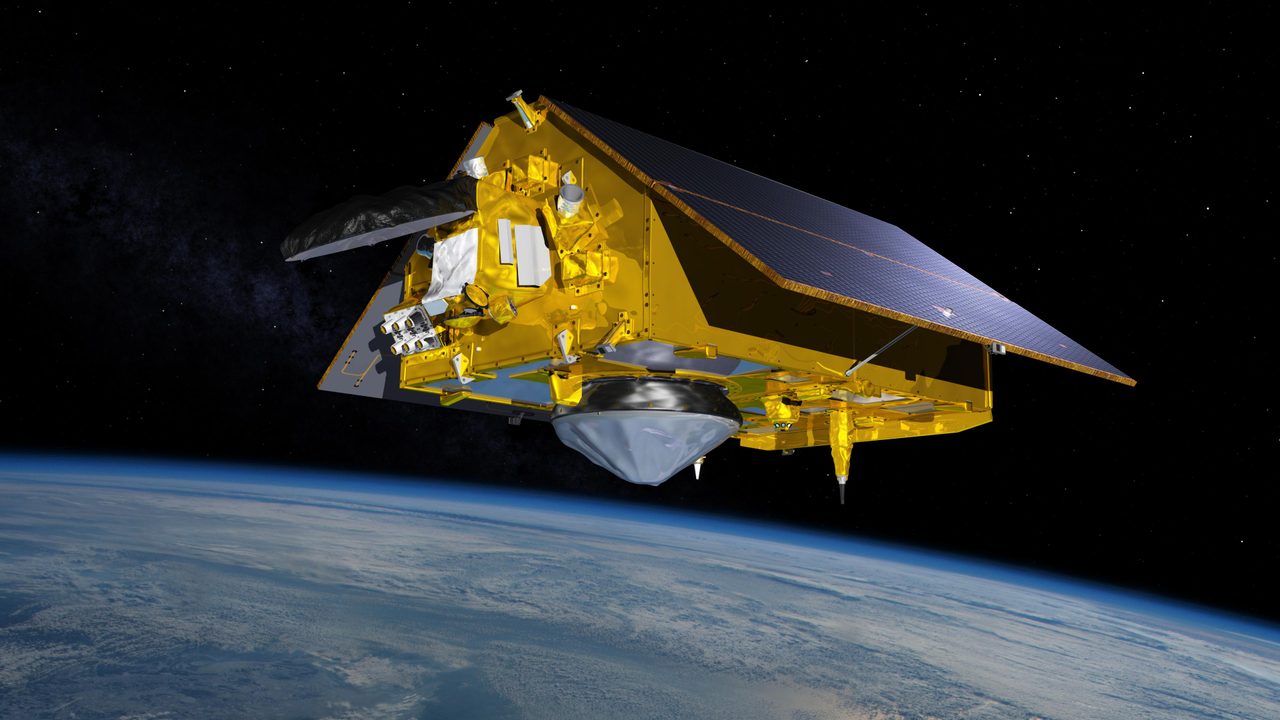
CSS Tianhe: Core Module of China's Space Station
CSS Tianhe, also known as the 'Harmony of the Heavens', is the core module of China's Tiangong space station. Launched on April 29, 2021, aboard a Long March 5B rocket, Tianhe serves as the primary control hub for the station.
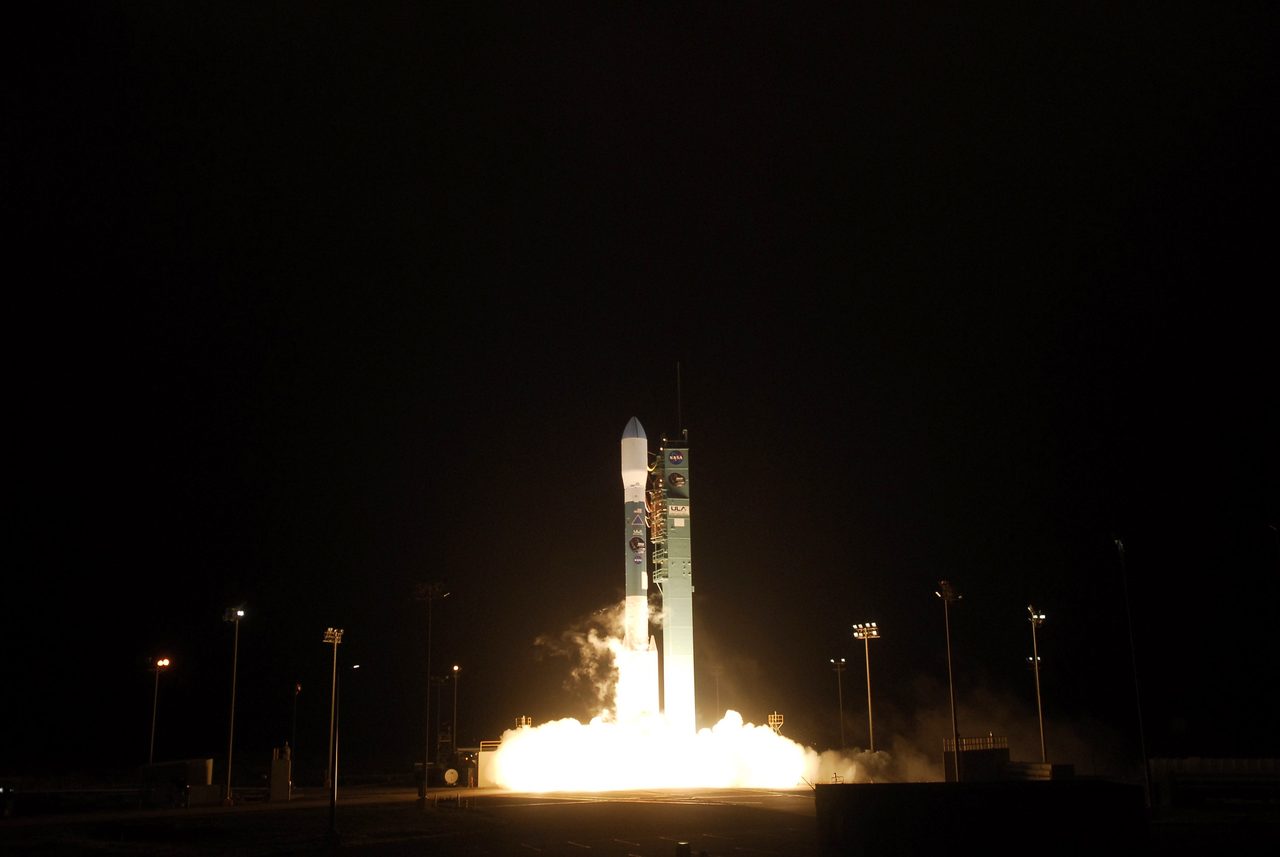
How Starlink Works: Architecture, Coverage & Orbital Mechanics
Starlink provides global internet coverage through a constellation of over 10,000 active satellites in low Earth orbit, utilizing advanced phased array antennas and laser links.
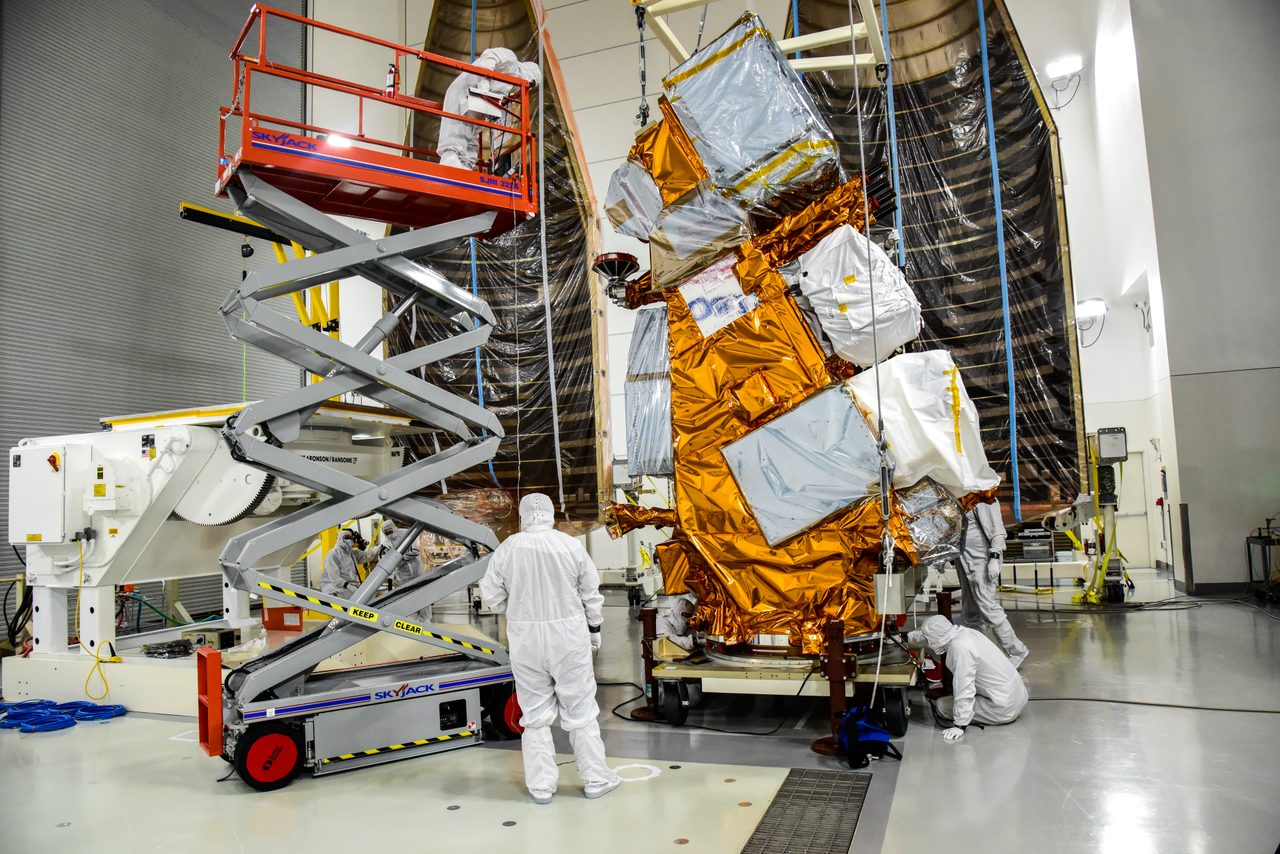
Understanding Atmospheric Drag on Satellites: A Detailed Guide
Atmospheric drag is a key factor affecting satellites in low Earth orbit, influencing their speed and altitude over time.
Commercial Space Stations: Orbital Reef, Starlab and Axiom Explained
Commercial space stations, such as Orbital Reef, Starlab, and Axiom, are set to revolutionise space habitation and industry.
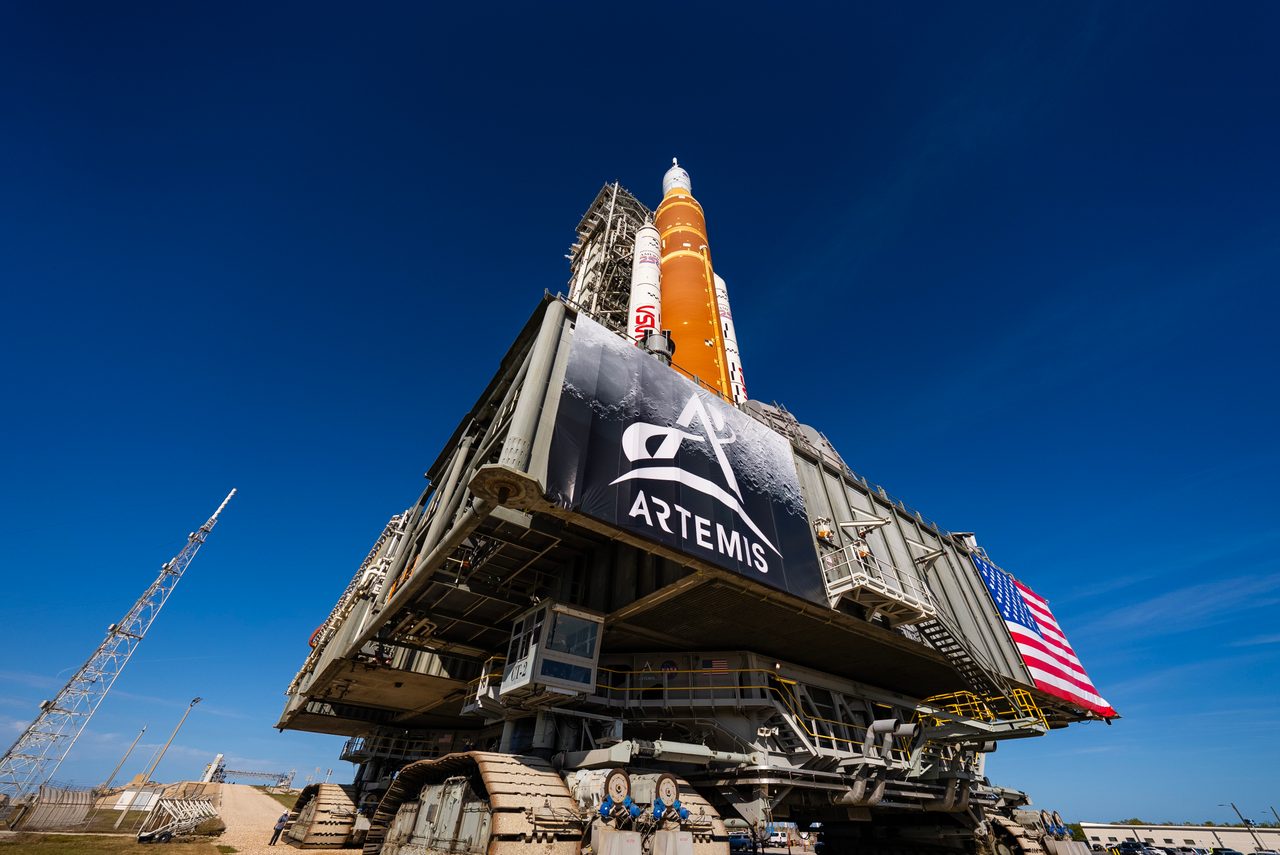
Comprehensive Guide to Every Active Launch Vehicle
Explore the full range of active launch vehicles, their capabilities, and their roles in deploying satellites and other payloads into orbit.

Understanding Low Earth Orbit: The Busiest Region in Space
Low Earth Orbit (LEO) is the most congested region in space, with over 18,000 active satellites and a significant amount of debris.