Space News Mission Log — Satellite Launches, Orbital Events & Analysis
Daily space news, satellite launch reports, orbital debris analysis and weekly roundups — grounded in live tracking data from our network monitoring 16 published reports.
Unveiling the Mysteries of a Fire Rainbow Over West Virginia
Explore the captivating fire rainbow over West Virginia, a rare atmospheric phenomenon caused by ice crystals in cirrus clouds refracting sunlight.
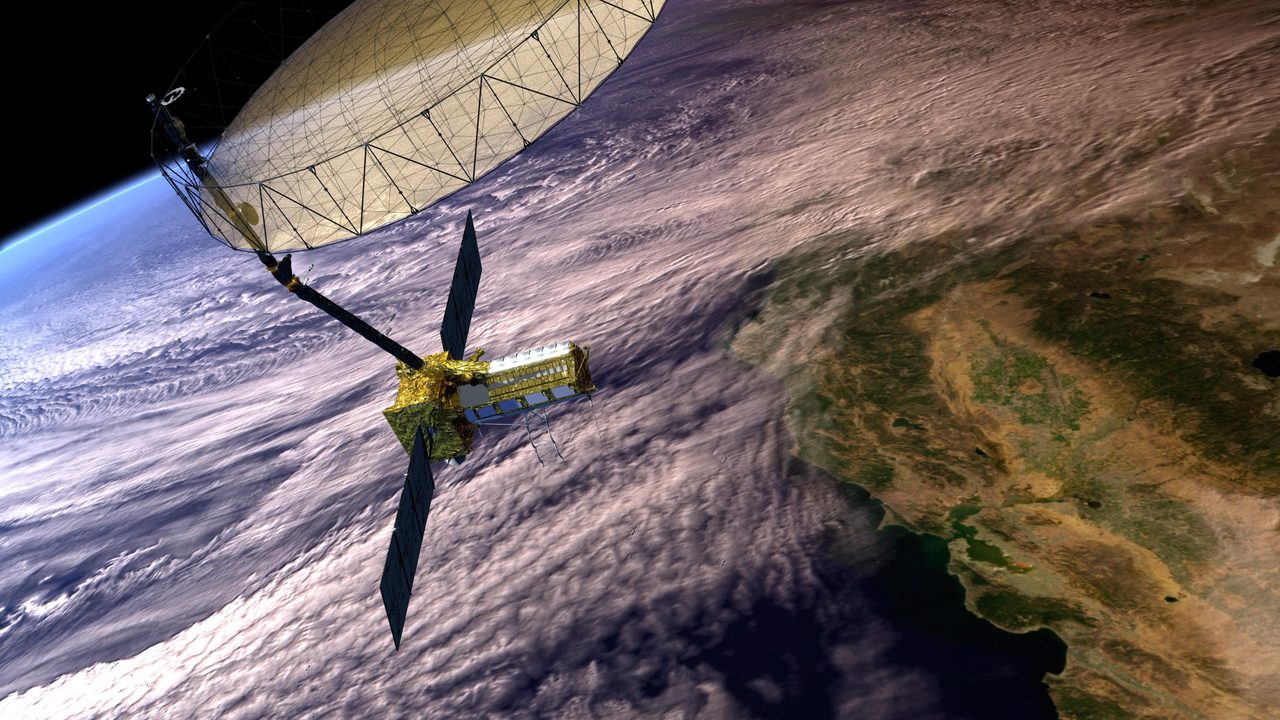
How Satellites Are Tracked: A Comprehensive Guide
Satellites are tracked using radar, optical telescopes, and radio signals, ensuring precise orbital data for over 28,000 objects.

Unveiling Earth's Shadow: A 22-Year Lunar Eclipse Journey
A composite image from 22 years of lunar eclipses reveals Earth's shadow, offering insights into our planet's orbit and atmospheric effects.
Celestial Dance: Jupiter and Venus in Stunning Conjunction
Jupiter and Venus align in a rare celestial event visible worldwide. Discover the science and beauty of this planetary conjunction.
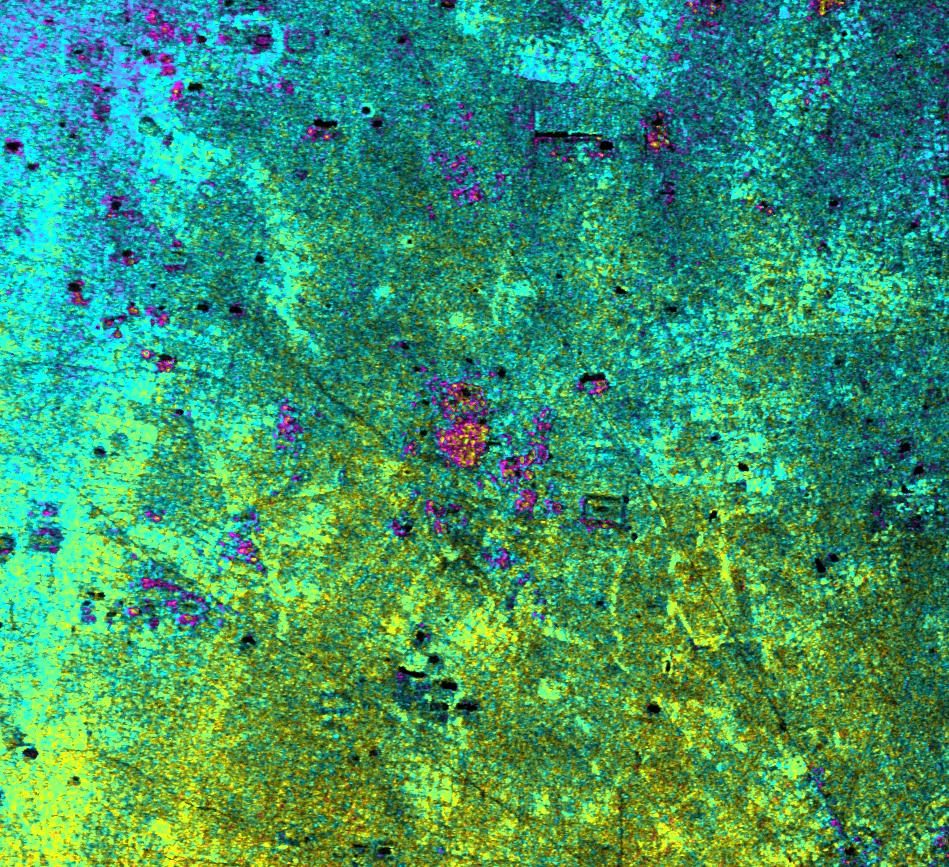
How Do Radar Satellites Work? SAR Explained
Radar satellites illuminate Earth with microwaves rather than waiting for sunlight. Learn how their echoes become images, what SAR reveals and where its limits lie.
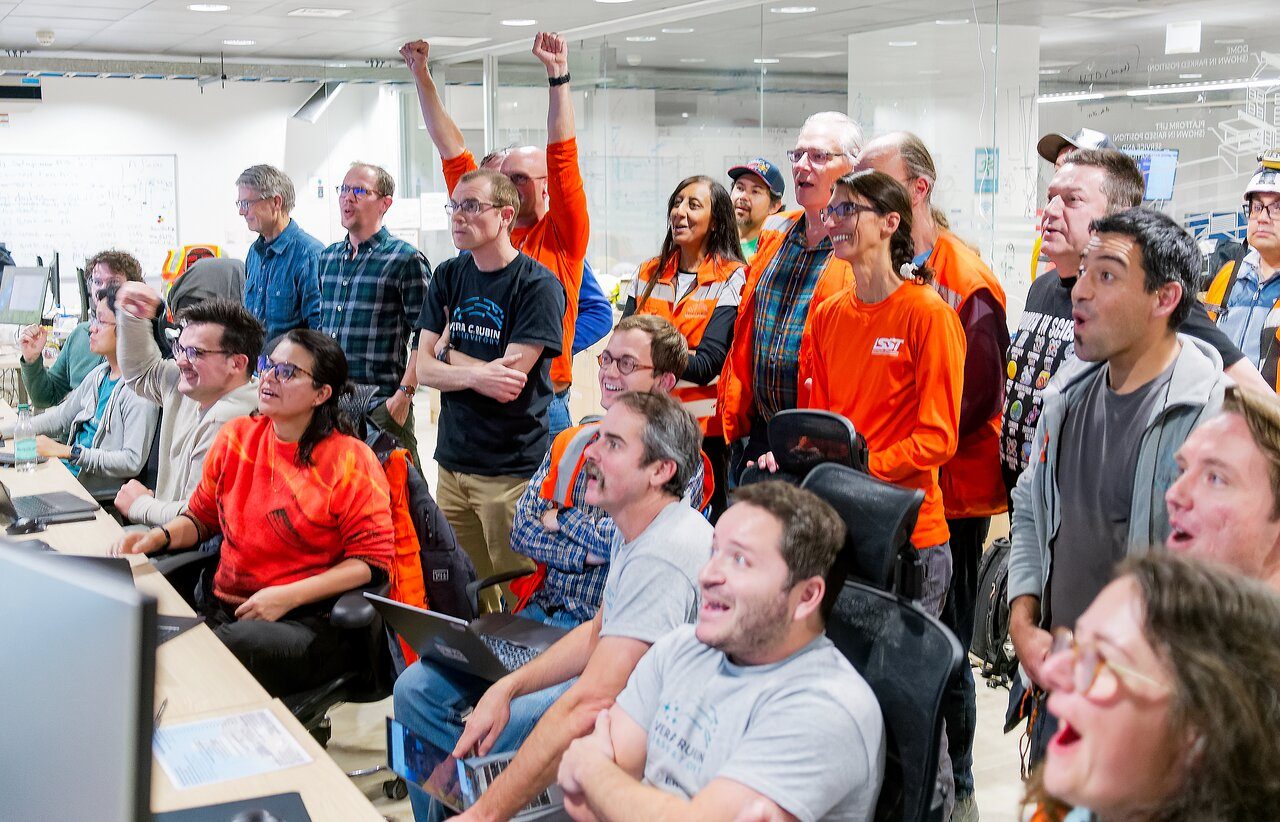
Rubin’s First Photons: Inside the April 2025 Milestone
Rubin Observatory’s first photons arrived on 15 April 2025. This control-room photograph captures the human response to a milestone decades in the making.
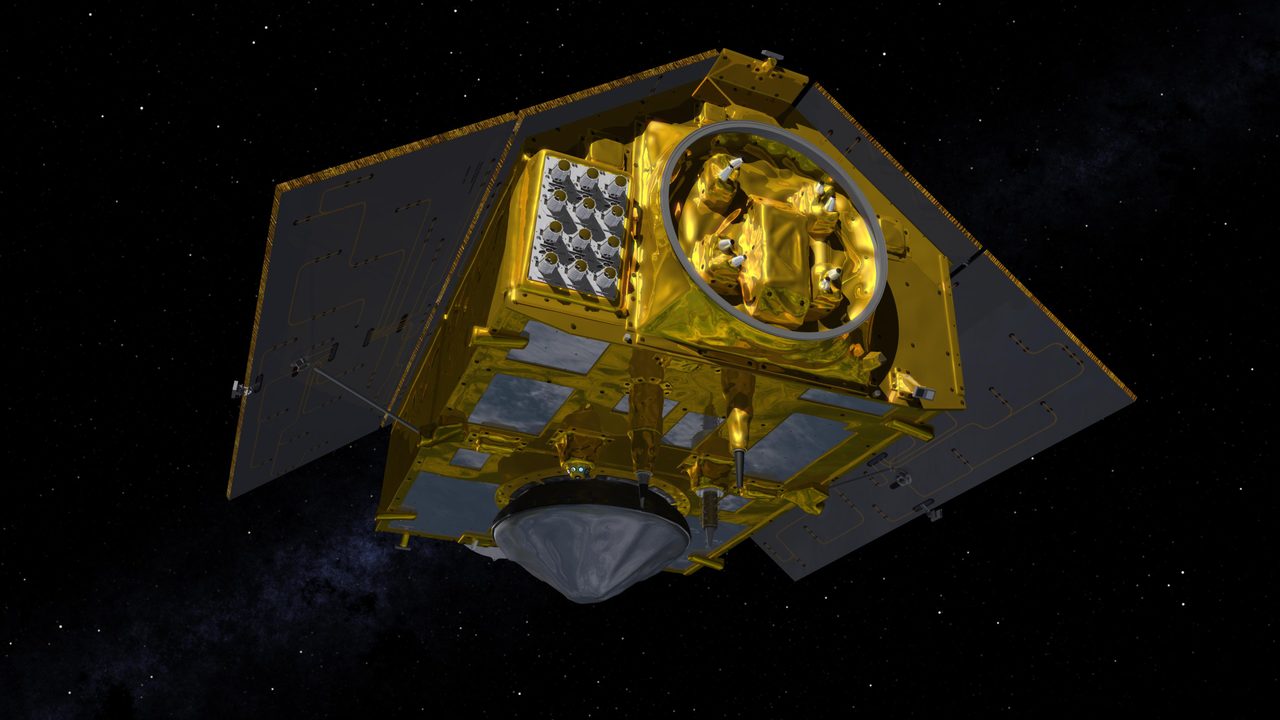
Sentinel-2: Europe's Copernicus imaging workhorse
Sentinel-2 turns repeated, precisely calibrated images of Earth's land into practical evidence about crops, forests, water and natural disasters.
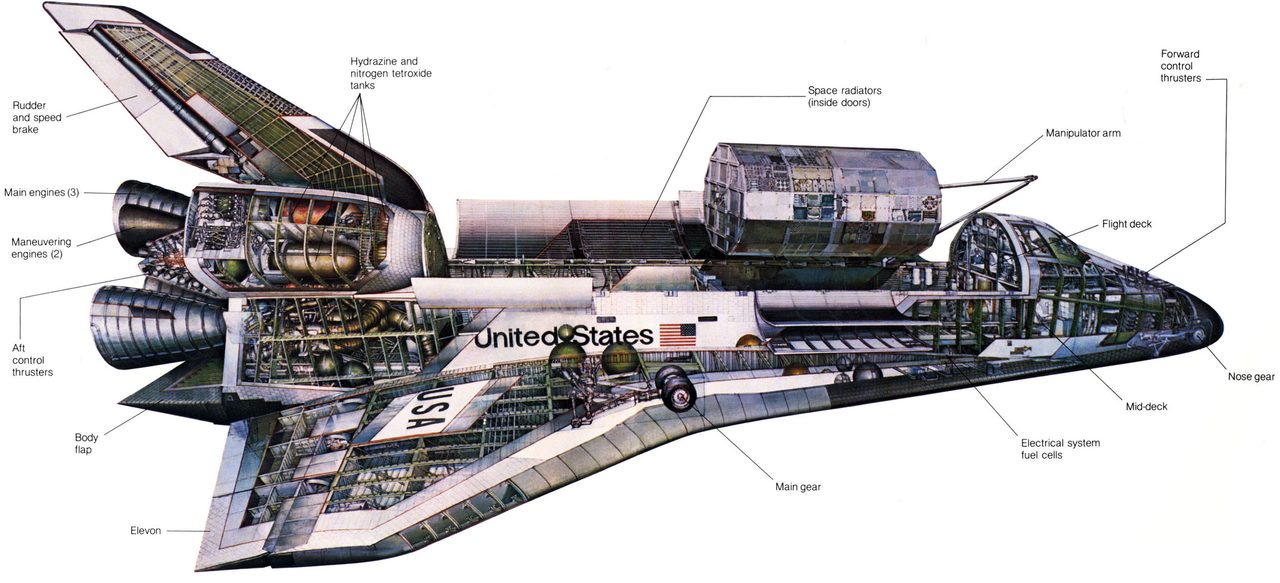
Understanding Uncontrolled Re-entries: Risks and Realities
Uncontrolled re-entry occurs when a satellite or space debris re-enters Earth's atmosphere without precise control, posing potential risks.
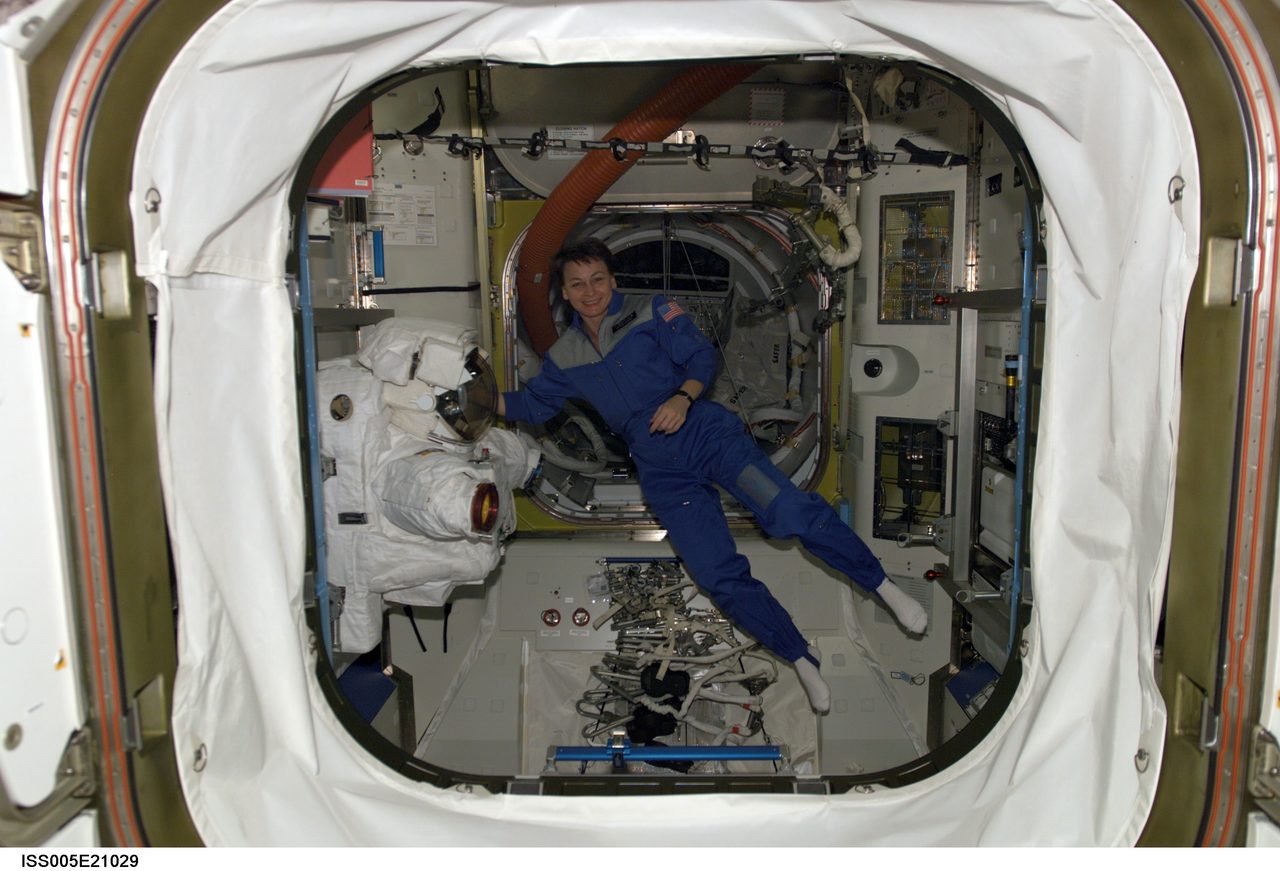
What Happens to Your Body in Space? The Human Effects
Spaceflight changes how bones, muscles, circulation and eyesight work. Explore the risks of long ISS stays, the countermeasures crews use and what recovery involves.
Sun-Synchronous Orbit: How Satellites Keep Consistent Light
Sun-synchronous satellites use Earth's equatorial bulge to keep a consistent solar schedule. Learn how the orbit works, why imaging missions use it and what it cannot guarantee.
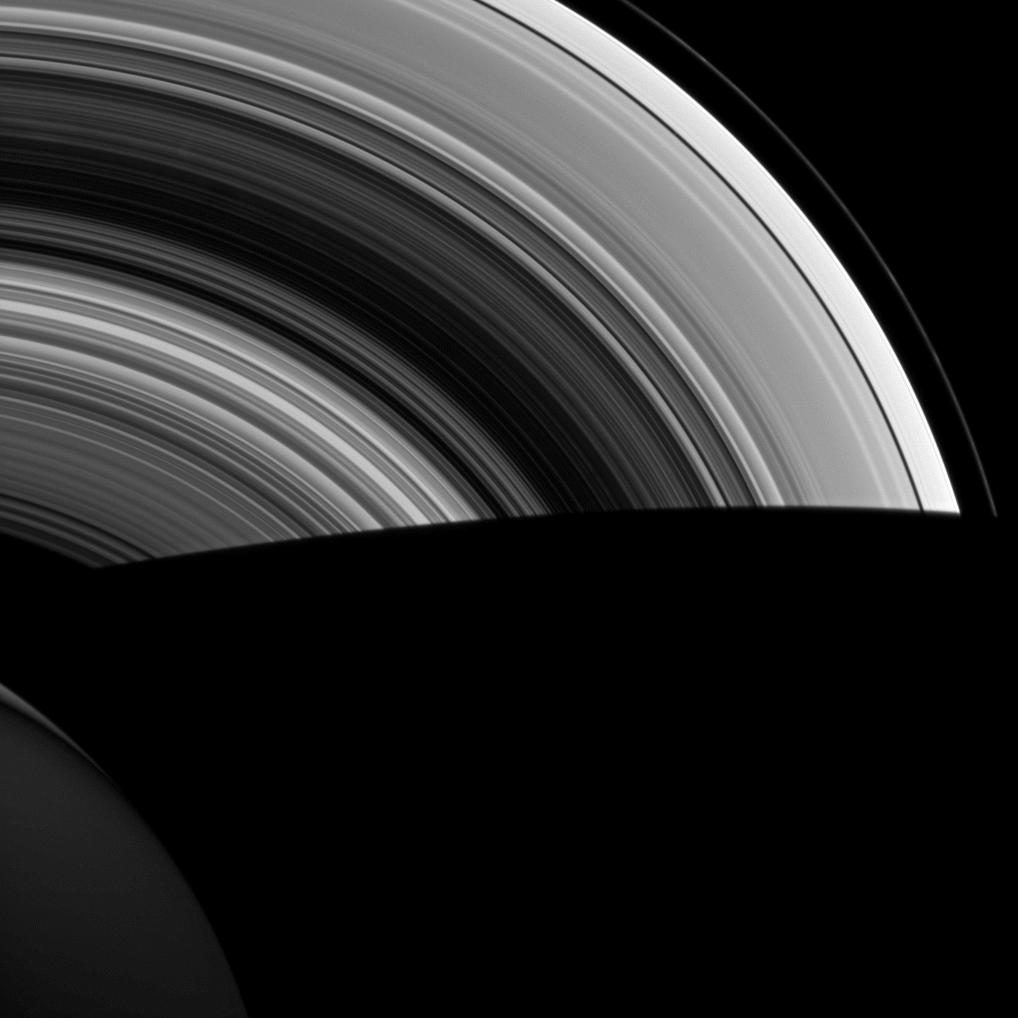
Space Traffic Management: A Comprehensive Guide
Space traffic management ensures safe and efficient use of Earth's orbits, crucial for maintaining over 15,803 active satellites.
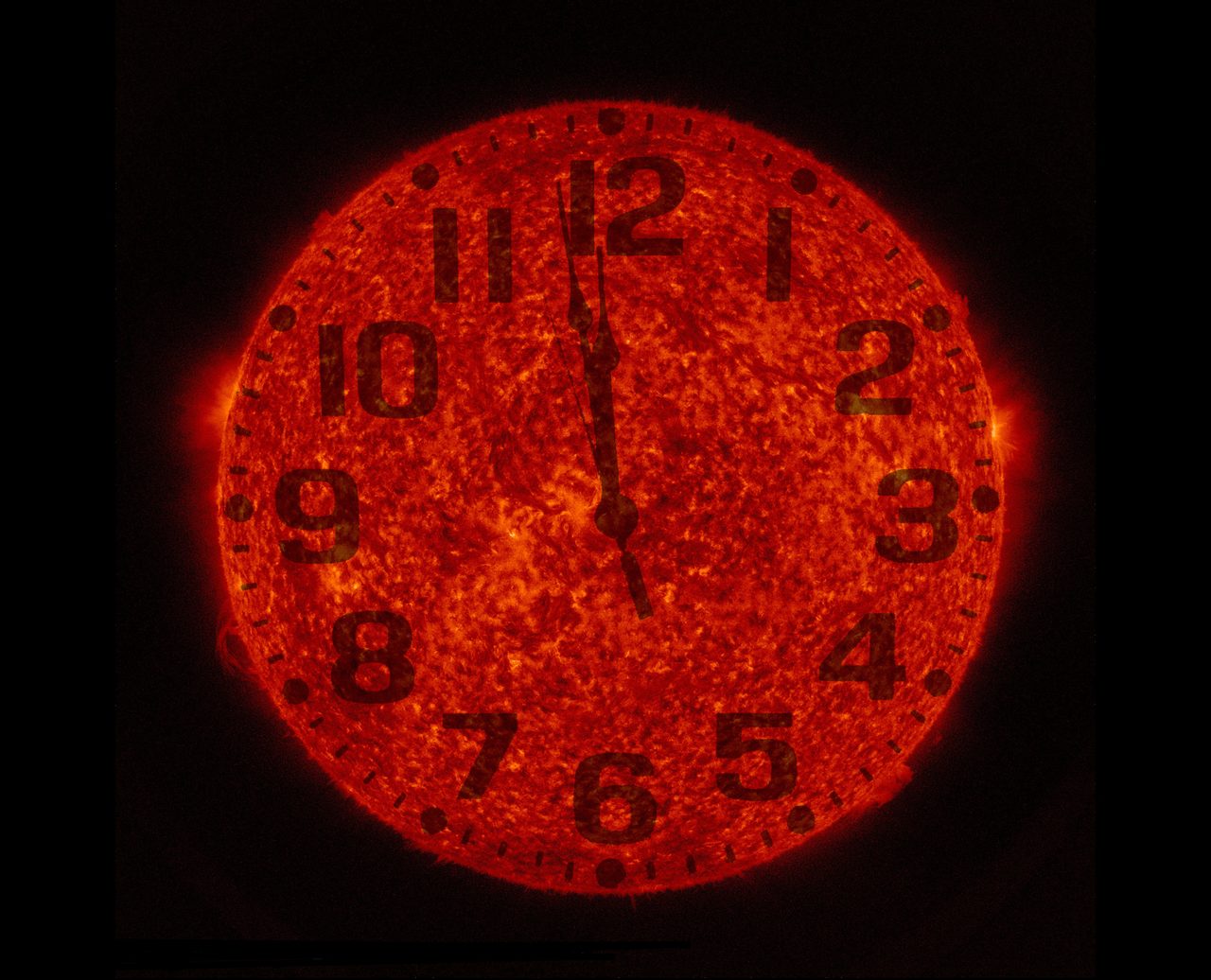
Understanding Satellite Collision Avoidance and Conjunction Assessment
Satellite collision avoidance involves predicting and preventing potential collisions between orbiting objects using conjunction assessments.