Understanding Satellite Collision Avoidance and Conjunction Assessment
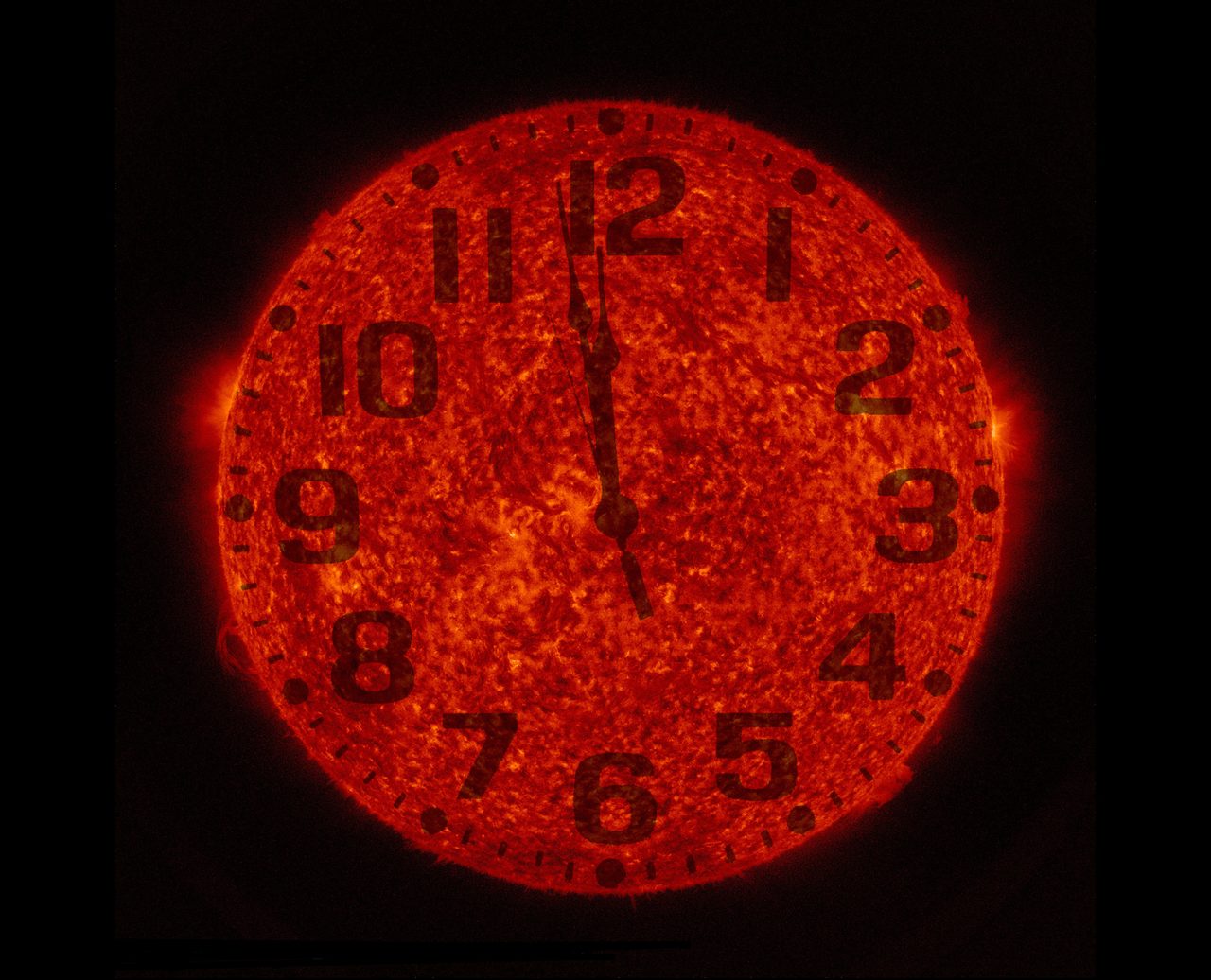
Satellite collision avoidance involves predicting and preventing potential collisions between orbiting objects using conjunction assessments.
Satellite collision avoidance is a critical process in space operations, involving the prediction and prevention of potential collisions between orbiting objects. With over 29,435 catalogued objects, including active satellites and debris, the risk of collision is a significant concern. Conjunction assessment is the primary method used to identify close approaches between objects in orbit, enabling operators to take preventive measures.
What is Conjunction Assessment?
Conjunction assessment refers to the analysis of potential close approaches between two or more space objects. This process involves calculating the probability of collision and determining whether a manoeuvre is necessary to avoid impact. With approximately 18,045 active satellites, including 9,807 Starlink satellites, conjunction assessments are crucial for maintaining safe distances between spacecraft. The data for these assessments is often sourced from the United States Space Surveillance Network, which tracks objects using radar and optical sensors.
How Does Collision Avoidance Work?
Collision avoidance begins with the detection of a potential conjunction, which is a predicted close approach between two objects. Once identified, operators assess the risk and decide on the best course of action. This may involve adjusting the satellite's orbit to increase separation distance. The decision-making process is supported by tools like the Orbital Radar Academy, which provides educational resources on conjunctions.
Why is Collision Avoidance Important?
Avoiding collisions is vital to prevent the creation of additional space debris, which can exacerbate the existing problem of congestion in orbit. With 8,888 pieces of tracked debris and 1,837 rocket bodies, the orbital environment is already cluttered. Collisions can lead to a cascade effect, known as the Kessler Syndrome, where debris from one collision triggers further collisions. Effective collision avoidance ensures the longevity and safety of space operations.
Conjunction Assessment vs. Debris Monitoring
While conjunction assessment focuses on predicting and preventing close approaches, debris monitoring involves tracking and cataloguing space debris. The Orbital Radar Conjunction page explains the differences in detail. Debris monitoring is a continuous process that provides data for conjunction assessments, ensuring that operators have the information needed to make informed decisions.
Key Takeaways
Satellite collision avoidance is essential for maintaining the safety and sustainability of space operations. Through conjunction assessments, operators can predict and prevent potential collisions, reducing the risk of creating additional debris. With a growing number of active satellites, including the extensive Starlink constellation, effective collision avoidance strategies are more important than ever.
Frequently Asked Questions
What is a conjunction in space?
How often do satellite collisions occur?
What tools are used for conjunction assessment?
How does space debris affect satellite operations?
What is the Kessler Syndrome?
📎 Cite this article
Orbital Radar Newsroom. (2026). Understanding Satellite Collision Avoidance and Conjunction Assessment. Orbital Radar. https://orbitalradar.com/blog/conjunction-assessment-explained"Understanding Satellite Collision Avoidance and Conjunction Assessment." Orbital Radar, 21 May 2026, https://orbitalradar.com/blog/conjunction-assessment-explained.@misc{orbitalradar_conjunction_assessment_explained,
title = {Understanding Satellite Collision Avoidance and Conjunction Assessment},
author = {{Orbital Radar}},
year = {2026},
howpublished = {\url{https://orbitalradar.com/blog/conjunction-assessment-explained}}
}