Space News Mission Log — Satellite Launches, Orbital Events & Analysis
Daily space news, satellite launch reports, orbital debris analysis and weekly roundups — grounded in live tracking data from our network monitoring 132 published reports.
Understanding Space Sustainability: Challenges and Solutions
Space sustainability ensures the long-term health of Earth's orbital environment by managing debris and satellite operations.
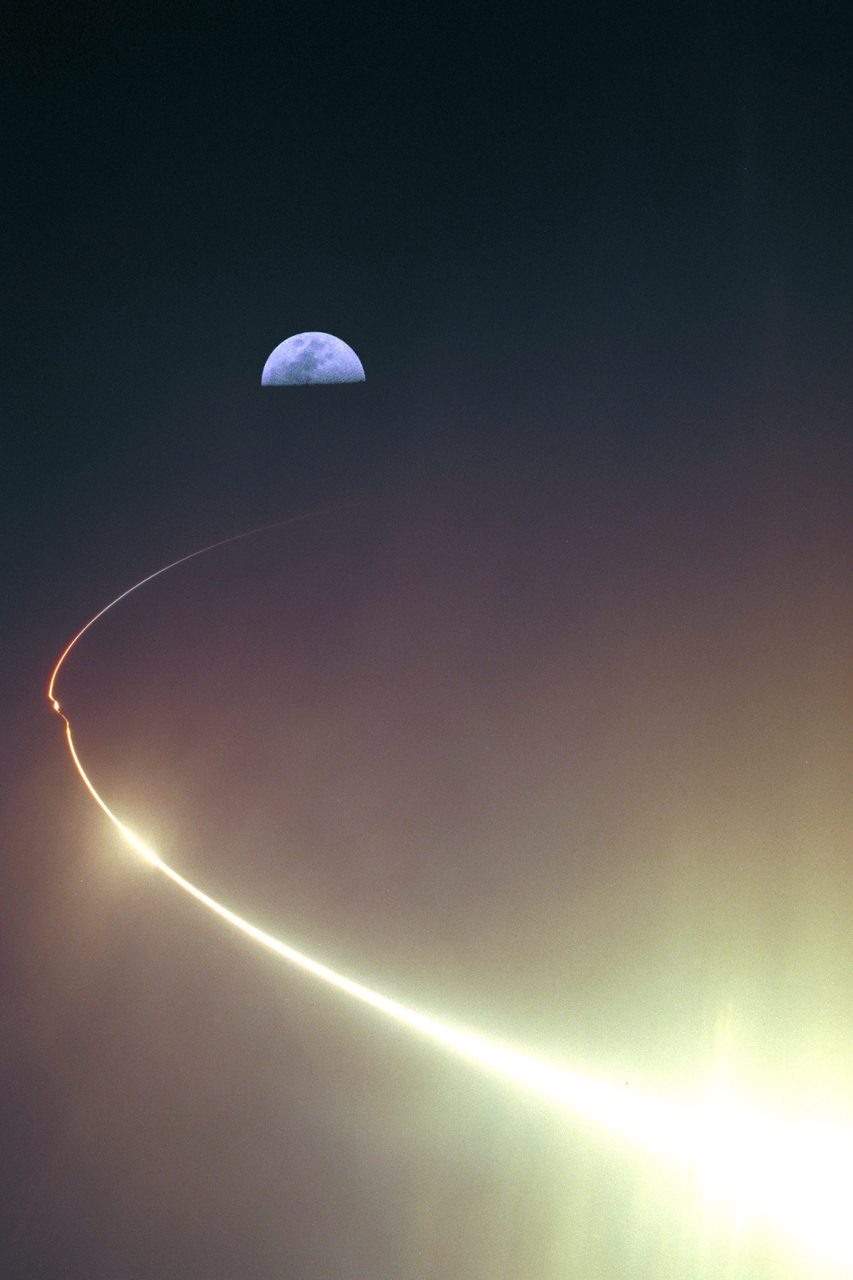
The World's Spaceports: Comprehensive Launch Sites Guide
Spaceports are crucial launch sites for rockets entering orbit. Discover key locations and their roles in global space exploration.
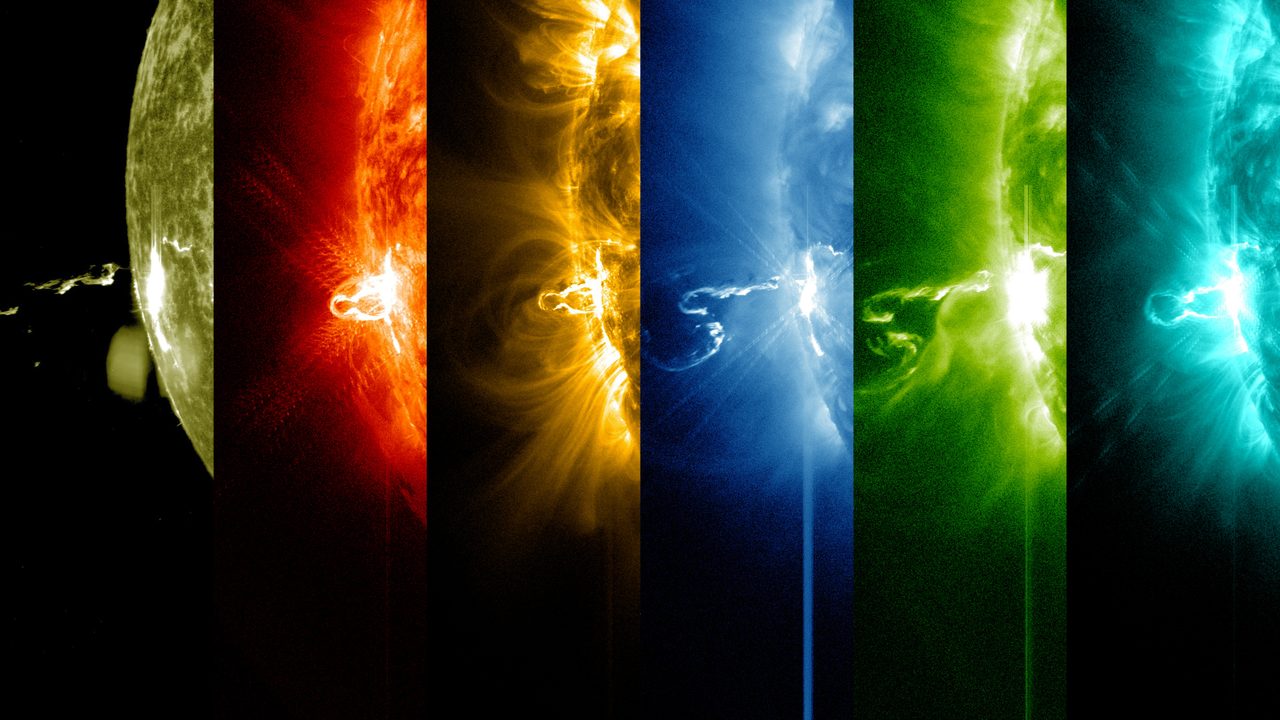
Space Weather Effects: Understanding Solar Storms and Their Impact
Space weather refers to the environmental conditions in space as influenced by the Sun, impacting satellites, communication systems, and Earth's magnetic field.
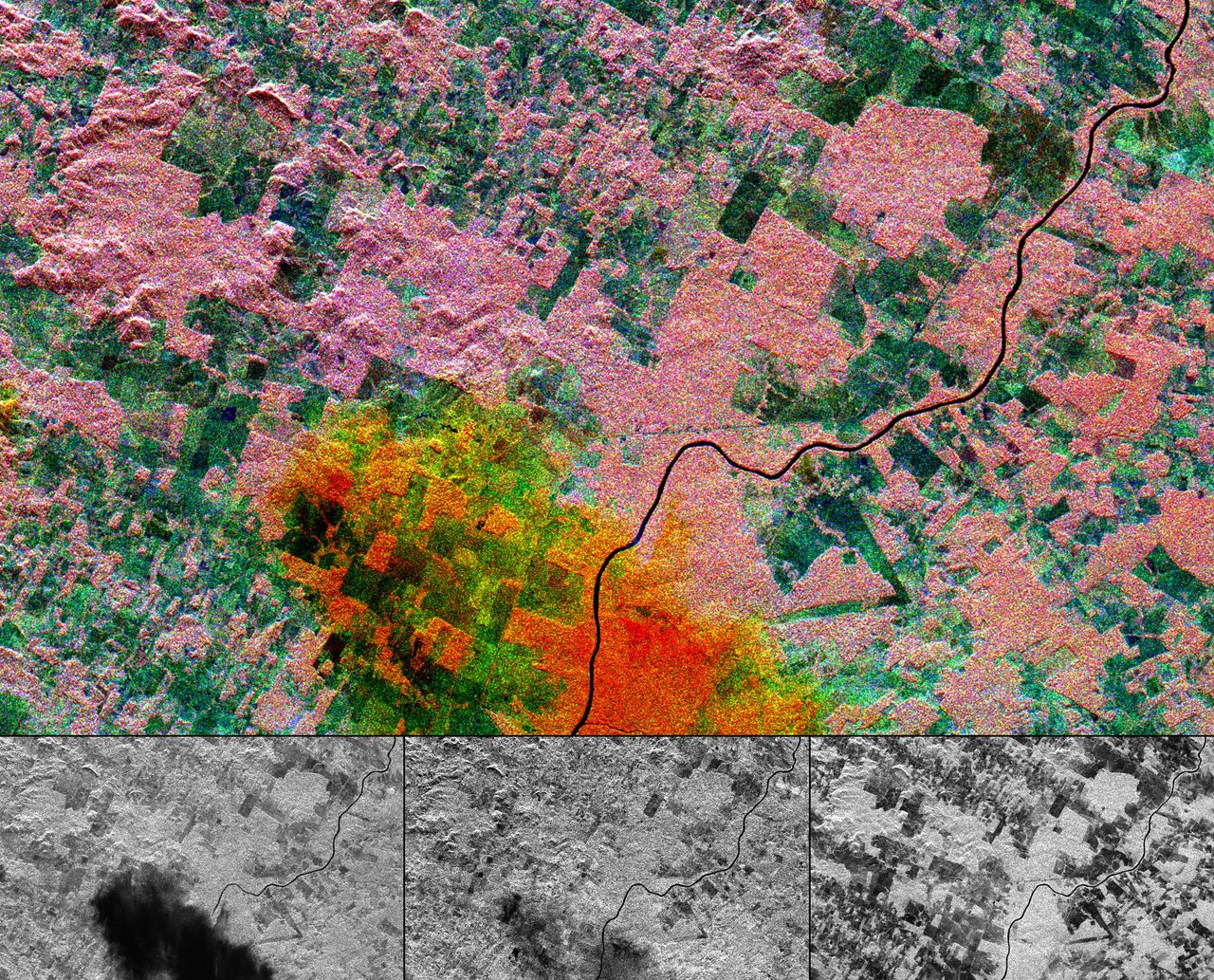
Understanding the Space Fence: Tracking Earth's Orbital Objects
The Space Fence radar system tracks over 28,000 objects in Earth's orbit, from satellites to debris, ensuring space safety.

Understanding Kessler Syndrome: Space Debris Chain Reaction
Kessler Syndrome describes a scenario where space debris collisions create a self-sustaining cascade, threatening orbital operations.

Space Debris: Understanding the Growing Threat in Orbit
Space debris refers to defunct human-made objects in orbit that pose collision risks to spacecraft and satellites.
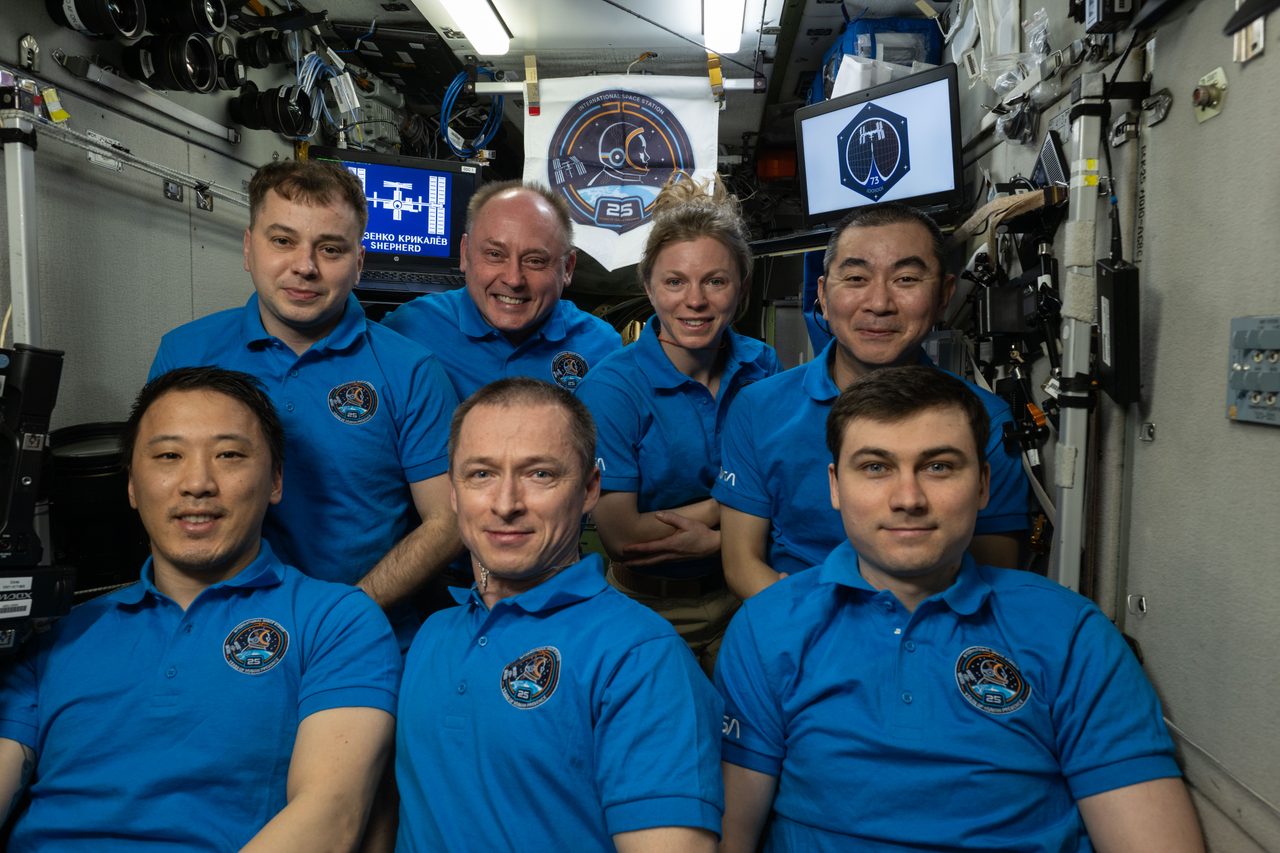
ISS: 25+ Years of Continuous Human Presence
The International Space Station (ISS) is a modular space station in low Earth orbit. It serves as a microgravity and space environment research laboratory where scientific research is conducted in astrobiology, astronomy, meteorology, physics, and other fields.
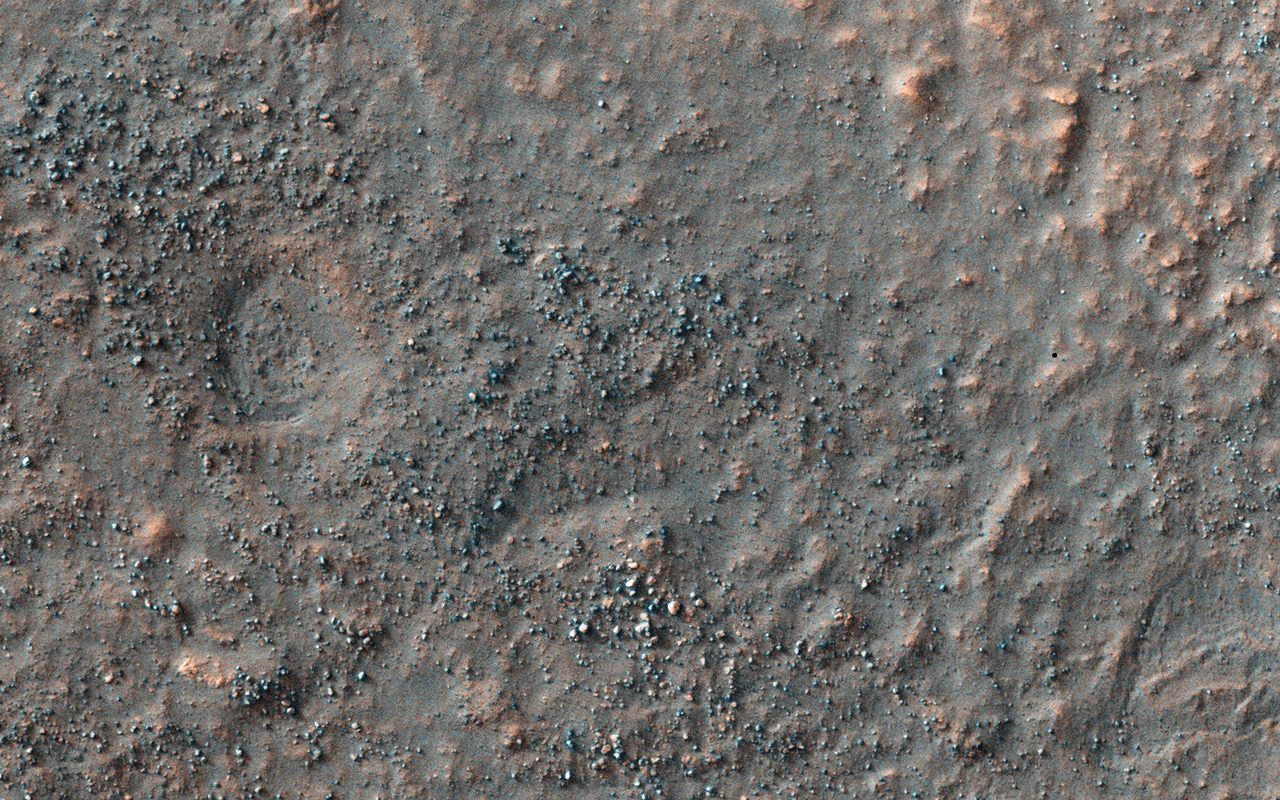
Graveyard Orbits: Final Resting Place for Satellites
Graveyard orbits are designated zones where inactive satellites are moved to minimise space debris. Discover their importance and function.
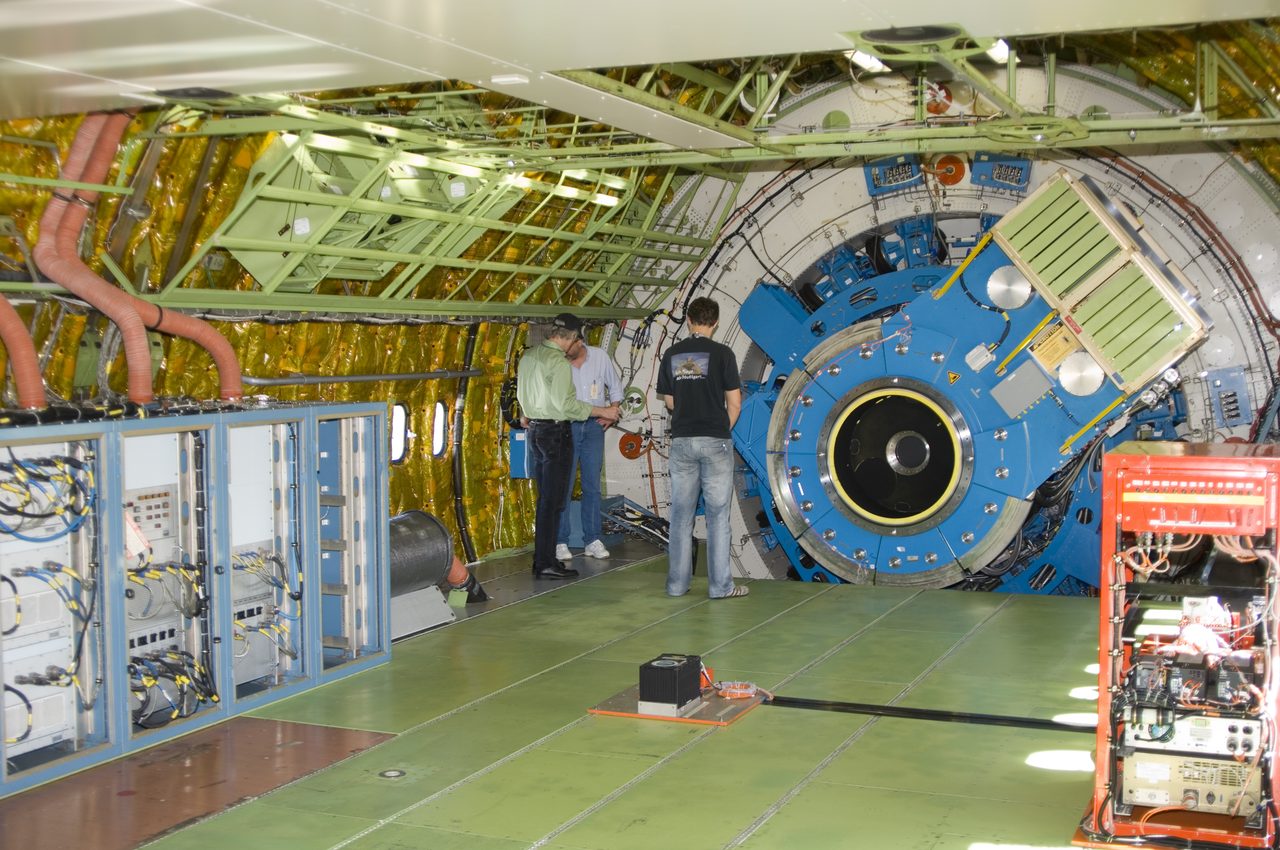
James Webb Space Telescope: Current Location and Orbit
The James Webb Space Telescope is positioned at the second Lagrange point (L2), approximately 1.5 million kilometres from Earth, providing a stable environment for deep space observations.
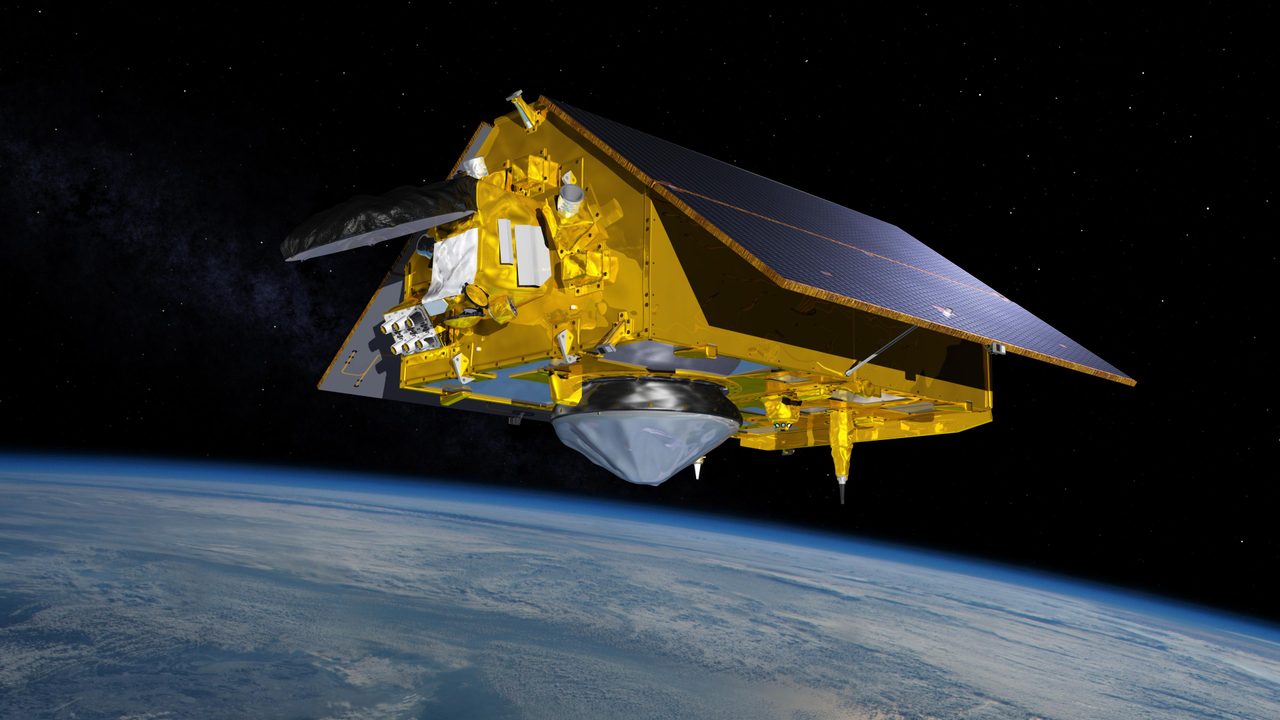
Understanding Orbital Decay: Why Satellites Fall to Earth
Orbital decay occurs when a satellite's orbit decreases over time due to atmospheric drag and gravitational forces, eventually leading to re-entry.
Collision Avoidance Manoeuvres: Essential Guide for Space Safety
Collision avoidance involves manoeuvres to prevent satellites from colliding with space debris or other objects.
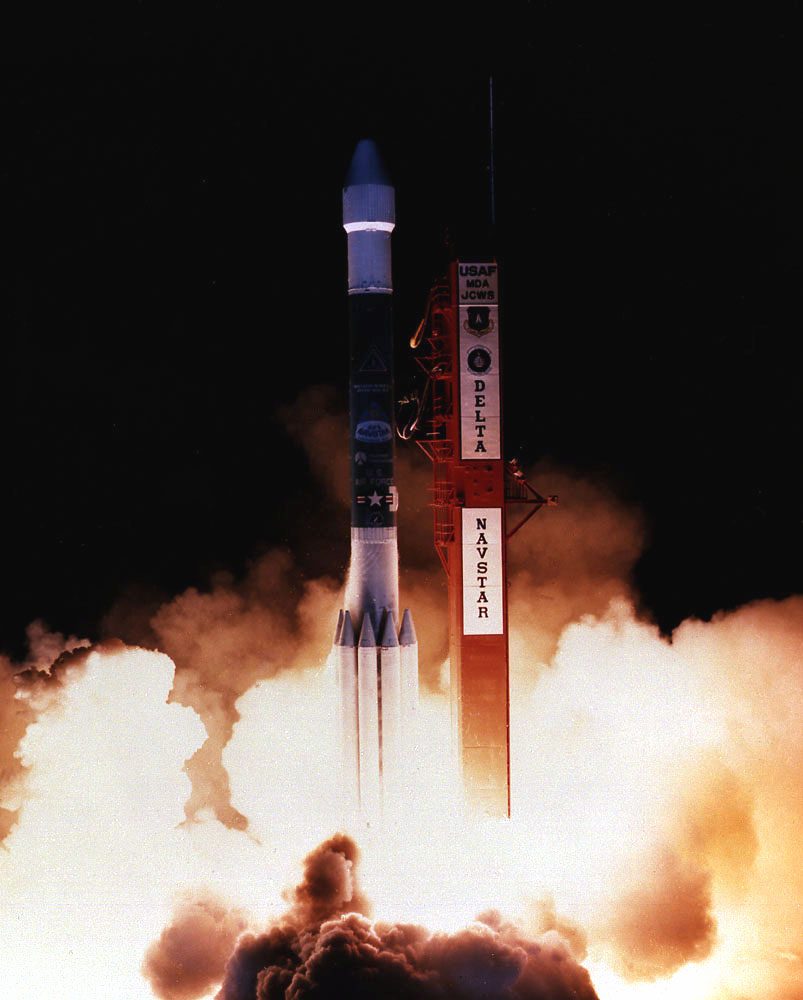
Military Satellites: Comprehensive Guide to Their Role and Function
Military satellites are spacecraft used for defence and intelligence. They play crucial roles in communication, navigation, and surveillance.