Witness the Birth of a Galaxy Cluster: Insights from TNG50
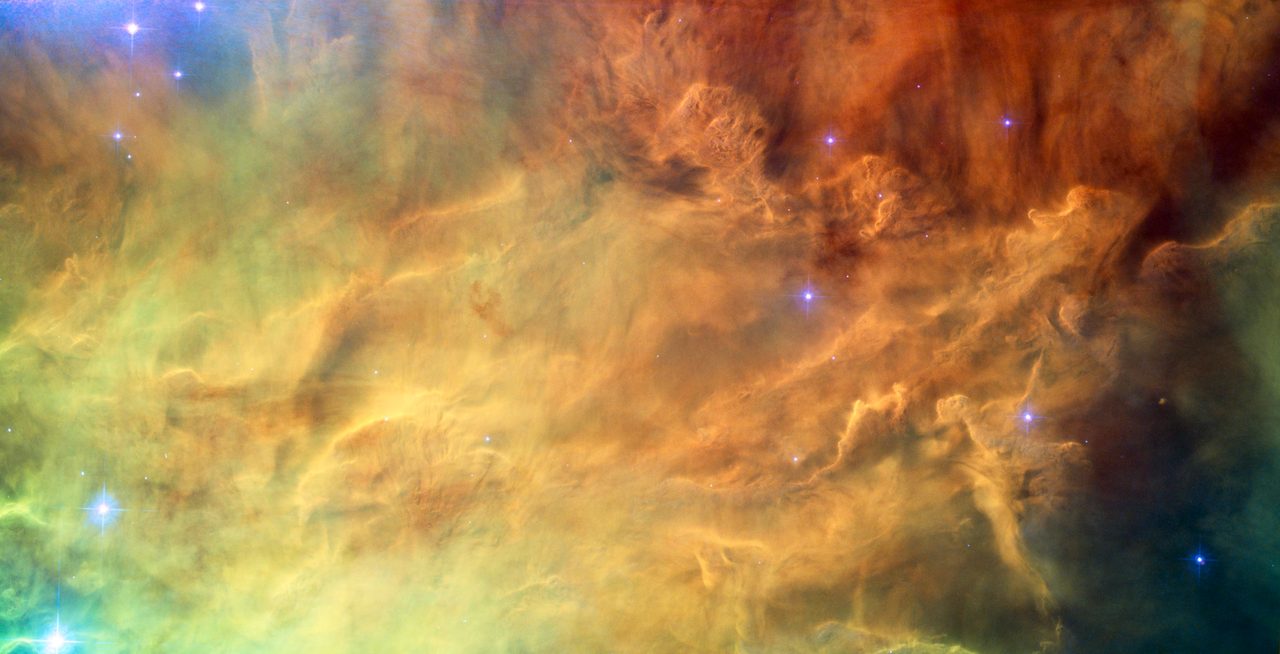
TNG50 simulation unveils galaxy cluster formation, shedding light on cosmic evolution and black hole dynamics.
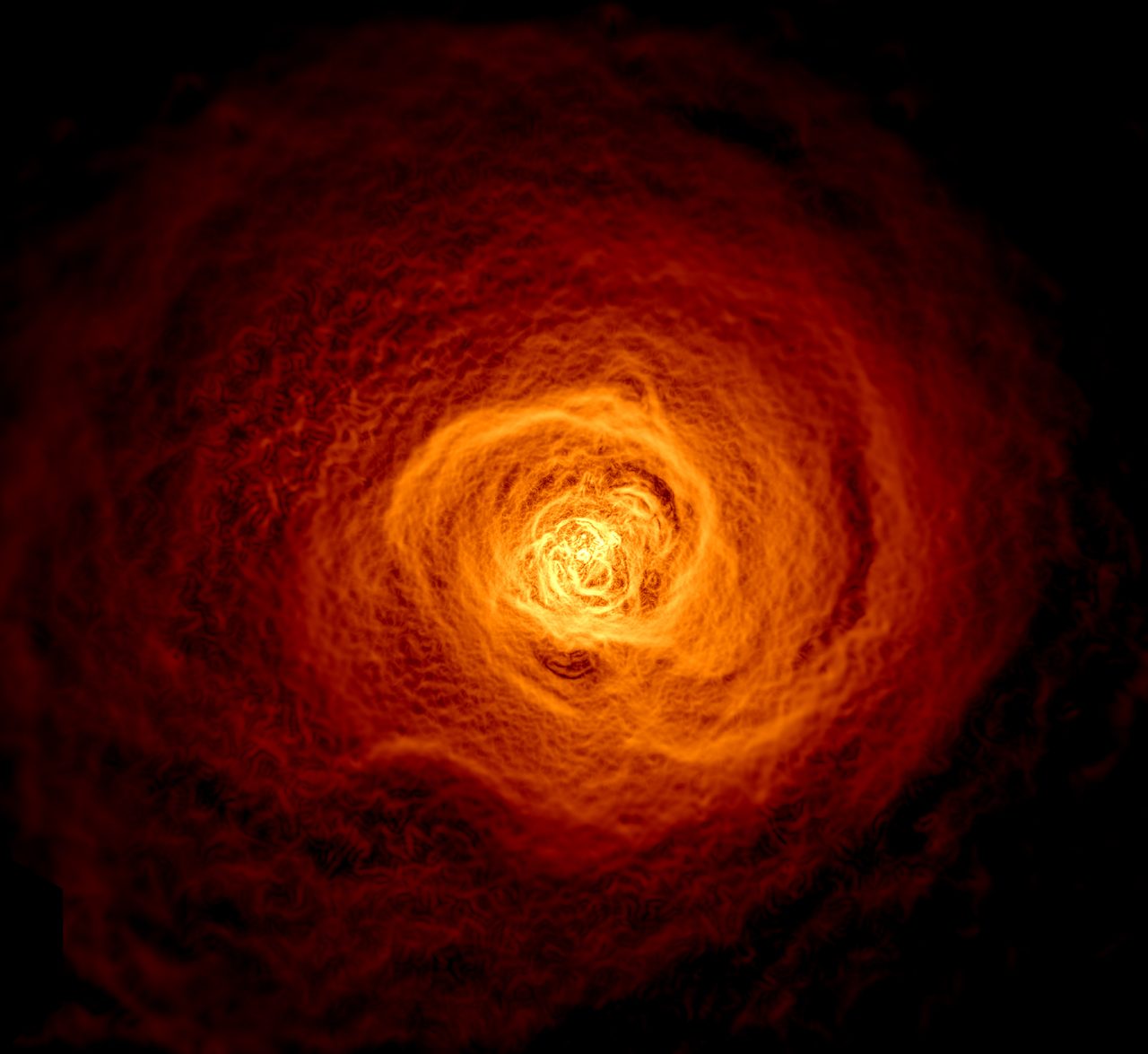
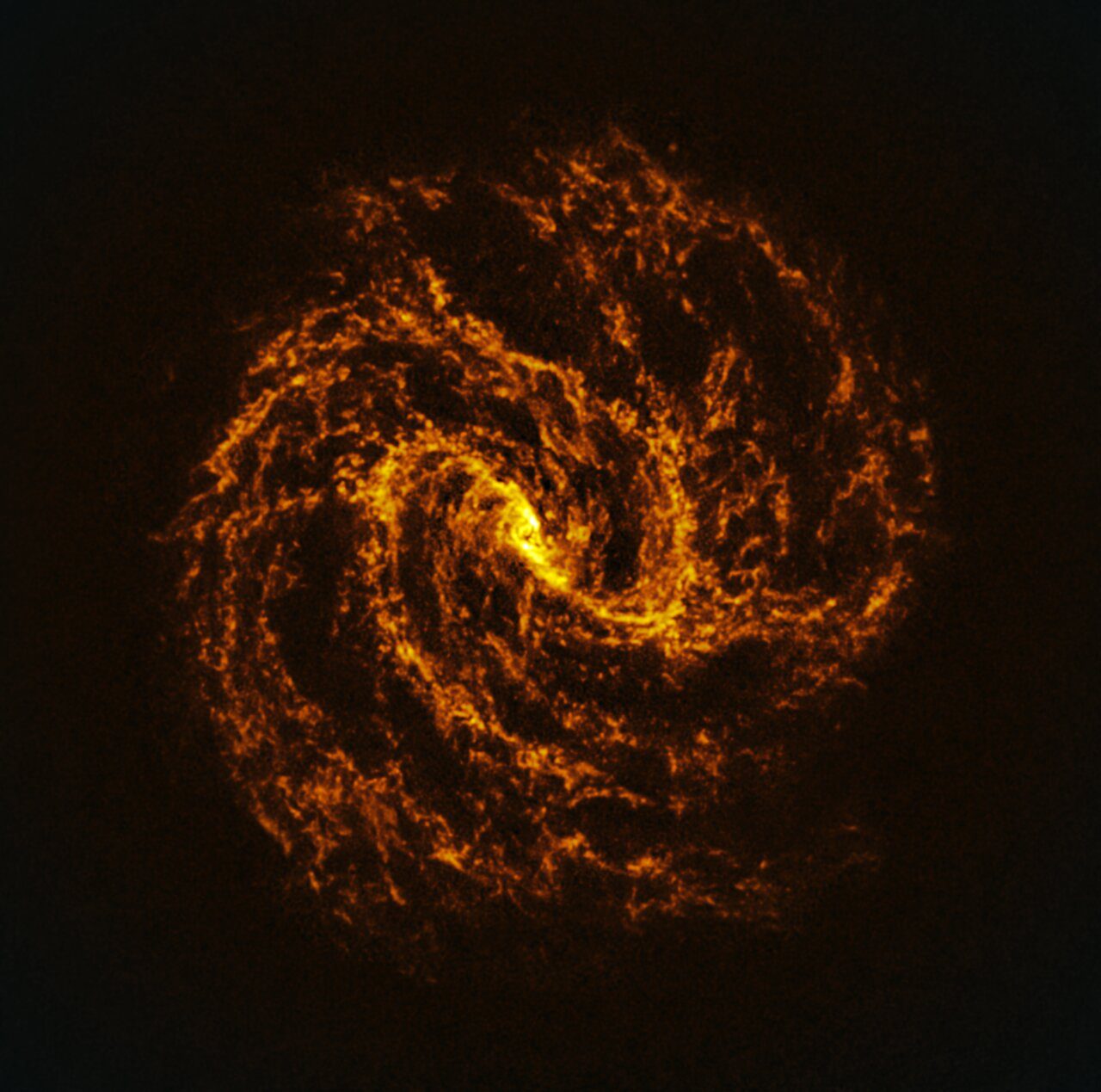
The TNG50 simulation, part of the IllustrisTNG project, offers a remarkable glimpse into the formation of galaxy clusters, a process too slow to observe directly. This computer-generated model tracks the evolution of cosmic gas, predominantly hydrogen, from the early universe to the present day. It visualises how gas falls into gravitational wells, forming galaxies that spin, collide, and merge. Black holes at galaxy centres play a pivotal role, expelling surrounding gas at high velocities, a phenomenon that the simulation captures with intricate detail.
Connecting Simulations to Reality
The insights gained from TNG50 are invaluable for understanding the universe's evolution. By comparing the simulation's outcomes with real astronomical observations, scientists can refine their models of galaxy formation and black hole dynamics. This research has broader implications, helping us comprehend the processes that led to the formation of our own Solar System. With over 18,000 active satellites currently in orbit, as tracked by Orbital Radar's Satellite Library, the study of cosmic phenomena remains a vital part of expanding our knowledge of space.
Observing the Universe's Evolution
While direct observation of galaxy cluster formation is beyond our reach, simulations like TNG50 bridge the gap between theory and reality. For those interested in observing the night sky, the Pass Predictor tool can help identify visible satellite passes, providing a practical connection to the celestial dynamics that simulations aim to replicate.
Frequently Asked Questions
What is the TNG50 simulation?
Why are galaxy cluster simulations important?
📎 Cite this article
Orbital Radar Newsroom. (2026). Witness the Birth of a Galaxy Cluster: Insights from TNG50. Orbital Radar. https://orbitalradar.com/blog/cosmic-gallery-2026-07-26"Witness the Birth of a Galaxy Cluster: Insights from TNG50." Orbital Radar, 27 July 2026, https://orbitalradar.com/blog/cosmic-gallery-2026-07-26.@misc{orbitalradar_cosmic_gallery_2026_07_26,
title = {Witness the Birth of a Galaxy Cluster: Insights from TNG50},
author = {{Orbital Radar}},
year = {2026},
howpublished = {\url{https://orbitalradar.com/blog/cosmic-gallery-2026-07-26}}
}