Witness the Birth of Galaxies: Insights from TNG50 Simulation
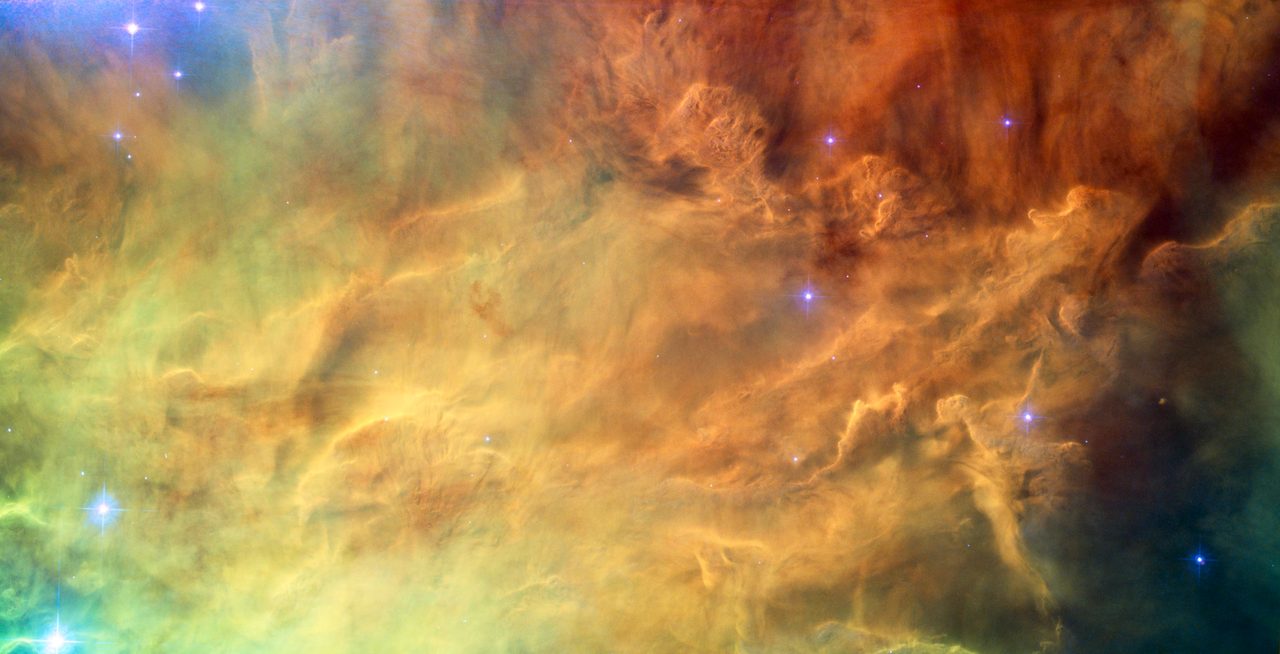
The TNG50 simulation provides a window into galaxy cluster formation, revealing the dynamic processes shaping the universe from gas to galaxies.
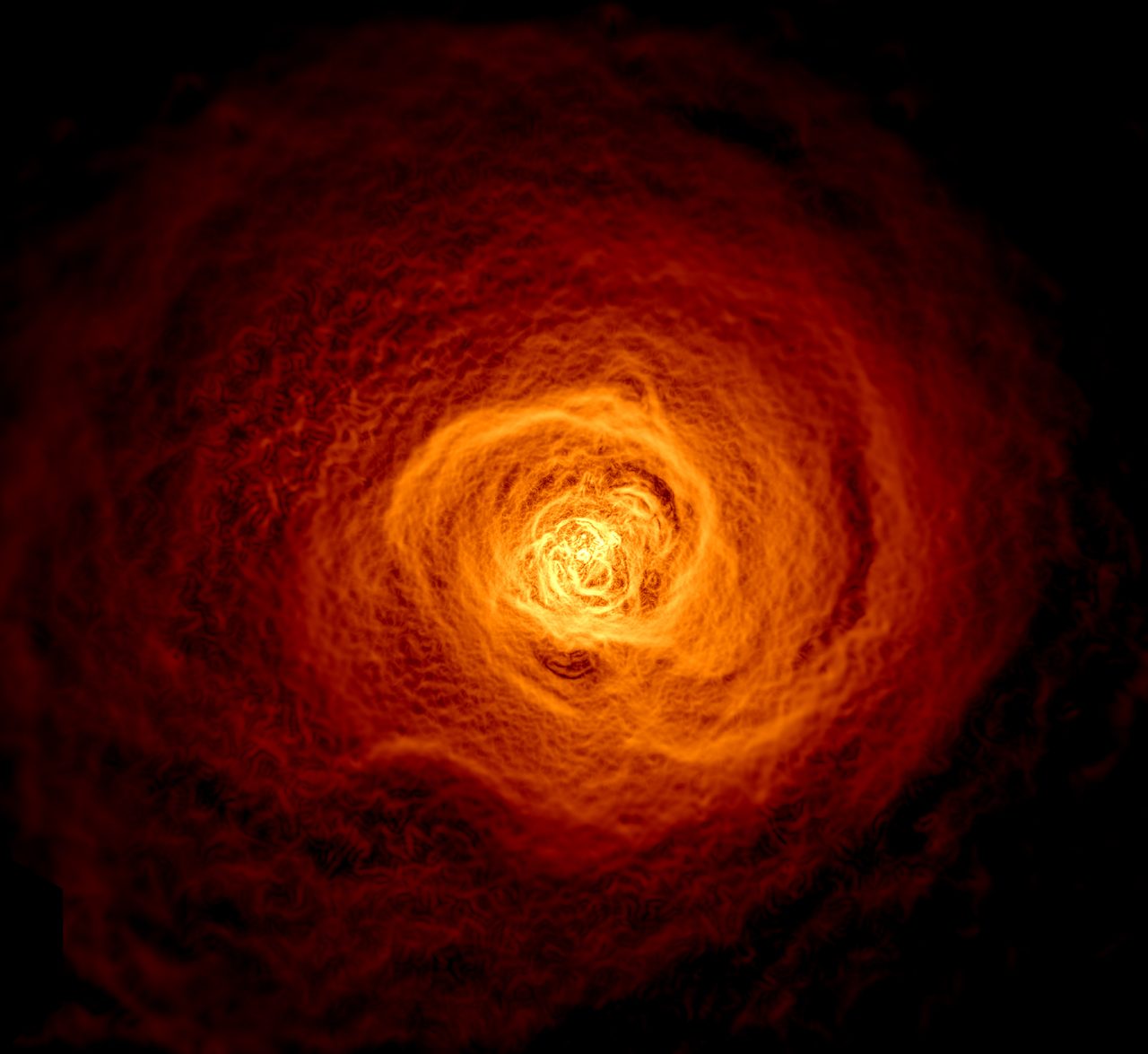
The TNG50 simulation, an advanced iteration of the Illustris project, offers a captivating glimpse into the formation of galaxy clusters. This digital model allows scientists to observe cosmic gas, primarily hydrogen, evolving into galaxies over billions of years. By accelerating these processes, the simulation reveals how gravitational forces shape the universe, with gas collapsing into wells, forming galaxies that spin, collide, and merge. The simulation also highlights the complex interplay of black holes, which not only form at galaxy centres but also eject gas at high velocities, influencing further cosmic evolution.
Connecting Simulations to Reality
The insights from TNG50 are invaluable for understanding the universe's history and the processes that led to the formation of our own Solar System. By comparing the simulation's outcomes with astronomical observations, researchers can refine their models of cosmic evolution. This is crucial for interpreting data from current missions and telescopes, such as the James Webb Space Telescope, which aims to peer into the earliest epochs of the universe. These simulations also enhance our understanding of the dynamics within galaxy clusters, which are among the universe's largest structures.
Explore the Universe with Orbital Radar
While the TNG50 simulation offers a virtual view of the cosmos, you can track real-time celestial events and satellite movements using Orbital Radar's tools. For instance, the Pass Predictor allows you to anticipate visible satellite passes, connecting the theoretical with the observable. Such tools provide a tangible link to the vast processes at play in the universe.
Frequently Asked Questions
What is the TNG50 simulation?
How does TNG50 help astronomers?
📎 Cite this article
Orbital Radar Newsroom. (2026). Witness the Birth of Galaxies: Insights from TNG50 Simulation. Orbital Radar. https://orbitalradar.com/blog/cosmic-gallery-2026-05-11"Witness the Birth of Galaxies: Insights from TNG50 Simulation." Orbital Radar, 11 May 2026, https://orbitalradar.com/blog/cosmic-gallery-2026-05-11.@misc{orbitalradar_cosmic_gallery_2026_05_11,
title = {Witness the Birth of Galaxies: Insights from TNG50 Simulation},
author = {{Orbital Radar}},
year = {2026},
howpublished = {\url{https://orbitalradar.com/blog/cosmic-gallery-2026-05-11}}
}