Twin Galaxies: A Dance of Creation in Pegasus
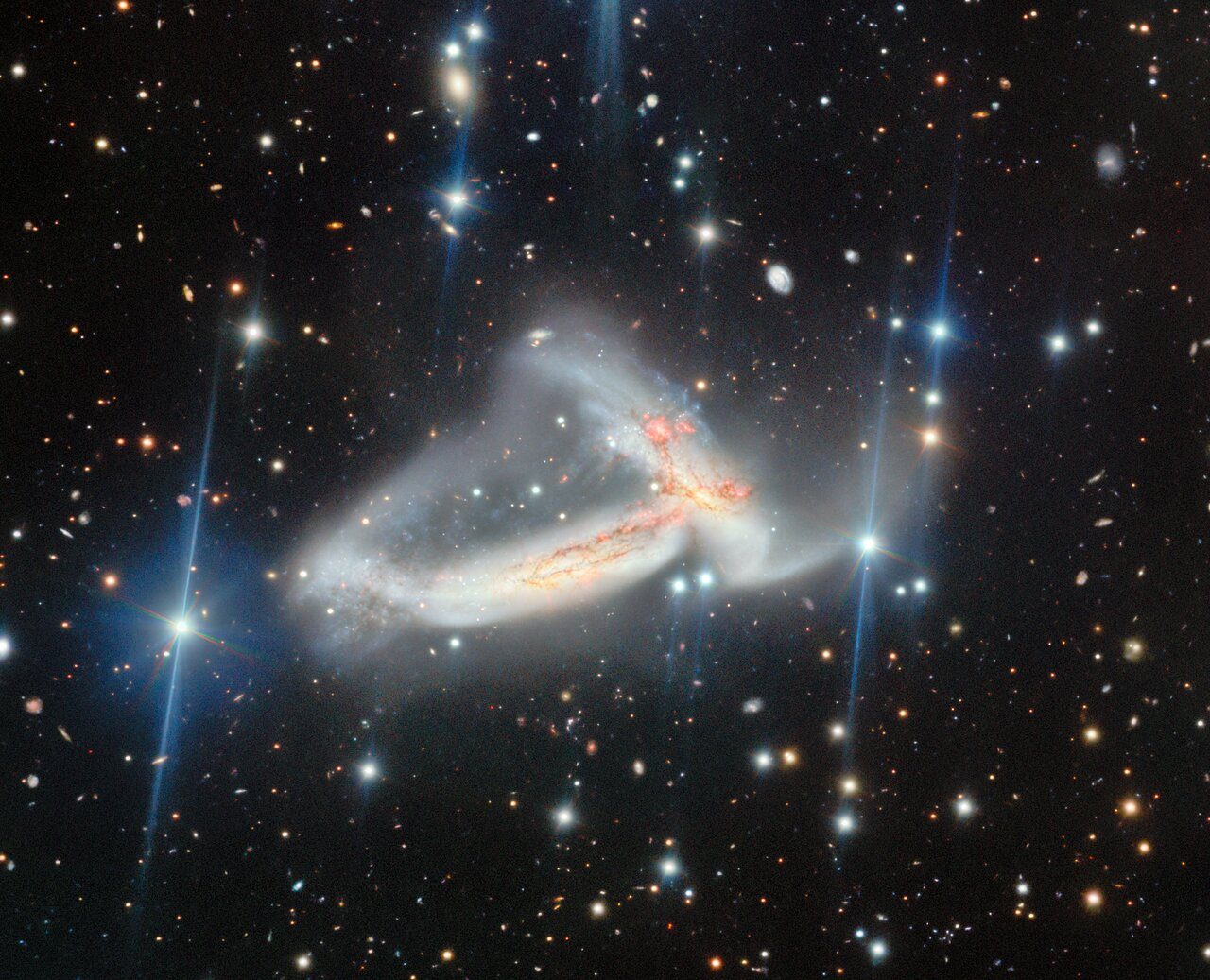
Witness the cosmic embrace of NGC 7253 and Arp 278, two spiral galaxies merging in Pegasus, captured by Gemini North.
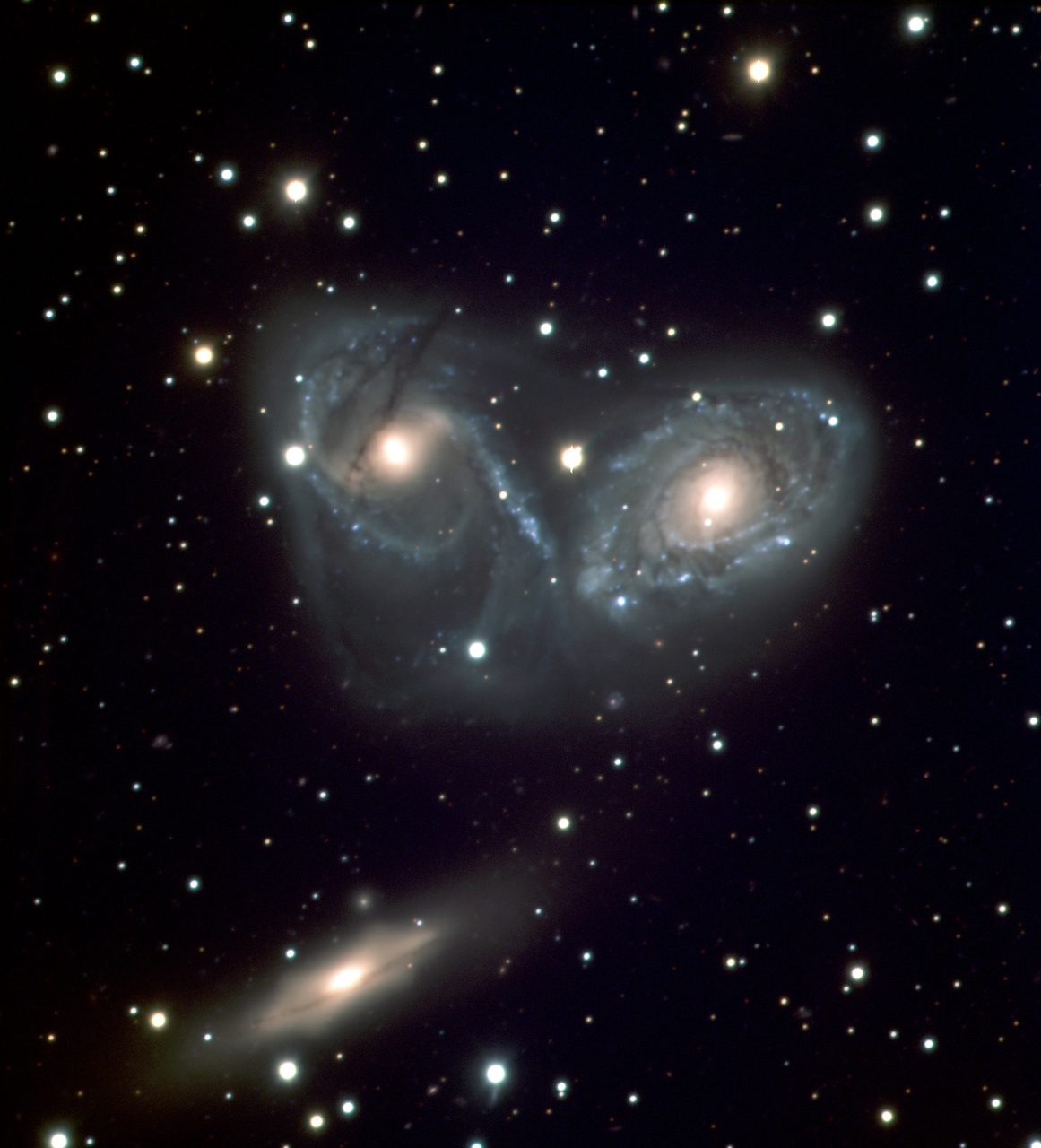
The image titled 'Nā ʻUhane Māhoe Huki Pū i ke Ola' captures a pair of spiral galaxies, NGC 7253 and Arp 278, locked in a gravitational embrace some 200 million light-years away in the constellation Pegasus. This cosmic spectacle, imaged by the Gemini North telescope on Maunakea, Hawai‘i, showcases the dynamic process of galactic mergers. Such events are not merely collisions but rather intricate dances that can trigger new star formation, as gravitational forces compress interstellar gas into stellar nurseries.
The Hawaiian name, meaning 'The Twin Spirits Pulling Together Creating Life', was chosen by students in the Project Hōkūlani internship programme, reflecting both cultural significance and the star-forming potential of these galactic interactions. This region of Pegasus, known in Hawaiian navigation as Ka Lupe o Kawelo, serves as a celestial guidepost, echoing the navigational heritage of the islands.
Galactic Mergers and Star Formation
Galactic mergers like that of NGC 7253 and Arp 278 are pivotal in understanding the evolution of galaxies. As these galaxies interact, their gravitational forces can lead to the formation of new stars from the existing gas and dust. This process contributes to the growth and transformation of galaxies over billions of years, offering insights into the life cycle of the cosmos.
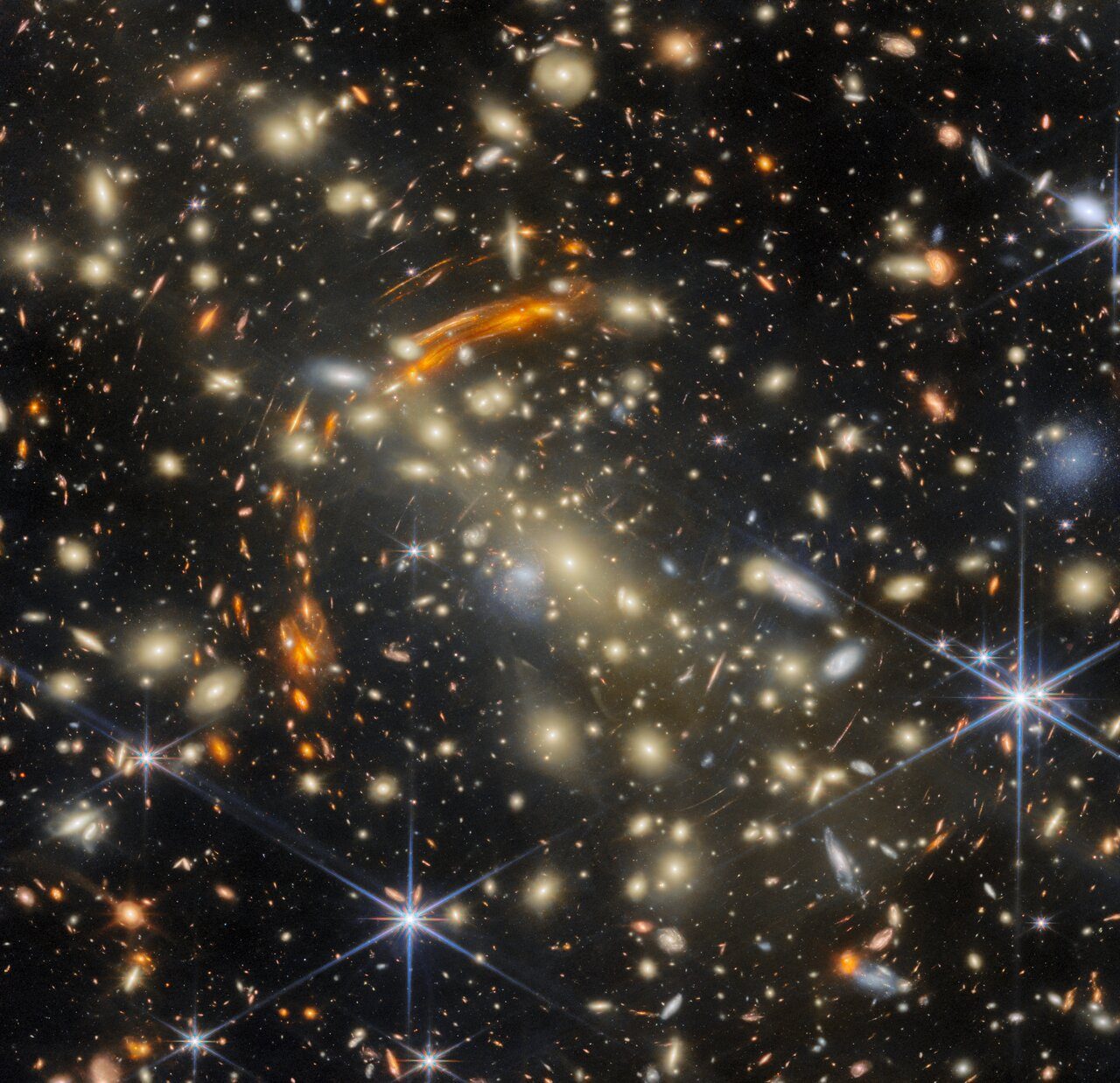
Current missions and telescopes, such as the James Webb Space Telescope, continue to explore these phenomena, enhancing our understanding of the universe's structure and history. For those interested in observing these cosmic events, the Orbital Radar Pass Predictor can assist in planning observations of similar celestial wonders.
Frequently Asked Questions
What are NGC 7253 and Arp 278?
Why are galactic mergers important?
📎 Cite this article
Orbital Radar Newsroom. (2026). Twin Galaxies: A Dance of Creation in Pegasus. Orbital Radar. https://orbitalradar.com/blog/cosmic-gallery-2026-09-04"Twin Galaxies: A Dance of Creation in Pegasus." Orbital Radar, 5 September 2026, https://orbitalradar.com/blog/cosmic-gallery-2026-09-04.@misc{orbitalradar_cosmic_gallery_2026_09_04,
title = {Twin Galaxies: A Dance of Creation in Pegasus},
author = {{Orbital Radar}},
year = {2026},
howpublished = {\url{https://orbitalradar.com/blog/cosmic-gallery-2026-09-04}}
}