How Eclipses Work: Understanding Celestial Shadows
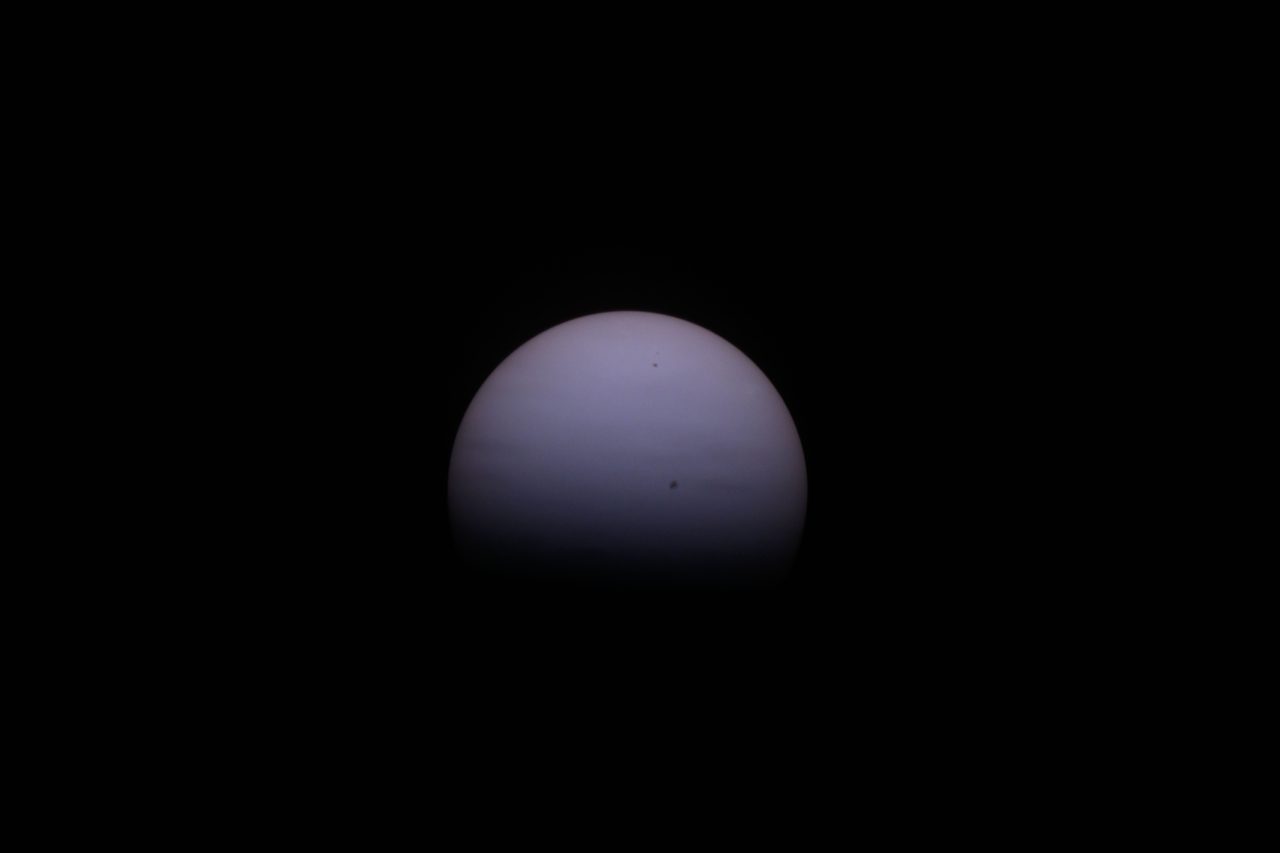
Eclipses occur when one celestial body moves into the shadow of another. Learn how solar and lunar eclipses work, including their mechanics and significance.
| Active satellites | 15,783 |
| Starlink active | 10,063 |
| Catalogued objects | 31,507 |
| Predicted re-entries | 29 |
| Active close approaches | 18 |
| People in space | 14 |
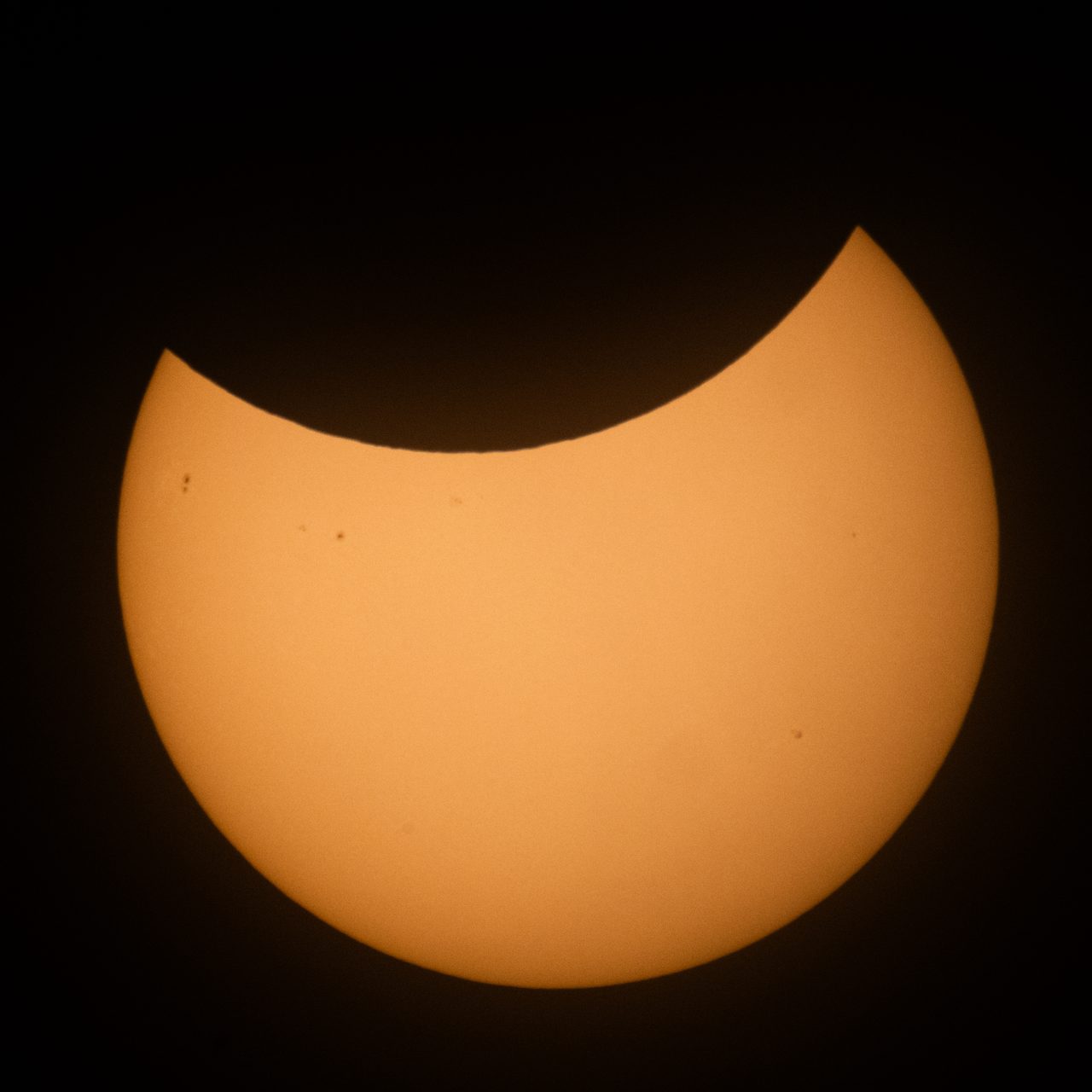
Eclipses are astronomical events where one celestial body moves into the shadow of another, temporarily obscuring it. This phenomenon primarily involves the Sun, Earth, and Moon, resulting in solar and lunar eclipses. Understanding these events requires knowledge of orbital mechanics and celestial alignments.
What Causes Solar Eclipses?
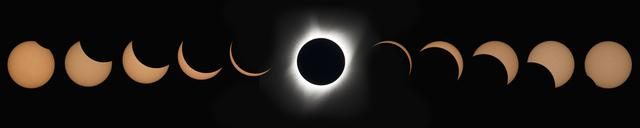
A solar eclipse occurs when the Moon passes between the Earth and the Sun, casting a shadow on Earth. This can only happen during a new moon when the Sun and Moon are in conjunction as seen from Earth. The Moon's shadow on Earth consists of two parts: the umbra, where the Sun is completely obscured, and the penumbra, where it is partially obscured. The next total solar eclipse visible from Earth will occur on 2 August 2027, as tracked on the Eclipse Tracker.
How Do Lunar Eclipses Happen?
Lunar eclipses occur when the Earth comes between the Sun and the Moon, and the Earth's shadow falls on the Moon. This can only occur during a full moon when the Sun and Moon are on opposite sides of Earth. Unlike solar eclipses, lunar eclipses are visible from anywhere on the night side of Earth. The Earth's shadow has two parts: the umbra and the penumbra, similar to solar eclipses. The Moon Globe provides real-time data on lunar phases and positions.
Why Do Eclipses Matter?
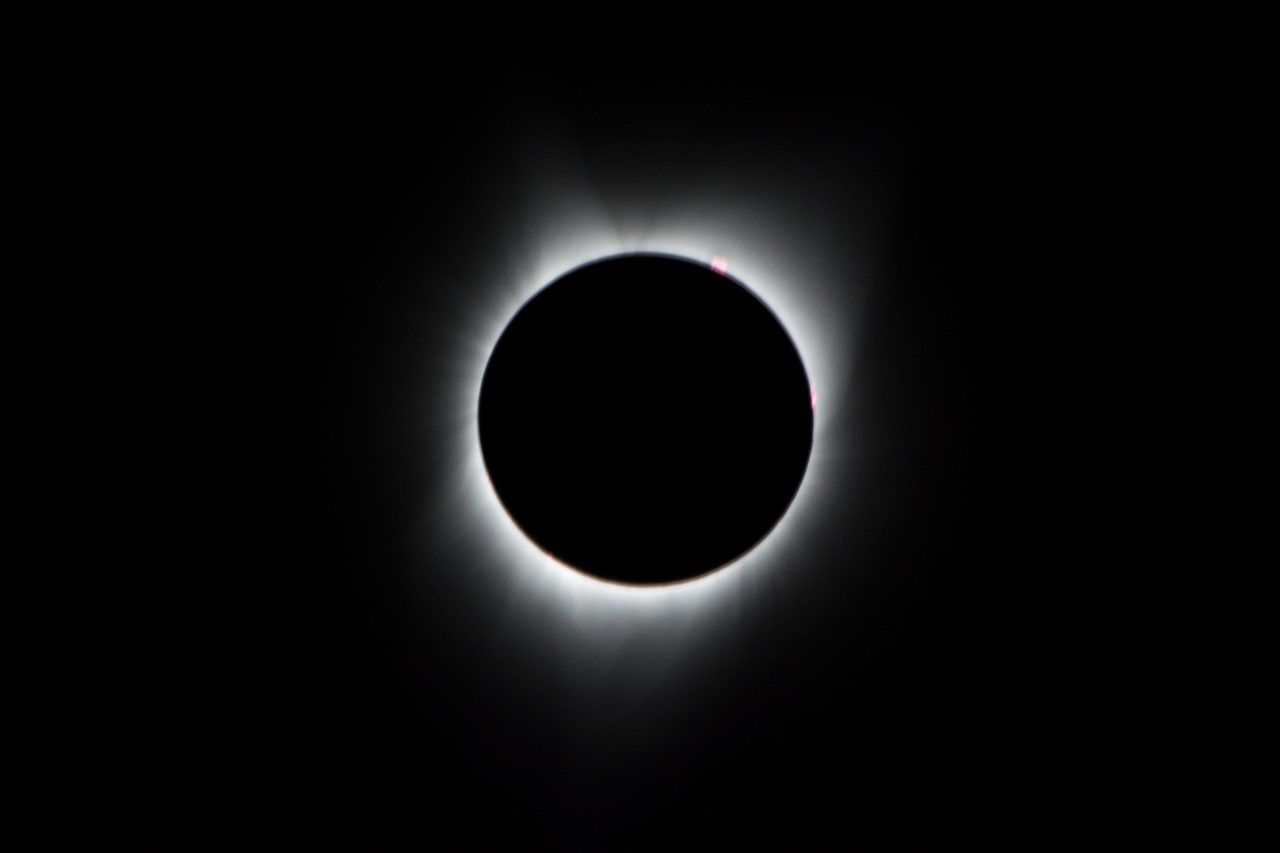
Eclipses have been significant in both scientific and cultural contexts. Scientifically, they provide opportunities to study celestial mechanics and the Sun's corona, the outer atmosphere visible during a total solar eclipse. Culturally, eclipses have been interpreted as omens or divine messages throughout history. The predictable nature of eclipses allows for precise calculations and planning, as seen in the Eclipse Tracker.
Eclipse Mechanics: Umbra and Penumbra
The mechanics of eclipses involve two types of shadows: the umbra and the penumbra. The umbra is the central, darkest part of the shadow where the light source is completely blocked. The penumbra is the outer part of the shadow where the light source is partially obscured. The size and shape of these shadows depend on the relative distances and sizes of the celestial bodies involved.
Key Takeaways
Eclipses are predictable astronomical events resulting from the alignment of the Sun, Earth, and Moon. Understanding their mechanics involves the concepts of umbra and penumbra shadows. Eclipses provide valuable opportunities for scientific observation and cultural reflection.
Frequently Asked Questions
What is the difference between a solar and a lunar eclipse?
How often do eclipses occur?
Can eclipses be predicted?
What is a total solar eclipse?
Why are some eclipses only partial?
📎 Cite this article · data available
Orbital Radar Newsroom. (2026). How Eclipses Work: Understanding Celestial Shadows. Orbital Radar. https://orbitalradar.com/blog/how-eclipses-work-explainer"How Eclipses Work: Understanding Celestial Shadows." Orbital Radar, 7 October 2026, https://orbitalradar.com/blog/how-eclipses-work-explainer.@misc{orbitalradar_how_eclipses_work_explainer,
title = {How Eclipses Work: Understanding Celestial Shadows},
author = {{Orbital Radar}},
year = {2026},
howpublished = {\url{https://orbitalradar.com/blog/how-eclipses-work-explainer}}
}