How Far Away Can You See a Rocket Launch?
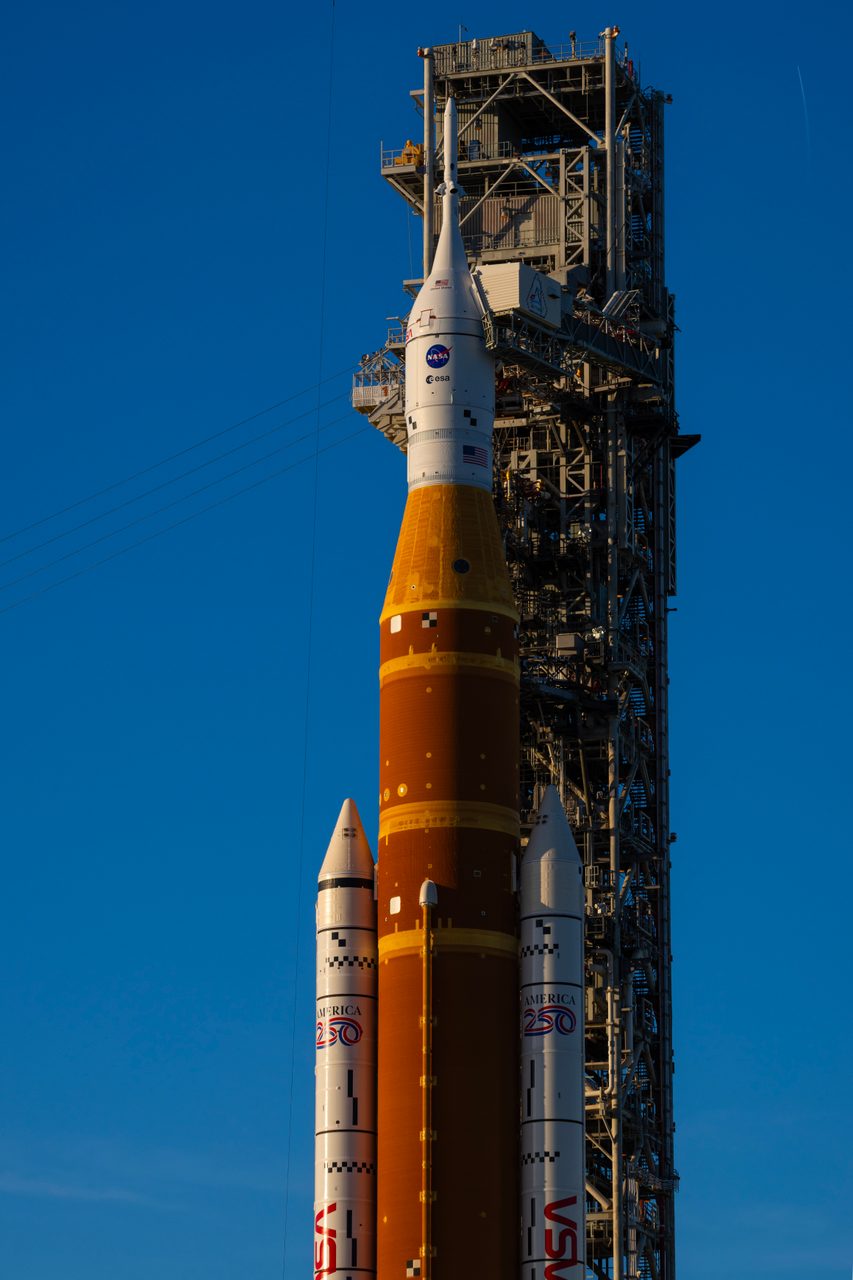
A rocket launch can be visible hundreds of kilometres away, especially around twilight. Your view depends on its trajectory, sunlight, weather and your horizon.
| Active satellites | 15,956 |
| Starlink active | 9,929 |
| Catalogued objects | 31,949 |
| Active close approaches | 18 |
| People in space | 10 |
You can sometimes see a rocket launch from hundreds of kilometres away, particularly at night or around twilight. There is no universal maximum distance: visibility depends on the rocket’s altitude, trajectory and brightness, the weather, and whether its exhaust catches sunlight. From far away, you usually see a bright point or expanding plume later in flight, not the rocket leaving its launch pad.
Orbital Radar tracking data lists 31,949 catalogued objects, including debris, as of 1 November 2026. Orbital Radar tracking data includes 2,202 rocket bodies as of 1 November 2026. Those catalogue totals describe objects in orbit, not how many launches or rocket stages you can see.
For a particular town, a launch time alone cannot establish whether there will be a view: the flight path and local viewing conditions matter too. Start with Orbital Radar’s Launch Schedule to identify the mission, launch site and planned departure time. Treat that information as the beginning of your viewing plan, rather than a promise of visibility.
What determines how far away a rocket launch is visible?
A rocket launch is visible only when the rocket or its exhaust is within your line of sight and bright enough to stand out against the sky. Line of sight means an unobstructed path between you and the object: Earth’s curvature can hide the launch pad while a climbing rocket emerges above your horizon.
Distance to the launch site is not the same as distance to the rocket. As the vehicle travels downrange—along its flight path away from the pad—it may approach your location or recede from it. Your distance from the spaceport alone therefore cannot establish whether you will see it.
Geometry is only part of the answer. Brightness and contrast impose separate limits: a rocket above the horizon may still be too faint against the surrounding sky. Seeing a faint moving point, a luminous exhaust plume or the vehicle itself are different kinds of sighting, not interchangeable measures of visibility.
Orbital Radar’s live catalogue lists 2,202 rocket bodies as of 1 November 2026. Orbital Radar tracking data records 31,949 catalogued objects as of 1 November 2026. Those orbital counts do not establish launch-viewing distances: there is no universal visibility radius. Use the Orbital Radar Launch Schedule to identify the particular mission, rather than assuming every launch will look alike.
Are rocket launches easier to see at night than during the day?
Usually, yes: a dark sky makes bright engine exhaust easier to distinguish, so some launches can be noticed hundreds of kilometres away. That is a possibility, not a dependable viewing distance; the rocket’s path and the conditions between it and the observer still matter.
In daylight, sunlight scattered through the atmosphere brightens the background and reduces contrast. Distant exhaust can blend into haze or cloud even while the engines are firing. At night, the same engine light may stand out more clearly.
Engine light is different from sunlight reflected or scattered by exhaust particles. A launch after dark does not automatically produce a brightly illuminated plume: exhaust outside sunlight may remain faint apart from the engine glow.
Orbital Radar’s live catalogue contains 2,202 rocket bodies as of 1 November 2026. Orbital Radar’s live catalogue contains 31,949 tracked objects as of 1 November 2026. These catalogue totals are not counts of visible launches; use Orbital Radar’s launch schedule to find upcoming departures.
Letting your eyes adjust to darkness and avoiding nearby lamps helps you notice faint features. Neither dark adaptation nor switching off a light can overcome cloud cover or a trajectory that keeps the rocket out of view.
Why do twilight launches create a glowing jellyfish?
Twilight launches can create a glowing “jellyfish” because exhaust high above Earth catches sunlight while the observer below is already in darkness. The illuminated plume stands out against the darker sky: the glow comes from sunlight scattered by material in the exhaust, not simply from the engine flame.
Twilight is the period after sunset or before sunrise. Civil, nautical and astronomical twilight describe successive stages defined by how far the Sun lies below the horizon. Orbital Radar’s twilight glossary explains this geometry, which also allows satellites overhead to remain sunlit after the ground grows dark.
Orbital Radar tracking data lists 15,956 active satellites in orbit as of 1 November 2026. Their visibility also depends on illumination, although a rocket’s expanding exhaust produces a very different appearance.
As a rocket climbs into the low-pressure upper atmosphere, its exhaust can spread out much more widely than it does near the launch pad. Instead of the narrow flame familiar from launch footage, observers may see a broad, translucent cloud. Sunlight can illuminate that cloud even when Earth’s shadow covers the viewing location.
Orbital Radar tracking data lists 9,929 active Starlink satellites as of 1 November 2026. Like those satellites, a plume must catch sunlight to produce this particular twilight display.
“Jellyfish” describes the appearance, not a separate launch event. The shape changes with perspective, flight phase and illumination. A launch near local sunset is therefore an opportunity, not a guarantee: the exhaust must reach sunlit heights while your viewing direction provides a sufficiently dark backdrop.
Which parts of a rocket flight might you actually see?
You may see the rocket’s bright powered ascent, changes around stage separation, and a fainter upper stage continuing towards orbit. A stage is a rocket section with its own propulsion system; during powered ascent, its engines produce the exhaust that often makes the vehicle conspicuous.
When a spent stage separates, the remaining vehicle continues without it. Engine shutdown can make a bright point fade abruptly, while an upper-stage ignition or restart may produce a fresh glow or expanding plume. These events are not necessarily visible: distance, viewing angle and illumination can conceal them, and a change in brightness alone does not identify what happened.
An ascending launch vehicle is distinct from a returning booster, which follows a separate descent after separation on flights designed for recovery. Vented material can spread into a diffuse cloud rather than remain a sharp point. Orbital Radar’s launch vehicle guide provides vehicle-specific context for these different flight sequences.
Orbital Radar’s live catalogue listed 2,202 rocket bodies in orbit on 1 November 2026. That figure describes orbiting objects, not active launches or the number of rocket stages you can see. A rocket body already in orbit is typically a spent stage travelling around Earth; if visible, it is generally reflecting sunlight rather than displaying the powered ascent of a new launch.
How do clouds, haze and the horizon affect your view?
Clouds can hide a rocket, haze can wash out its light, and an obstructed horizon can block the view entirely. Low cloud near the launch site may conceal the early ascent; higher layers can obscure later portions as the rocket climbs behind or through them.
At a low viewing angle, light travels through more atmosphere than it does overhead. Haze and reduced transparency therefore affect distant sightings particularly strongly: a sky that looks clear above you may still be murky towards the launch.
Check the launch-site forecast separately from conditions where you are standing and along your viewing direction. Orbital Radar’s Launch Schedule helps establish when to look, but a scheduled flight does not guarantee visibility.
Orbital Radar’s live catalogue lists 2,202 rocket bodies as of 1 November 2026. Orbital Radar tracking data lists 31,949 catalogued objects as of 1 November 2026. Neither count measures whether your local sky is transparent.
A hill, building or tree line can matter more than a modest difference in distance from the launch site. Even with a technically possible sightline, clouds, haze or foreground obstructions may leave you seeing no rocket at all.
Where should you stand to watch a distant rocket launch?
Choose a safe, publicly accessible spot with an open horizon towards the expected flight path, rather than simply the nearest place to the launch pad. A coastline or open field can provide a clearer sightline, but neither guarantees that the rocket will travel into view.
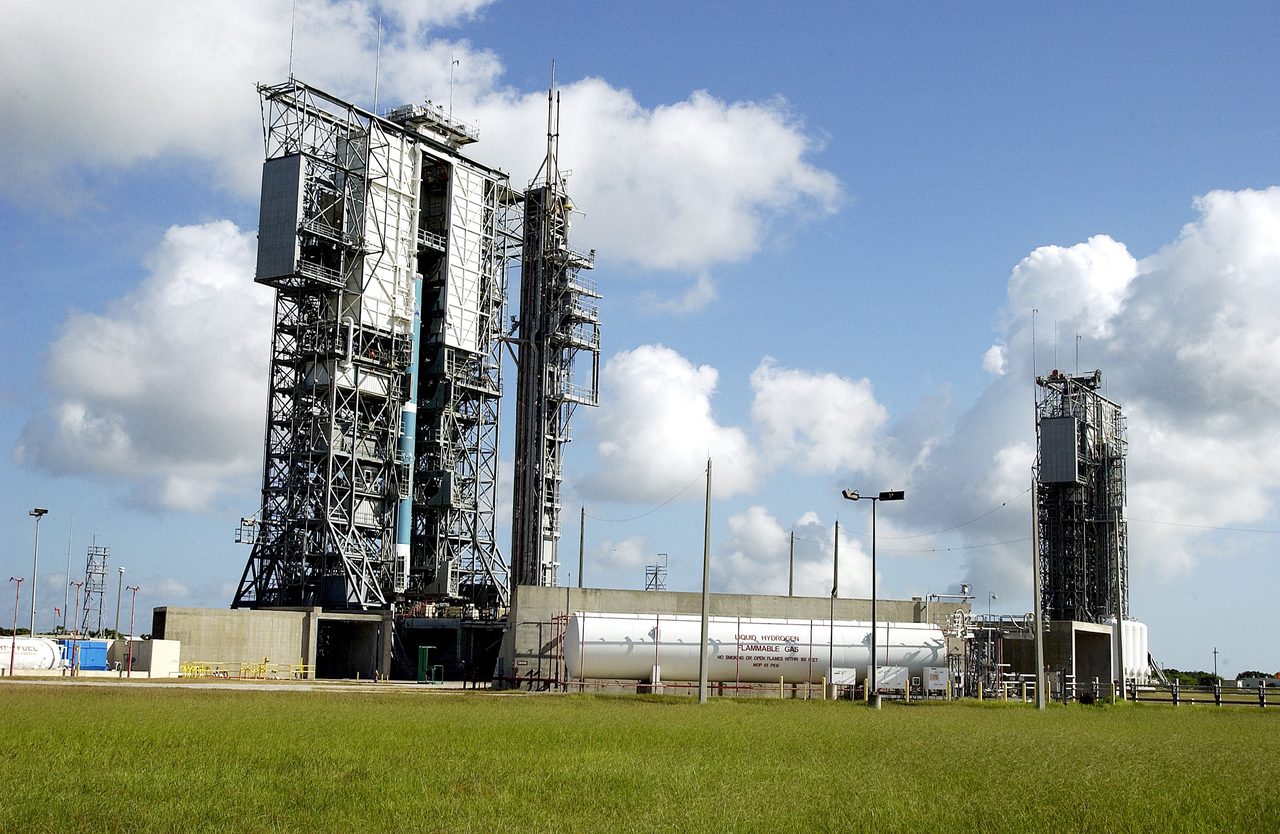
For Florida launches, Orbital Radar’s Kennedy Space Center page is a location-specific starting point. Launch-site information is not confirmation of public viewing access: check official access arrangements and closures for your chosen location.
A distant viewpoint can frame a broad panorama of the exhaust plume, while an authorised closer viewing area may reveal more of the initial ascent. These are different experiences; being nearer does not necessarily give you the better view.
Orbital Radar’s live catalogue lists 2,202 rocket bodies as of 1 November 2026. Orbital Radar tracking data lists 31,949 catalogued objects as of 1 November 2026. Those orbital totals are not a guide to where a new launch will be visible.
Respect closures, private property and official safety restrictions. Never approach operational launch facilities or stop somewhere unsafe because it appears to offer a clearer view; use an authorised alternative instead.
How can you plan a launch viewing with Orbital Radar?
Open Orbital Radar’s launch schedule, choose a forthcoming mission and note its launch site, scheduled time and any listed launch window. Recheck the entry close to departure: a planned liftoff is not a promise that the rocket will leave at that moment.
Check which time zone the schedule displays, then convert the launch time to your own local time, allowing for daylight-saving differences. Compare it with sunrise or sunset at your observing location, not just at the launch site. Twilight—the period before sunrise or after sunset—can leave your sky dark enough for contrast while the ascending rocket’s plume catches sunlight.
A launch window is the interval during which liftoff may occur, rather than a guaranteed departure time. A delay within that window can shift the flight into different illumination conditions, changing whether the plume is sunlit against your sky.
Combine the listing with available mission trajectory information, your clear horizon and the local cloud forecast. The schedule tells you what is planned; it is not a visibility prediction for your location.
Orbital Radar tracking data records 15,956 active satellites on 1 November 2026. Orbital Radar’s live catalogue contains 31,949 objects, including debris, on 1 November 2026. Those orbital counts do not establish whether a particular launch will be visible.
Use Orbital Radar’s historical launch database for context on previous missions. Past sightings are useful comparisons, but a different trajectory, departure time or weather pattern means they cannot establish visibility for your chosen launch.
How do you photograph a distant rocket or twilight plume?
Start with a wide view that includes an identifiable horizon, then attempt a tighter photograph once you can follow the rocket. A coastline, skyline or tree line gives the plume scale and makes its position easier to understand.
Rest your phone on a firm support or use a camera tripod. Set focus deliberately on a distant feature; if autofocus hunts, use manual focus where available. On a phone, try locking focus and lowering exposure if the plume becomes a featureless bright patch. On a camera, review a test frame and adjust exposure to retain bright detail.
A launch plume is not a satellite trail: its exhaust structures expand and move, so a long exposure can blur their shape. Avoid assuming that an automatic night mode will preserve the detail you can see. Brightness, lens choice and equipment determine suitable settings.
Orbital Radar tracking data lists 15,956 active satellites on 1 November 2026. Orbital Radar tracking data lists 9,929 active Starlink satellites on 1 November 2026. Photographing these orbiting targets involves different timing from capturing a short-lived launch plume.
Orbital Radar’s satellite photography guide covers transferable night-sky techniques, but launch photography requires different timing: be ready to capture changing plume shapes rather than waiting to record a trail.
How can you tell a rocket launch from satellites or aircraft?
A rocket launch is more likely to show a changing, expanding plume; a satellite usually crosses the sky as a steadily moving point, while an aircraft often shows flashing lights. Watch how the sighting develops rather than relying on its brightness or colour alone.
Launch exhaust can spread into a cloud whose shape and brightness evolve as the rocket climbs and sunlight catches different parts of the plume. A satellite generally maintains a smooth passage, although it can brighten, fade or disappear into Earth’s shadow. Aircraft typically combine steady red, green or white navigation lights with flashing strobes or beacons, though distance can make these difficult to distinguish.
A newly deployed satellite group can resemble a moving chain of separate points, unlike launch exhaust, which forms a cloud rather than a string of individual lights. Orbital Radar tracking data recorded 9,929 active Starlink satellites on 1 November 2026. That active fleet total is not the number visible from any particular location.
For identification help, use Orbital Radar’s guides to see Starlink tonight and see the ISS. If you suspect a launch, match the sighting’s time, direction and appearance to a scheduled mission; an unfamiliar light’s appearance alone is not enough to identify it reliably.
Key takeaways
- A rocket launch can sometimes be seen hundreds of kilometres away, but altitude, trajectory, brightness and atmospheric conditions prevent a universal distance limit.
- Twilight can illuminate high-altitude exhaust while the observer’s sky is dark, producing the broad plume often called a jellyfish.
- An open horizon towards the flight path matters more than distance to the launch pad alone.
- Use Orbital Radar’s Launch Schedule to establish the mission and timing, then assess illumination, weather and viewing direction separately.
Frequently Asked Questions
Can you hear a rocket launch from as far away as you can see it?
How long after liftoff should I start looking for a distant rocket?
Do you need binoculars to watch a rocket launch?
Can a rocket launch be visible from another country?
Can a glowing rocket plume remain visible after the engine shuts down?
📎 Cite this article · data available
Orbital Radar Newsroom. (2026). How Far Away Can You See a Rocket Launch?. Orbital Radar. https://orbitalradar.com/blog/how-far-away-can-you-see-a-rocket-launch"How Far Away Can You See a Rocket Launch?." Orbital Radar, 1 November 2026, https://orbitalradar.com/blog/how-far-away-can-you-see-a-rocket-launch.@misc{orbitalradar_how_far_away_can_you_see_a_rocket_launch,
title = {How Far Away Can You See a Rocket Launch?},
author = {{Orbital Radar}},
year = {2026},
howpublished = {\url{https://orbitalradar.com/blog/how-far-away-can-you-see-a-rocket-launch}}
}