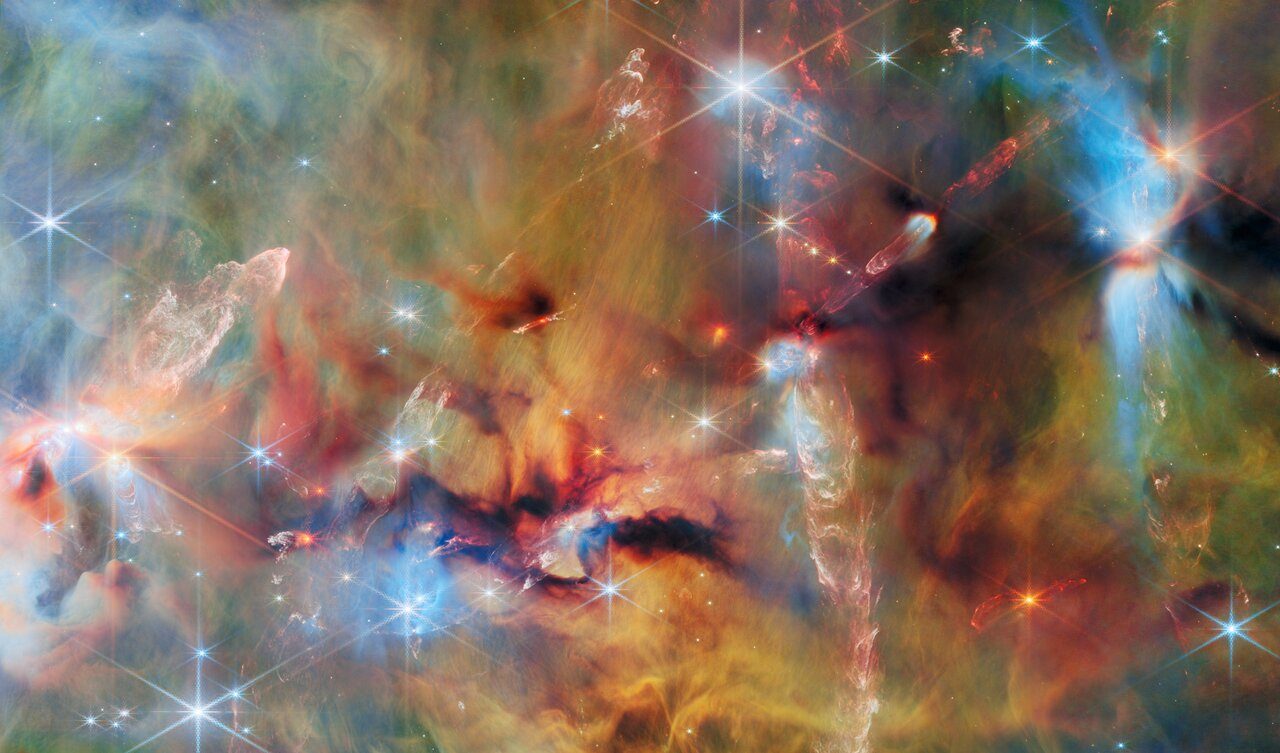
A starry night inside the Large Magellanic Cloud’s core
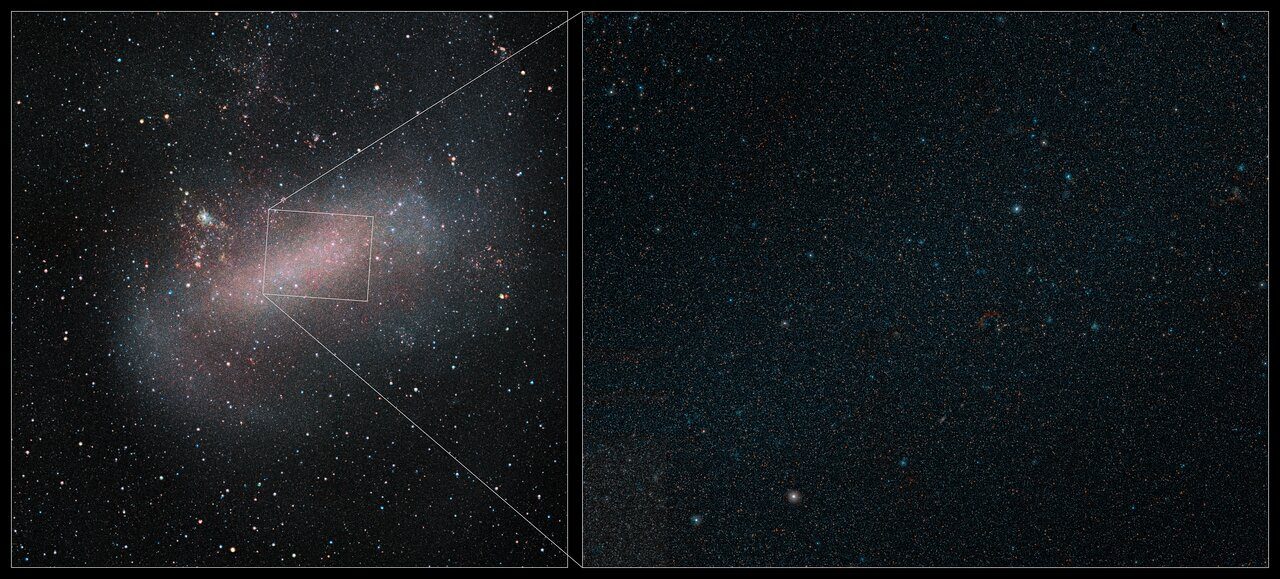
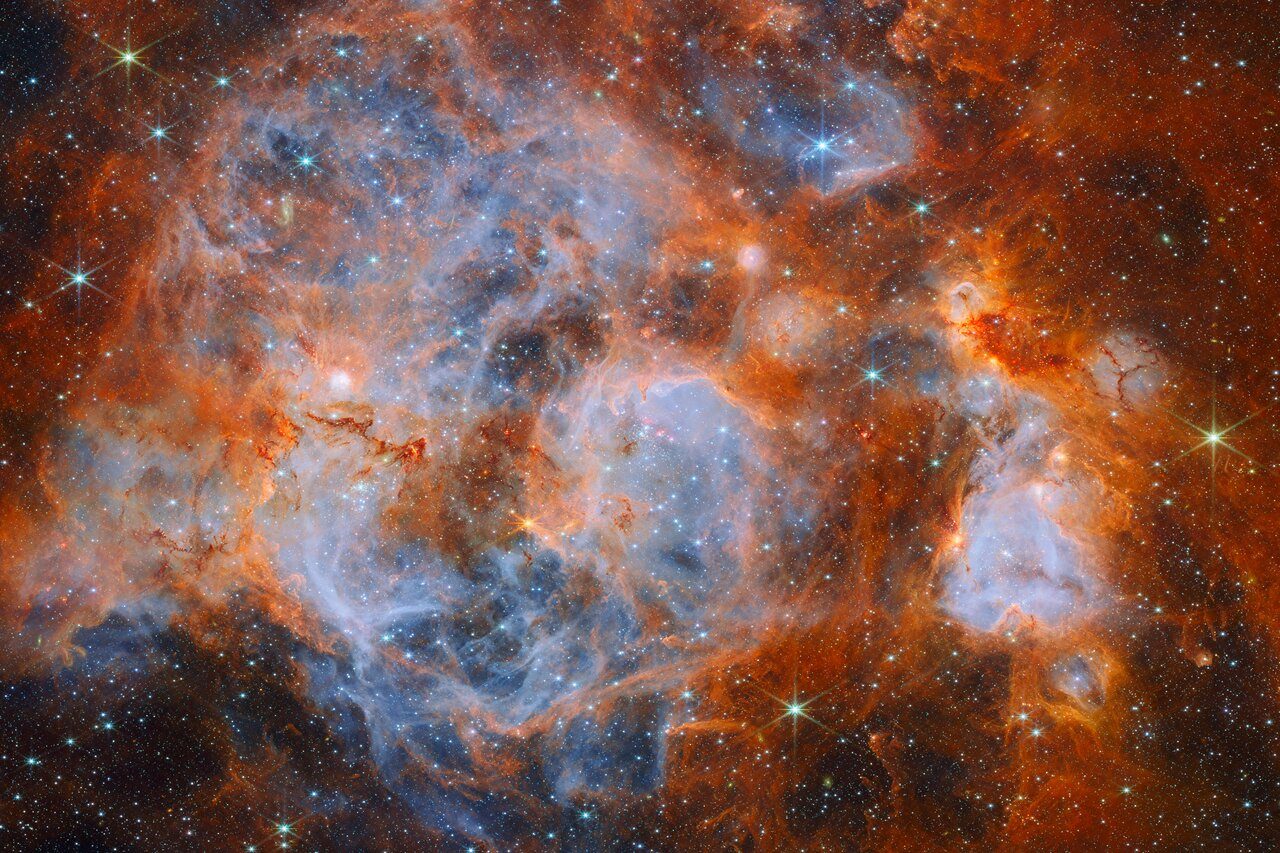
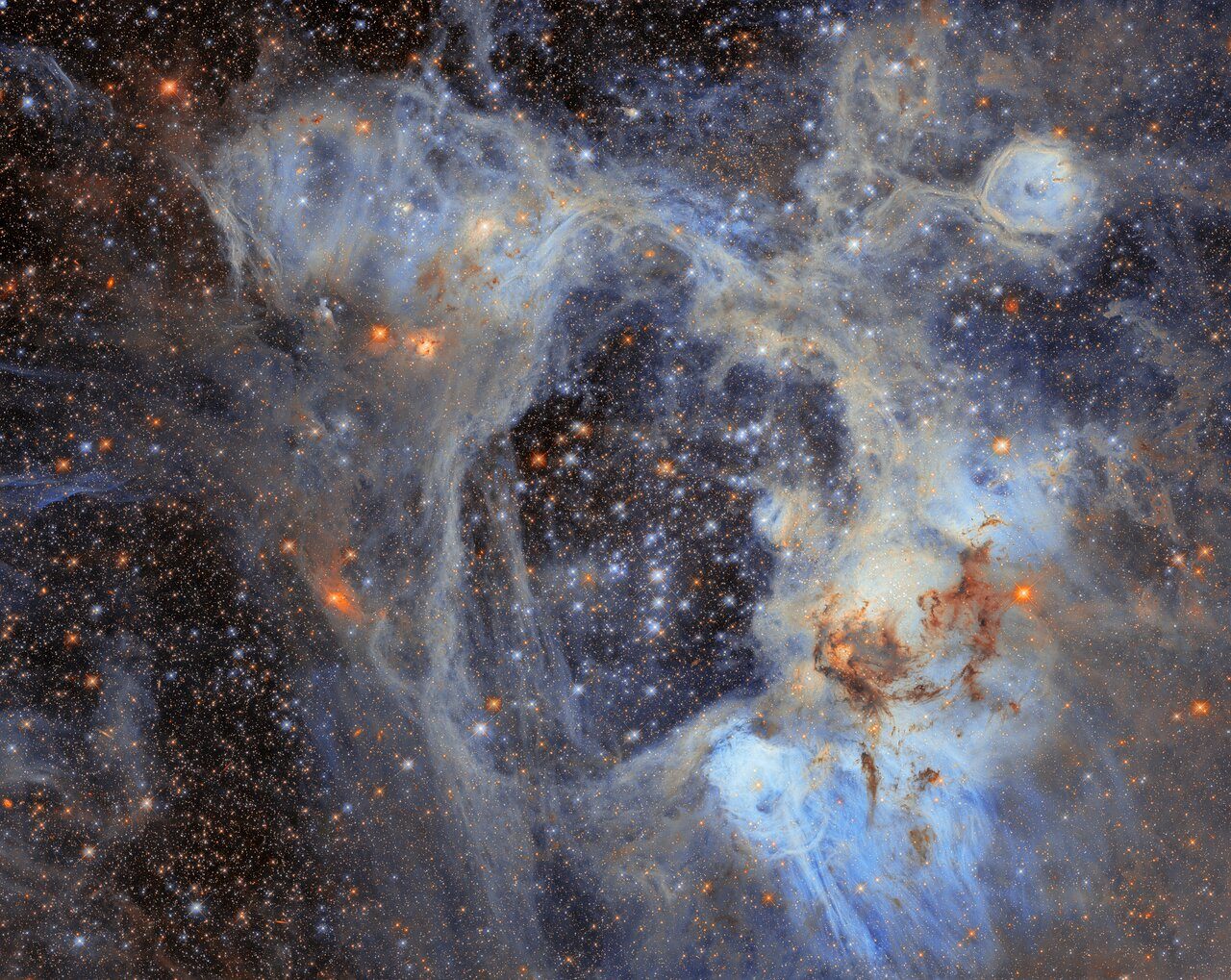
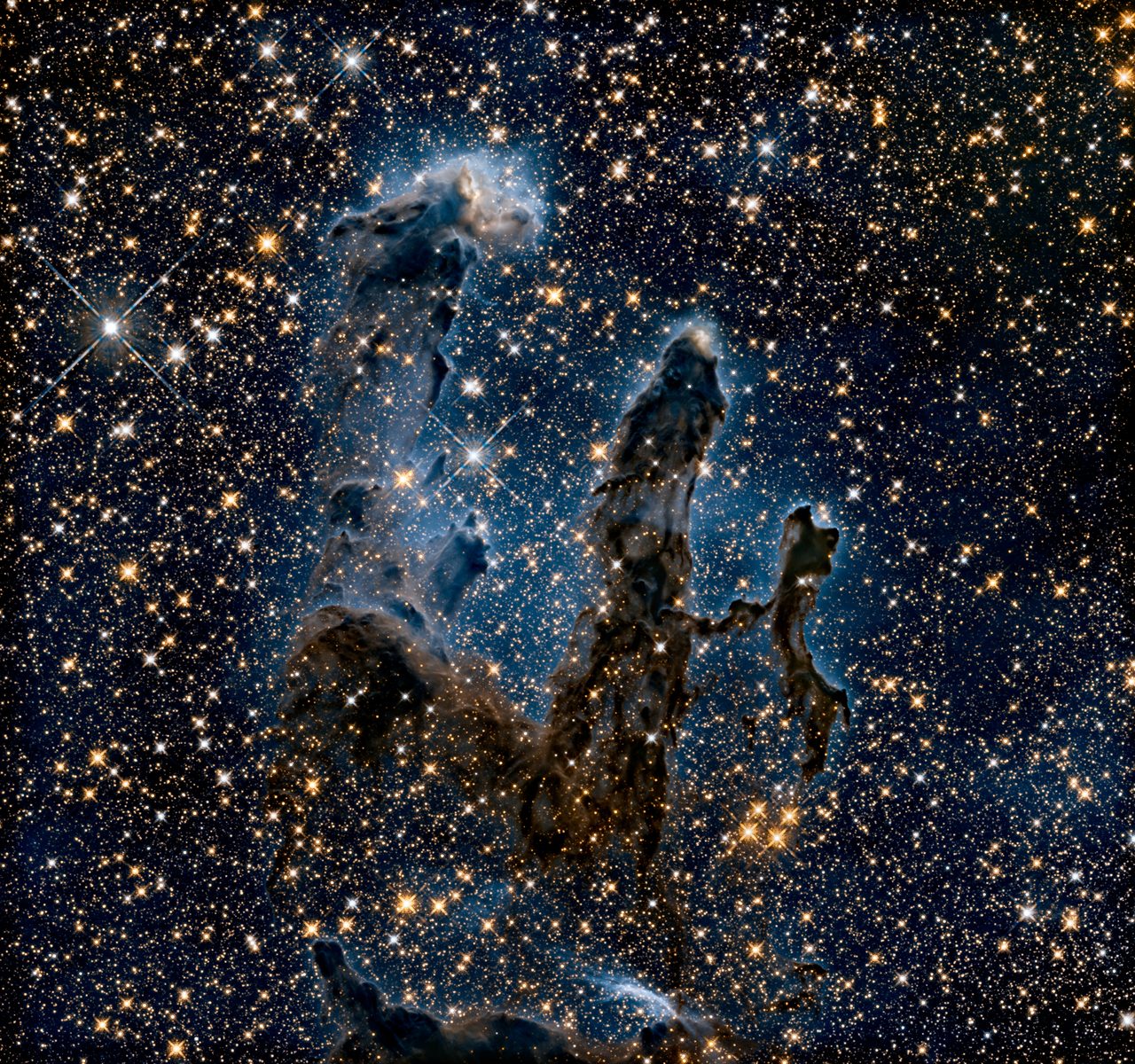
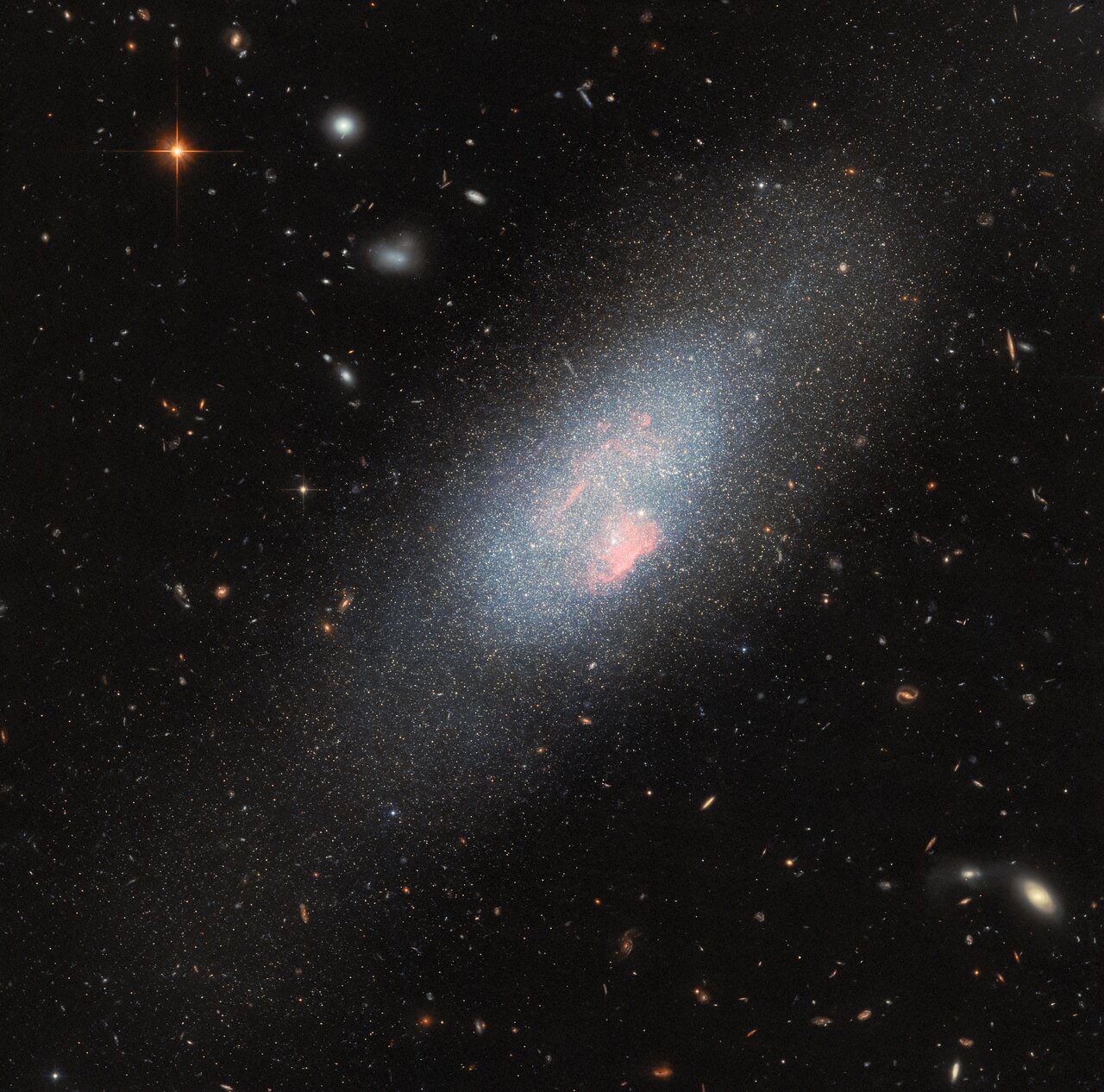
A crowded stellar landscape fills this infrared view of the Large Magellanic Cloud. Repeated VISTA observations reveal how its stars move and help map its hidden structure.
| Active satellites | 15,956 |
| Catalogued objects | 31,938 |
| Starlink active | 9,929 |
This densely populated stellar landscape lies in the central region of the Large Magellanic Cloud, a neighbouring galaxy beyond the Milky Way. Rather than the familiar stars of our own night sky, the image reveals what looks like a sky filled with millions of stars belonging to another galaxy.
Galactic centres are difficult places to investigate: dust partly obscures the view, while tightly packed stars are hard to distinguish individually. ESO’s Visible and Infrared Survey Telescope for Astronomy (VISTA) used its high-resolution infrared camera to reveal stars hidden within these crowded regions. Infrared light (light beyond the red end of human vision) allows astronomers to see through some of that obscuring dust.
A stellar landscape measured in motion
The scientific value extends beyond this single view. A team led by Maria-Rosa Cioni at the Leibniz Institute for Astrophysics Potsdam observed the Magellanic Clouds’ central regions about 40 times over several years, measuring subtle stellar movements that help locate the galaxies’ centres.
Certain stars also brighten and fade periodically. These variations can be used to measure distances, allowing astronomers to reconstruct the cores’ three-dimensional structure rather than treating them as flat pictures. The publicly released dataset opens those measurements to the wider astronomical community.
Another kind of movement across the sky
The motions measured here belong to distant stars, not the satellites crossing our foreground sky. Today, Orbital Radar tracking data lists 15,956 active satellites in Earth orbit. Today, Orbital Radar tracking data lists 9,929 operational Starlink satellites.
For observers looking up from Earth, the Orbital Radar Pass Predictor helps identify visible satellite passes. Distinguishing those nearby moving points from the stellar background is a useful reminder that a night-sky view contains objects at profoundly different distances.
Frequently Asked Questions
What does this image of the Large Magellanic Cloud show?
Why did astronomers observe the Magellanic Clouds repeatedly?
📎 Cite this article · data available
Orbital Radar Newsroom. (2026). A starry night inside the Large Magellanic Cloud’s core. Orbital Radar. https://orbitalradar.com/blog/cosmic-gallery-2026-11-01"A starry night inside the Large Magellanic Cloud’s core." Orbital Radar, 1 November 2026, https://orbitalradar.com/blog/cosmic-gallery-2026-11-01.@misc{orbitalradar_cosmic_gallery_2026_11_01,
title = {A starry night inside the Large Magellanic Cloud’s core},
author = {{Orbital Radar}},
year = {2026},
howpublished = {\url{https://orbitalradar.com/blog/cosmic-gallery-2026-11-01}}
}