Eclipses: Celestial Drama and Cultural Significance
Solar eclipses have fascinated humans for centuries. Discover the cultural interpretations and scientific marvels of the August 12, 2026 solar eclipse.
The photograph this article describes is by Javier Castro and isn’t shown here. View the original photograph
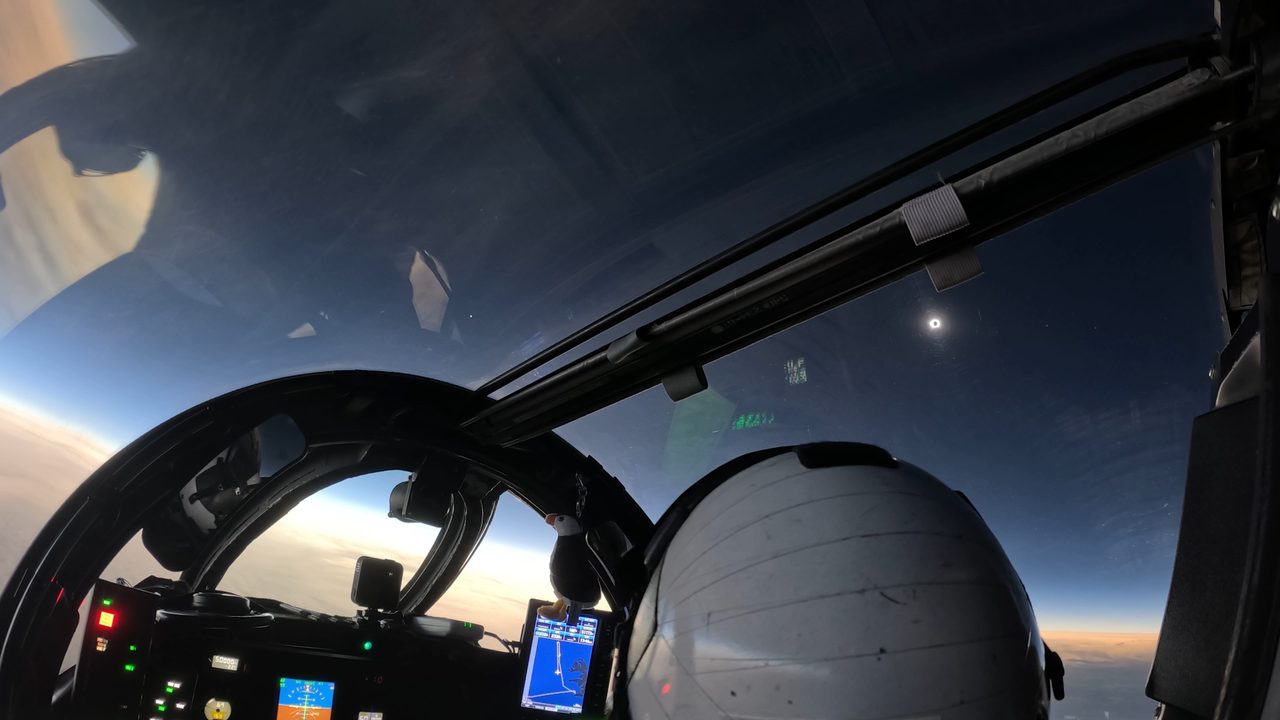
The August 12, 2026 solar eclipse is a stunning reminder of the celestial mechanics that govern our solar system. During this event, the Moon passes directly between the Earth and the Sun, casting a shadow that temporarily obscures the Sun's light. This phenomenon, known as a solar eclipse, has been a source of wonder and fear throughout human history. The image captures the eclipse's progression, revealing the Sun's corona—a halo of plasma that is usually hidden by the Sun's intense light.
Solar eclipses are not only astronomical events but also cultural touchstones. Different societies have developed unique interpretations of these occurrences. For example, the ancient Greeks viewed eclipses as signs of divine displeasure, while the Diné people of North America see them as opportunities for personal and communal renewal. The Batammariba of West Africa perceive the eclipse as a cosmic conflict, prompting peace-making efforts within their communities.
Understanding the orbital mechanics behind eclipses enhances our appreciation of these events. The precise alignment required for a solar eclipse is a testament to the predictability of celestial motions. This predictability allows scientists to forecast eclipses with great accuracy, as reflected in the Orbital Radar pass predictor, which can also help track satellite visibility during such events.
Frequently Asked Questions
What causes a solar eclipse?
Why are solar eclipses significant in different cultures?
📎 Cite this article
Orbital Radar Newsroom. (2026). Eclipses: Celestial Drama and Cultural Significance. Orbital Radar. https://orbitalradar.com/blog/cosmic-gallery-2026-09-02"Eclipses: Celestial Drama and Cultural Significance." Orbital Radar, 3 September 2026, https://orbitalradar.com/blog/cosmic-gallery-2026-09-02.@misc{orbitalradar_cosmic_gallery_2026_09_02,
title = {Eclipses: Celestial Drama and Cultural Significance},
author = {{Orbital Radar}},
year = {2026},
howpublished = {\url{https://orbitalradar.com/blog/cosmic-gallery-2026-09-02}}
}