Roman Space Telescope Launches Amid Close Orbital Encounters
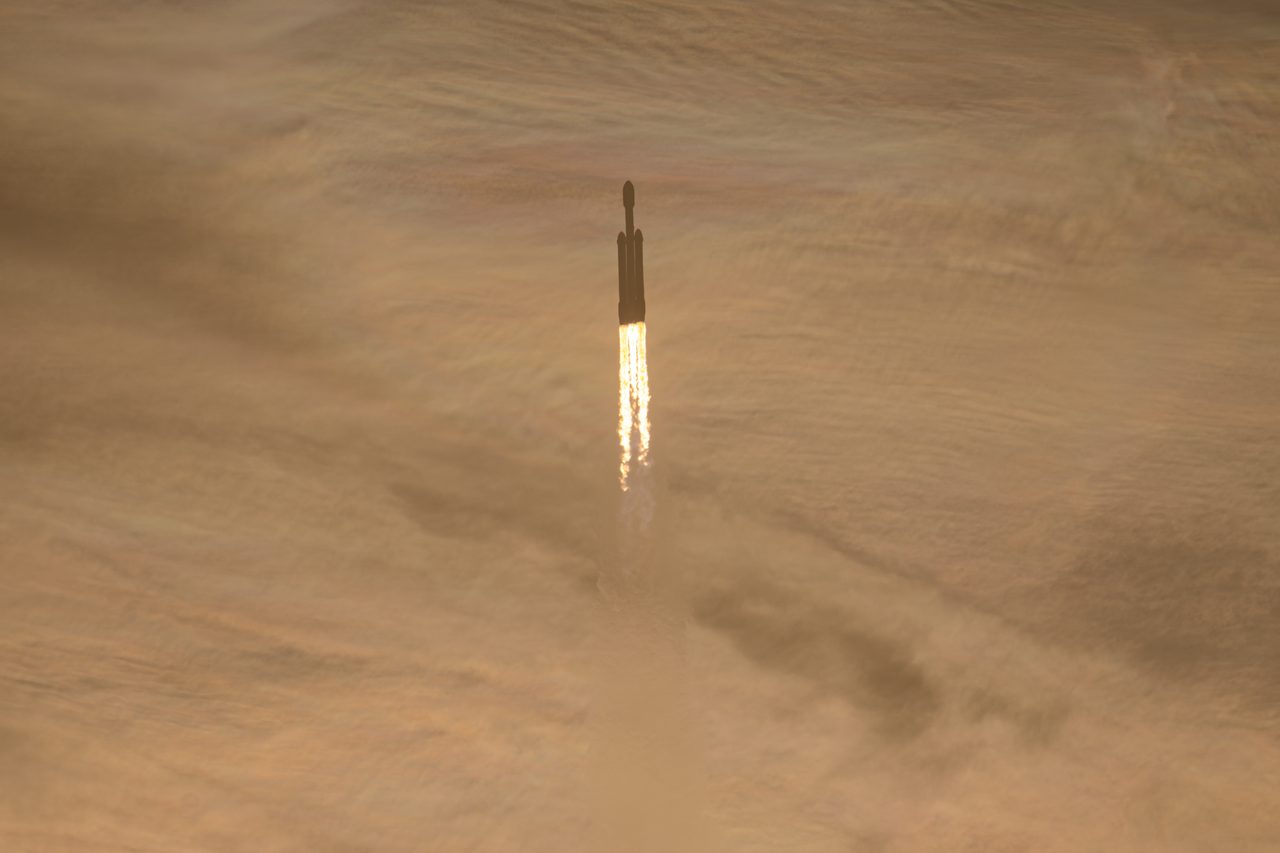
The Roman Space Telescope successfully launched, while multiple close satellite approaches were monitored. Rocket Lab prepares for a Japanese radar satellite launch.
The Nancy Grace Roman Space Telescope has successfully launched, marking a significant milestone in astrophysical research. This mission, initially facing cancellation, is expected to provide unprecedented insights into dark energy and exoplanetary systems. The launch, conducted by NASA, was celebrated by former President Trump, who had previously attempted to cancel the programme.
Close Approaches in Orbit
Several close approaches between satellites were recorded, highlighting the growing congestion in Earth's orbit. Notably, the PRC Test Spacecraft 4 and Object H came within approximately 0.01 km of each other, underscoring the need for improved space traffic management. The Orbital Radar Debris Map provides real-time tracking of such encounters, essential for collision avoidance strategies.
What to Watch
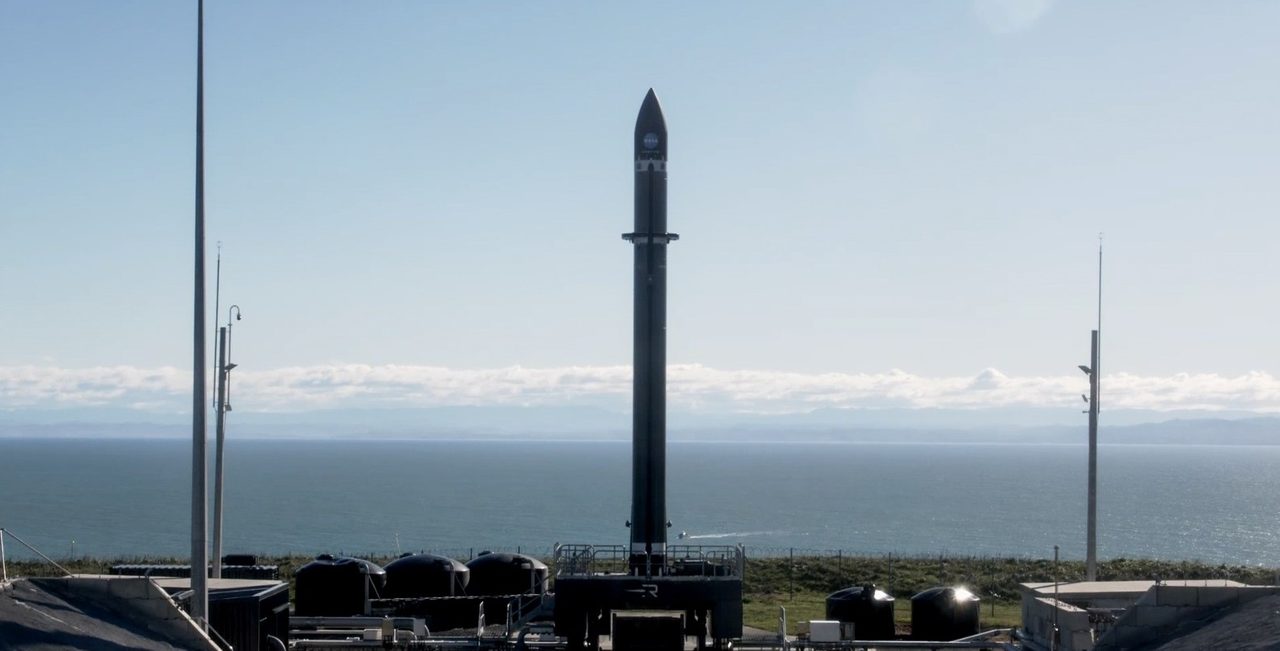
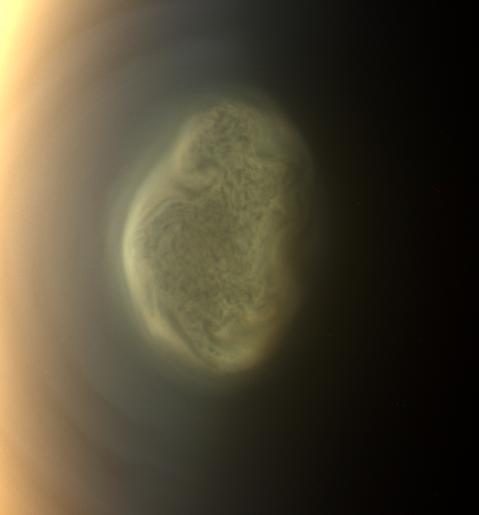
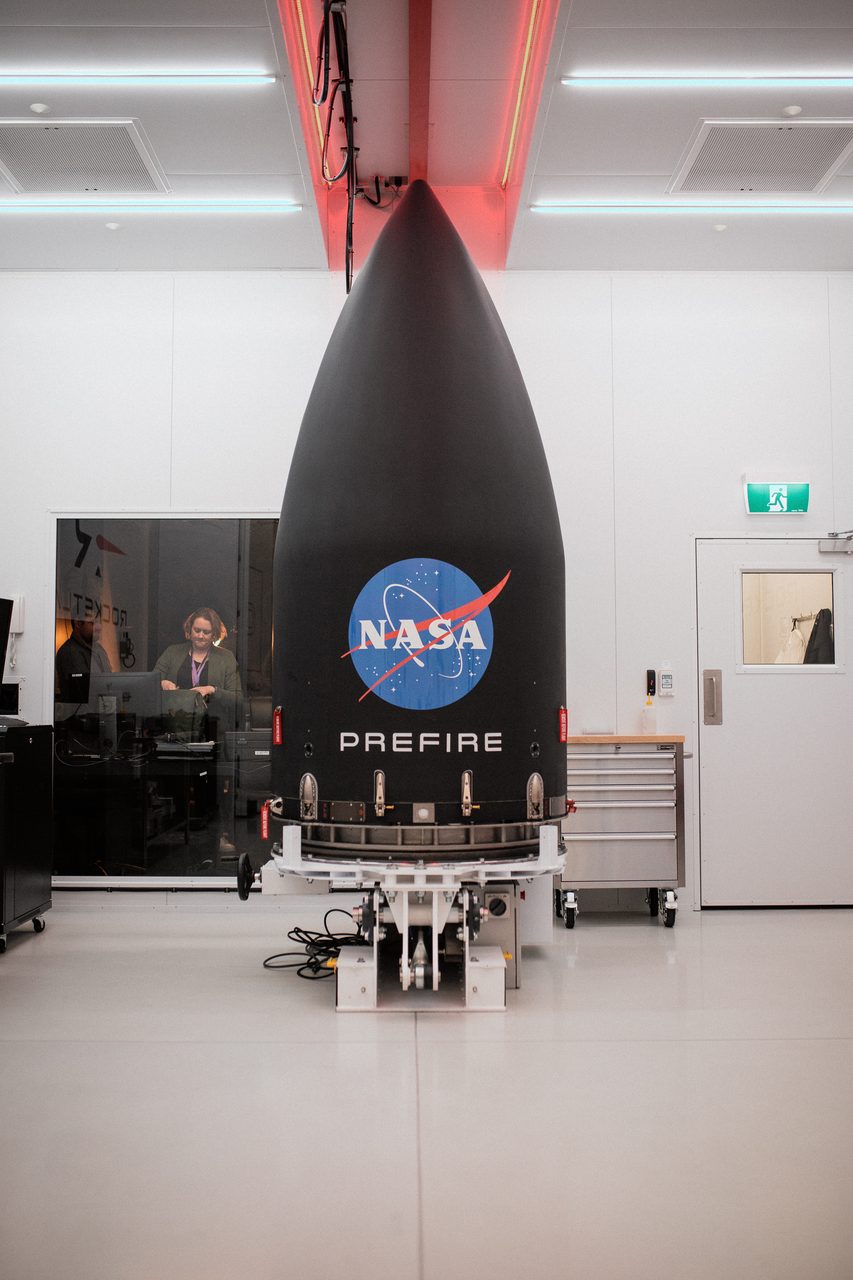
Rocket Lab is set to launch a Japanese radar satellite into orbit on September 1. This mission will enhance Japan's Earth observation capabilities. The launch is scheduled for early morning and can be tracked via the Orbital Radar Launch Schedule. Additionally, the European Space Agency's JUICE probe is on track for a 2031 encounter with Jupiter's moon Kallichore, promising new insights into the Jovian system.
Frequently Asked Questions
What is the Roman Space Telescope?
How are close satellite approaches monitored?
📎 Cite this article
Orbital Radar Newsroom. (2026). Roman Space Telescope Launches Amid Close Orbital Encounters. Orbital Radar. https://orbitalradar.com/blog/orbital-briefing-2026-08-31"Roman Space Telescope Launches Amid Close Orbital Encounters." Orbital Radar, 31 August 2026, https://orbitalradar.com/blog/orbital-briefing-2026-08-31.@misc{orbitalradar_orbital_briefing_2026_08_31,
title = {Roman Space Telescope Launches Amid Close Orbital Encounters},
author = {{Orbital Radar}},
year = {2026},
howpublished = {\url{https://orbitalradar.com/blog/orbital-briefing-2026-08-31}}
}