18 close approaches tracked: Orbital Briefing, 26 October
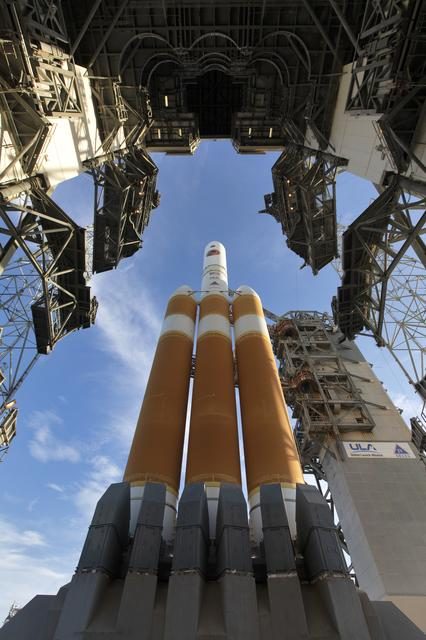
A roughly 0.63 km satellite approach leads Monday's briefing, alongside quiet space weather, Starlink fleet figures and the next scheduled Falcon 9 launch.
| Active satellites | 15,880 |
| Starlink active | 10,008 |
| Catalogued objects | 31,804 |
| Active close approaches | 18 |
| People in space | 10 |
STARCATCHER-1 and HOTSAT-3 have a tracked close approach of approximately 0.63 km, the smallest separation among the encounters highlighted today. A close approach is not itself a collision warning: assessing the danger also requires information about the uncertainty in each spacecraft's position and their relative motion.
Orbital Radar tracking data lists 18 active close approaches on 26 October 2026. Other highlighted encounters include SL-8 R/B and BADR B at approximately 1.42 km, and STARLINK-2422 and STARLINK-37235 at approximately 1.65 km. The Orbital Radar space situational awareness toolkit provides context for following objects and understanding orbital traffic.
Starlink's operational fleet passes 10,000
Starlink had 10,008 operational satellites on 26 October 2026, according to Orbital Radar tracking data. A further 948 were raising their orbits, while 183 were deorbiting, illustrating the continuing movement between deployment, service and disposal within the constellation.
Across all operators, the active satellite population stands at 15,880. Those totals describe a different population from the wider catalogue, which also includes debris and rocket bodies; the Starlink Tracker offers a constellation-specific view. Operational status matters because a satellite reaching orbit does not necessarily mean it has begun its intended service.
Quiet conditions around Earth
Earth's Kp geomagnetic index was 0 on 26 October 2026, according to Orbital Radar tracking data. Kp measures disturbances in Earth's magnetic field, and this reading indicates quiet conditions rather than a geomagnetic storm.
The space-weather risk indicators are green for low Earth orbit, geostationary orbit and the International Space Station. That is a useful operational backdrop, not a guarantee against every spacecraft problem: radiation, atmospheric drag and orbital encounters are distinct concerns. Readers can explore the solar context through Orbital Radar's Sun Globe.
Orion and Earth's autumn colours
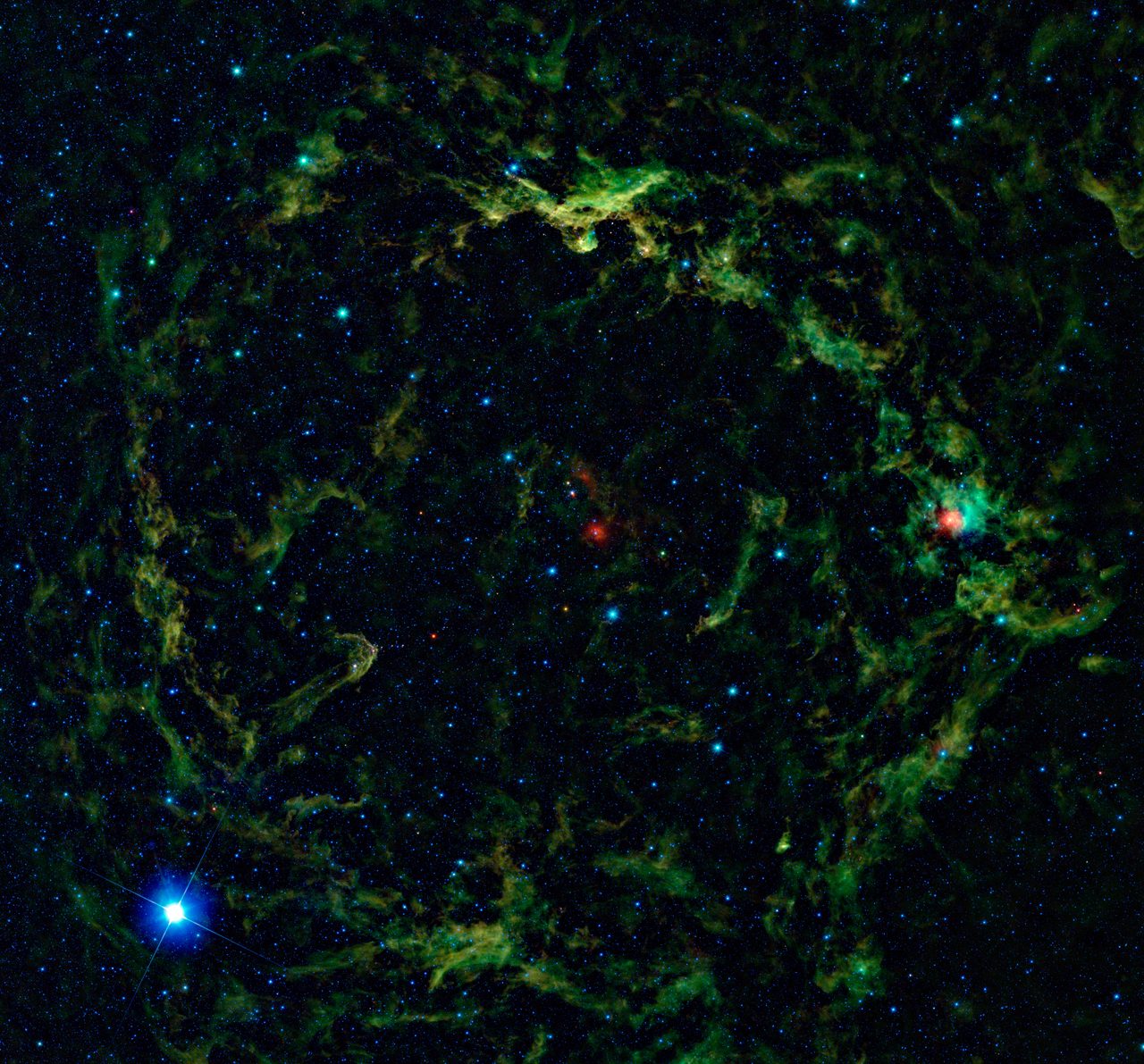
NASA's astronomy feature for 26 October turns to M42, the Great Nebula in Orion, a stellar nursery where gas and dust surround forming stars. It offers a different perspective from the day's orbital traffic: telescopes examine the processes that build stars, while tracking systems follow spacecraft much closer to home.
NASA is also highlighting satellite observations of autumn leaves. Seasonal changes in vegetation are one example of how Earth observation connects orbital instruments with familiar landscapes; Orbital Radar's Satellite Eye provides an entry point for exploring satellite imagery.
What to Watch
SpaceX's next listed Falcon 9 mission, Starlink Group 15-16, is marked Go for Launch for 27 October at 04:45 UTC. Starlink Group 15-18 follows on the schedule for 30 October at 04:02 UTC, also with Go for Launch status.
India's GSLV Mk II mission carrying IRNSS-1L, also designated NVS-03, is listed for 30 October at 17:00 UTC, but remains To Be Confirmed. These are scheduled opportunities rather than completed launches; follow the Orbital Radar Launch Schedule for timing and status changes.
Frequently Asked Questions
Does the STARCATCHER-1 and HOTSAT-3 close approach mean a collision is likely?
When is the next scheduled SpaceX Starlink launch?
📎 Cite this article · data available
Orbital Radar Newsroom. (2026). 18 close approaches tracked: Orbital Briefing, 26 October. Orbital Radar. https://orbitalradar.com/blog/orbital-briefing-2026-10-26"18 close approaches tracked: Orbital Briefing, 26 October." Orbital Radar, 26 October 2026, https://orbitalradar.com/blog/orbital-briefing-2026-10-26.@misc{orbitalradar_orbital_briefing_2026_10_26,
title = {18 close approaches tracked: Orbital Briefing, 26 October},
author = {{Orbital Radar}},
year = {2026},
howpublished = {\url{https://orbitalradar.com/blog/orbital-briefing-2026-10-26}}
}