This Week in Orbit: October 2026
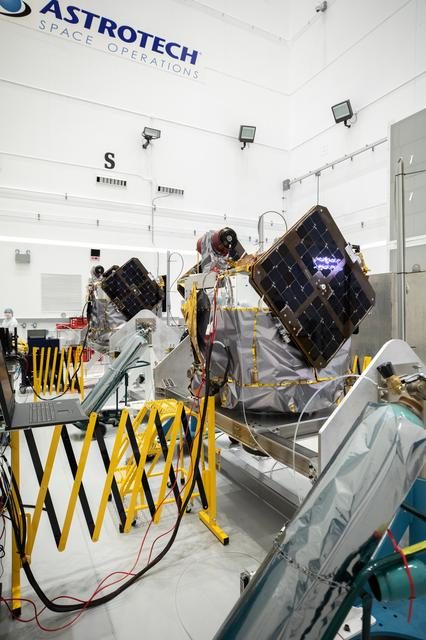
This week in space has seen a flurry of scientific discoveries and notable events. One of the highlights was the identification of a distant supercluster of galaxies, which may provide new insights into self-interacting dark matter.
| Active satellites | 15,874 |
| Starlink active | 10,081 |
| Catalogued objects | 31,796 |
| Predicted re-entries | 18 |
| Active close approaches | 15 |
| People in space | 10 |
Week Overview
This week in space has seen a flurry of scientific discoveries and notable events. One of the highlights was the identification of a distant supercluster of galaxies, which may provide new insights into self-interacting dark matter. Meanwhile, NASA's Artemis II mission continues to make progress, with the heat shield undergoing post-splashdown analysis. In a nod to the past, we also remembered France's Félicette, the first cat in space, who made her historic journey on 18 October 1963. Overall, 31,796 objects are catalogued in orbit, including 15,874 active satellites, according to Orbital Radar's live catalogue.
Launch Activity
This week saw no new launches, but preparations continue for upcoming missions. Blue Origin announced plans to expand its Florida launch facilities to increase the flight rate of its New Glenn rocket. SpaceX is also progressing with milestones for Starship Flights 15 and 16. For those tracking future launches, Orbital Radar's Launch Schedule provides up-to-date information on planned missions.
Orbital Events
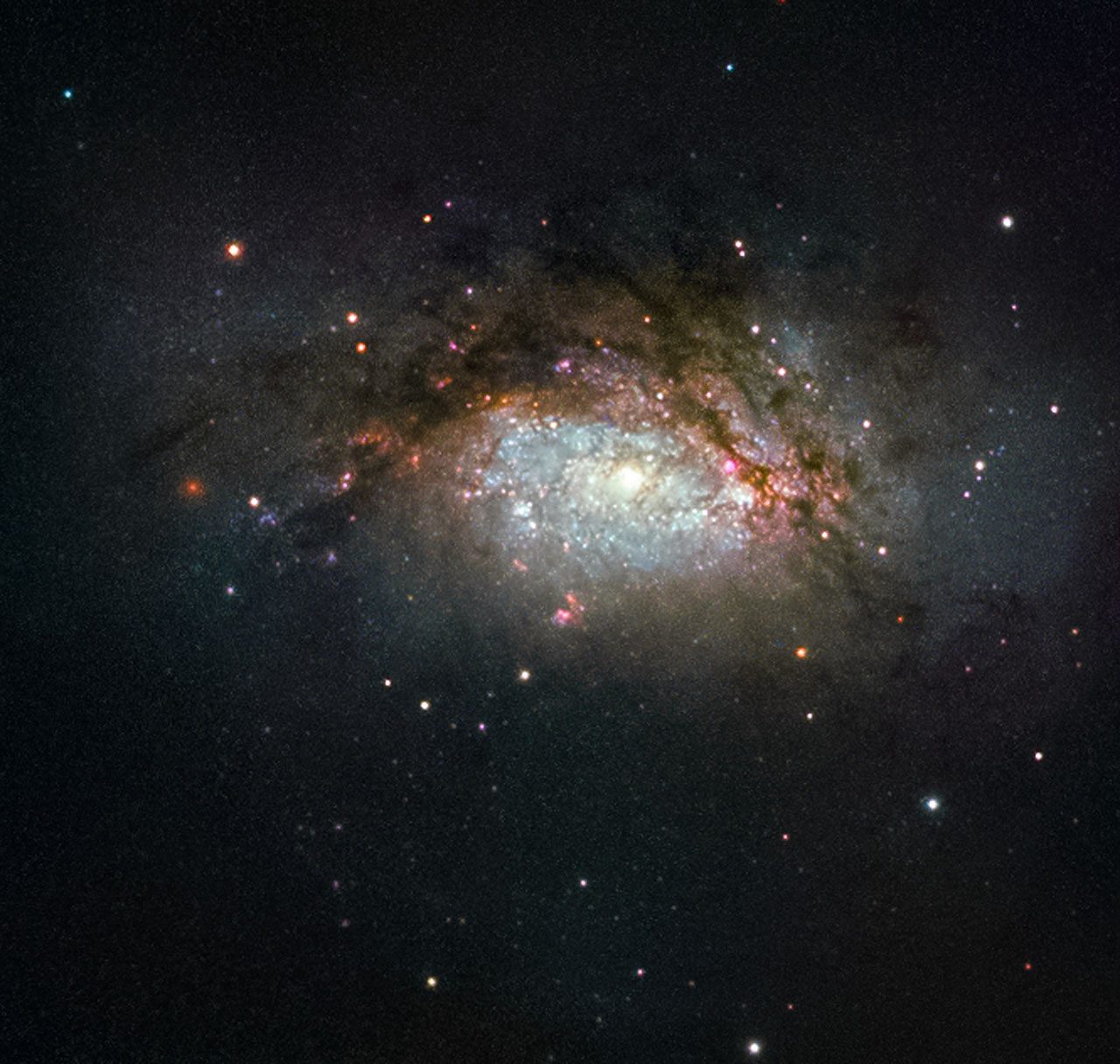
Several close approaches were monitored this week, including a minimum distance of 0.60 km between TIANHUI 5A and TIANHUI 5B. Such events highlight the growing congestion in orbit as the number of tracked objects reaches 31,795. The Debris Map on Orbital Radar offers a comprehensive view of the current space debris environment, helping to assess collision risks.
Space Weather
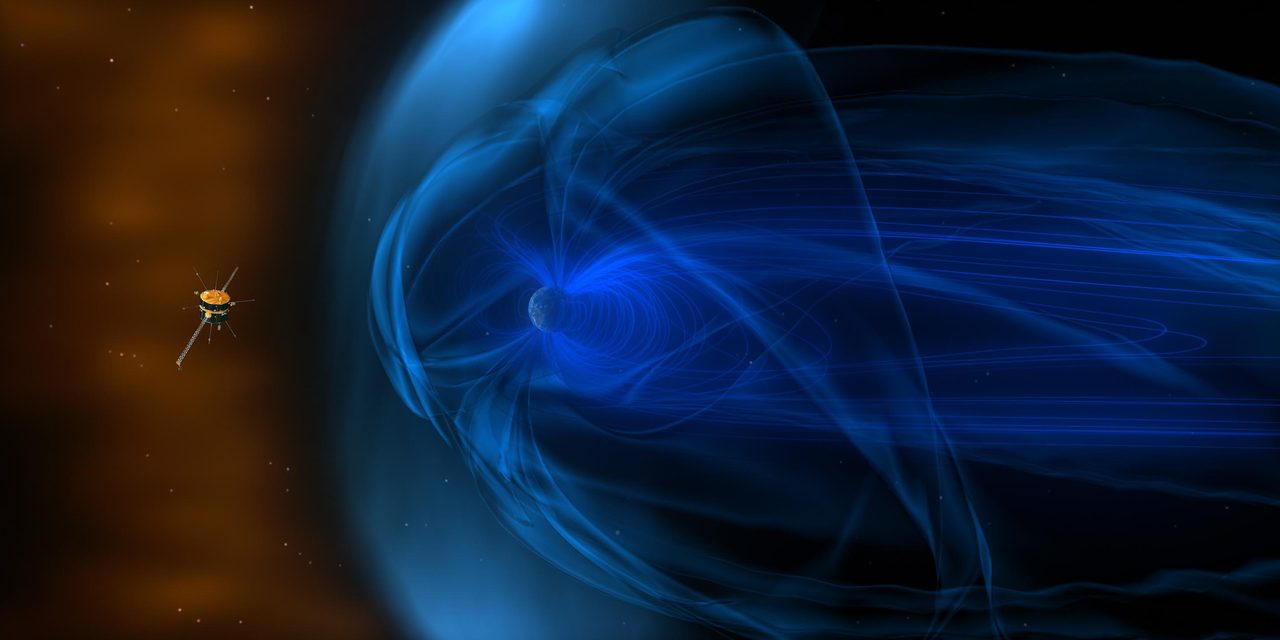
Space weather conditions remained stable this week, with all metrics indicating a 'green' status. The solar wind speed was measured at 424 km/s, and the geomagnetic activity index (kp) was at 0. These conditions suggest minimal impact on satellites and space operations. For real-time updates, the Space Situational Awareness toolkit on Orbital Radar is an essential resource.
Notable Satellites

The Starlink constellation continues to expand, with 10,081 satellites operational as of 21 October 2026. This includes 7,606 V2 Mini satellites. The Starlink Tracker on Orbital Radar provides detailed information on the constellation's status and individual satellite orbits. Additionally, Japan's upcoming MMX mission aims to collect samples from Mars's moon Phobos, promising exciting developments in planetary science.
Looking Ahead
Looking to the future, Japan is preparing to launch a spacecraft to Mars's moon Phobos, aiming to return soil samples. This mission could provide valuable insights into the formation of Mars and its moons. Meanwhile, the 2027 total solar eclipse is generating interest, with Spain identified as one of the best locations to view the event. Orbital Radar's Eclipse Tracker offers detailed predictions for this celestial event.
📎 Cite this article · data available
Orbital Radar Newsroom. (2026). This Week in Orbit: October 2026. Orbital Radar. https://orbitalradar.com/blog/this-week-in-orbit-2026-10-21"This Week in Orbit: October 2026." Orbital Radar, 19 October 2026, https://orbitalradar.com/blog/this-week-in-orbit-2026-10-21.@misc{orbitalradar_this_week_in_orbit_2026_10_21,
title = {This Week in Orbit: October 2026},
author = {{Orbital Radar}},
year = {2026},
howpublished = {\url{https://orbitalradar.com/blog/this-week-in-orbit-2026-10-21}}
}