2026: This Week in Orbit — 8 November
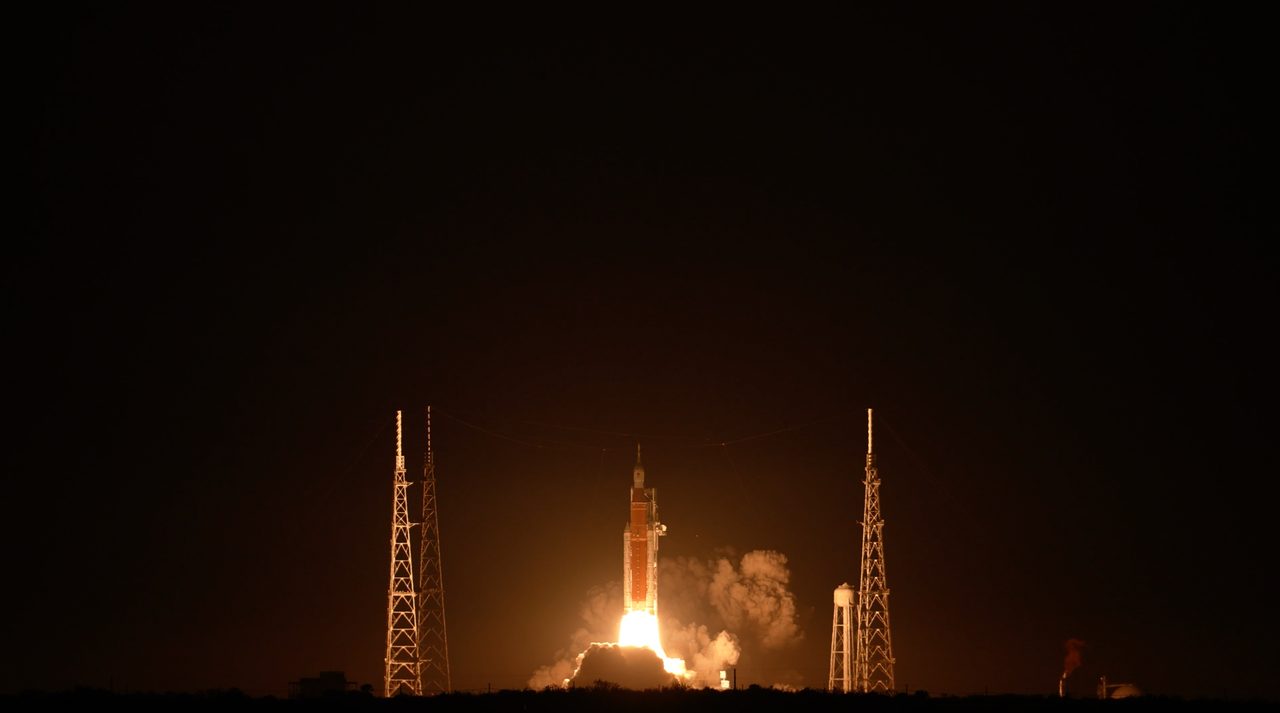
Classified launches, NASA’s astronaut recruitment and an approaching Amazon Leo mission shaped the week, while satellite close approaches highlighted the demands of managing crowded orbits.
| Active satellites | 16,683 |
| Starlink active | 9,897 |
| Catalogued objects | 32,097 |
| Active close approaches | 25 |
| People in space | 10 |
Week Overview
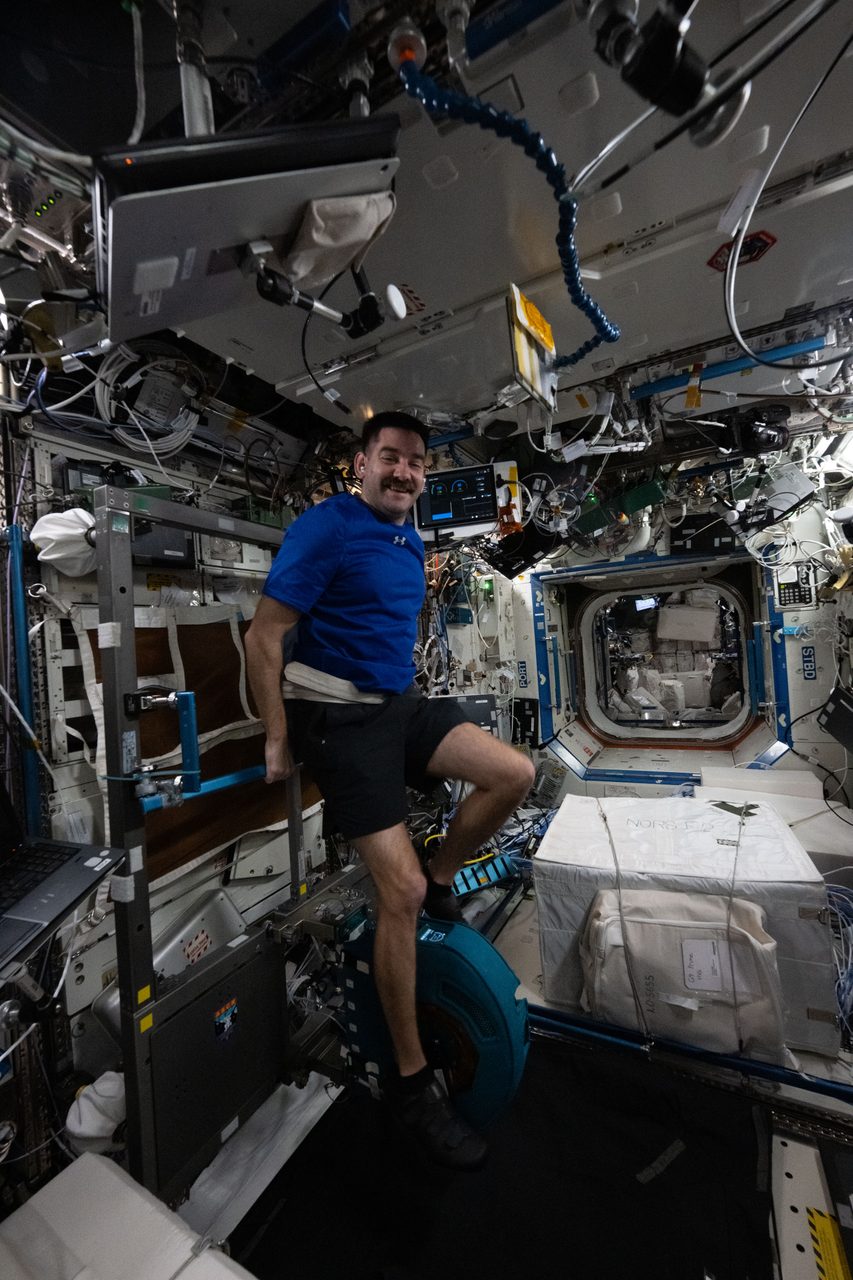
A successful Falcon 9 mission for the US Space Force and fresh NASA astronaut recruitment led a week spanning military spaceflight, lunar planning and commercial launch development. USSF-432 lifted off from California on 7 November, while NASA announced a search for explorers as it develops its Artemis programme and longer-term Moon base ambitions.
Orbital Radar tracking data recorded 16,683 active satellites in orbit as of 8 November 2026. That growing population provides the backdrop to both the week’s launches and the continuing work of monitoring close approaches between spacecraft and debris.
NASA also announced Moon base transportation, technology and science projects, alongside a $1 million student challenge. These are development efforts rather than evidence of an operating lunar base, but they show the breadth of work surrounding future surface missions. Orbital Radar’s Space Agencies directory at /space-agencies provides context on NASA and the other organisations pursuing human and robotic exploration.
Launch Activity
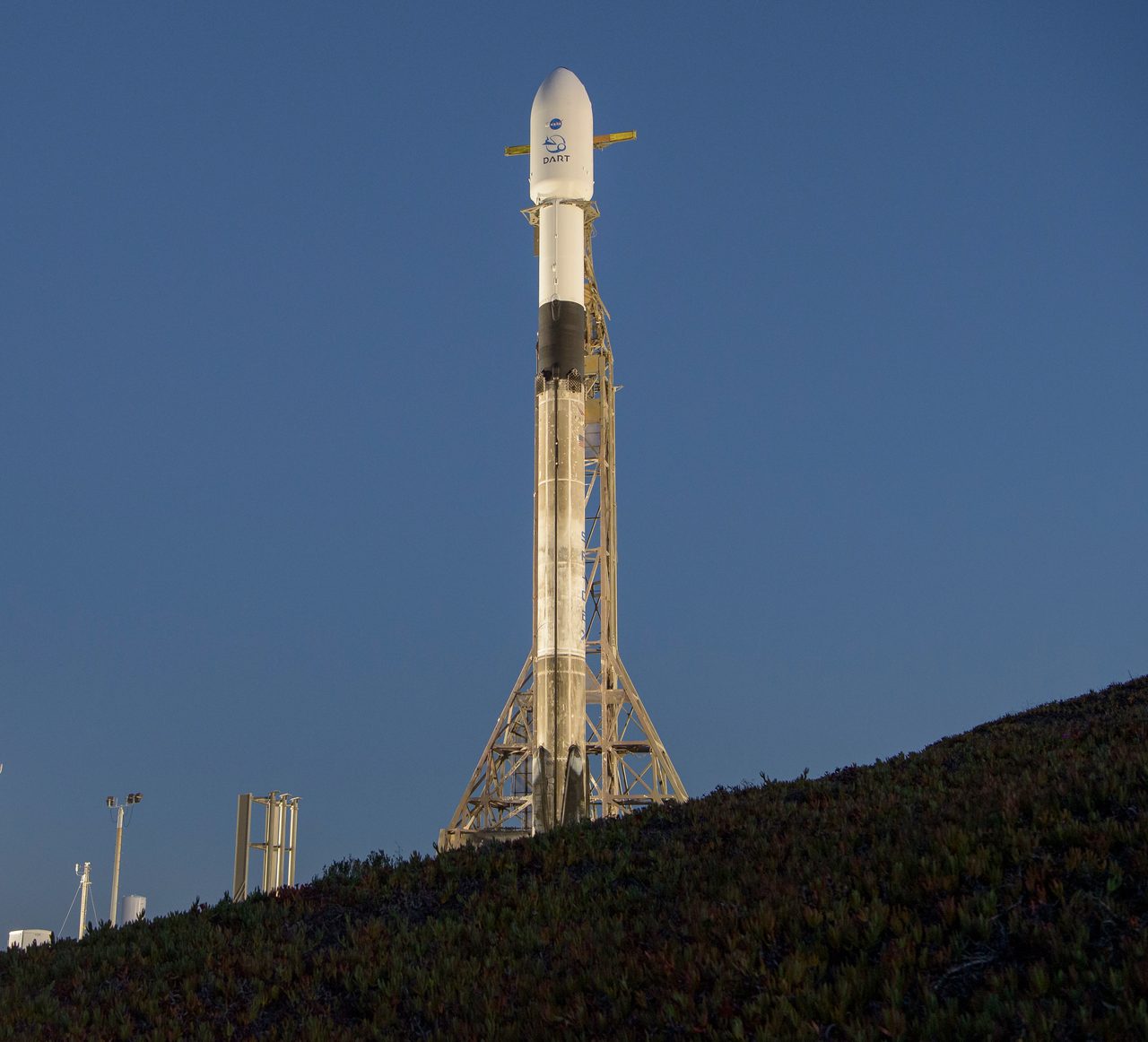
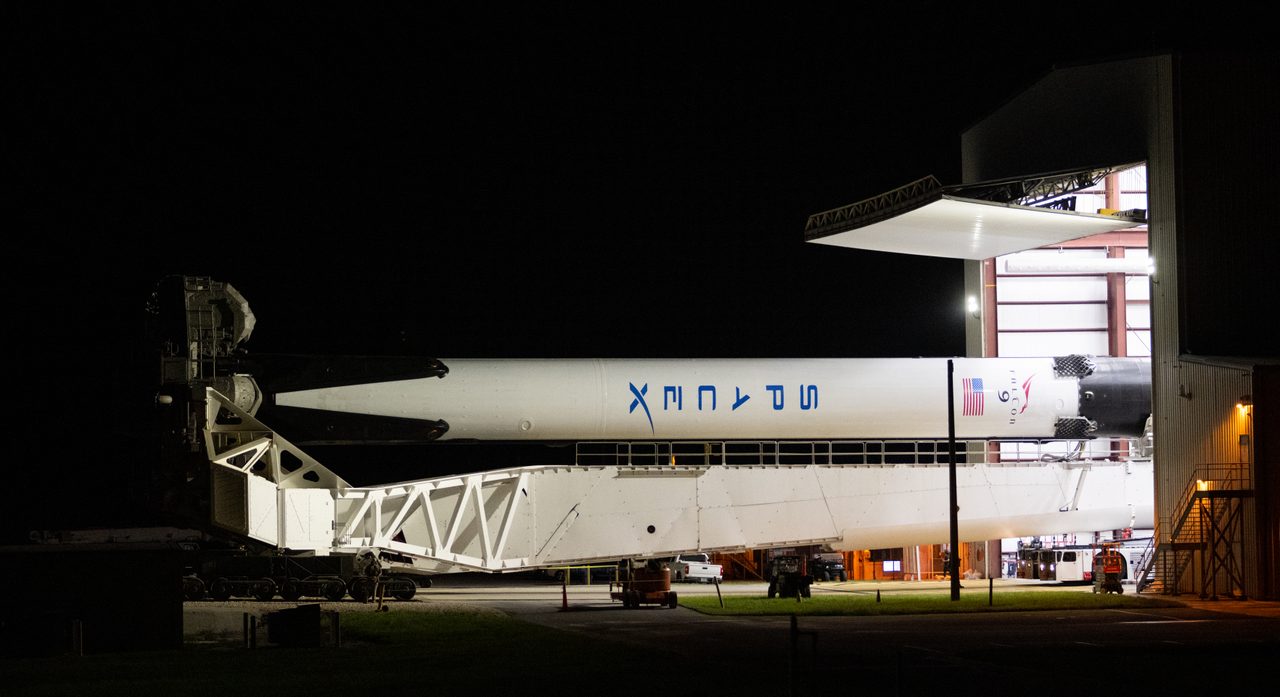
Falcon 9 Block 5 launched USSF-432 successfully at 00:48 UTC on 7 November 2026. The classified mission drew attention to California’s role in US national-security launches, although its payload’s purpose remains undisclosed.
Other successful launches included Galactic Energy’s Ceres-2 carrying four satellites at 23:37 UTC on 6 November, and a Soyuz 2.1b/Fregat mission at 13:30 UTC on 7 November. The Russian payload is provisionally identified as Glonass-K1, potentially carrying the designation Kosmos 2621; those identifications remain uncertain.
China’s Long March 2C launched Yaogan 51-07 to 09 successfully at 15:58 UTC on 5 November. A Long March 12 carrying a provisionally identified SatNet low Earth orbit group was scheduled for 20:25 UTC on 8 November, with its status still listed as go for launch rather than completed. Orbital Radar’s Launch Schedule at /launch-schedule distinguishes scheduled departures from successful missions, while the Launch Log at /satellite-launch-log provides the historical record.
Orbital Events
Orbital Radar tracking data listed 25 active close approaches under observation as of 8 November 2026. Among the encounters highlighted this week were STARLINK-5835 and STARLINK-5814 at an approximate minimum separation of 1.15 km, and the CZ-2C rocket body and UMBRA-13 at about 1.32 km.
COSMOS 2251 debris and TOM-1 were listed at approximately 1.74 km, while ICEYE-X80 and KITA-36 were at about 1.70 km. These distances describe proximity, not collision probability: assessing a potential collision also requires information about the uncertainty in each object’s position and the encounter geometry.
PROBA-3 CSC and PROBA-3 OSC appeared at approximately 1.97 km. Their inclusion illustrates why proximity alerts need mission context: spacecraft operating together can be close intentionally. Orbital Radar’s space situational awareness toolkit at /space-situational-awareness explains the monitoring task, while its Debris Map at /space-debris-map places rocket bodies and fragments within the wider orbital environment.
Space Weather
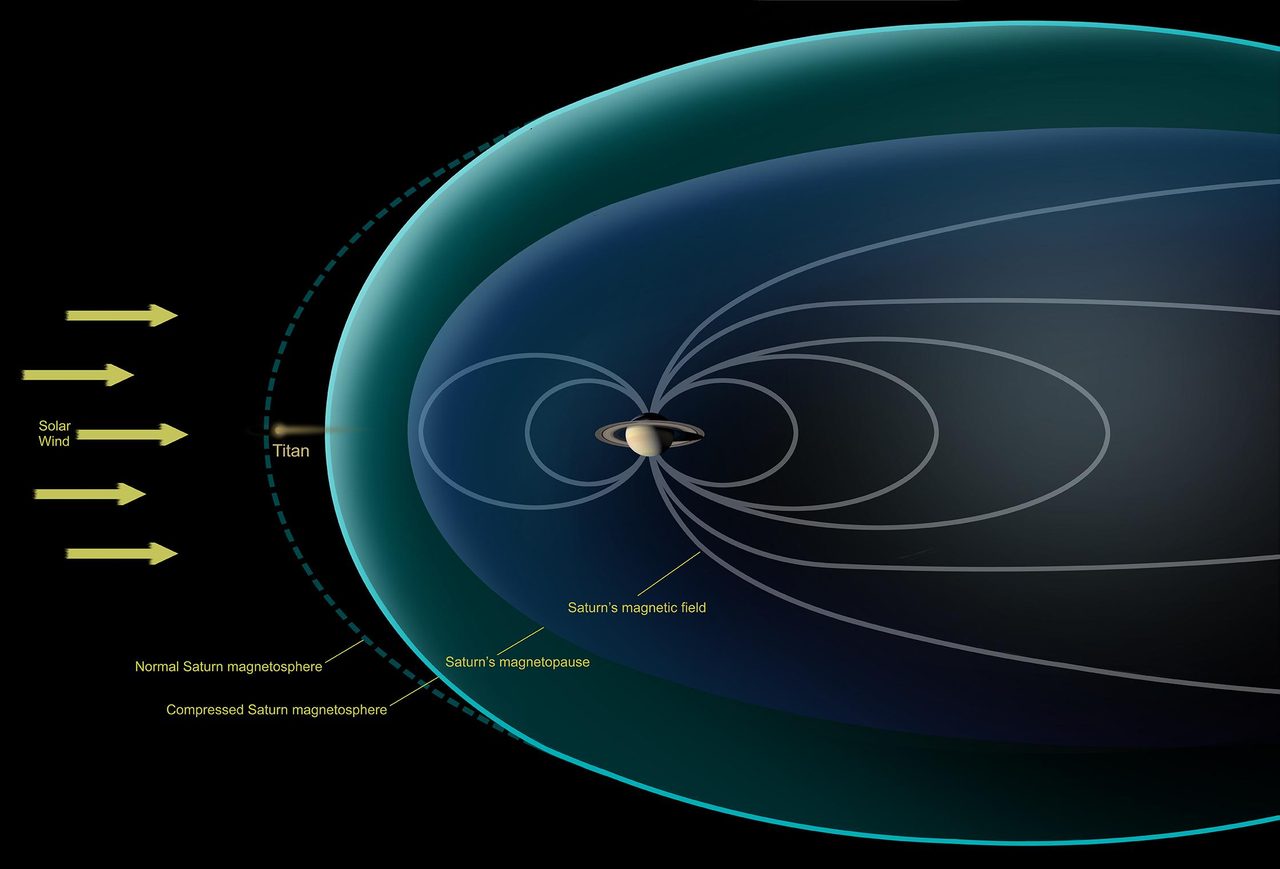
Solar wind speed reached 745 km/s in the current readings, but the planetary Kp index stood at 0. Kp measures global geomagnetic disturbance, so fast solar wind alone should not be read as evidence that a geomagnetic storm is under way.
The north–south component of the interplanetary magnetic field, Bz, was −2.4 nanoteslas, while the Dst index, a measure of disturbance in Earth’s equatorial magnetic environment, was −26 nanoteslas. A southward magnetic field can favour the transfer of solar-wind energy into Earth’s magnetic environment, but these measurements need to be interpreted together rather than in isolation.
Orbital Radar’s regional risk indicators marked low Earth orbit red, geostationary orbit yellow and the International Space Station green. These are monitoring categories, not reports of spacecraft damage or service interruption. Readers can use the Space Academy at /academy for background on how solar activity affects spacecraft operations and the Glossary at /glossary to unpack space-weather terminology.
Notable Satellites
Starlink had 9,897 operational satellites as of 8 November 2026, according to Orbital Radar tracking data. A further 1,076 were raising their orbits and 230 were deorbiting, highlighting the continual movement behind a constellation often depicted as a fixed network. The Orbital Radar Starlink Tracker at /starlink-tracker provides a way to explore that fleet.
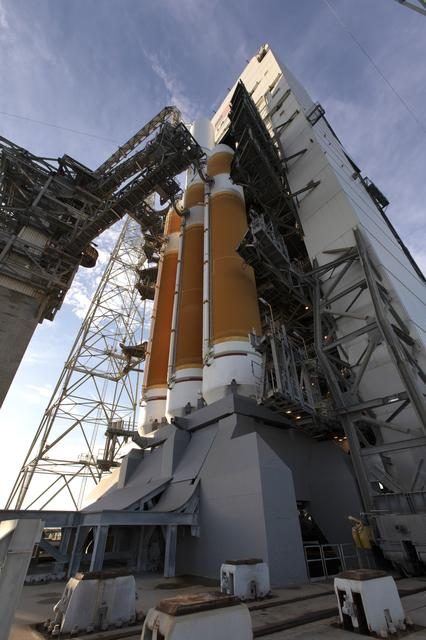
Amazon Leo, the name used for the former Project Kuiper since November 2025, remained a smaller network: its production missions had placed 396 satellites into orbit. Its next scheduled launch, LV-01, is due no earlier than 13 November 2026 aboard United Launch Alliance’s Vulcan Centaur.
Amazon missed its 30 July 2026 interim deployment milestone, but a conditional Federal Communications Commission waiver keeps its licence in force. Its first-generation fleet of 3,232 satellites remains due by 30 July 2029. Consumer service has not yet opened; Amazon says initial availability will begin before the end of 2026 in the US, UK, France, Germany and Canada.
Looking Ahead
National-security missions remain prominent in the coming launch schedule. Falcon 9 flights USSF-627 and USSF-317 are scheduled for 10 and 13 November respectively, alongside a Long March 2D mission carrying an unidentified payload on 11 November.
Commercial missions include Vulcan’s Amazon Leo LV-01 flight at 17:54 UTC on 13 November and Electron’s The Mountain God Rises, also designated iQPS Launch 10, at 05:30 UTC on 14 November. Starship Flight 15, carrying Starlink Group 31-2, is listed for 13 November at 22:45 UTC, but remains to be confirmed. All remain prospective departures, not completed launches.
Beyond the launch calendar, Stoke Space is evaluating an expansion at its Cape site for a second Nova pad. AST SpaceMobile also announced a $1.3 billion engine agreement with Firefly Aerospace for a new heavy-lift rocket. Orbital Radar’s Launch Vehicles directory at /launch-vehicles/ offers context on the rockets competing for these military, broadband and commercial missions.
Cite this article
Pick a style, then copy it or download it for your reference manager.Orbital Radar. (2026, November 17). 2026: This Week in Orbit — 8 November. Retrieved November 17, 2026, from https://orbitalradar.com/blog/this-week-in-orbit-2026-11-08
“2026: This Week in Orbit — 8 November.” Orbital Radar, 17 Nov. 2026, orbitalradar.com/blog/this-week-in-orbit-2026-11-08. Accessed 17 Nov. 2026.
Orbital Radar (2026) 2026: This Week in Orbit — 8 November. Available at: https://orbitalradar.com/blog/this-week-in-orbit-2026-11-08 (Accessed: 17 November 2026).
Orbital Radar. “2026: This Week in Orbit — 8 November.” Last modified November 17, 2026. https://orbitalradar.com/blog/this-week-in-orbit-2026-11-08.
@misc{orbitalradar_blog_this_week_in_orbit_2026_11_08,
  author       = {{Orbital Radar}},
  title        = {2026: This Week in Orbit — 8 November},
  year         = {2026},
  month        = nov,
  howpublished = {\url{https://orbitalradar.com/blog/this-week-in-orbit-2026-11-08}},
  url          = {https://orbitalradar.com/blog/this-week-in-orbit-2026-11-08},
  urldate      = {2026-11-17},
  note         = {Accessed 2026-11-17}
}
TY - ELEC AU - Orbital Radar, TI - 2026: This Week in Orbit — 8 November PY - 2026 DA - 2026/11/17 PB - Orbital Radar UR - https://orbitalradar.com/blog/this-week-in-orbit-2026-11-08 Y2 - 2026/11/17 LA - en ER -
Live figures change, so keep the date you accessed the page. How to cite Orbital Radar