Space News Mission Log — Satellite Launches, Orbital Events & Analysis
Daily space news, satellite launch reports, orbital debris analysis and weekly roundups — grounded in live tracking data from our network monitoring 12 published reports.
Medium Earth Orbit: Understanding Its Role in Satellite Operations
Medium Earth Orbit (MEO) is a region of space where satellites orbit at altitudes between 2,000 and 35,786 km, crucial for navigation and communications.
BeiDou-3: China's Global Navigation System
BeiDou-3 is the third generation of China's BeiDou Navigation Satellite System (BDS), designed to provide global navigation services. Officially completed in June 2020, BeiDou-3 offers services such as positioning, navigation, and timing (PNT) globally.

Orbital Mechanics Explained: How Satellites Stay in Orbit
Orbital mechanics govern how satellites remain in orbit, balancing gravitational forces and velocity to maintain stable paths.
Satellite Spotlight: BeiDou-3 — China's Global Navigation System
BeiDou-3 is the third generation of China's BeiDou Navigation Satellite System (BDS), designed to provide global navigation and positioning services. Officially completed in 2020, BeiDou-3 represents a significant advancement over its predecessors, BeiDou-1 and BeiDou-2, expanding coverage from regi
GLONASS-K: Russia's Next-Generation Navigation Satellites
GLONASS-K is the third generation of Russia's Global Navigation Satellite System (GNSS), designed to provide real-time positioning and timing data for military and civilian users worldwide. The system is a counterpart to the United States' GPS (Global Positioning System) and the European Union's Gal
What Satellite Is Above Me Right Now? A Comprehensive Guide
Find out which satellite is currently above you by using real-time tracking tools. Understand satellite types, orbits, and how to observe them.
GPS IIR-11: The Backbone of Global Navigation
GPS IIR-11, also known by its NORAD ID 26407, is a satellite in the Global Positioning System (GPS) constellation, which provides geolocation and time information to a GPS receiver anywhere on Earth. Launched on 6 November 2004, it is part of the Block IIR series, which comprises 21 satellites desig
GLONASS-K: Russia's Advanced Navigation Satellites
GLONASS-K is the latest generation of Russia's Global Navigation Satellite System (GNSS), designed to provide precise positioning and timing services globally. The GLONASS (Global Navigation Satellite System) programme is Russia's counterpart to the United States' GPS and the European Union's Galile

Galileo FOC: Europe's Navigation Constellation
Galileo FOC (Full Operational Capability) is the European Union's global navigation satellite system, designed to provide highly accurate positioning data worldwide. Unlike the United States' GPS or Russia's GLONASS, Galileo is a civilian-controlled system, managed by the European Union Agency for t
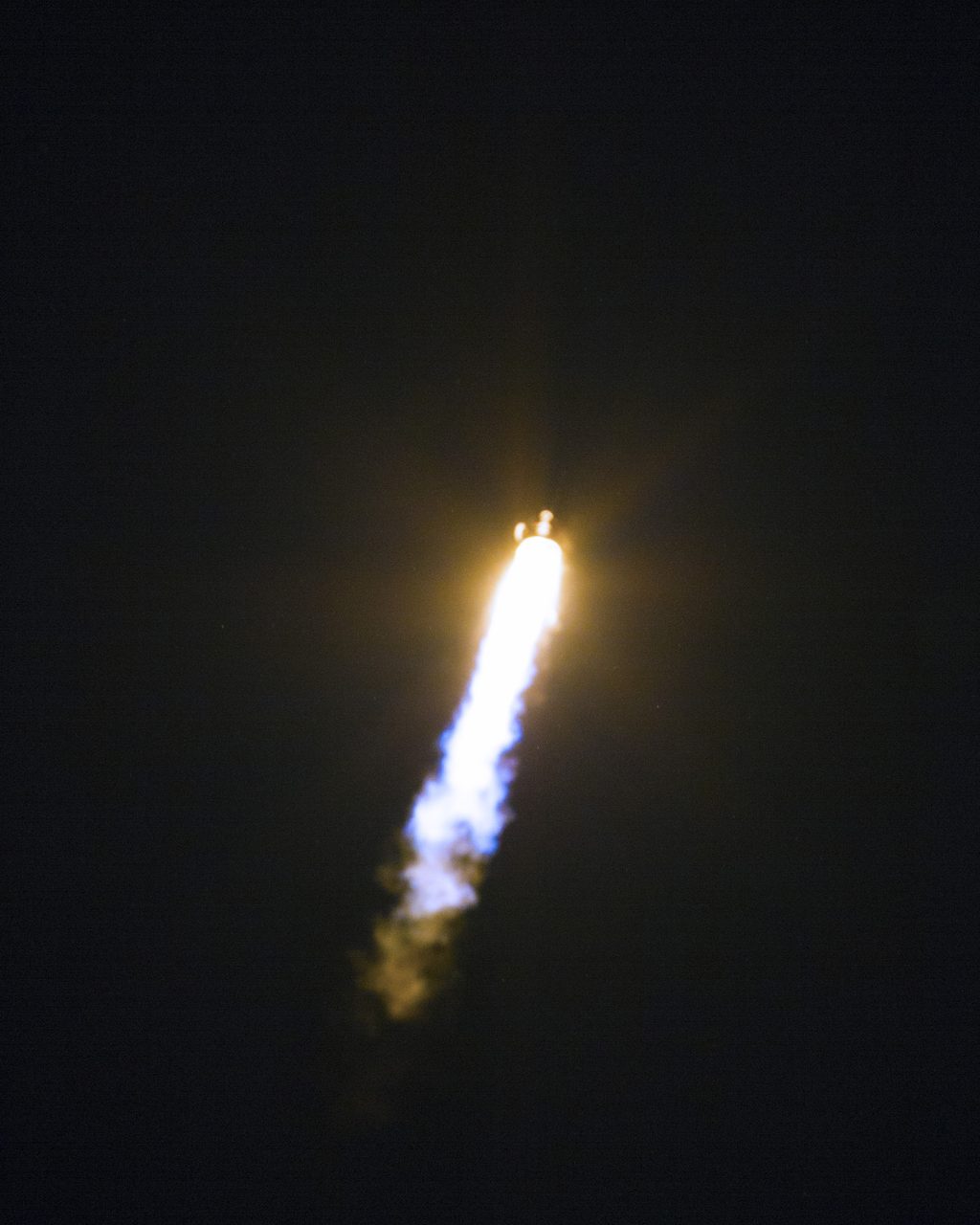
What Is That Moving Light in the Night Sky? Explained
Moving lights in the night sky are often satellites or space debris. Learn how to identify them and understand their movement.

Geostationary Orbit: How Satellites Hover Over One Spot
Geostationary orbit allows satellites to remain fixed over a single Earth location, crucial for communications and weather monitoring.
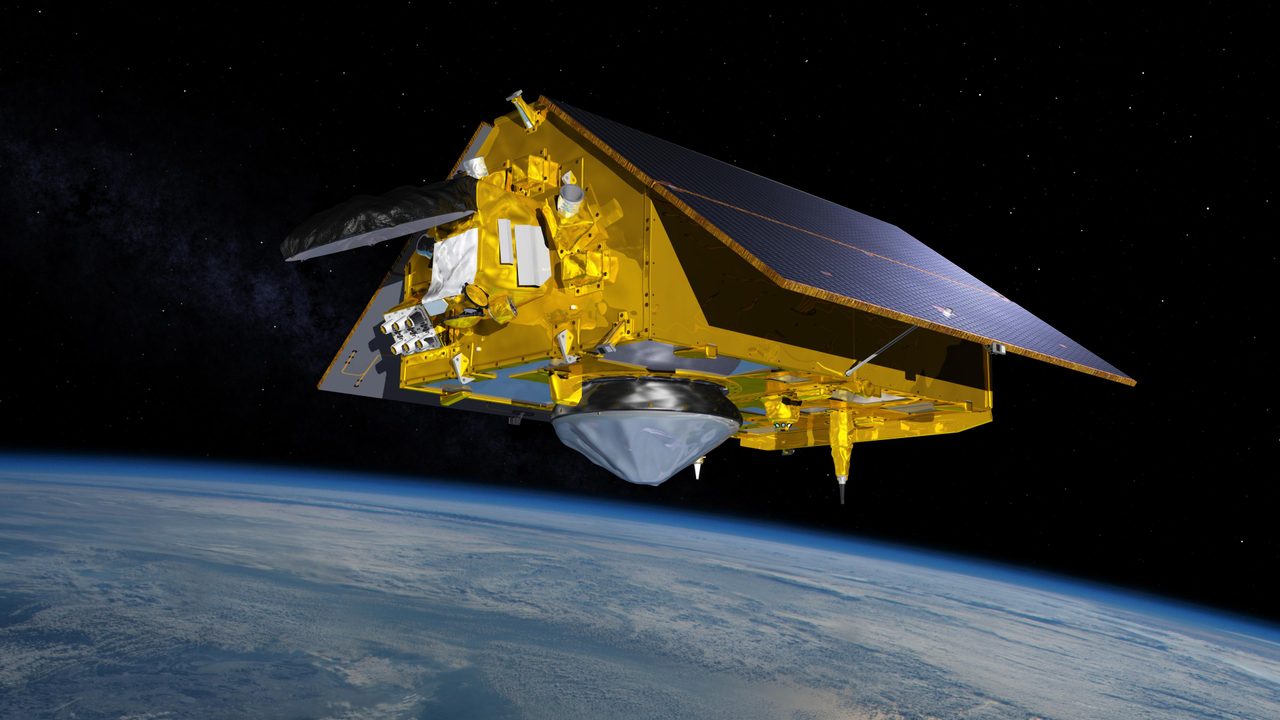
GPS IIR-11: The Backbone of Global Navigation
GPS IIR-11, also known as USA-158, is part of the Block IIR series of GPS satellites, which were designed to enhance the accuracy and reliability of the Global Positioning System (GPS). Launched on 31 March 2003, GPS IIR-11 (NORAD ID: 27704) is one of the 21 Block IIR satellites that were built by L