Space News Mission Log — Satellite Launches, Orbital Events & Analysis
Daily space news, satellite launch reports, orbital debris analysis and weekly roundups — grounded in live tracking data from our network monitoring 34 published reports.
Urban Stargazing: The Milky Way Above Seoul
Discover the Milky Way's splendour over Seoul, captured with infrared techniques to pierce through city lights.
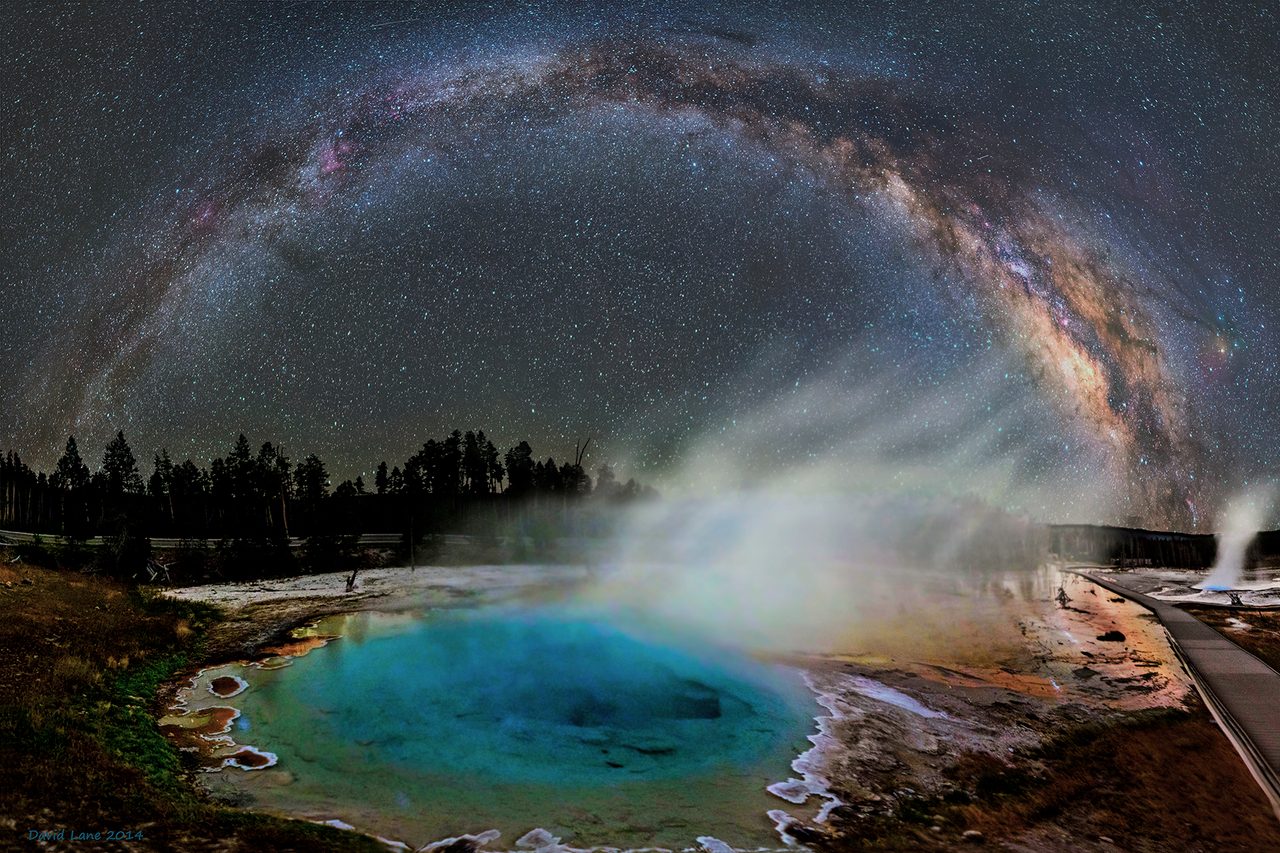
Celestial Symphony: The Milky Way Over Yellowstone's Silex Spring
Discover the breathtaking view of the Milky Way arching over Yellowstone's Silex Spring, a unique blend of terrestrial and celestial wonders.
The Milky Way and Yellowstone's Fiery Heart
A celestial view over Yellowstone's Silex Spring captures the Milky Way's grandeur, showcasing the interplay of cosmic and geothermal forces.

Lunar Radio Telescope Plans and Milky Way's Fastest Star
Plans for a lunar radio telescope advance as the fastest star in the Milky Way is discovered. Satellite close approaches highlight orbital congestion.
Celestial Reflections: Perseid Meteor and Milky Way
A Perseid meteor illuminates the night sky over La Palma, captured alongside the Milky Way and reflected in the LST-1 telescope's mirror.

Celestial Duet: Milky Way and Zodiacal Light Over Atacama
The Atacama Desert offers a stunning view of the Milky Way and zodiacal light, revealing insights into cosmic dust origins.
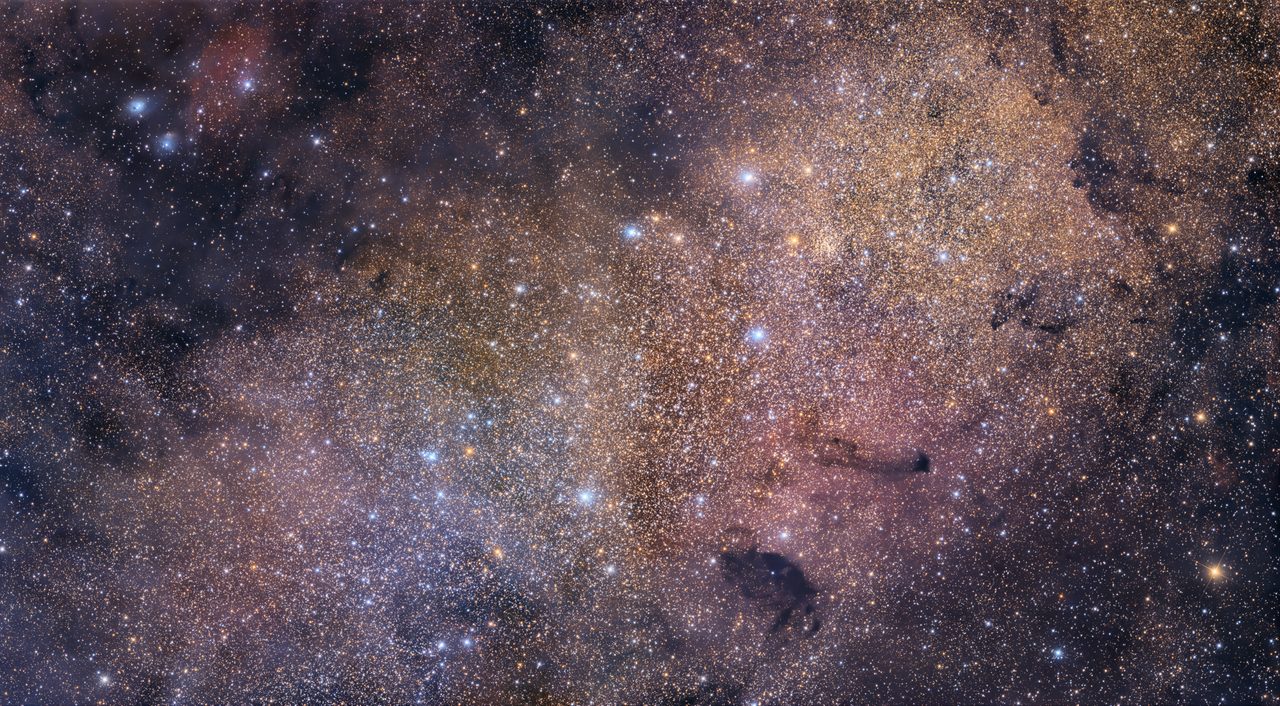
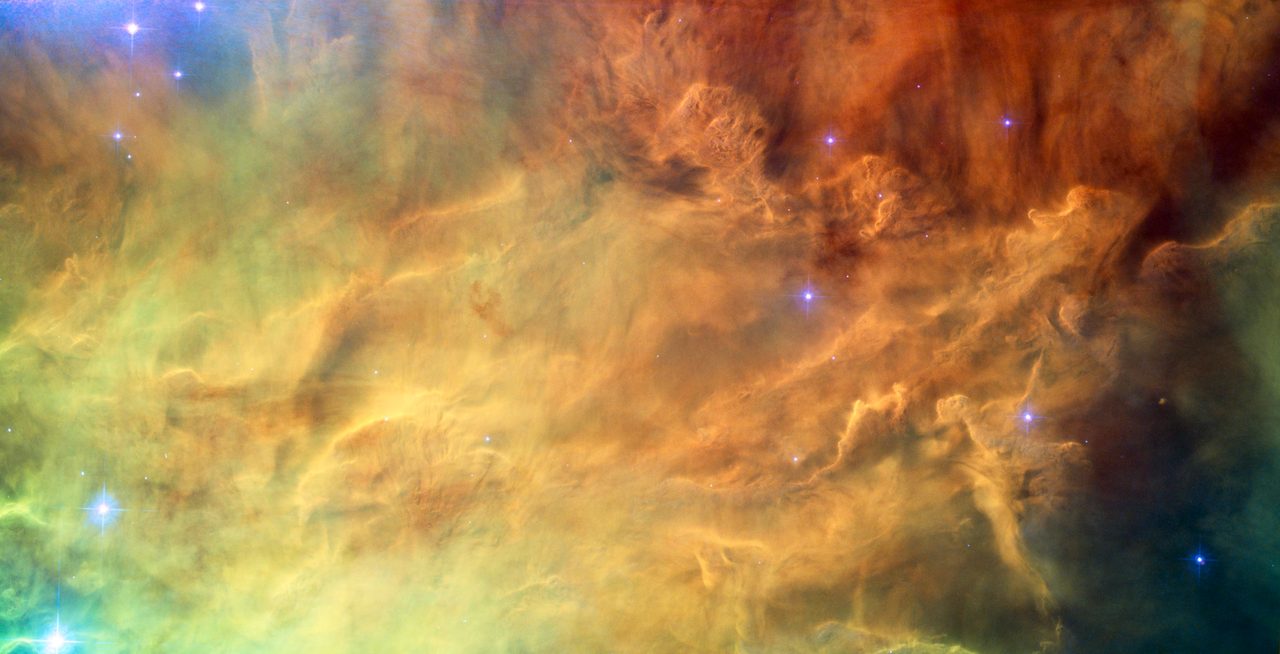
Peering Through the Sagittarius Star Cloud: A Cosmic Window
Messier 24 offers a rare glimpse into the Sagittarius arm of the Milky Way, through a gap in interstellar dust.
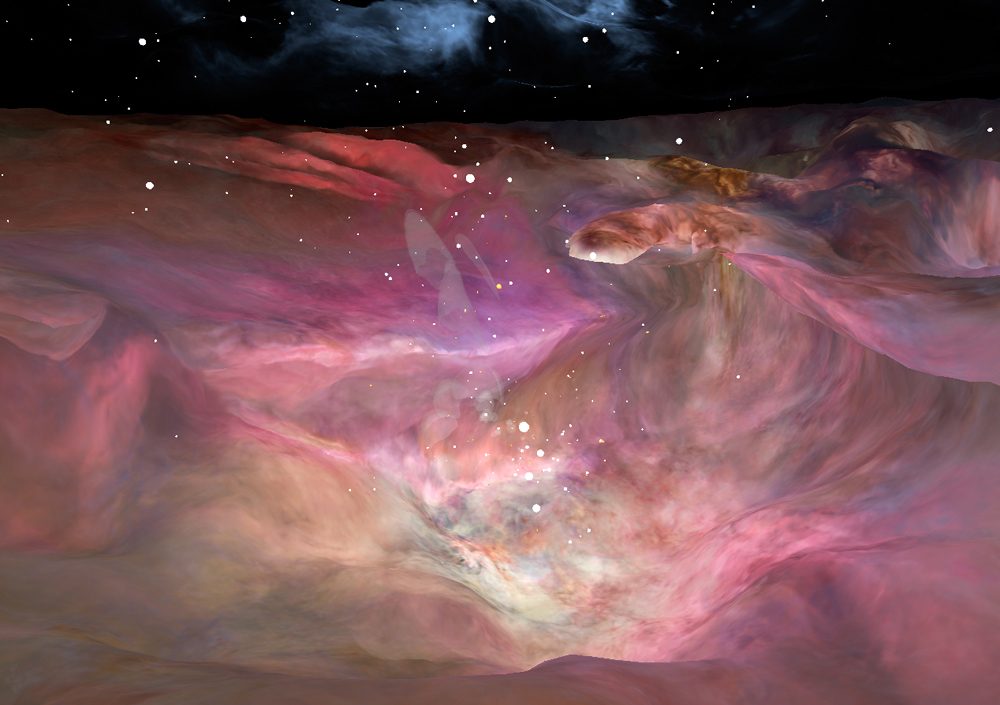
Omega Centauri: A Stellar Enigma in Our Galactic Halo
Omega Centauri, the largest globular cluster in the Milky Way, may hold clues to galactic mergers. Discover its mysteries and stellar populations.
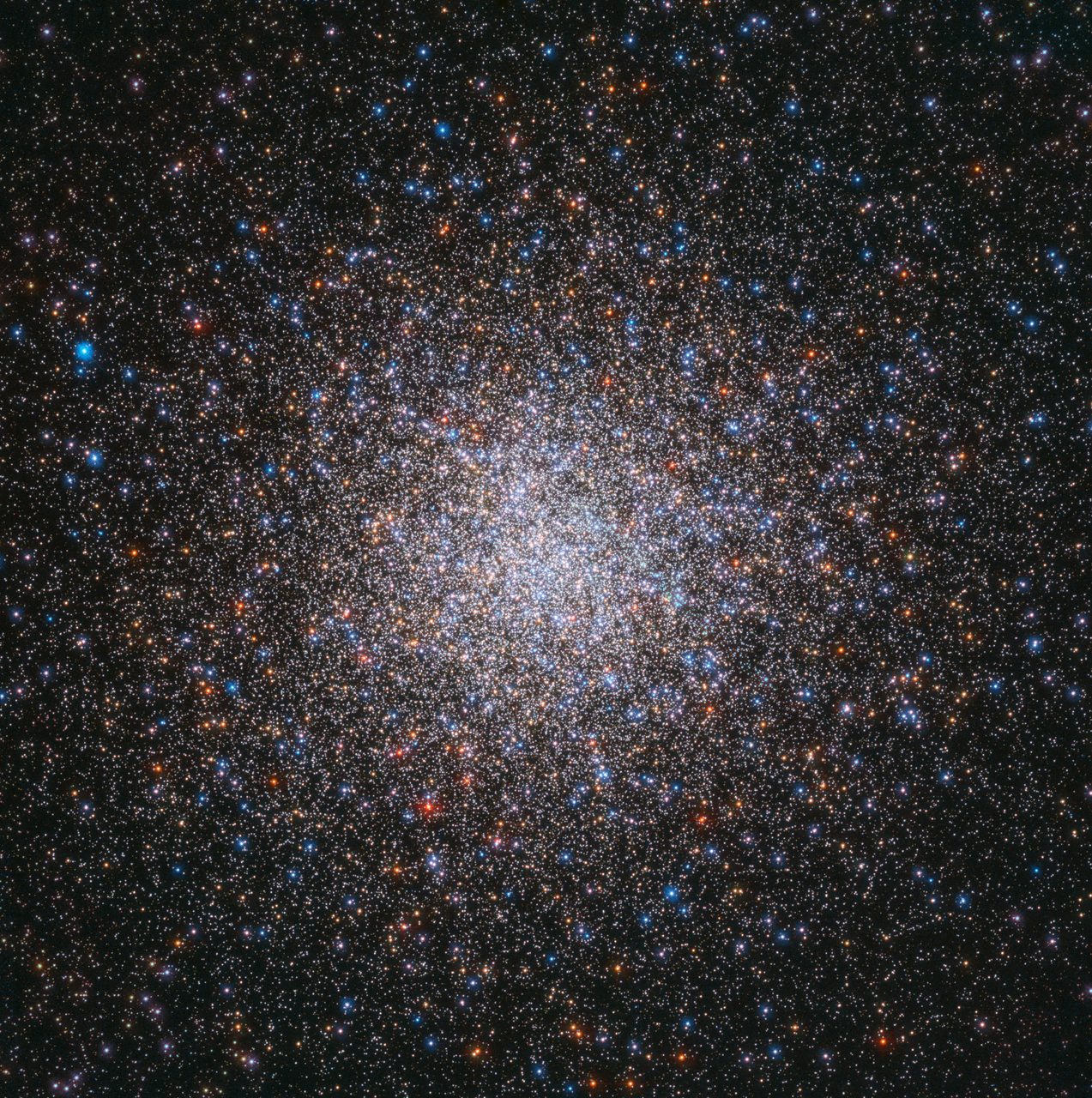
Exploring Messier 2: A Stellar Time Capsule
Messier 2, a vast globular cluster in the Milky Way, holds 150,000 stars within 175 light-years, revealing ancient cosmic history.
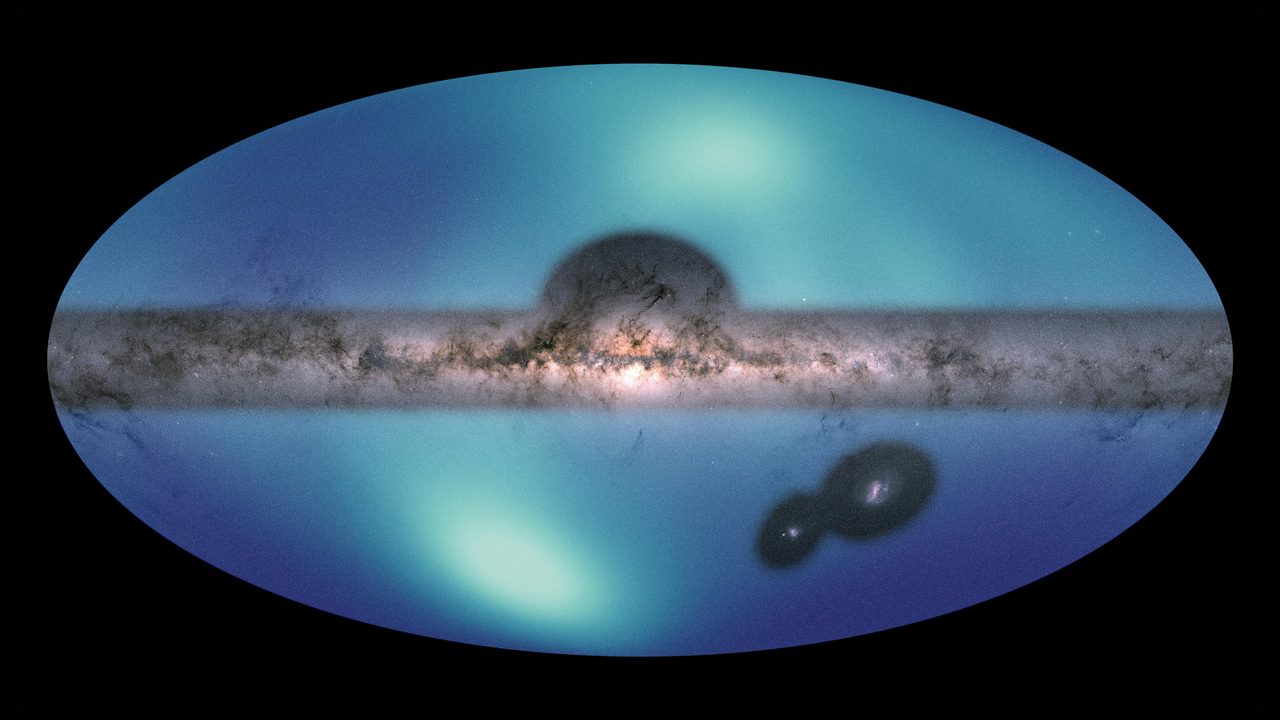
Gaia: ESA's Billion-Star Surveyor at L2
Launched by the European Space Agency (ESA) on 19 December 2013, Gaia is a space observatory designed to create a precise three-dimensional map of the Milky Way. The spacecraft's mission is to chart the positions, distances, and motions of over one billion stars, providing unprecedented insight into
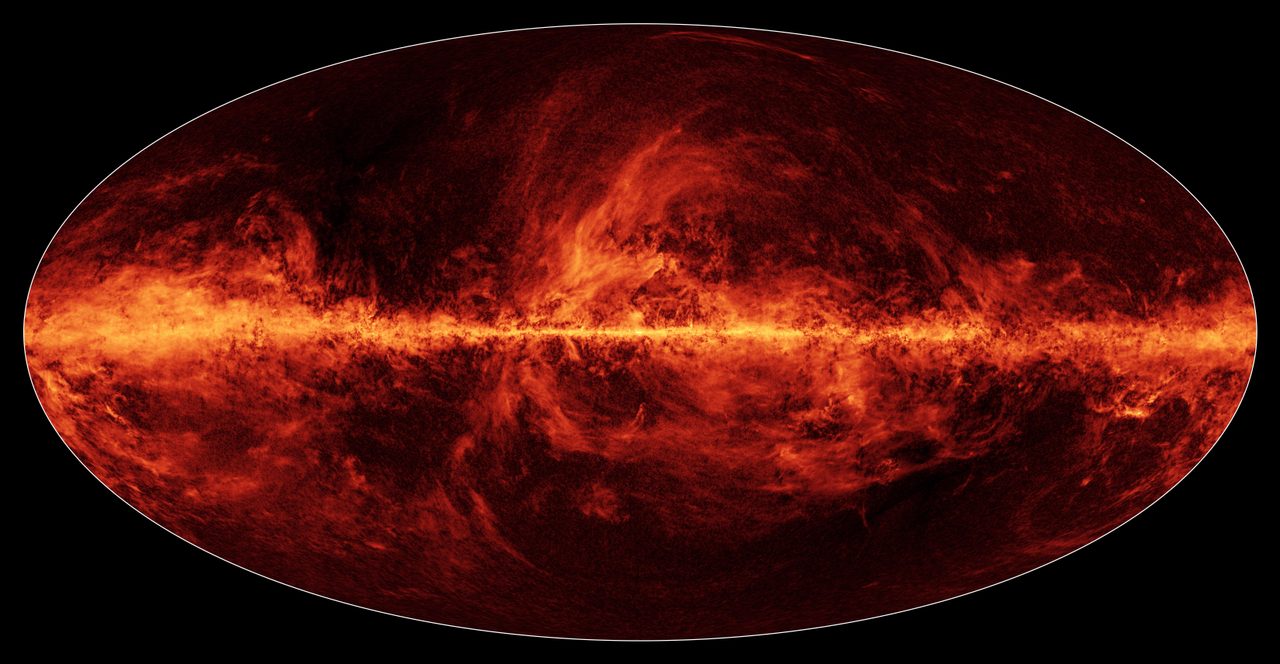
Gaia: ESA's Billion-Star Surveyor at L2
Gaia is a European Space Agency (ESA) mission designed to create a precise three-dimensional map of the Milky Way galaxy. Launched on 19 December 2013, Gaia's primary objective is to catalogue approximately one billion stars, measuring their positions, distances, and motions with unprecedented accur

Gaia: ESA's Billion-Star Surveyor at L2
Launched by the European Space Agency (ESA) on 19 December 2013, Gaia is a space observatory designed to map the positions and motions of over a billion stars in our galaxy with unprecedented precision. The mission aims to construct a detailed 3D map of the Milky Way, providing insights into its com