Lunar Radio Telescope Plans and Milky Way's Fastest Star

Plans for a lunar radio telescope advance as the fastest star in the Milky Way is discovered. Satellite close approaches highlight orbital congestion.
Lunar Radio Telescope Plans Advance
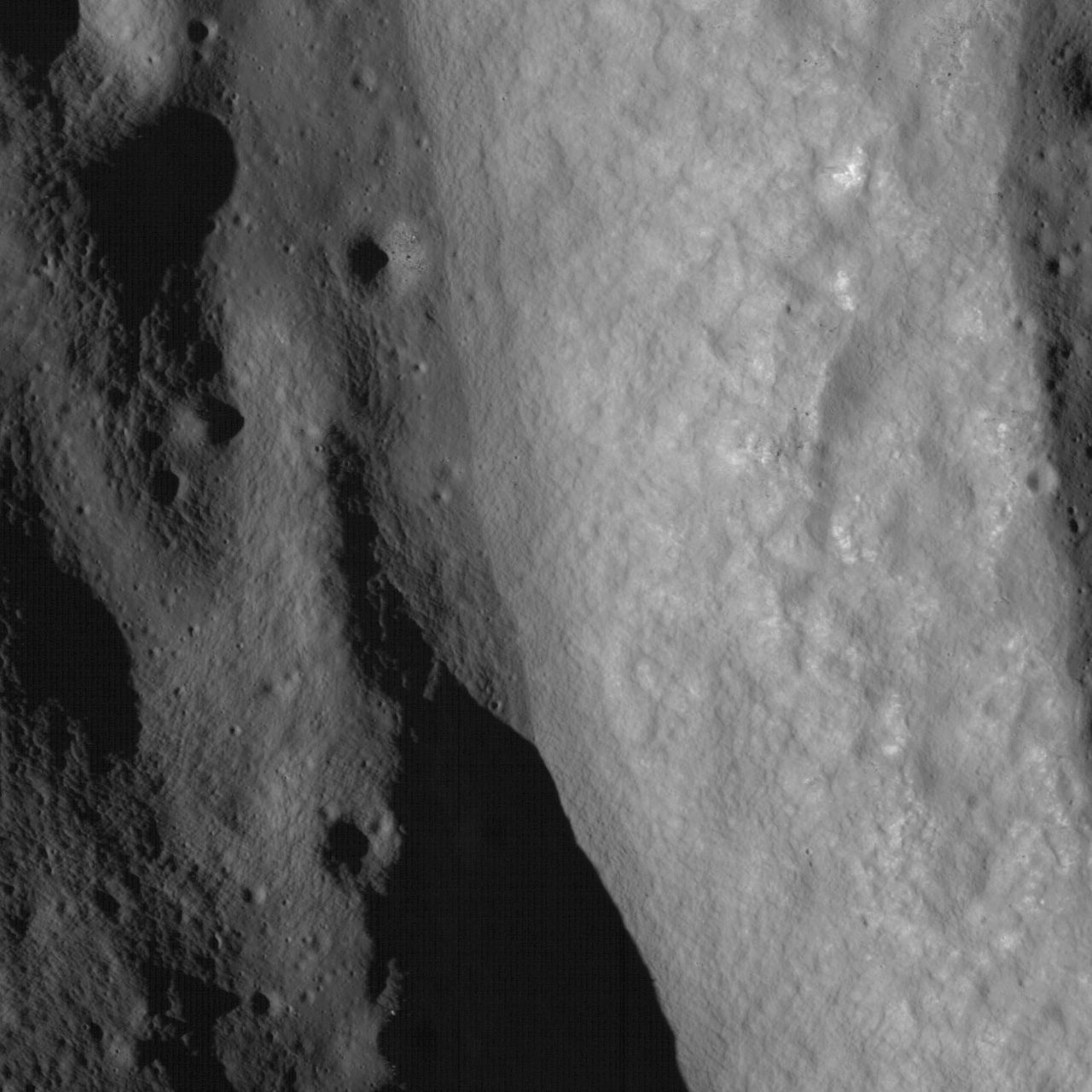
Efforts to build a radio telescope on the Moon are gaining momentum, as reported by Phys.org. The project aims to leverage the Moon's far side to shield the telescope from Earth's radio interference, offering a unique opportunity for deep space observation. Such a facility could revolutionise our understanding of the cosmos by providing unprecedented clarity in radio astronomy. For more on lunar missions, see our Moon Globe.
Fastest Star in the Milky Way Discovered
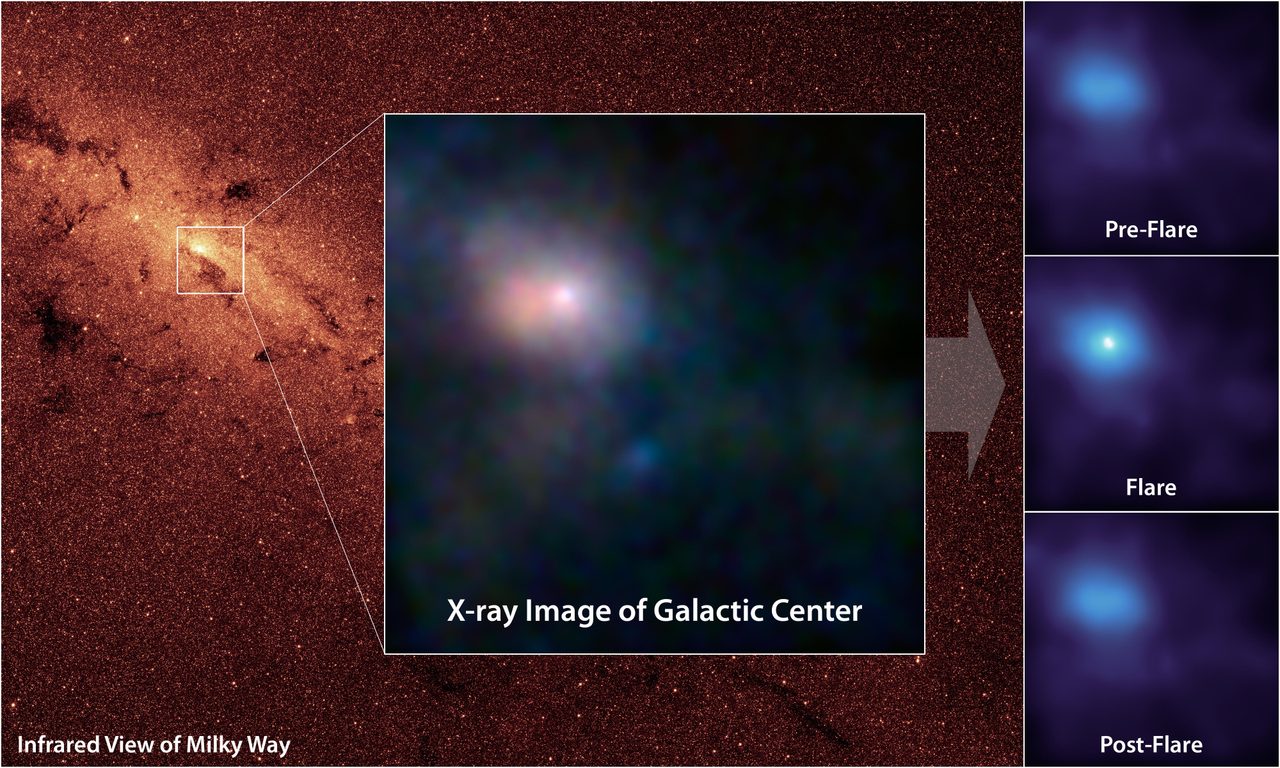
Astronomers have identified the fastest known star in the Milky Way, orbiting the supermassive black hole at the galaxy's centre. This star travels at an astonishing speed of 15,500 miles per second. The discovery, covered by Space.com, provides insights into the dynamics near black holes and the gravitational forces at play. Such findings are crucial for understanding the extreme environments in our galaxy.
Close Satellite Approaches Highlight Orbital Congestion
Recent data indicates several close approaches between satellites, underscoring the growing congestion in low Earth orbit (LEO). Notably, GRUS-3A and ICEYE-X81 came within approximately 1.67 km of each other. These events highlight the importance of tracking and managing satellite orbits to prevent collisions. For real-time updates on satellite movements, check our Debris Map.
What to Watch
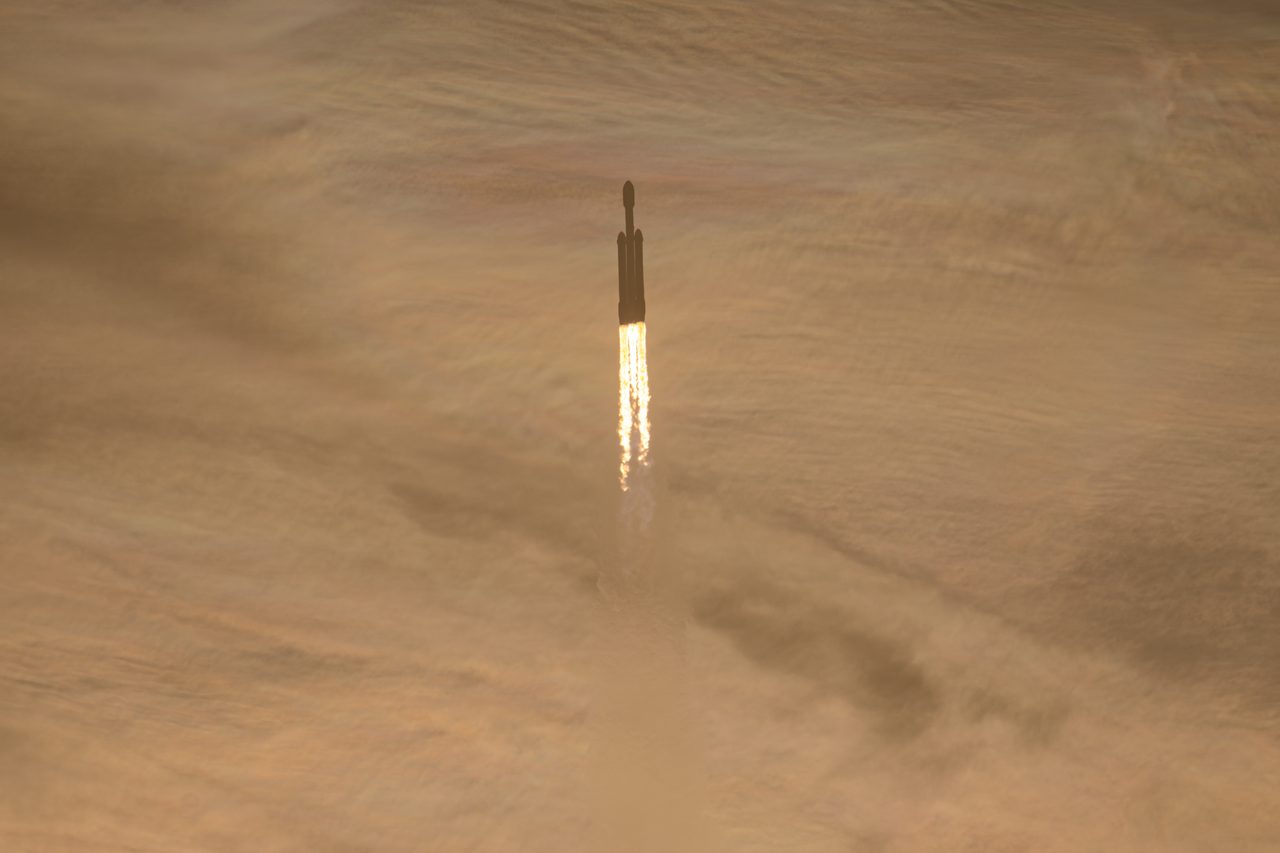
While no launches are scheduled for today, the space community is closely monitoring ongoing developments, including the potential for a record high in Space Force funding, pending Congressional approval. Additionally, the strategic partnership between Eartheye Space and IN2 could lead to significant advancements in Earth observation technologies. Keep an eye on our Launch Schedule for upcoming missions.
Frequently Asked Questions
What is the fastest star in the Milky Way?
Why build a radio telescope on the Moon?
📎 Cite this article
Orbital Radar Newsroom. (2026). Lunar Radio Telescope Plans and Milky Way's Fastest Star. Orbital Radar. https://orbitalradar.com/blog/orbital-briefing-2026-05-21"Lunar Radio Telescope Plans and Milky Way's Fastest Star." Orbital Radar, 21 May 2026, https://orbitalradar.com/blog/orbital-briefing-2026-05-21.@misc{orbitalradar_orbital_briefing_2026_05_21,
title = {Lunar Radio Telescope Plans and Milky Way's Fastest Star},
author = {{Orbital Radar}},
year = {2026},
howpublished = {\url{https://orbitalradar.com/blog/orbital-briefing-2026-05-21}}
}