Space News Mission Log — Satellite Launches, Orbital Events & Analysis
Daily space news, satellite launch reports, orbital debris analysis and weekly roundups — grounded in live tracking data from our network monitoring 9 published reports.
Understanding Apogee and Perigee: Highs and Lows of Orbits
Apogee and perigee are the highest and lowest points in an orbit, crucial for understanding satellite paths and operations.
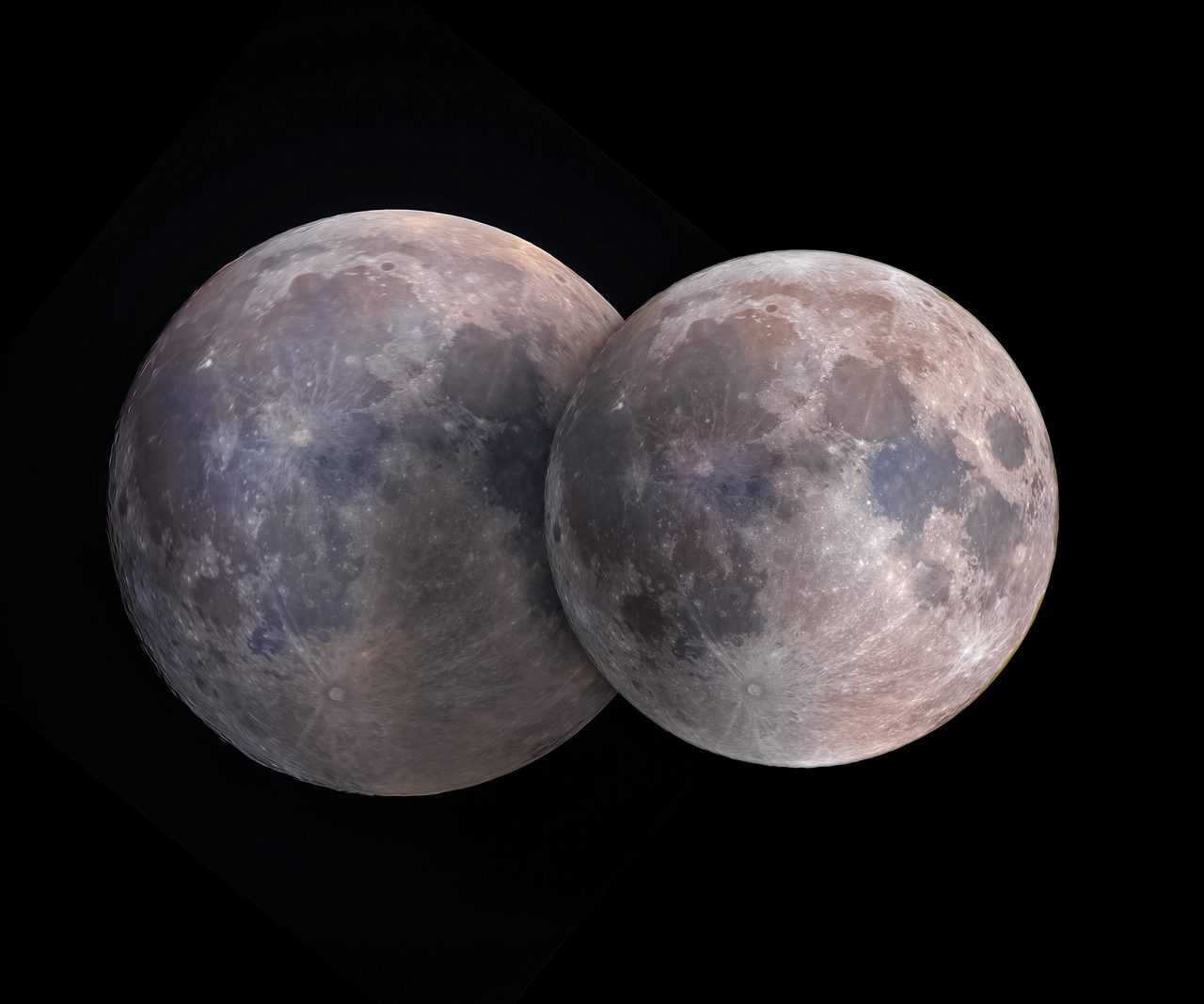
When the Moon Plays Tricks: The Blue Micromoon Phenomenon
Tonight's blue micromoon is a celestial rarity, appearing smaller and dimmer due to its apogee, and marking the second full moon this month.

Geostationary Transfer Orbits: A Complete Explainer
A Geostationary Transfer Orbit (GTO) is an elliptical orbit used to transfer satellites to geostationary orbit, crucial for communications satellites.
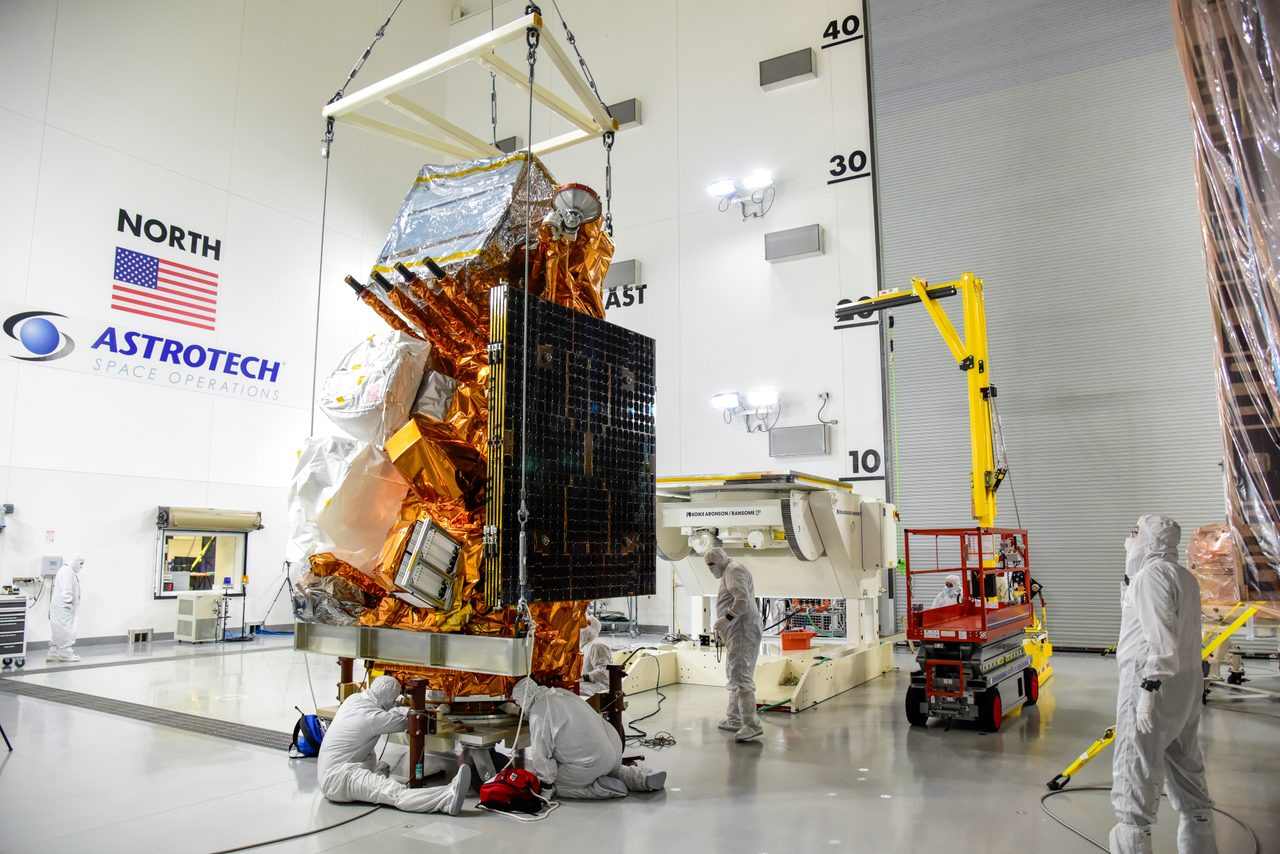
Highly Elliptical Orbits: Understanding Their Role in Space
Highly elliptical orbits (HEOs) are elongated paths used for specific satellite missions, offering unique advantages for communication and observation.

Sputnik 1: The Satellite That Started the Space Age
Sputnik 1 was the first artificial satellite to orbit the Earth, marking the beginning of the Space Age. Launched by the Soviet Union on 4 October 1957, it was a 58 cm diameter polished metal sphere with four external radio antennas to broadcast radio pulses.
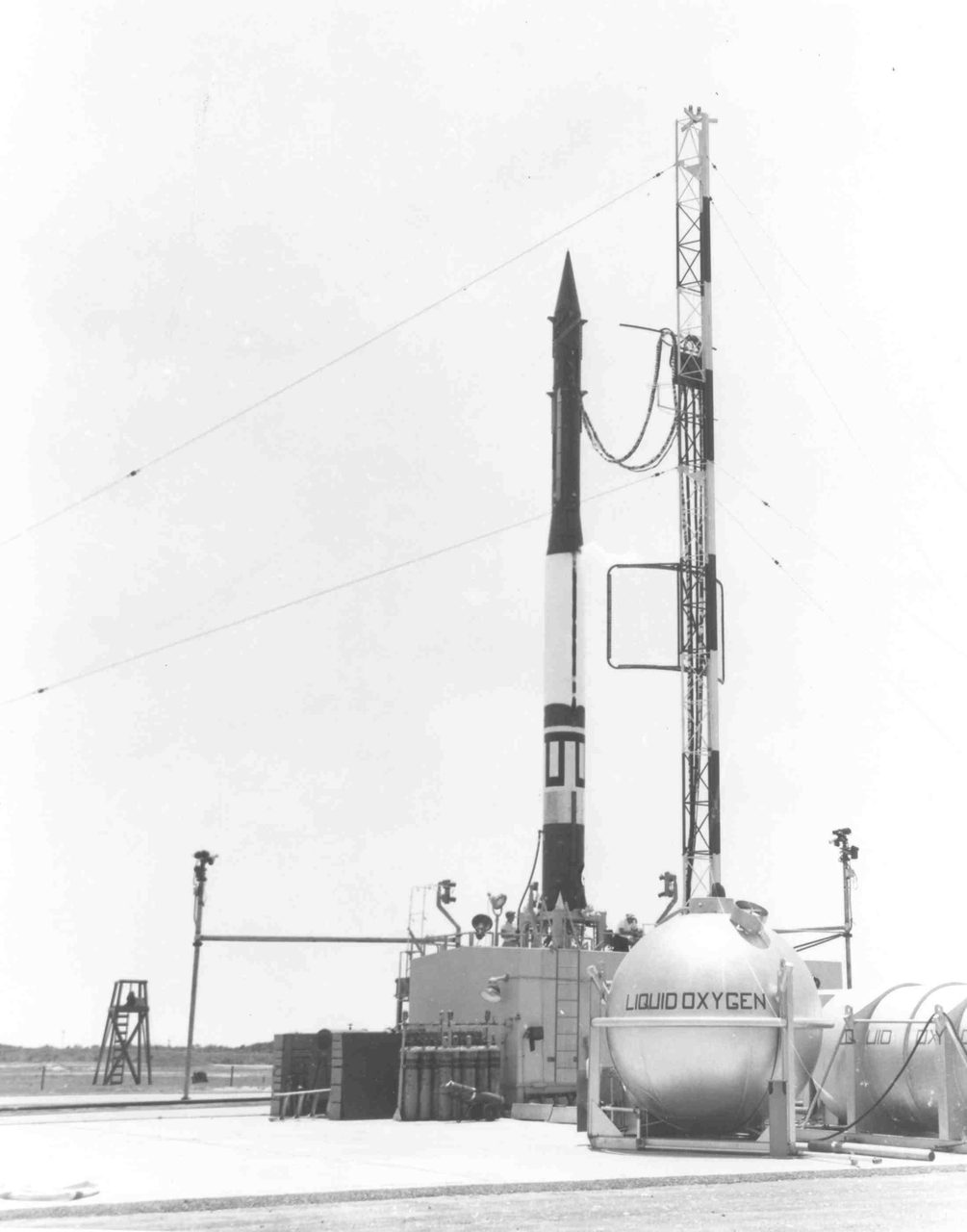
Vanguard 1: The Oldest Satellite Still in Orbit
Launched on 17 March 1958, Vanguard 1 is the oldest artificial satellite still in orbit. It was part of the United States' Vanguard project, which aimed to launch the first American satellite as part of the International Geophysical Year (1957-1958).
Sputnik 1: The Satellite That Started the Space Age
Sputnik 1 was the first artificial satellite to orbit the Earth, marking the beginning of the Space Age. Launched by the Soviet Union on 4 October 1957, it was a spherical satellite with a diameter of 58 cm and a weight of 83.6 kg.
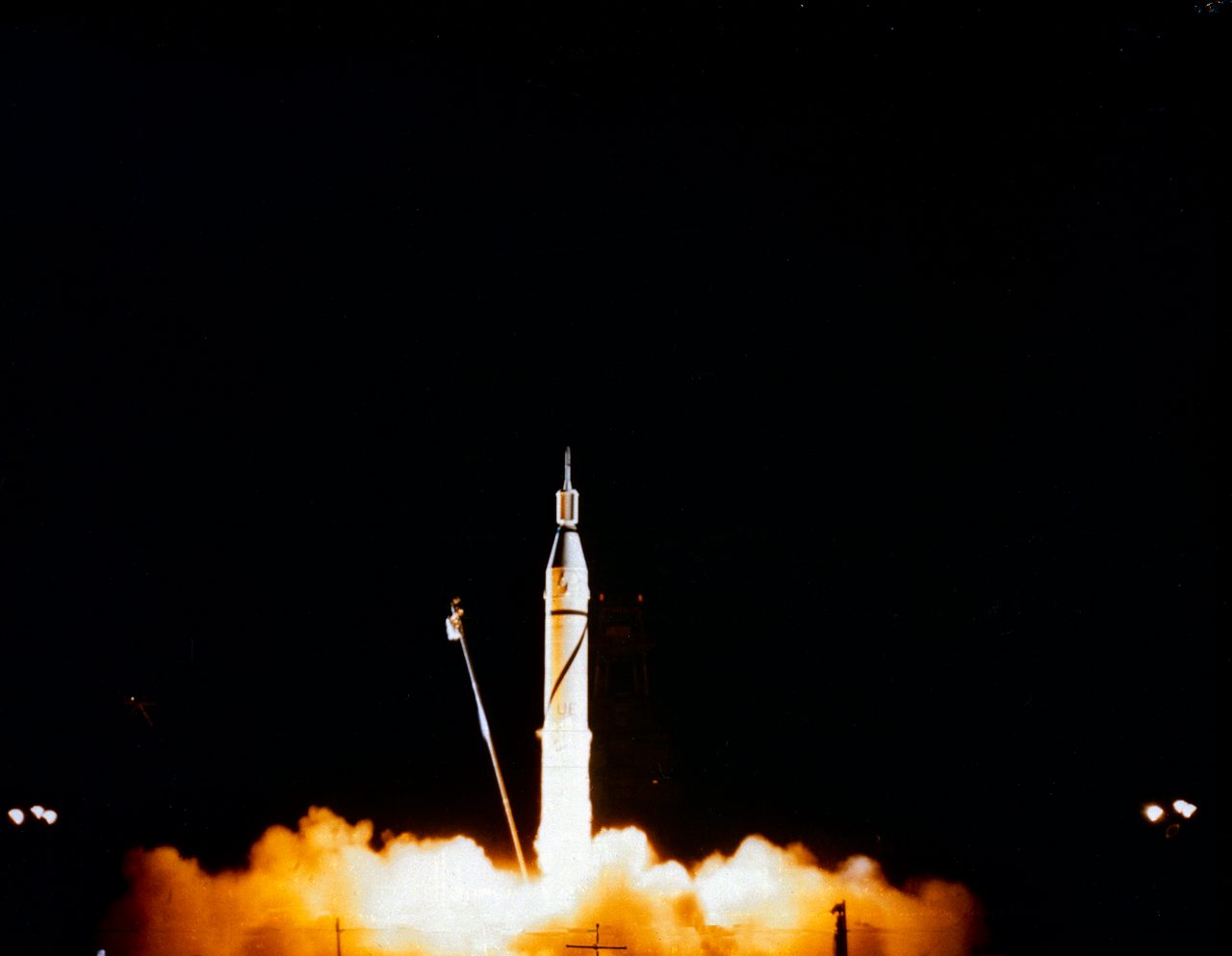
Vanguard 1: The Oldest Satellite Still in Orbit
Launched on 17 March 1958, Vanguard 1 is the oldest artificial satellite still in orbit. Developed by the United States as part of the Vanguard Project, it was the fourth artificial Earth satellite to be successfully launched.
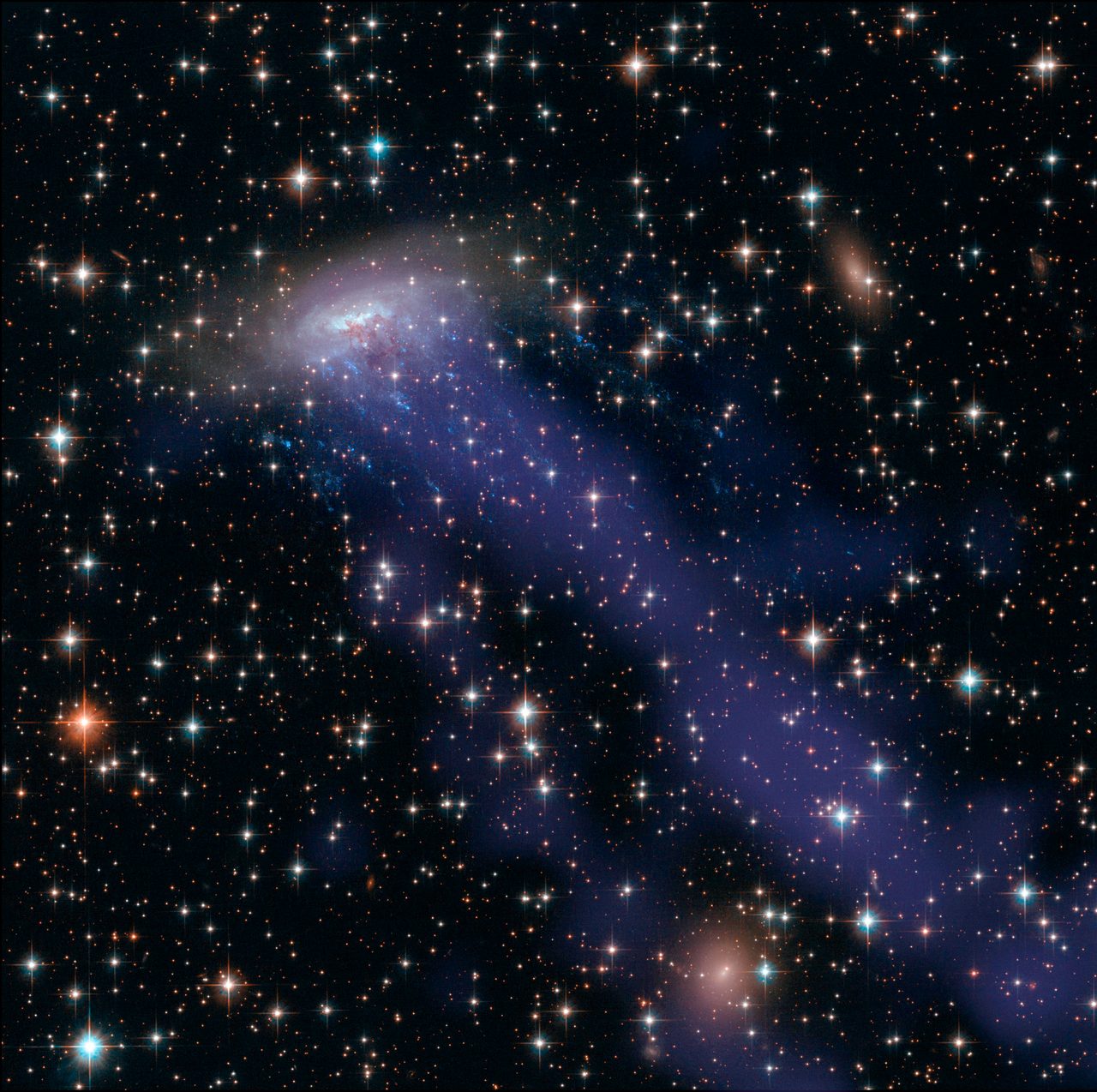
Chandra X-ray Observatory: Unveiling the High-Energy Universe
The Chandra X-ray Observatory, launched on 23 July 1999 aboard the Space Shuttle Columbia (STS-93), is a flagship mission of NASA dedicated to X-ray astronomy. Named after the Nobel laureate Subrahmanyan Chandrasekhar, Chandra is designed to observe X-rays from high-energy regions of the universe, s