Space News Mission Log — Satellite Launches, Orbital Events & Analysis
Daily space news, satellite launch reports, orbital debris analysis and weekly roundups — grounded in live tracking data from our network monitoring 55 published reports.
How Satellite Internet Works: A Comprehensive Guide
Satellite internet connects remote areas by transmitting data between ground stations and satellites in orbit, such as Starlink's network.
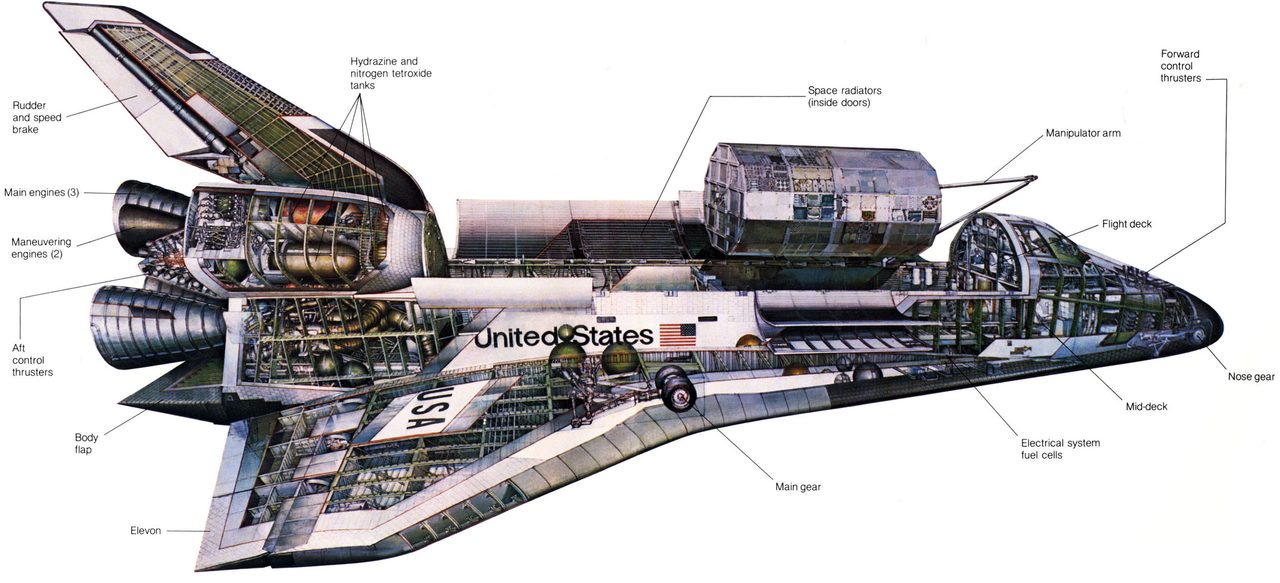
Parts of a Satellite: Systems That Keep It Working
Discover the key components and systems inside a satellite that ensure its operation in space, including power, thermal control, and communication.
Is Starlink Down? How to Check Service Status Now
Starlink service disruptions can occur due to various factors. Learn how to check its status and understand potential causes.
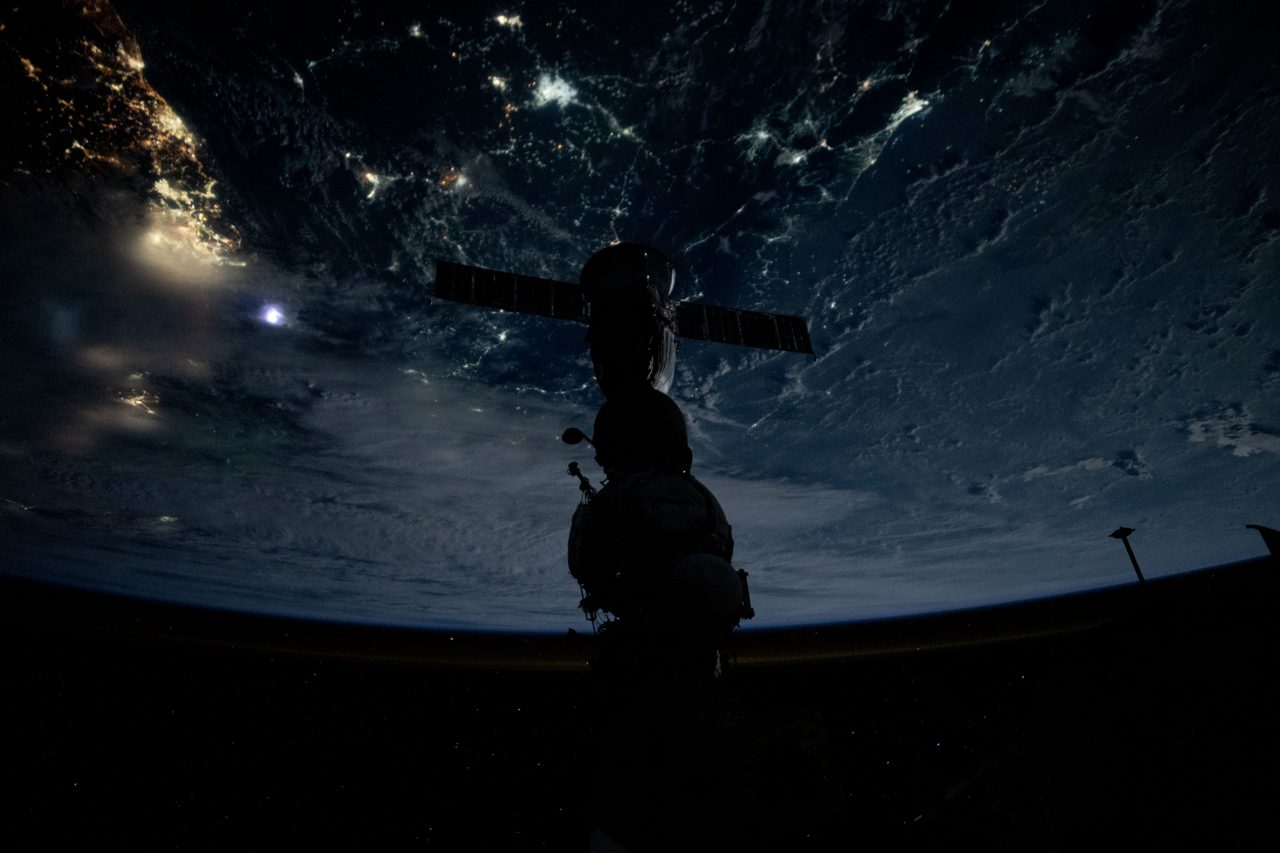
How Long Does It Take to Get to the ISS? Hours to Days
Reaching the ISS can take about three hours or stretch over one or two days. The difference is largely about launch timing, orbital alignment and the spacecraft's rendezvous plan.
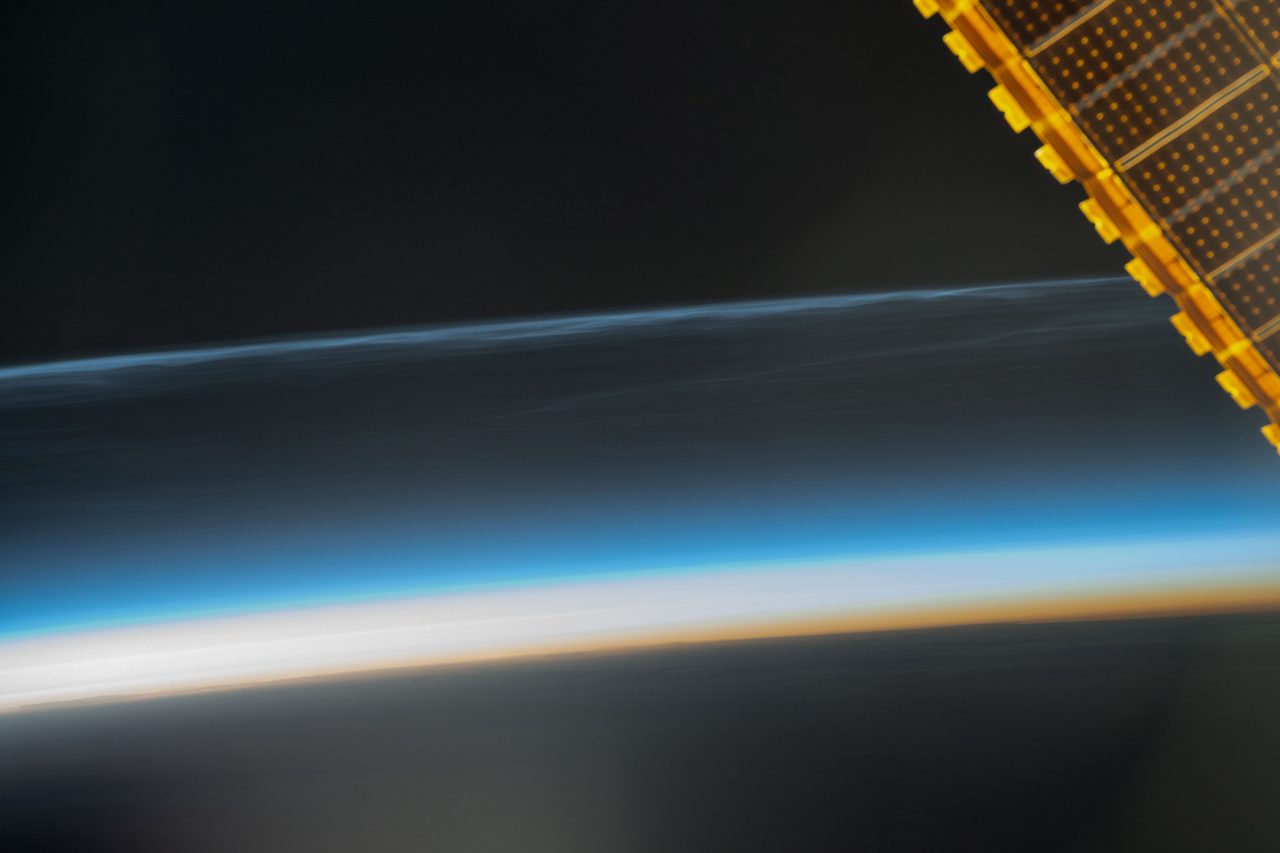
Low Earth Orbit: Why Space Is Busiest Below 2,000 km
Low Earth orbit hosts space stations, broadband constellations and Earth-observation missions. Explore how it works, why it is crowded and what keeps satellites flying safely.
Orbital Period: Meaning, Formula and Satellite Examples
Orbital period measures how long one orbit takes. Discover why higher satellites orbit more slowly, how to calculate a period and why an orbit is not the same as a visible pass.

Starlink vs OneWeb: Comparing Satellite Internet Giants
Starlink and OneWeb offer satellite internet services with distinct approaches. Discover how they differ in technology, coverage, and future plans.
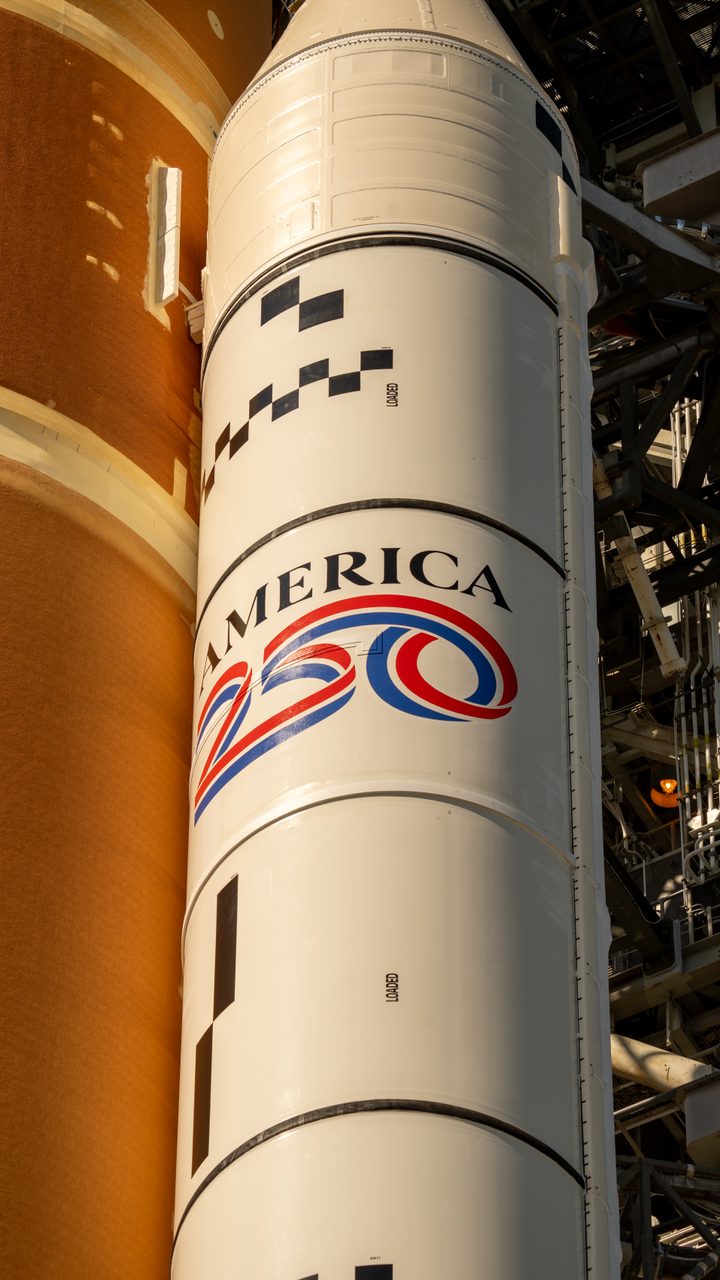
Space Agencies List: Who Runs the World's Space Programmes?
NASA, ESA and CNSA are part of a much wider network of space organisations. Explore who runs national programmes, how responsibilities differ and where private companies fit.
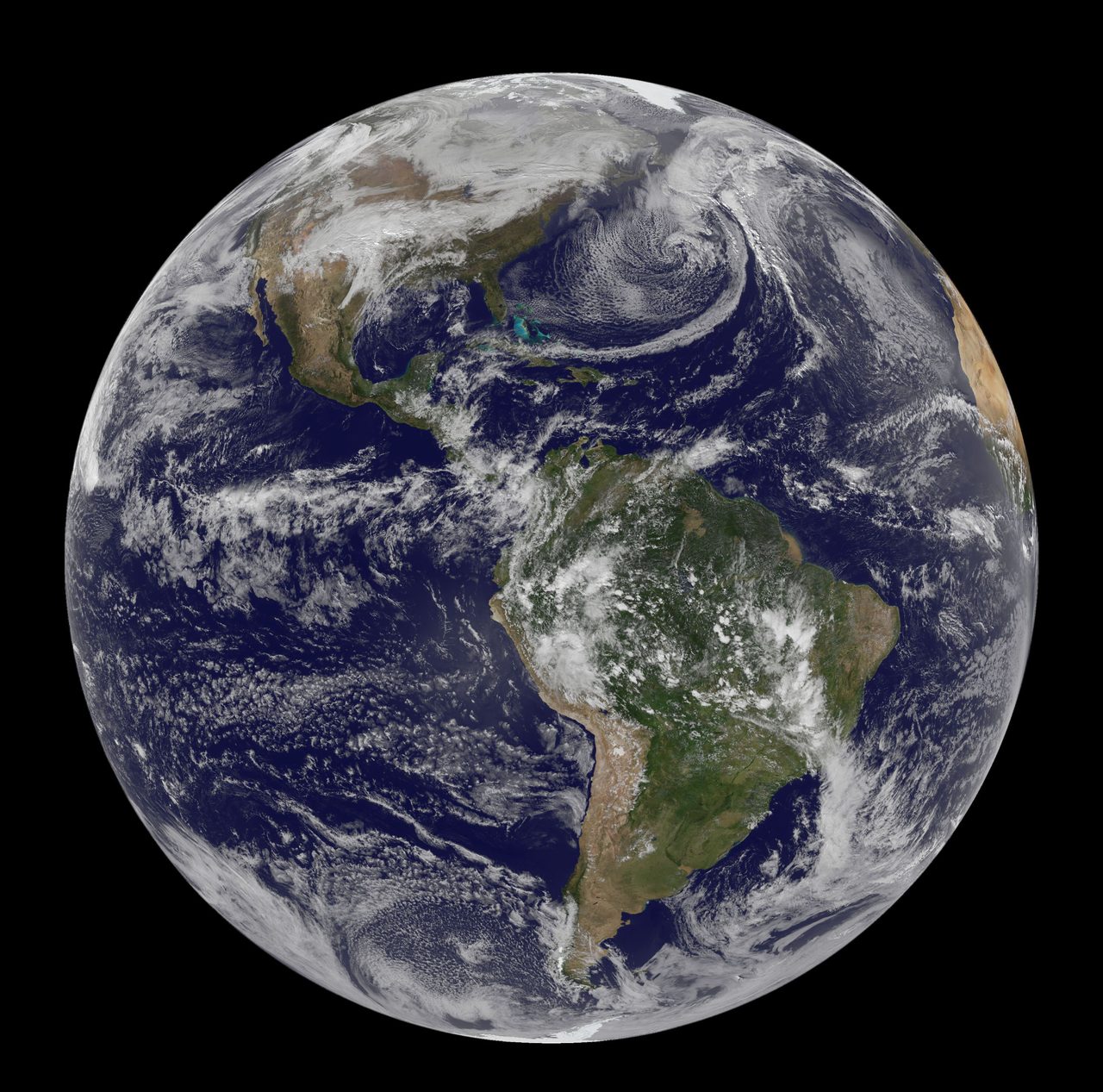
How Weather Satellites Work: A Complete Guide
Weather satellites monitor Earth's atmosphere and surface, providing crucial data for forecasting. Learn how they operate and impact our daily lives.
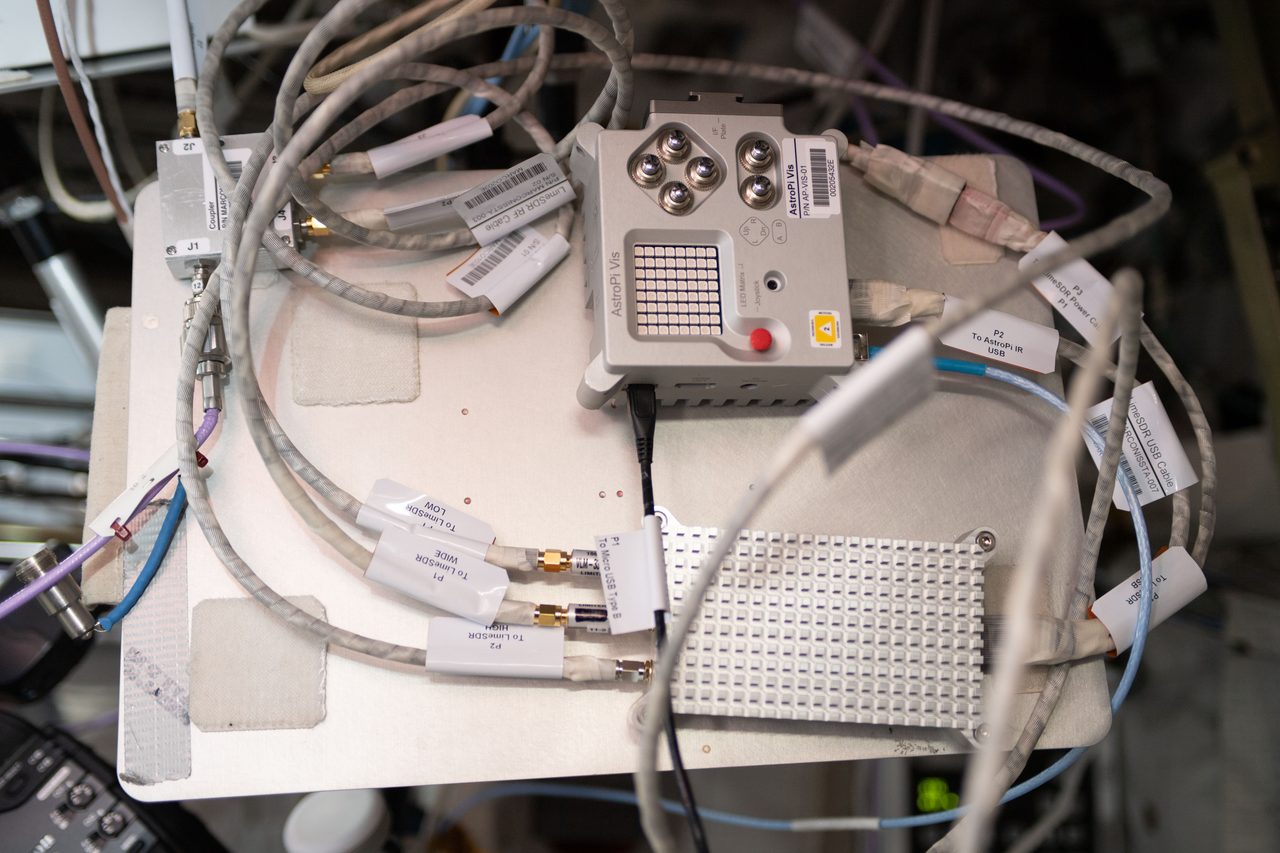
Understanding Satellite Frequency Bands: A Comprehensive Guide
Satellite frequency bands are specific ranges of radio frequencies used for communication between satellites and Earth. Learn about their significance and applications.
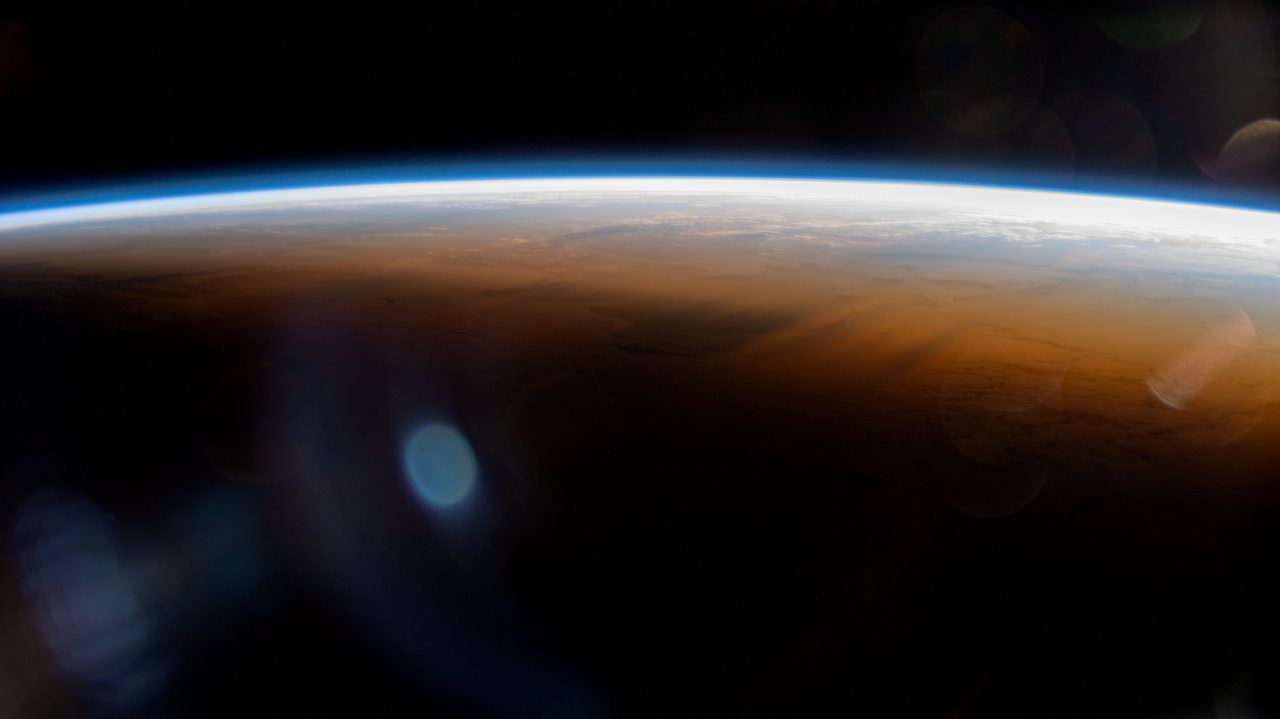
Sputnik 1: the satellite that started the Space Age
Launched on 4 October 1957, Sputnik 1 became Earth's first artificial satellite. Its radio pulses announced a new technological era, while its brief mission helped scientists investigate the upper atmosphere.

Guowang Satellites: China's Expansive State Constellation Explained
The Guowang satellites form China's state constellation, aiming to provide global satellite internet coverage. Explore its purpose, structure, and impact.