Space News Mission Log — Satellite Launches, Orbital Events & Analysis
Daily space news, satellite launch reports, orbital debris analysis and weekly roundups — grounded in live tracking data from our network monitoring 185 published reports.
Understanding Satellite Collision Avoidance and Conjunction Assessment
Satellite collision avoidance involves predicting and preventing potential collisions between orbiting objects using conjunction assessments.
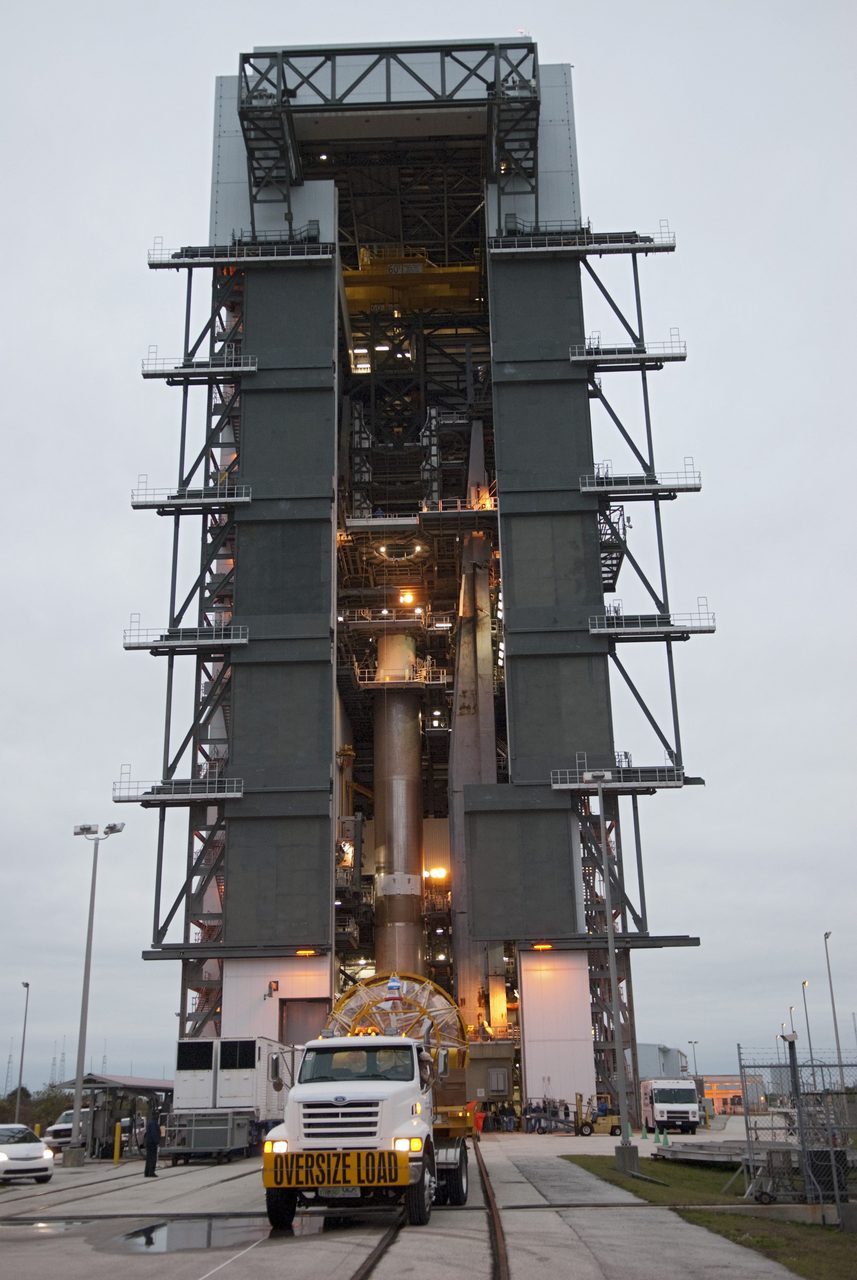
The Cosmos-Iridium Collision: A Landmark Satellite Crash
The Cosmos-Iridium collision in 2009 marked the first major satellite crash, significantly impacting space debris management and satellite operations.
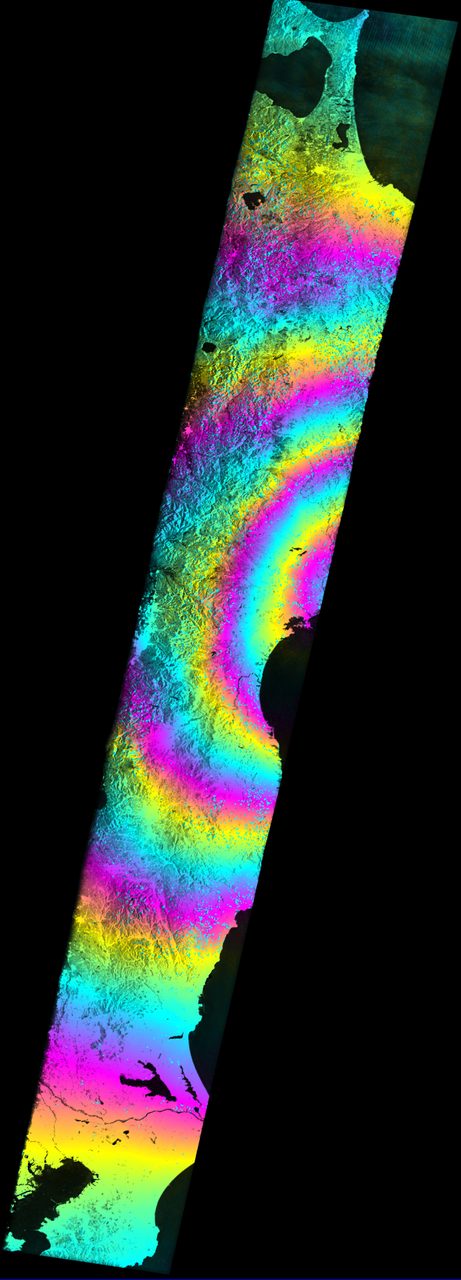
Envisat: The Giant Dead ESA Satellite and Collision Risk
Envisat, launched by the European Space Agency (ESA) on 1 March 2002, was one of the largest Earth observation satellites ever constructed. With a mass of approximately 8,200 kilograms, it carried ten sophisticated optical and radar instruments to monitor the Earth's land, atmosphere, oceans, and ic
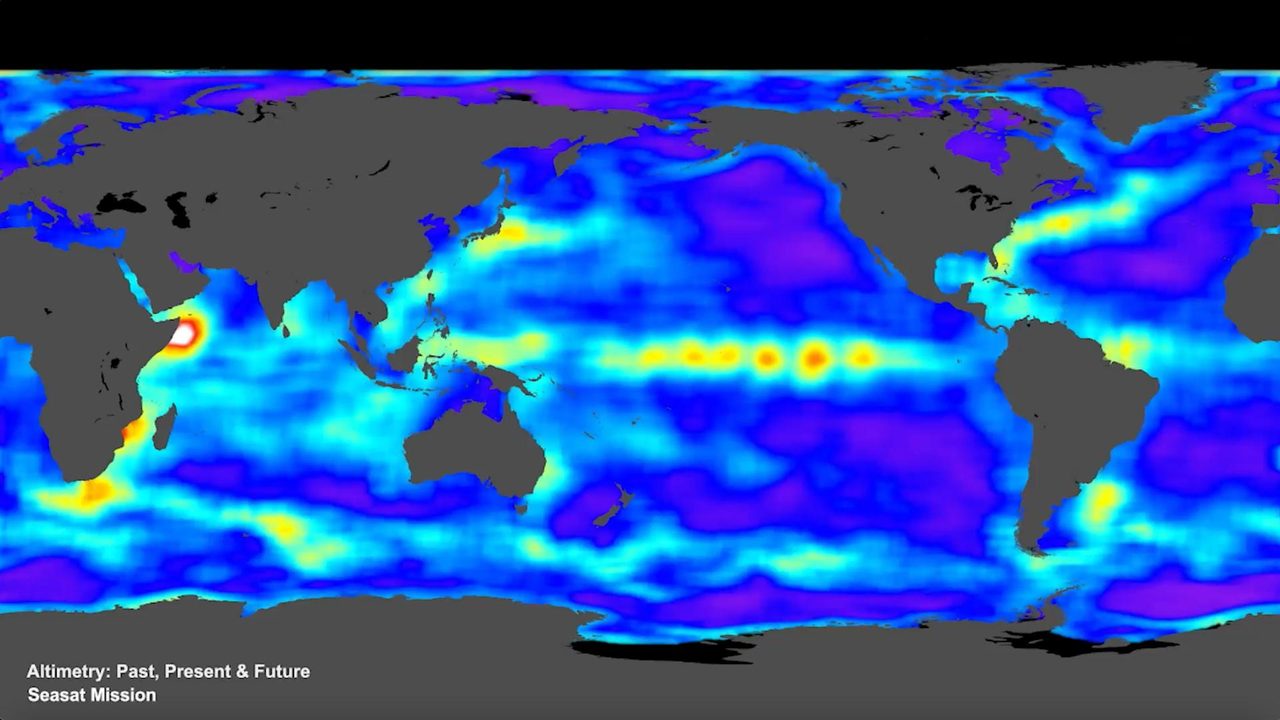
Envisat: The Giant Dormant ESA Satellite and Collision Risk
Envisat, launched by the European Space Agency (ESA) in 2002, was one of the largest Earth observation satellites ever constructed. With a mass of approximately 8,211 kilograms and dimensions comparable to a double-decker bus, Envisat was equipped with ten sophisticated instruments designed to monit
Envisat: The Giant Dormant Satellite and Its Collision Risk
Envisat, launched by the European Space Agency (ESA) on 1 March 2002, was one of the largest Earth observation satellites ever constructed. With a mass of approximately 8,211 kilograms and dimensions akin to a double-decker bus, Envisat carried ten sophisticated instruments designed to monitor the E

Collision Avoidance Manoeuvres: Essential Guide for Space Safety
Collision avoidance involves manoeuvres to prevent satellites from colliding with space debris or other objects.
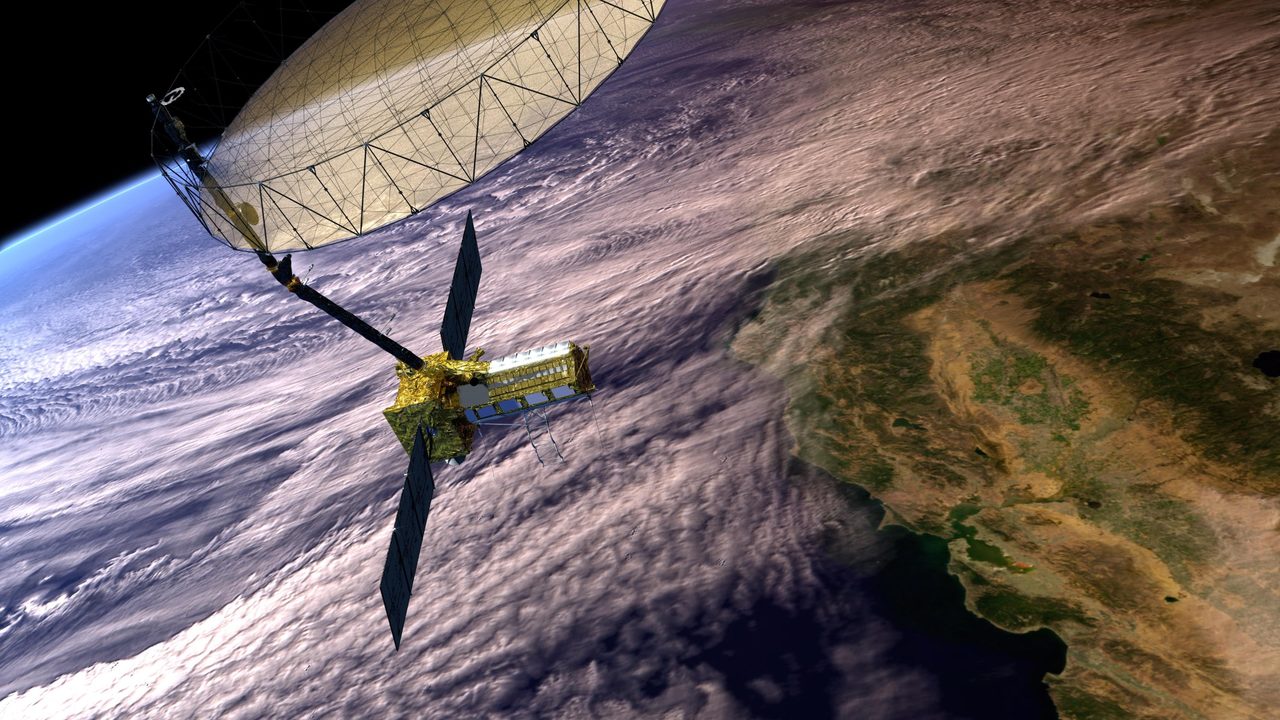
Understanding Conjunction Assessment in Satellite Operations
Conjunction assessment predicts potential collisions between satellites and debris, ensuring safe operations in Earth's orbit.

Understanding Kessler Syndrome: Space Debris Chain Reaction
Kessler syndrome refers to a scenario where space debris collisions create more debris, increasing collision risks exponentially.

Roman Telescope Powers On as Tianhui Satellites Near Miss
The Roman Space Telescope has successfully powered on its Coronagraph Instrument, while Tianhui satellites narrowly avoid collision. Track satellite passes and space weather updates on Orbital Radar.
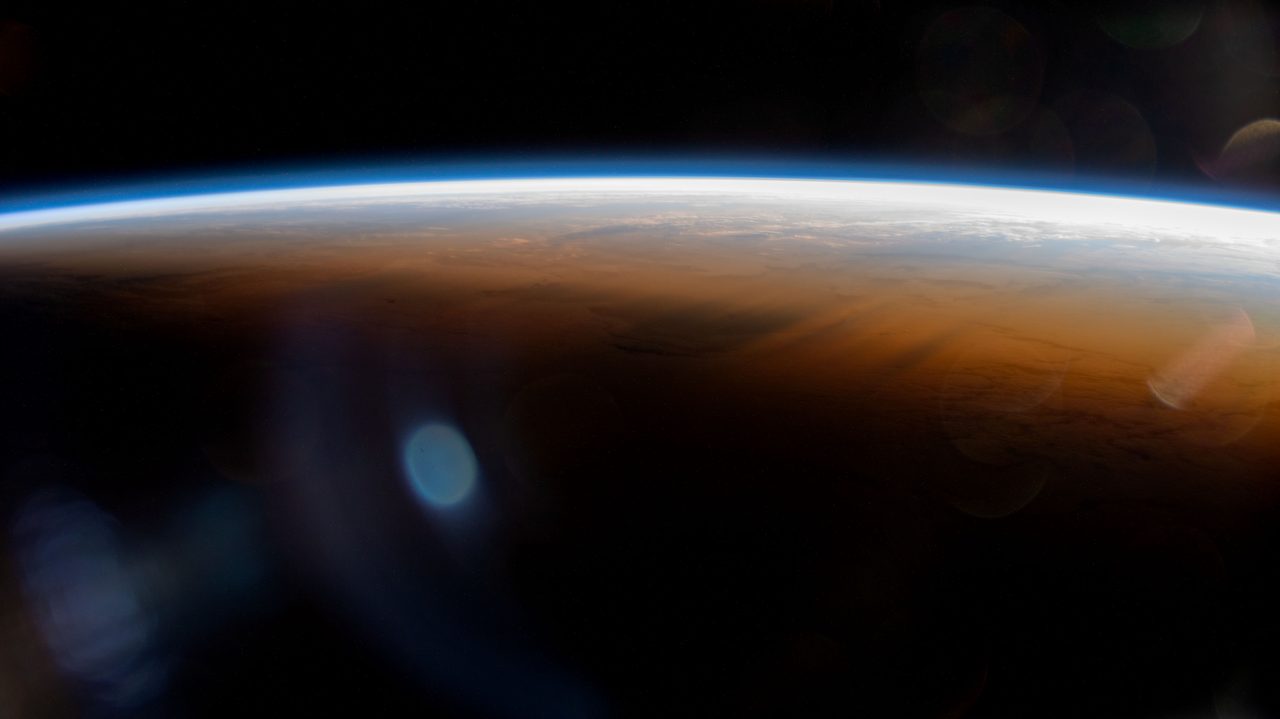
Space Debris: Understanding the Growing Threat in Orbit
Space debris refers to defunct human-made objects in orbit, posing risks to satellites and space missions.
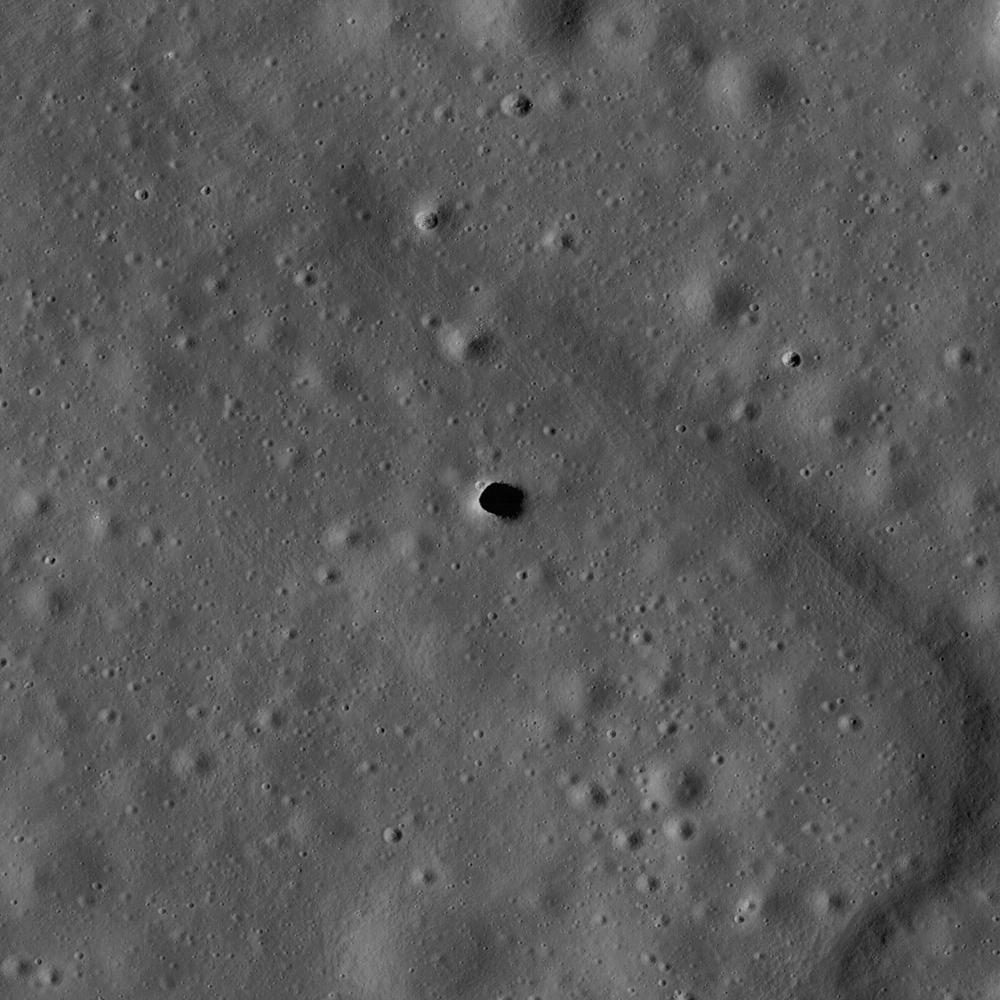
NASA Eyes Marius Lunar Pit for Future Base
NASA selects GIMLI to explore Marius Lunar Pit for potential base. Starlink satellites narrowly avoid collision. Curiosity reaches new heights on Mars.
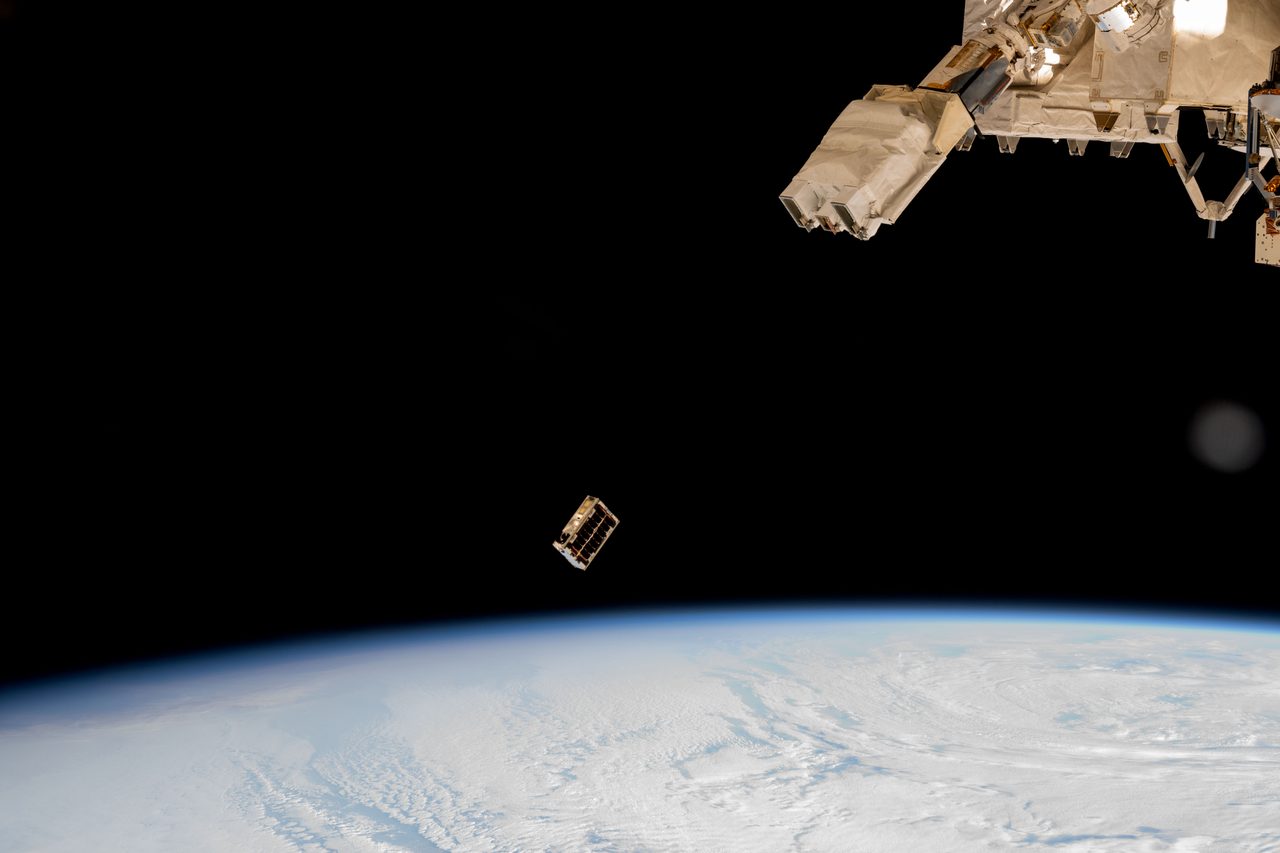
Understanding Mean Motion in Satellite Orbits
Mean motion describes the average angular speed of a satellite in its orbit, crucial for predicting satellite positions.