Space News Mission Log — Satellite Launches, Orbital Events & Analysis
Daily space news, satellite launch reports, orbital debris analysis and weekly roundups — grounded in live tracking data from our network monitoring 29 published reports.
SpaceX Prepares for Starlink Launch Amid ISS Maintenance
SpaceX is set to launch 27 Starlink satellites today, as astronauts complete an ISS antenna replacement. Close satellite approaches are being monitored.
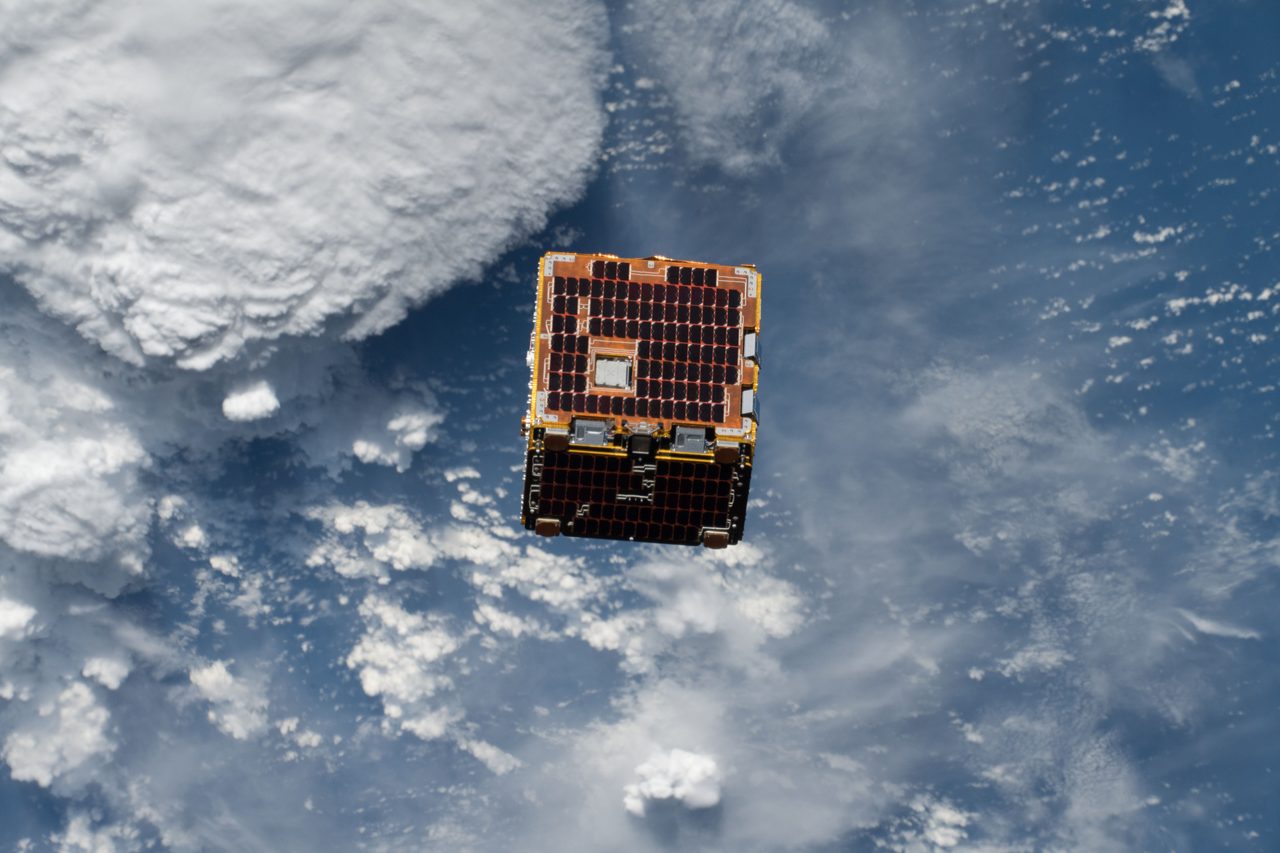
Active Debris Removal: Technologies Cleaning Up Space
Active debris removal involves technologies designed to clean up space junk, ensuring sustainable orbits for future missions.

Understanding Kessler Syndrome: Space Debris Chain Reaction
Kessler syndrome refers to a scenario where space debris collisions create more debris, increasing collision risks exponentially.
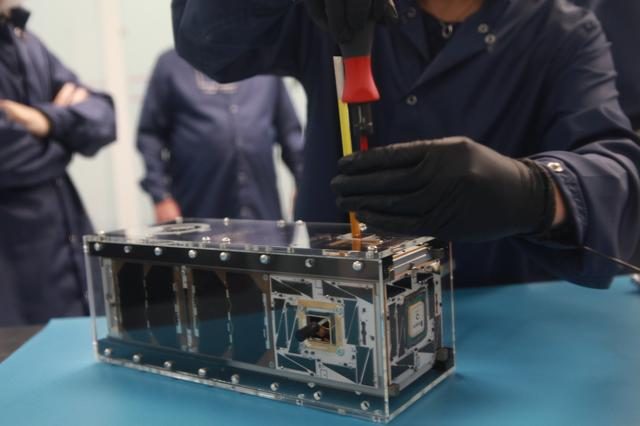
GPS IIR-11: a veteran of global navigation
Launched in March 2004, GPS IIR-11 belongs to the generation that helped sustain satellite navigation as an everyday utility. Its mission illustrates why precise timing, predictable orbits and replacement spacecraft matter.
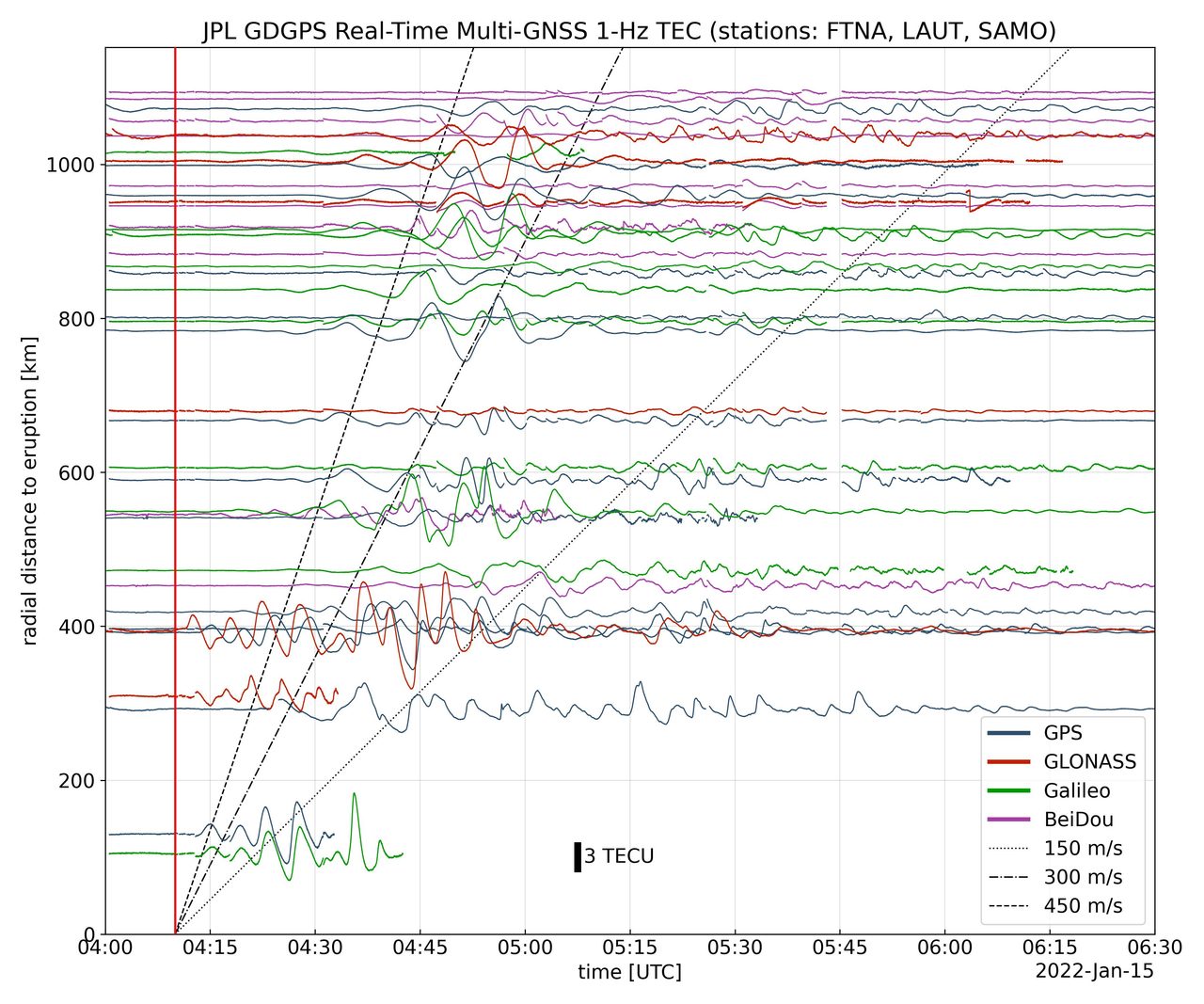
GLONASS-K: Russia’s navigation satellites explained
GLONASS-K modernises Russia’s satellite navigation system with longer-lived spacecraft and new radio signals, operating roughly 19,100 km above Earth.
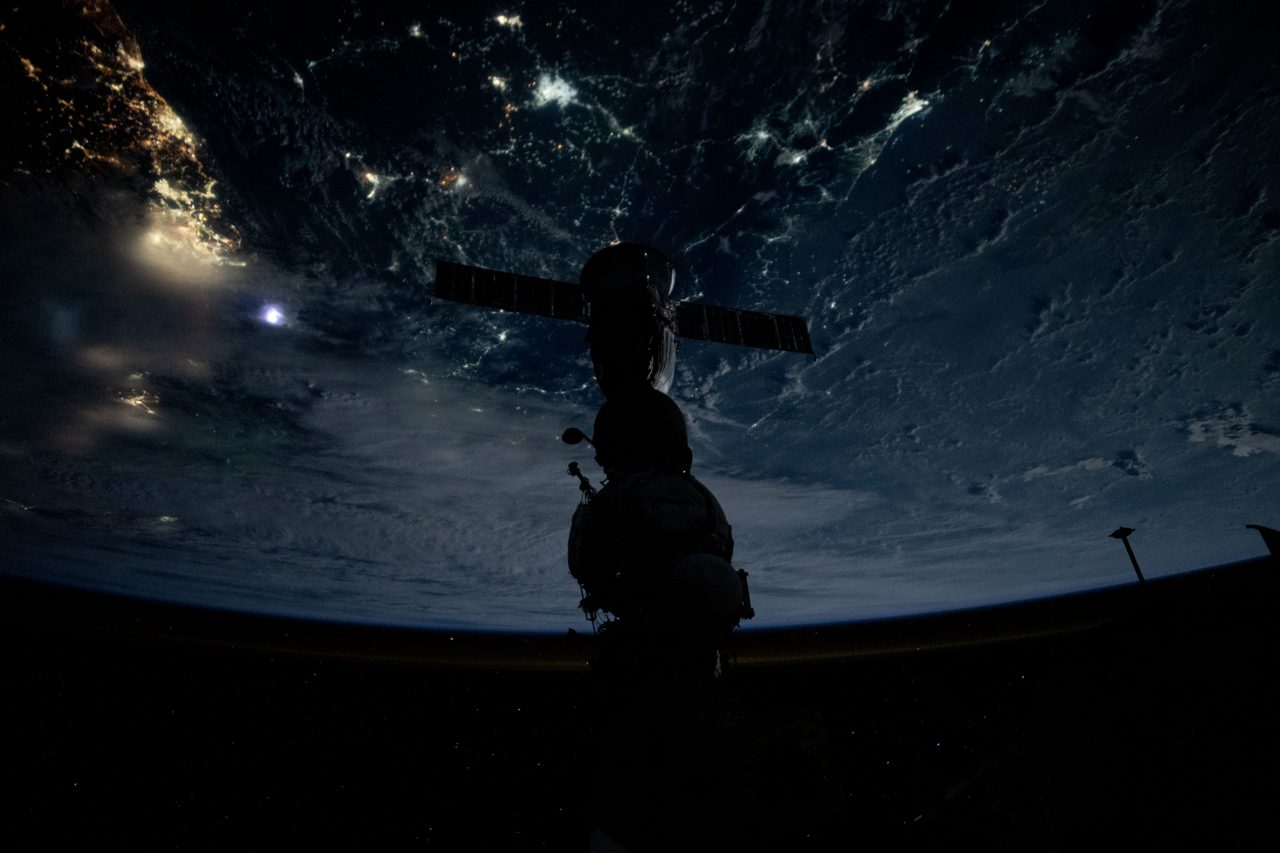
Types of Satellite Orbits: LEO, MEO, GEO and Beyond
Altitude is only part of an orbit’s story. Explore how height, tilt and shape determine what satellites can see, how they communicate and how long they remain in space.
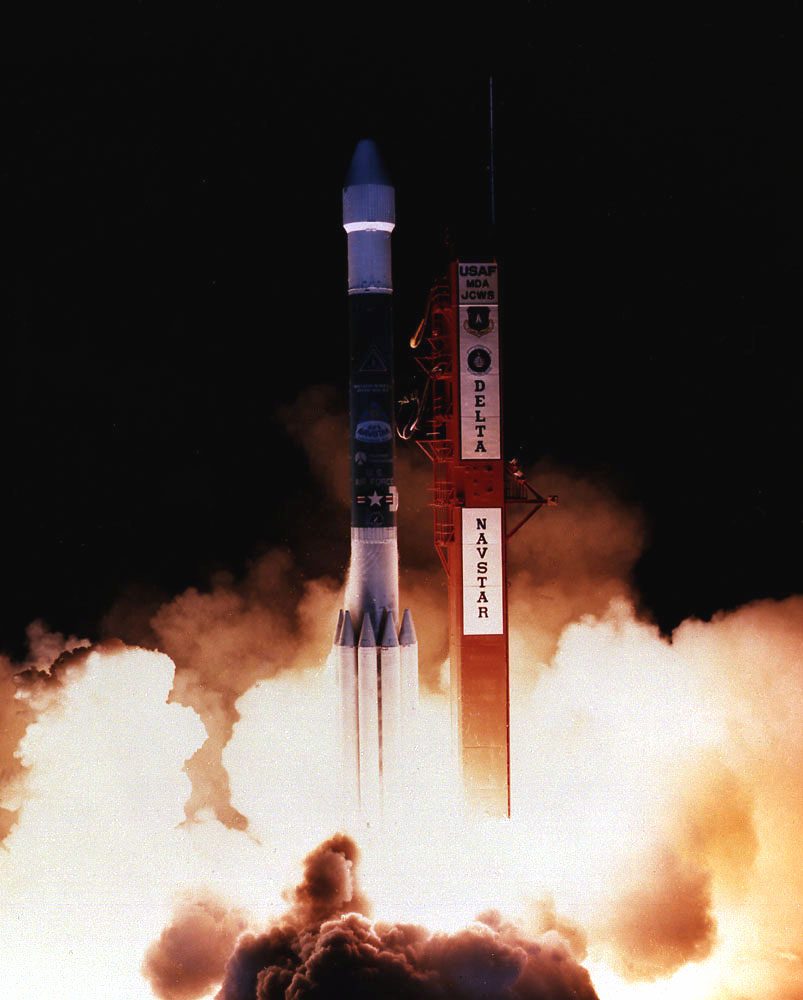
BeiDou-3: how China's global navigation system works
China's BeiDou-3 combines navigation satellites in three types of orbit to deliver global positioning and timing, with additional communications and precision services.
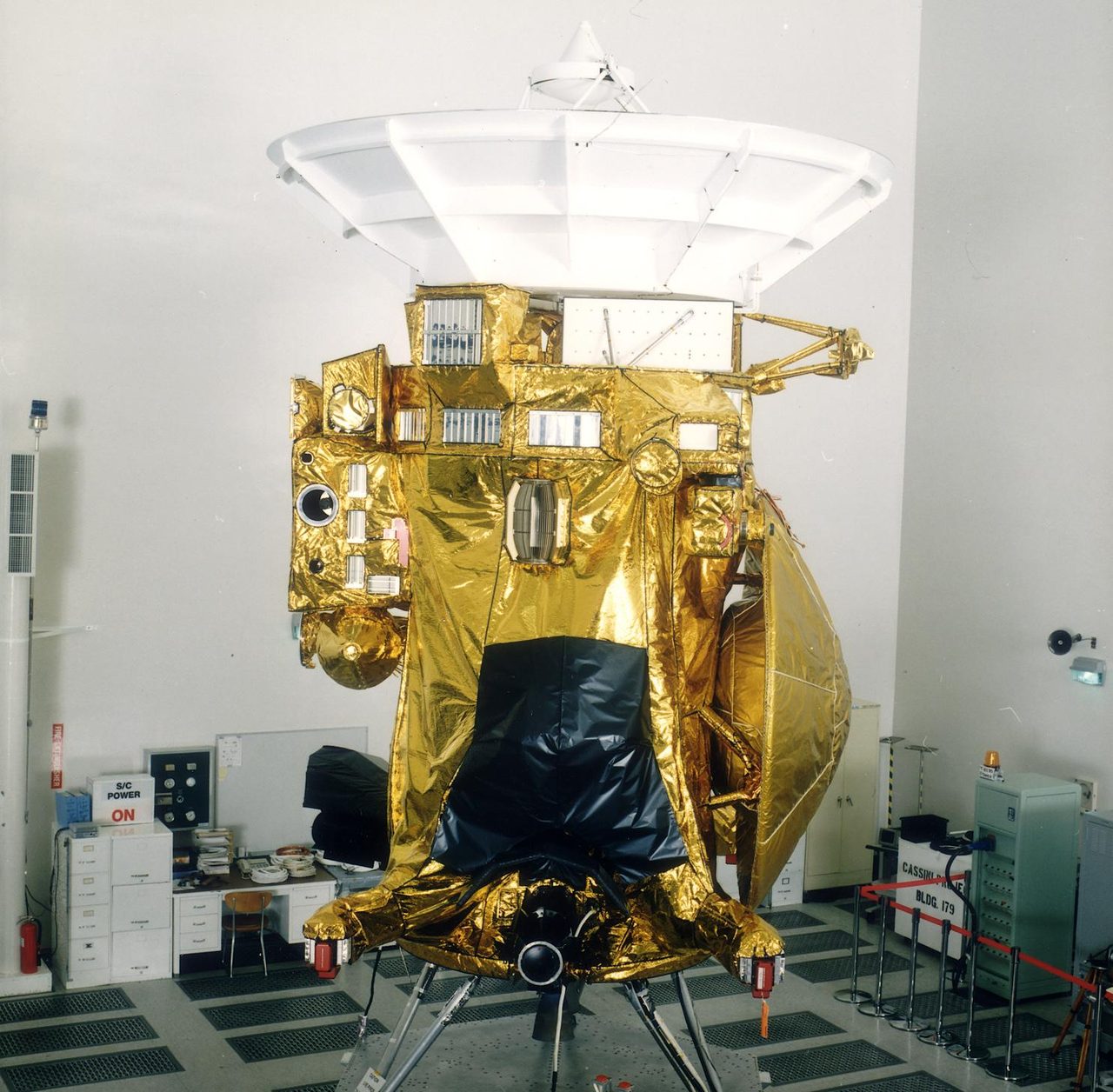
Galileo FOC: Europe's navigation constellation
Europe's Galileo FOC satellites carry atomic clocks around Earth at roughly 23,222 kilometres altitude, providing the timing signals behind independent European navigation and positioning services.

China's Maritime Rocket Launch and ISS Repairs Highlight Busy Day in Space
China's Gravity-1 sets a record with a sea launch, while the Soyuz MS-29 crew completes critical ISS repairs. Satellite close approaches monitored.
Sun-Synchronous Orbit: How Satellites Keep Consistent Light
Sun-synchronous satellites use Earth's equatorial bulge to keep a consistent solar schedule. Learn how the orbit works, why imaging missions use it and what it cannot guarantee.

NASA Cancels Draper Lunar Lander; Starlink Satellites Adjust Orbits
NASA ends Draper lunar lander mission; Starlink satellites show orbital changes. Artemis Accords gain new signatories.
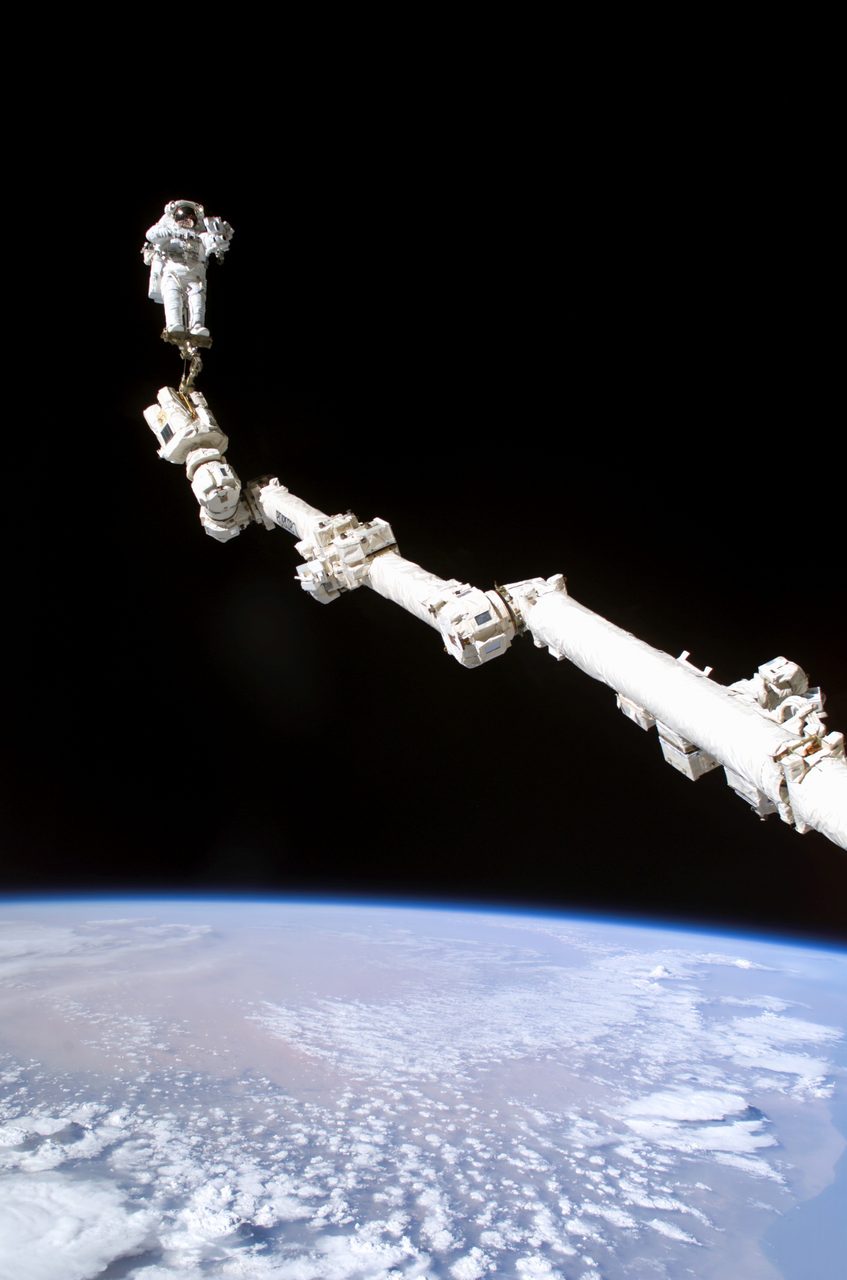
Why Do Rockets Launch From Florida?
Florida combines an eastward boost from Earth's rotation with open Atlantic launch corridors and decades of infrastructure. But the best launch site depends on the mission.