Space News Mission Log — Satellite Launches, Orbital Events & Analysis
Daily space news, satellite launch reports, orbital debris analysis and weekly roundups — grounded in live tracking data from our network monitoring 83 published reports.
Space Force Awards $60M for Satellite Network Tests
The US Space Force allocates $60 million for satellite network tests. TESS discovers a rare brown dwarf. Close satellite approaches monitored.

Understanding Mega-Constellations: The Future of Satellite Networks
Mega-constellations are large groups of satellites working together in low Earth orbit to provide global coverage. Discover their purpose and impact.

SpaceX Expands Starlink Network Amidst Close Satellite Encounters
SpaceX's Starlink network expands with a Falcon 9 launch as close satellite encounters are closely monitored.
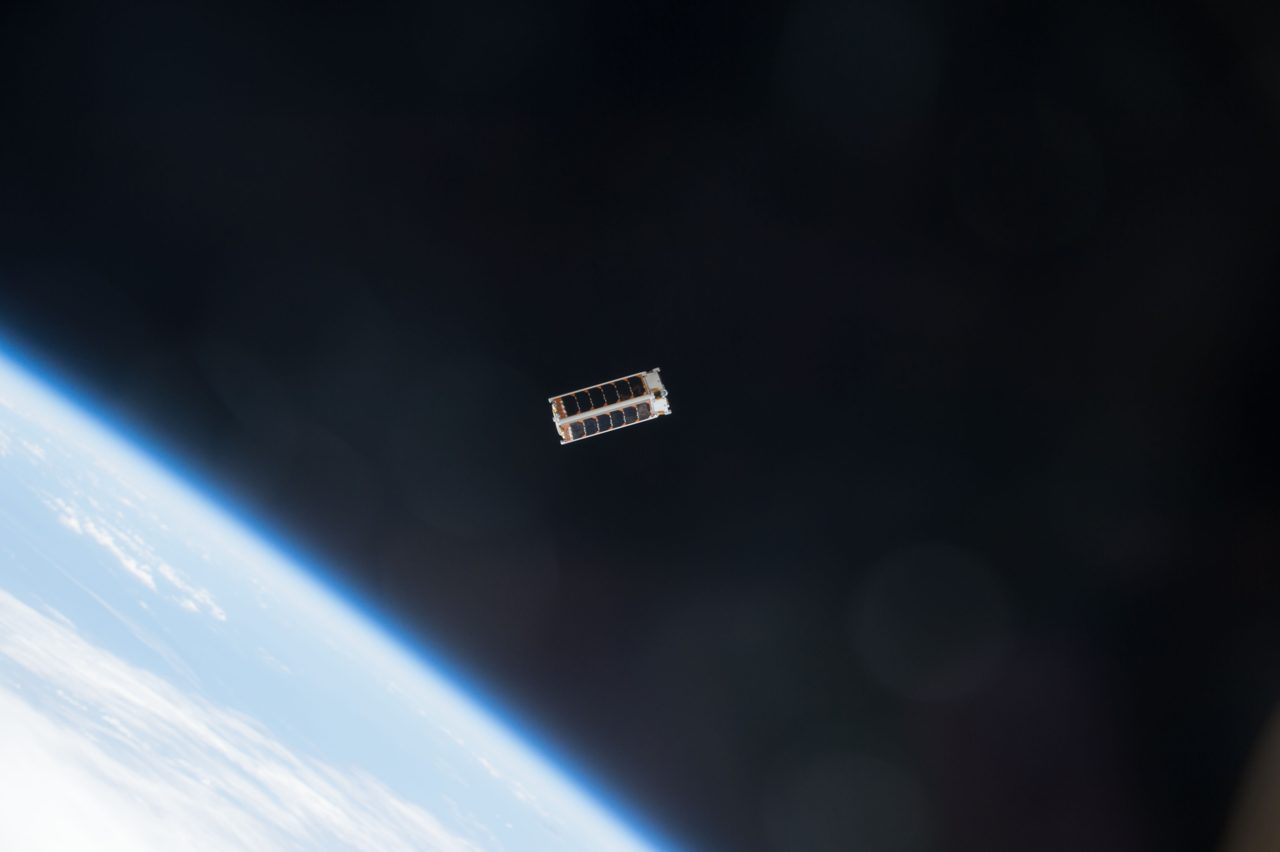
Space Force Expands GPS Network Amid Satellite Close Approaches
The U.S. Space Force has contracted Lockheed Martin for two additional GPS satellites, while several close approaches in orbit are monitored.
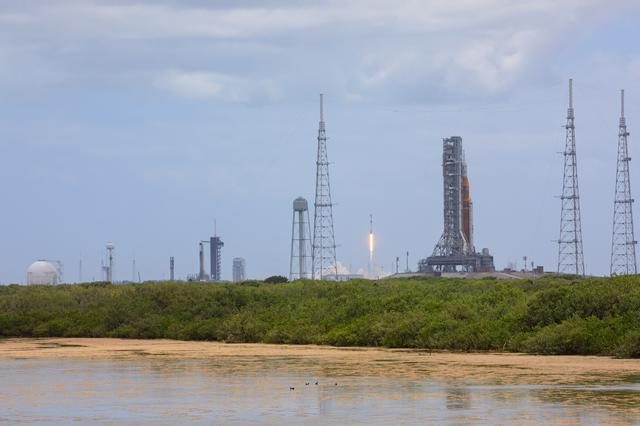
SpaceX Expands Starlink Network Amid Close Satellite Approaches
SpaceX's latest Starlink launch boosts its constellation as close satellite approaches are monitored.

SpaceX Expands Starlink Network with 27 New Satellites
SpaceX successfully launched 27 Starlink V2 Mini satellites, increasing the operational Starlink network to 9,835 units.
SpaceX Expands Starlink Network with 24 New Satellites
SpaceX has successfully launched 24 new Starlink satellites, enhancing global internet coverage. Several close approaches in orbit are being monitored.

TDRS: NASA's Data Relay Network in GEO
The Tracking and Data Relay Satellite (TDRS) system is a network of communications satellites operated by NASA to support space missions. This network provides continuous high-data-rate communication links between spacecraft in low Earth orbit (LEO) and ground stations on Earth.
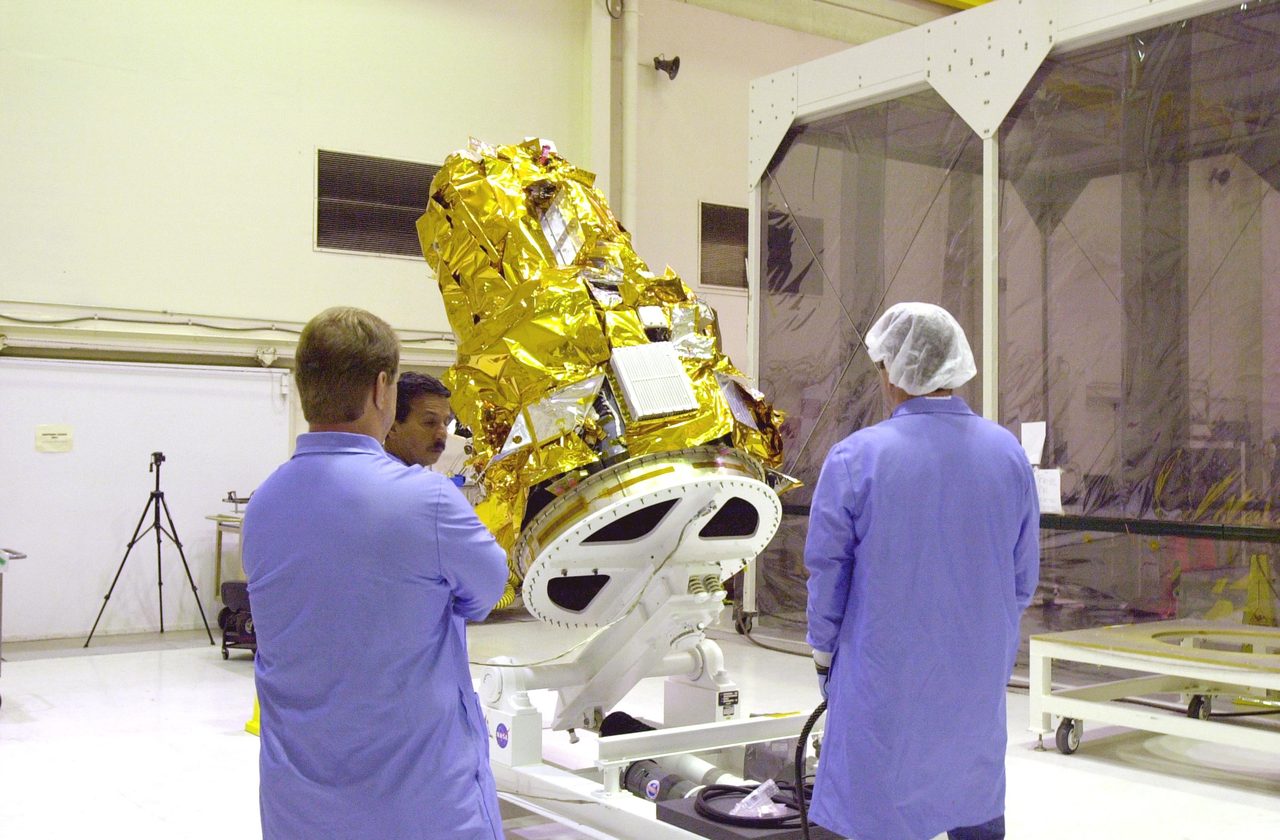
Understanding Satellite Constellation Phasing: A Complete Guide
Constellation phasing is the process of arranging satellites in a constellation to ensure optimal coverage and functionality. Learn how it affects global satellite networks.

OneWeb Gen 2: the next broadband constellation
OneWeb’s next generation is intended to expand a broadband network built around business, government and transport connections. Its significance lies as much in replacing ageing spacecraft and integrating ground networks as in adding satellites.

Military Satellites: What They Do and How They Work
Military satellites support communications, navigation, intelligence and missile warning. Explore how they work, what they can detect and what public tracking reveals.

Iridium NEXT: The Flash-Free Replacement Constellation
Iridium NEXT is a constellation of 66 active communication satellites, designed to replace the original Iridium network. Launched between 2017 and 2019, these satellites provide global voice and data coverage, enabling connectivity for satellite phones, pagers, and integrated transceivers.