Space News Mission Log — Satellite Launches, Orbital Events & Analysis
Daily space news, satellite launch reports, orbital debris analysis and weekly roundups — grounded in live tracking data from our network monitoring 99 published reports.
Who Tracks Space Debris? Inside the Global Surveillance Network
Space debris is tracked by a global network of agencies monitoring 28,886 objects, ensuring orbital safety and sustainability.
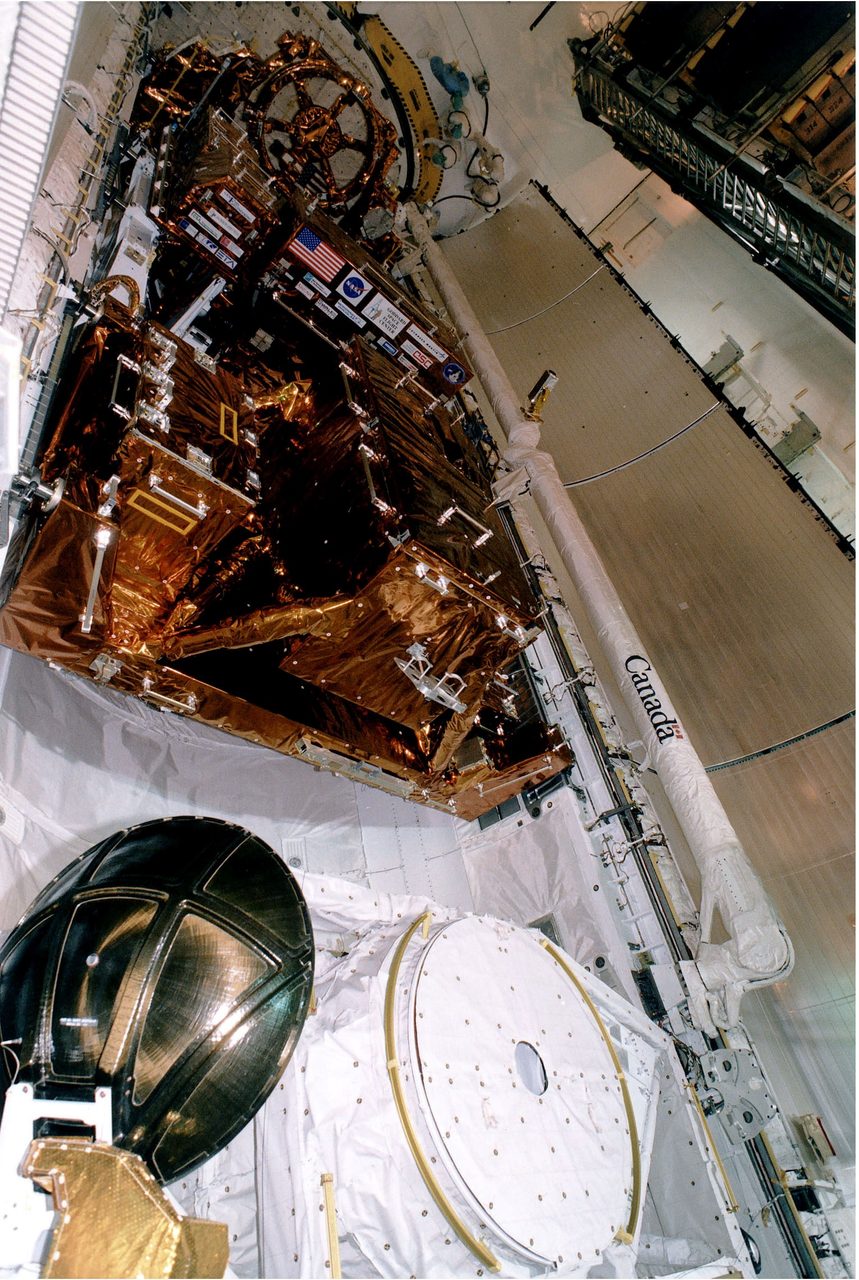
Hubble Space Telescope: Comprehensive Guide and Insights
The Hubble Space Telescope, launched in 1990, revolutionised our understanding of the universe with its deep-space imagery and scientific discoveries.
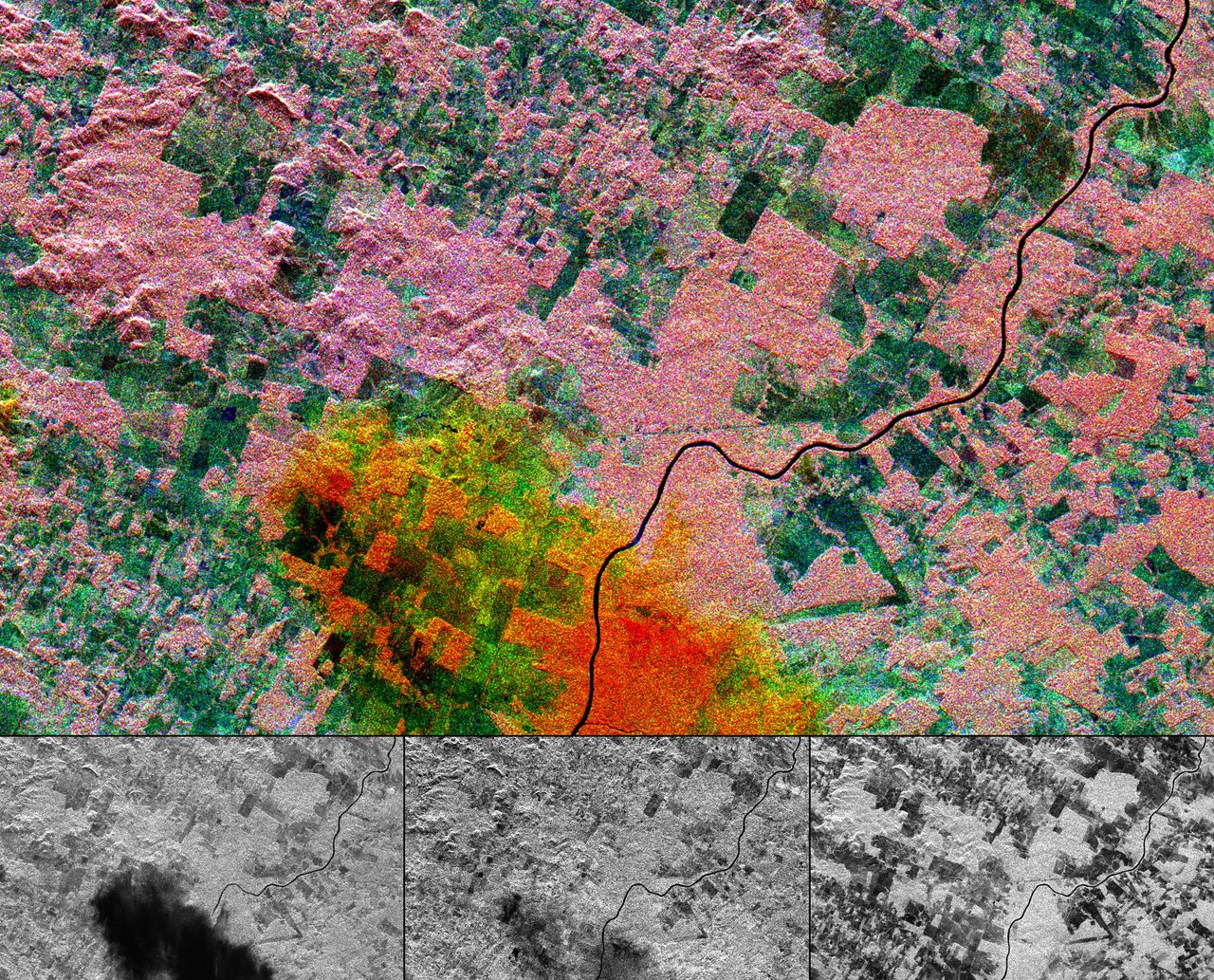
Understanding the Space Fence: Tracking Earth's Orbital Objects
The Space Fence radar system tracks over 28,000 objects in Earth's orbit, from satellites to debris, ensuring space safety.
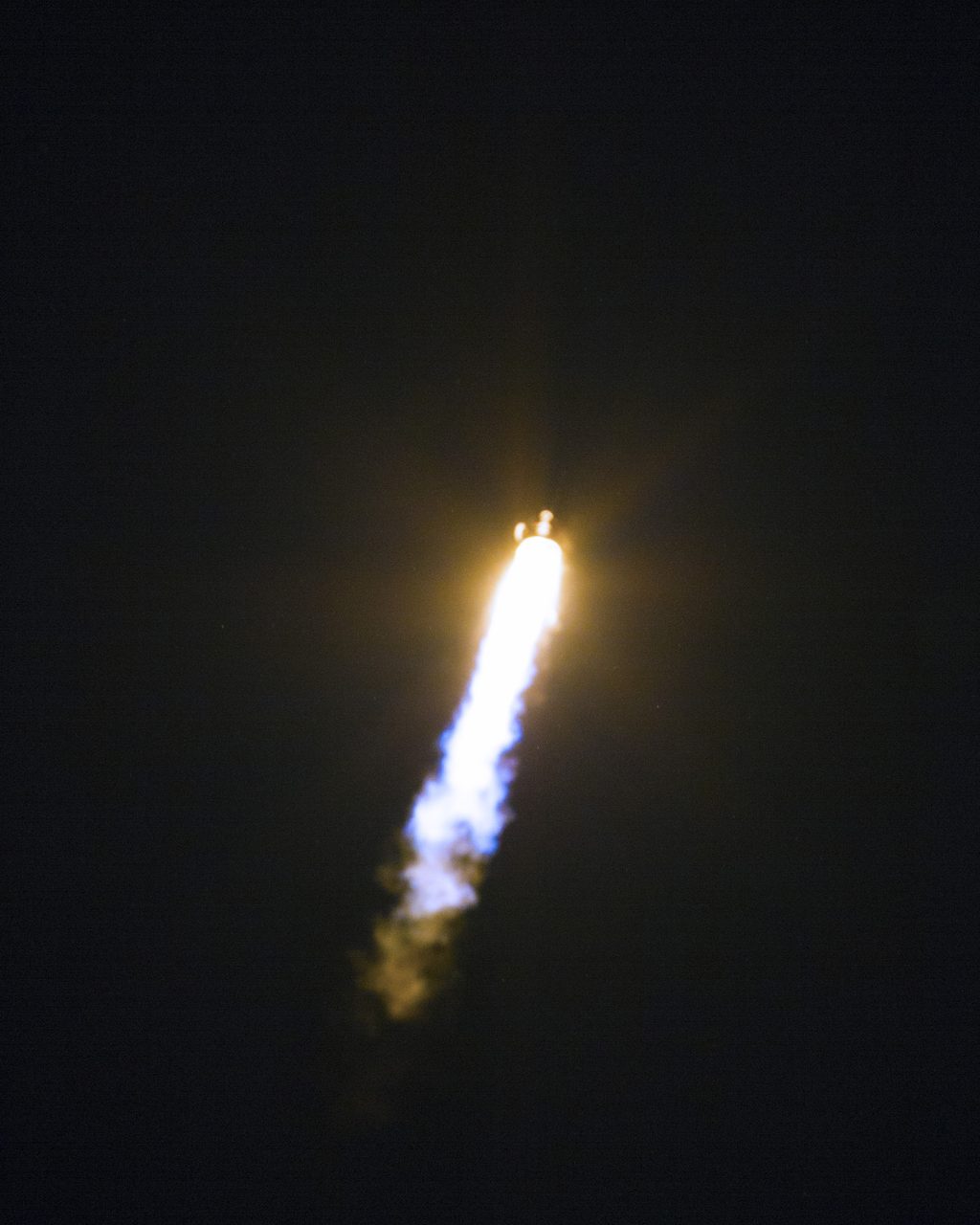
What Is That Moving Light in the Night Sky? Explained
Moving lights in the night sky are often satellites or space debris. Learn how to identify them and understand their movement.
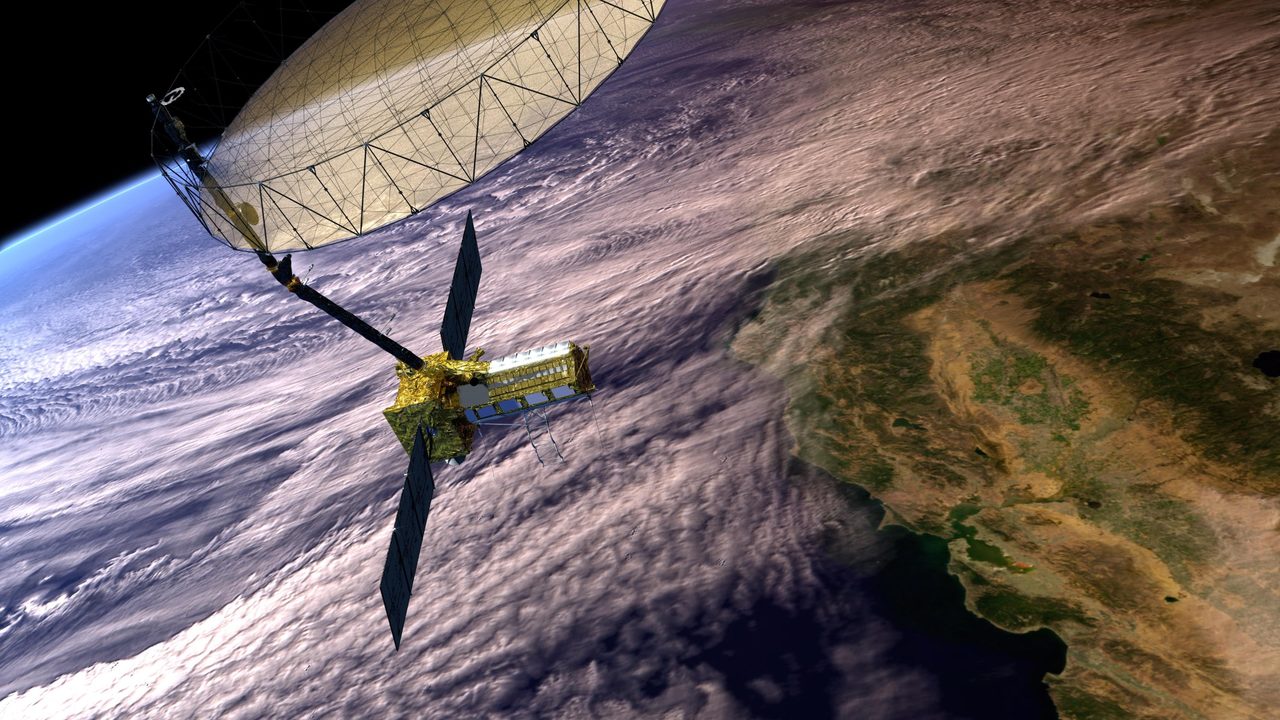
Understanding Conjunction Assessment in Satellite Operations
Conjunction assessment predicts potential collisions between satellites and debris, ensuring safe operations in Earth's orbit.
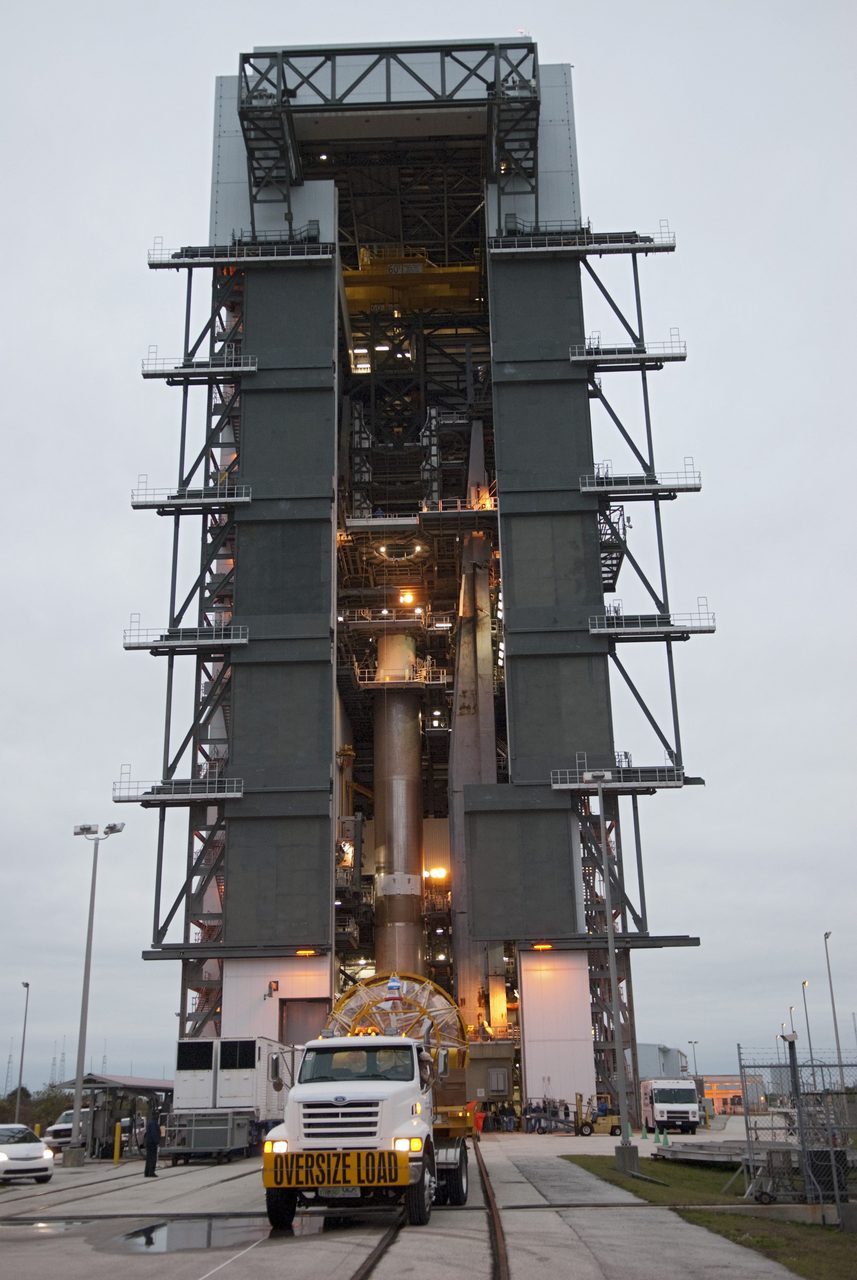
Exploring Space: Insights from Orbital Radar Academy
Orbital Radar Academy offers comprehensive education on satellite tracking, orbital dynamics, and space debris management, equipping learners with essential space knowledge.
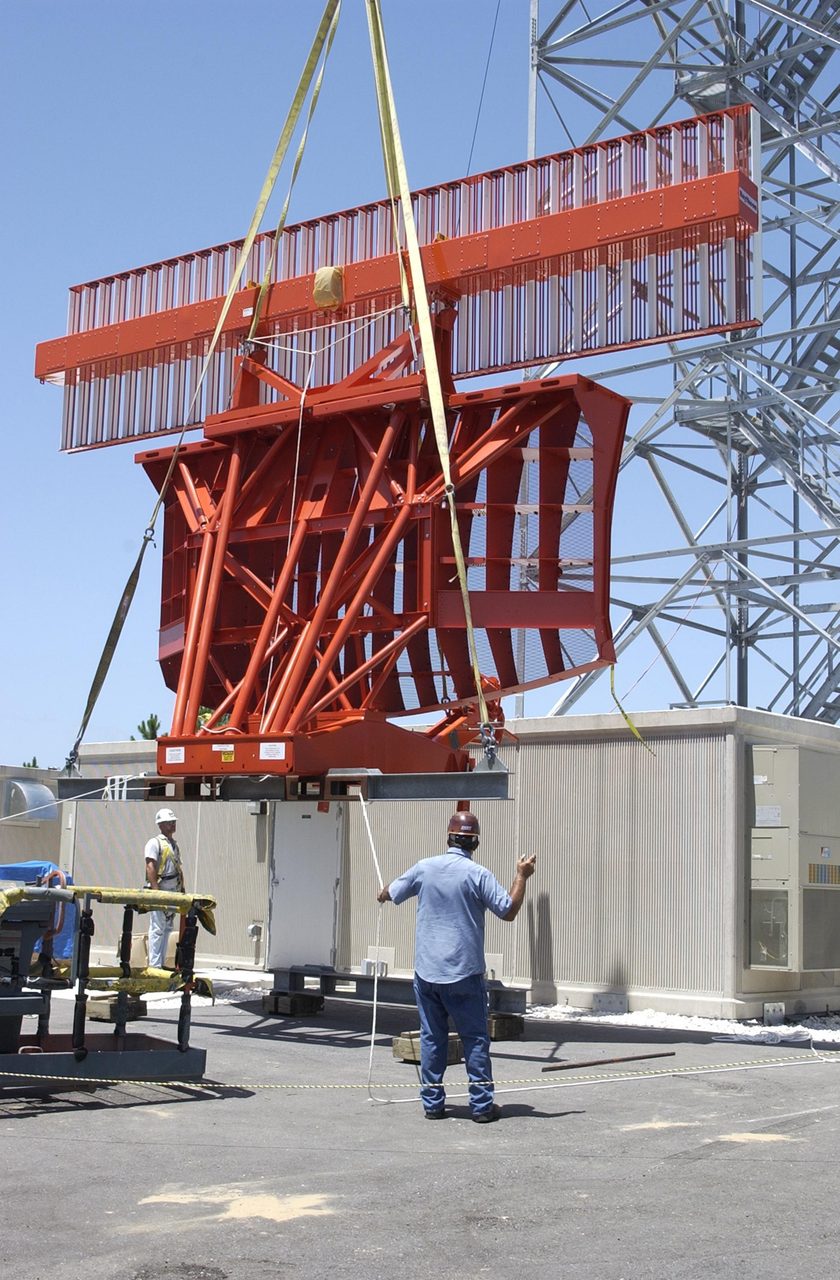
Understanding NORAD IDs: The Definitive Guide to Satellite Tracking
NORAD IDs are unique identifiers for tracking over 29,000 objects in space, including active satellites and debris.
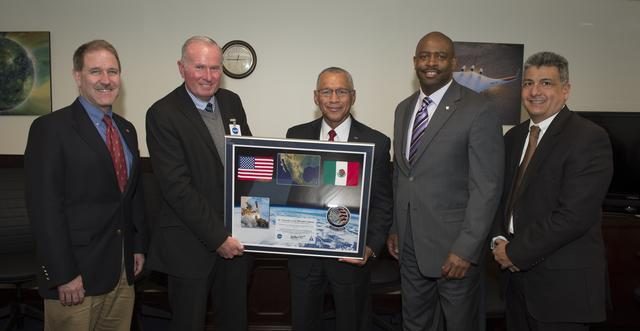
Understanding the Outer Space Treaty: A Comprehensive Guide
The Outer Space Treaty, established in 1967, forms the foundation of international space law, promoting peaceful exploration and preventing the militarisation of space.
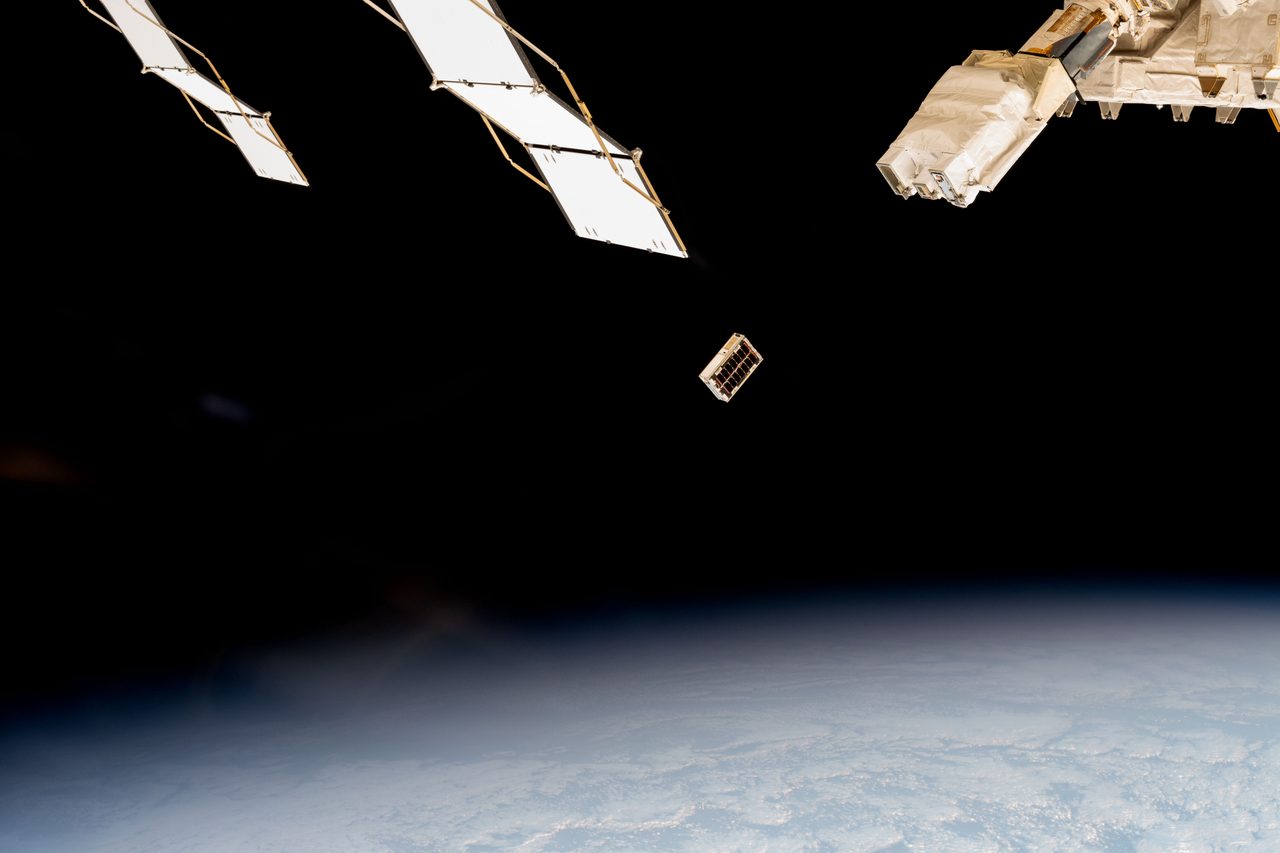
Understanding Orbital Decay: Why Satellites Fall to Earth
Orbital decay is the gradual reduction of a satellite's orbit due to atmospheric drag and gravitational forces, leading to eventual reentry.
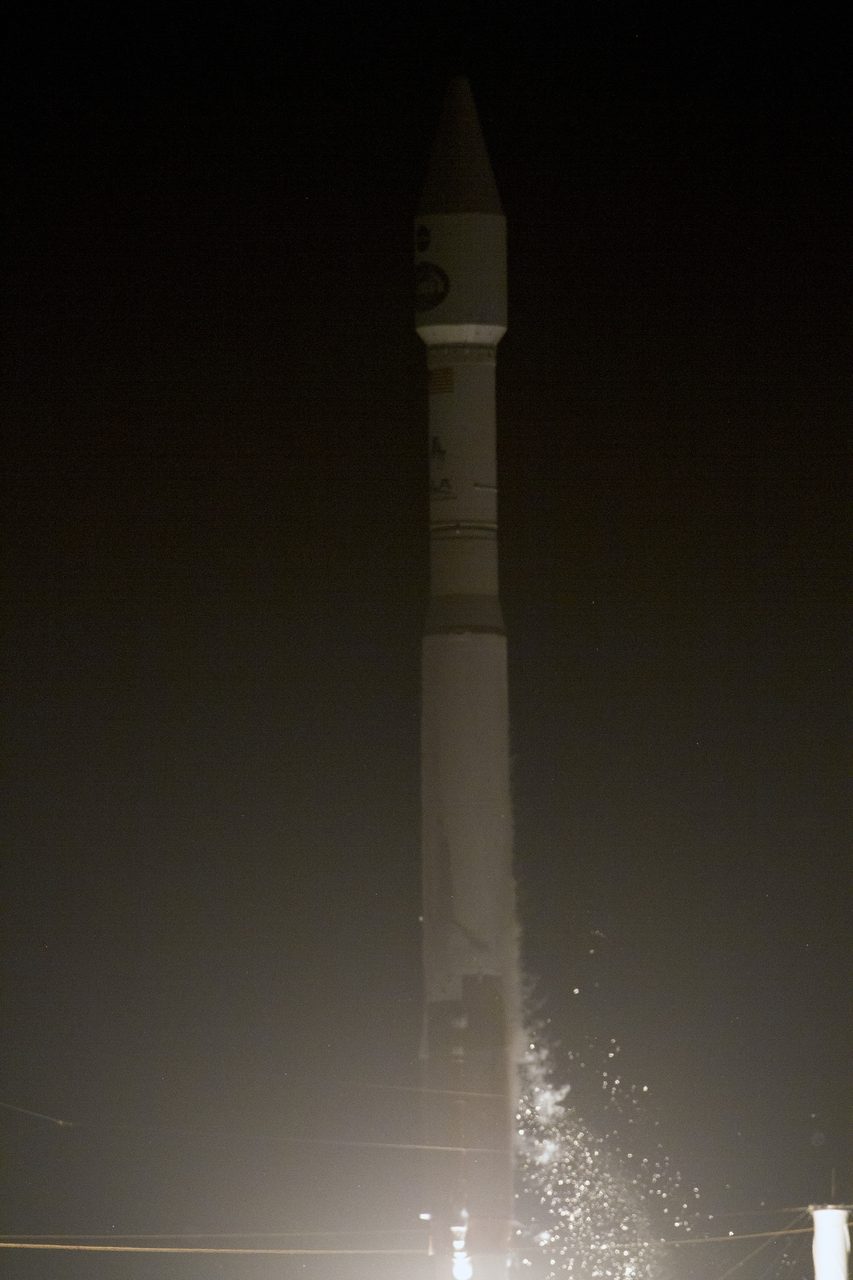
Satellite Spotlight: COSMOS 1408 and the 2021 Russian ASAT Test Debris Field
COSMOS 1408, a Soviet-era satellite, was launched on 16 September 1982. It was part of the Tselina-D series, designed for electronic intelligence (ELINT) purposes.
Understanding Satellite Collision Avoidance and Conjunction Assessment
Satellite collision avoidance involves predicting and preventing potential collisions between orbiting objects using conjunction assessments.
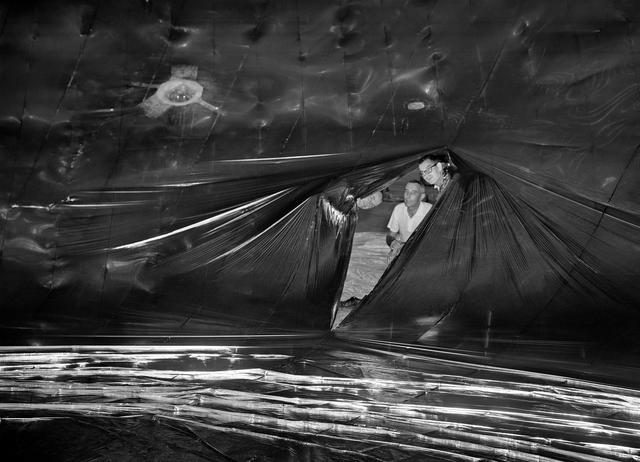
Sputnik 1: The Satellite That Started the Space Age
Sputnik 1 was the first artificial satellite to orbit the Earth, marking the beginning of the Space Age. Launched by the Soviet Union on 4 October 1957, it was a 58 cm diameter polished metal sphere with four external radio antennas to broadcast radio pulses.