Space News Mission Log — Satellite Launches, Orbital Events & Analysis
Daily space news, satellite launch reports, orbital debris analysis and weekly roundups — grounded in live tracking data from our network monitoring 20 published reports.
Understanding Sun-Synchronous Orbits: Consistent Sunlight for Satellites
A sun-synchronous orbit allows satellites to maintain consistent sunlight exposure, crucial for imaging and Earth observation tasks.
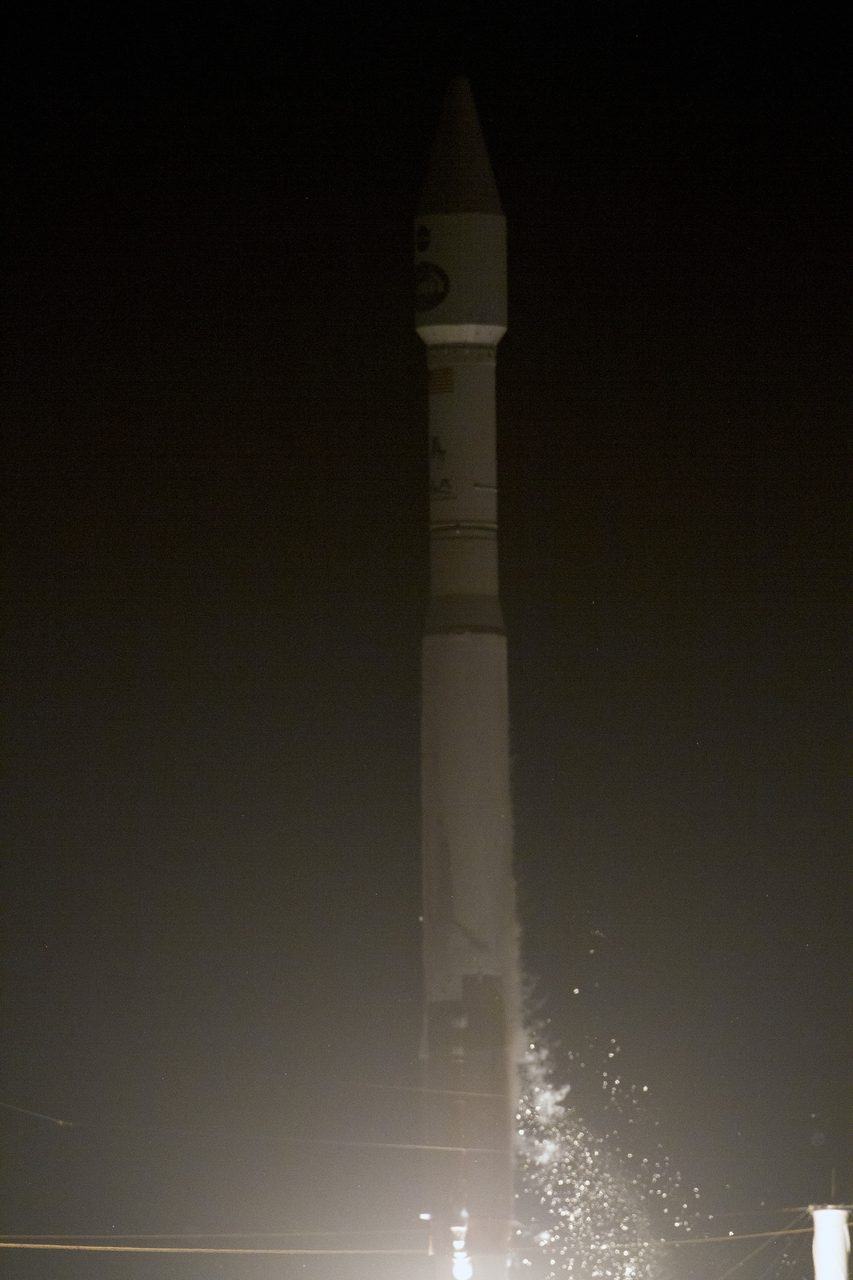
Satellite Spotlight: COSMOS 1408 and Its Debris Field
COSMOS 1408, a Soviet-era satellite, has gained notoriety not for its original mission, but for its role in a 2021 anti-satellite (ASAT) test conducted by Russia. Launched on 16 September 1982, COSMOS 1408 was part of the Tselina-D series, designed for electronic intelligence (ELINT) gathering.
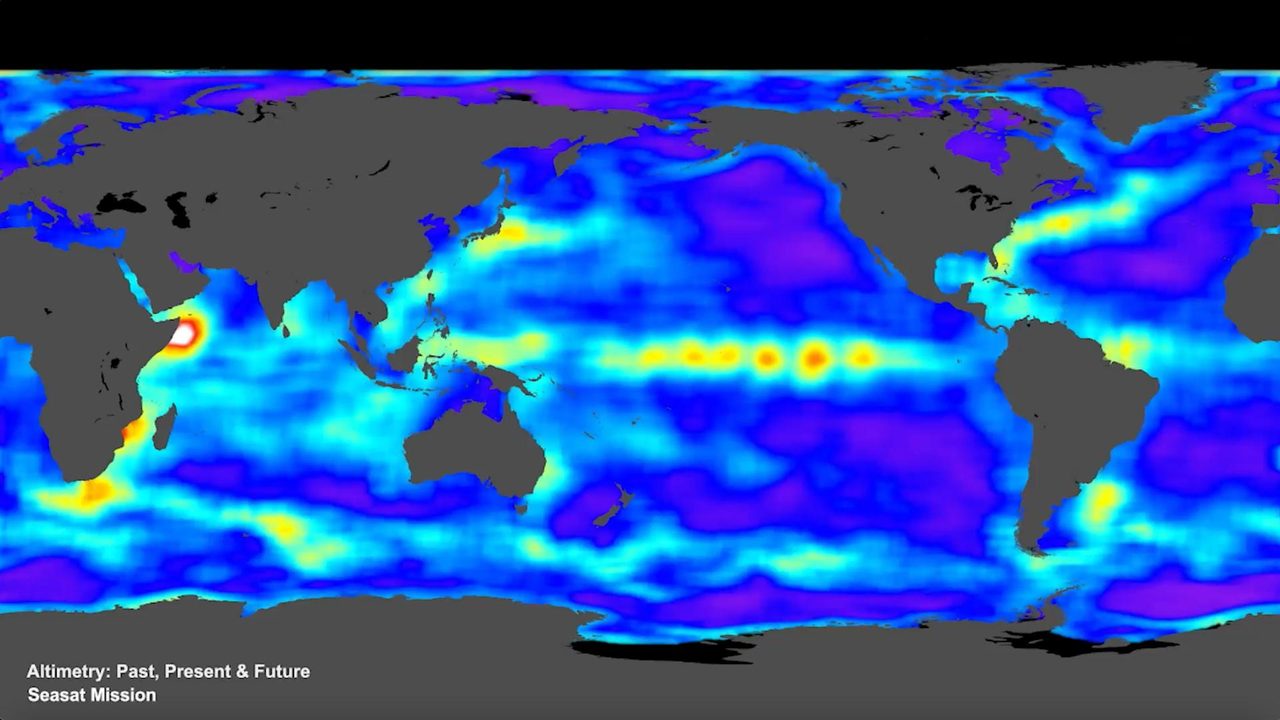
Envisat: The Giant Dormant ESA Satellite and Collision Risk
Envisat, launched by the European Space Agency (ESA) in 2002, was one of the largest Earth observation satellites ever constructed. With a mass of approximately 8,211 kilograms and dimensions comparable to a double-decker bus, Envisat was equipped with ten sophisticated instruments designed to monit

Terra: NASA's Flagship Earth Observing System Platform
Terra, launched by NASA on 18 December 1999, is a key component of the Earth Observing System (EOS) programme. It serves as a flagship platform for studying Earth's climate and environmental systems.
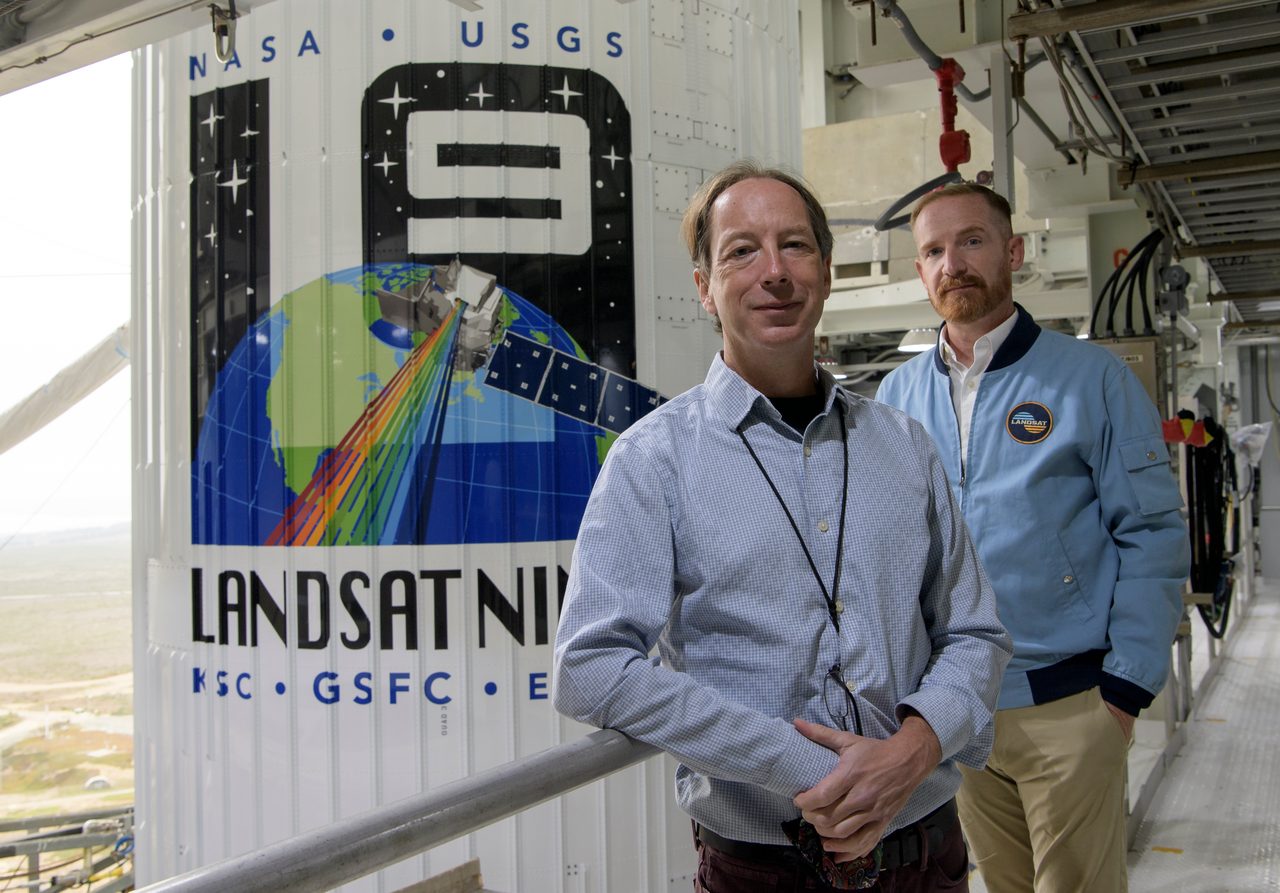
Landsat 9: Earth Observation from 705 km
Landsat 9 is the latest satellite in the Landsat programme, a joint initiative by NASA and the United States Geological Survey (USGS) to monitor Earth's surface. Launched on 27 September 2021, it continues a legacy of Earth observation that began with Landsat 1 in 1972.
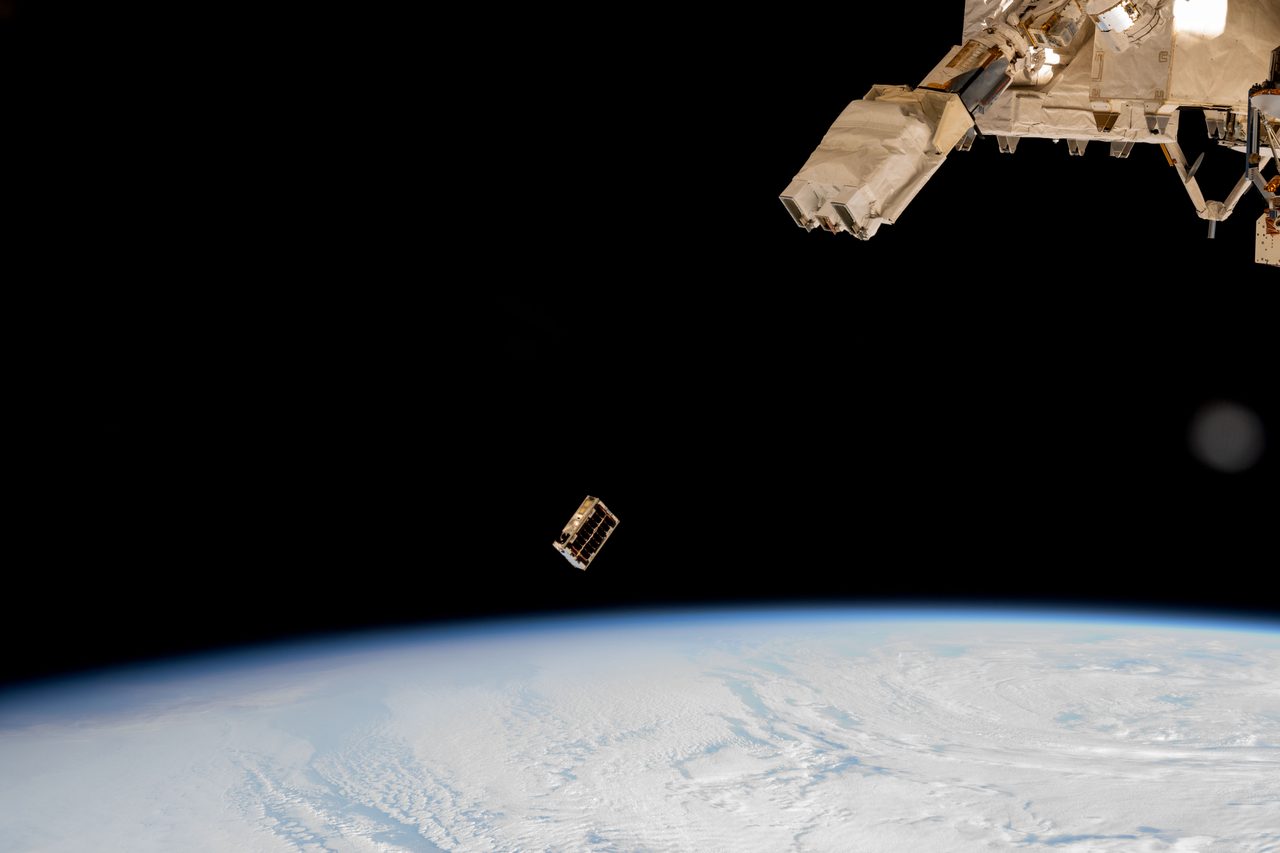
Satellite Imagery Explained: Understanding Earth Observation Satellites
Satellite imagery is captured by Earth observation satellites that monitor the planet from orbit, providing critical data for various applications.
Terra: NASA's Flagship Earth Observing System Platform
Launched on 18 December 1999, Terra is a cornerstone of NASA's Earth Observing System (EOS), designed to monitor and understand key aspects of the Earth's climate and environmental systems. The satellite carries a suite of scientific instruments aimed at collecting data on the atmosphere, land, and
Satellite Spotlight: Terra — NASA's Earth Observing System Flagship
Launched on 18 December 1999, Terra is a cornerstone of NASA's Earth Observing System (EOS), serving as a vital platform for monitoring our planet's climate and environment. As a flagship satellite, Terra is equipped with a suite of five scientific instruments designed to study the interactions amon
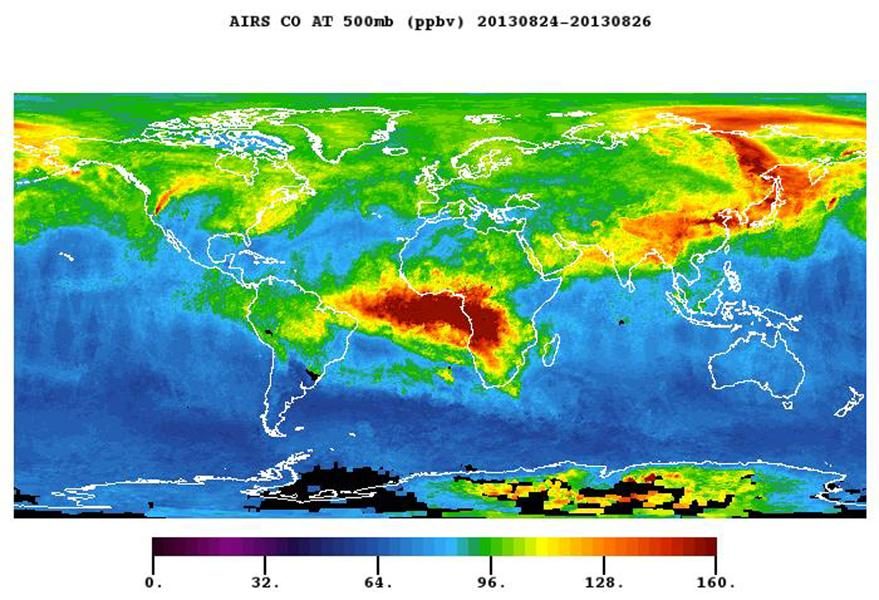
Aqua: Tracking Earth's Water Cycle from Orbit
Launched on 4 May 2002, Aqua is a NASA Earth Science satellite designed to observe the Earth's water cycle. Part of the Earth Observing System (EOS), Aqua's primary mission is to collect data on precipitation, evaporation, and the cycling of water.
Envisat: The Giant Dormant Satellite and Its Collision Risk
Envisat, launched by the European Space Agency (ESA) on 1 March 2002, was one of the largest Earth observation satellites ever constructed. With a mass of approximately 8,211 kilograms and dimensions akin to a double-decker bus, Envisat carried ten sophisticated instruments designed to monitor the E

NOAA-19: The Last of the POES Weather Satellites
NOAA-19, also known by its NORAD ID 33591, is the last satellite in the Polar Operational Environmental Satellites (POES) series. Launched on 6 February 2009, it serves as a key component in the National Oceanic and Atmospheric Administration's (NOAA) mission to monitor weather patterns and environm
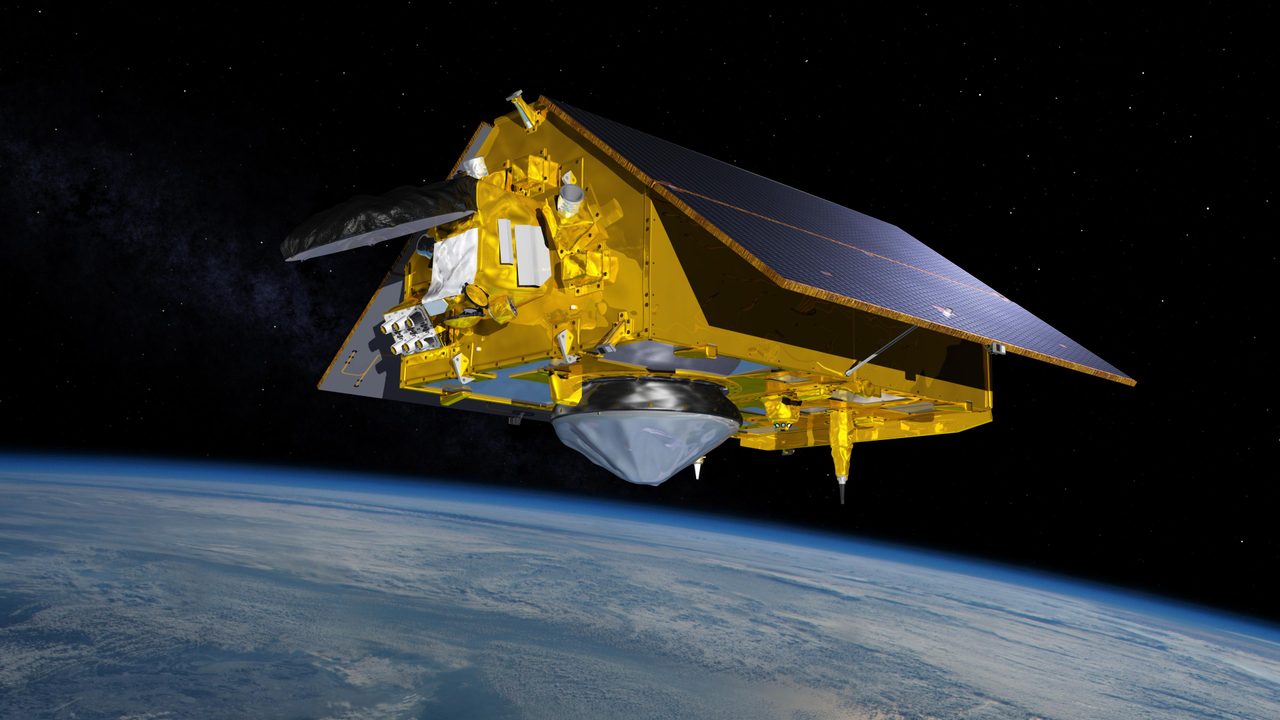
Sentinel-2: Europe's Copernicus Imaging Workhorse
Sentinel-2 is a part of the European Union's Copernicus Programme, a flagship initiative aimed at providing Earth observation data to support environmental monitoring, climate change studies, and disaster management. The Sentinel-2 mission consists of two identical satellites, Sentinel-2A and Sentin