Diamonds in the Sky: The Fascinating Weather of Jupiter and Saturn
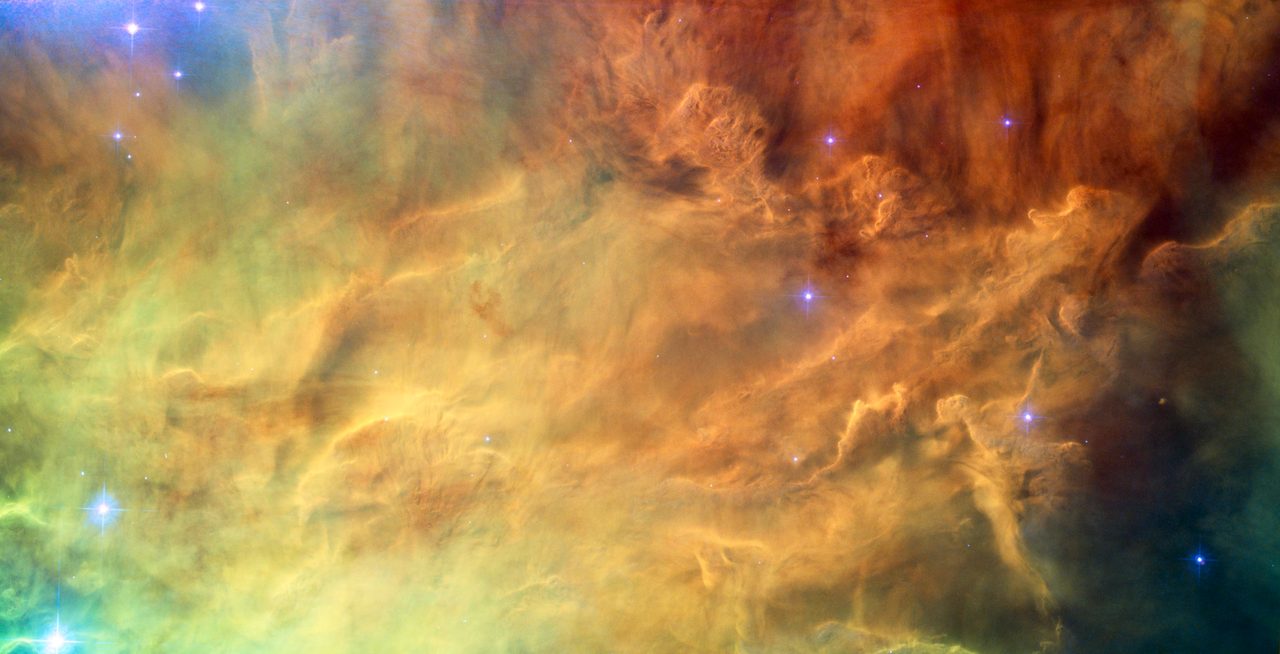
Discover the intriguing possibility of diamond rain on Jupiter and Saturn, where high pressures may crystallize carbon into diamonds.
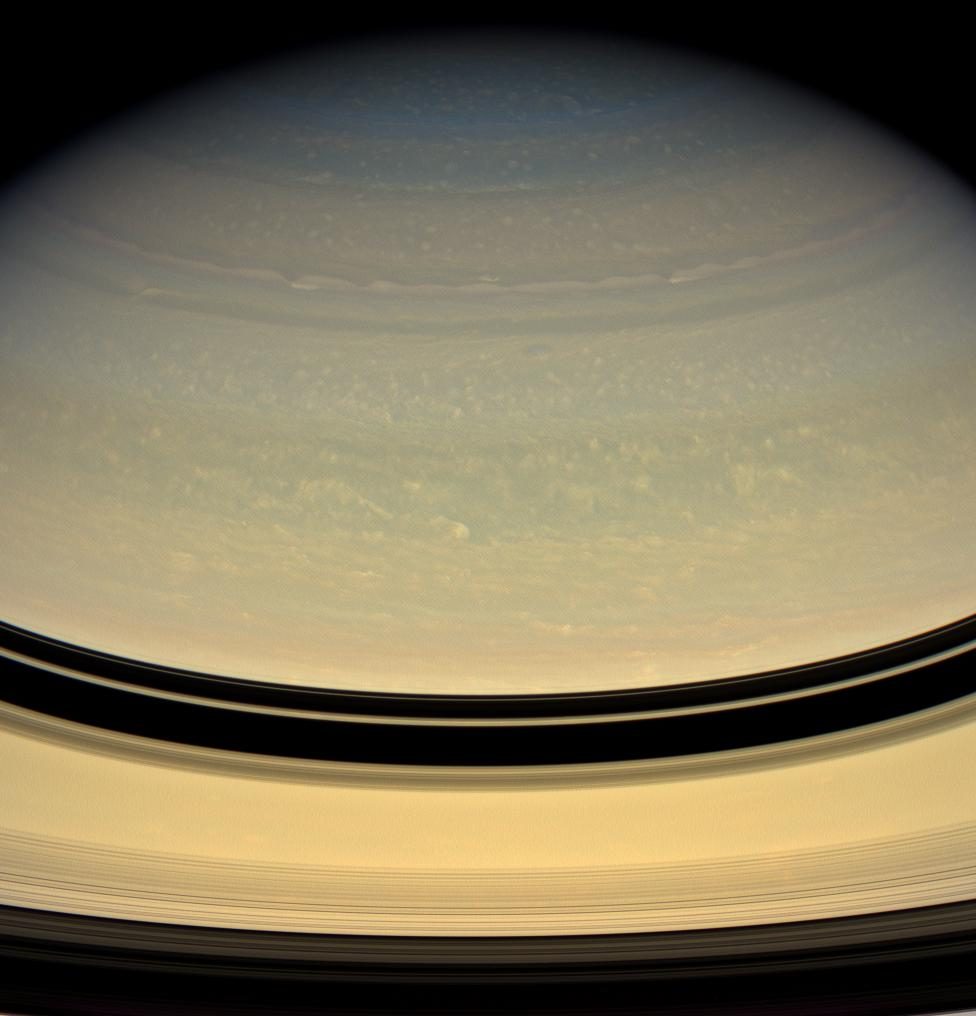
Today, we delve into the captivating concept of diamond rain on Jupiter and Saturn. These gas giants, known for their immense size and swirling storms, may host an extraordinary weather phenomenon. Under the intense pressures found deep within these planets, carbon atoms could crystallize into diamonds, creating a celestial shower of gemstones. This process begins in the upper atmosphere, where methane gas is transformed into soot (carbon) by lightning. As the soot descends, it encounters increasing pressure and temperature, eventually forming graphite and then diamonds.
The Science Behind Diamond Formation
The formation of diamonds on Jupiter and Saturn is a testament to the extreme conditions present in their atmospheres. At depths where pressures reach millions of times that of Earth's atmosphere, carbon can undergo a transformation into diamond. This theory is supported by laboratory experiments simulating such conditions, where scientists have successfully created diamond-like structures. The potential for diamond rain highlights the diversity of planetary processes in our solar system, offering insights into the complex interactions between atmospheric chemistry and physical conditions.
Observing the Giants
While we cannot directly observe diamond rain, missions like NASA's Juno, currently studying Jupiter, provide valuable data on the planet's atmospheric composition and dynamics. For those interested in tracking these celestial giants, the Orbital Radar pass predictor can help you find the best times to observe Jupiter and Saturn from your location. These tools offer a window into the ongoing exploration of our solar system's most enigmatic planets.
Frequently Asked Questions
Can diamonds really form on Jupiter and Saturn?
How do scientists know about diamond rain on these planets?
📎 Cite this article
Orbital Radar Newsroom. (2026). Diamonds in the Sky: The Fascinating Weather of Jupiter and Saturn. Orbital Radar. https://orbitalradar.com/blog/cosmic-gallery-2026-05-21"Diamonds in the Sky: The Fascinating Weather of Jupiter and Saturn." Orbital Radar, 21 May 2026, https://orbitalradar.com/blog/cosmic-gallery-2026-05-21.@misc{orbitalradar_cosmic_gallery_2026_05_21,
title = {Diamonds in the Sky: The Fascinating Weather of Jupiter and Saturn},
author = {{Orbital Radar}},
year = {2026},
howpublished = {\url{https://orbitalradar.com/blog/cosmic-gallery-2026-05-21}}
}