Witnessing the Sun's Dance with the Moon and Earth
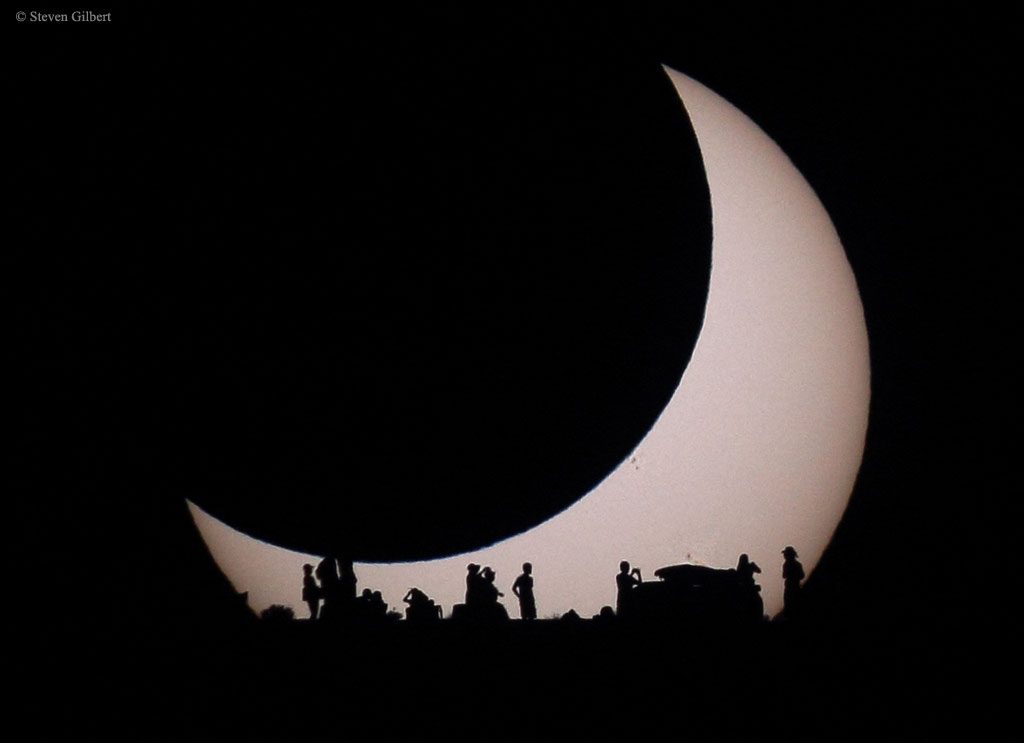
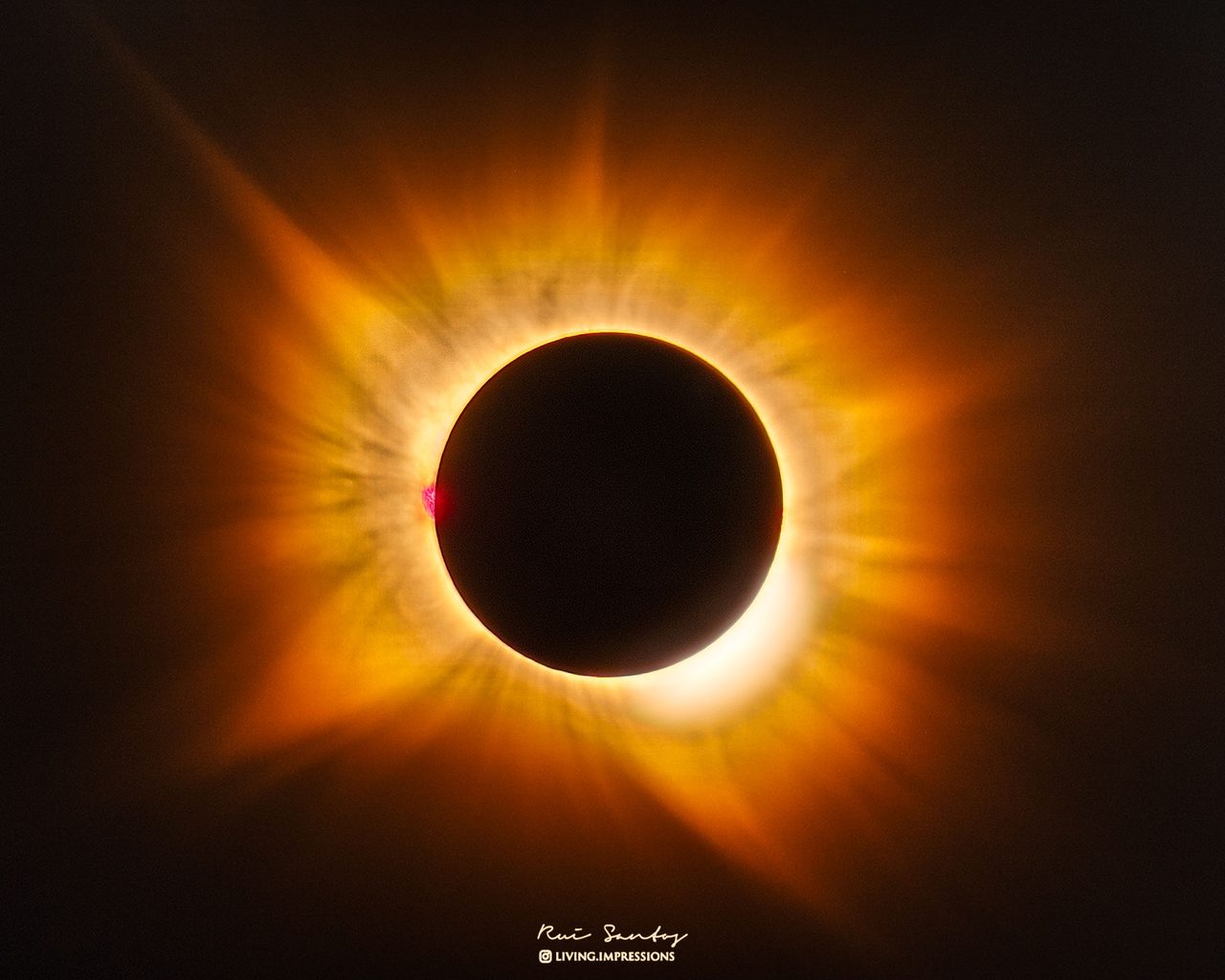
A 2012 solar eclipse captured in Arizona offers a stunning view of celestial alignment, with sunspots visible on the Sun's surface.
The image captures a solar eclipse from 2012, where the Sun is partially obscured by the Moon, as seen from the Glen Canyon National Recreation Area in Arizona. This celestial event not only mesmerised those present but also provided a unique opportunity to observe sunspots, visible as dark patches on the Sun's surface. Sunspots are regions of reduced surface temperature caused by magnetic activity, offering insights into solar dynamics. Such eclipses allow astronomers and enthusiasts alike to study the interplay between our planet, its satellite, and the Sun.
The Science Behind Solar Eclipses
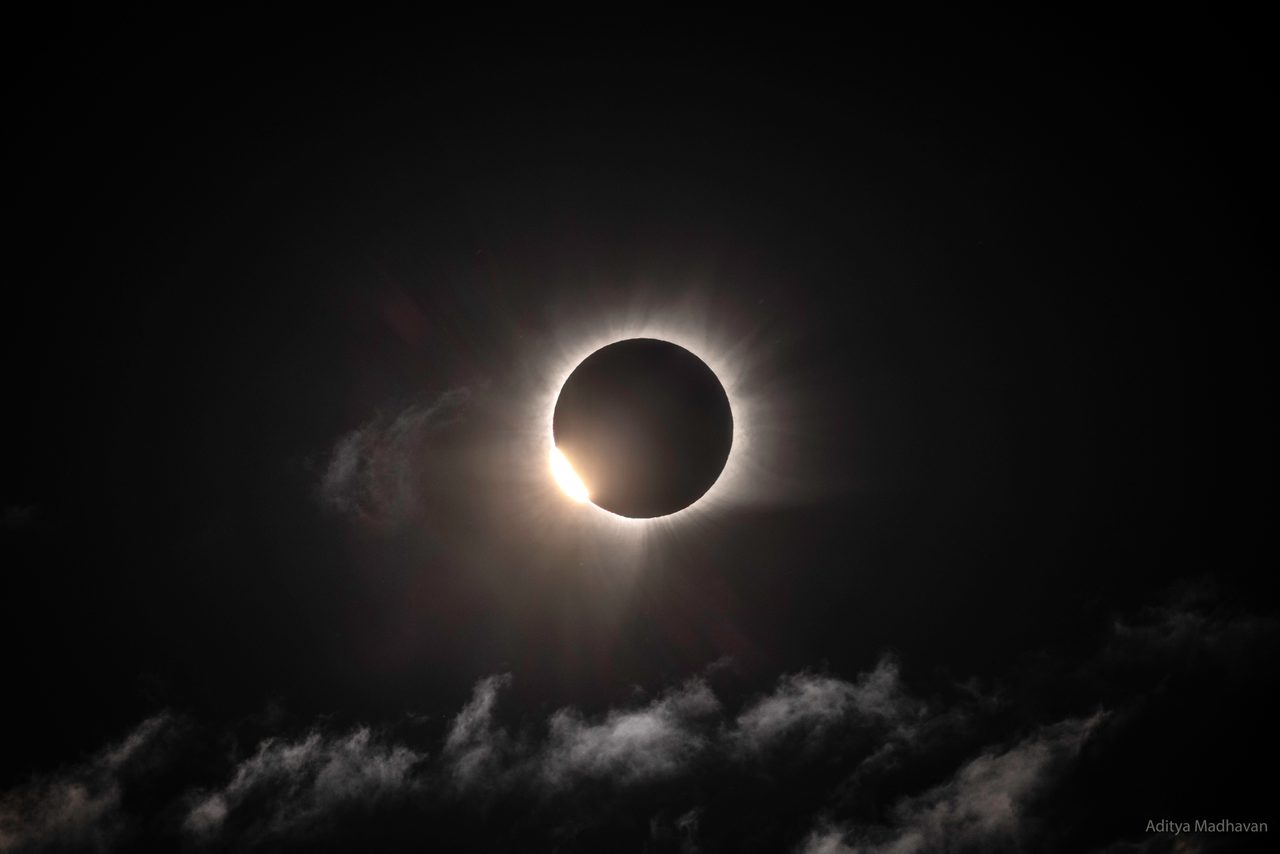
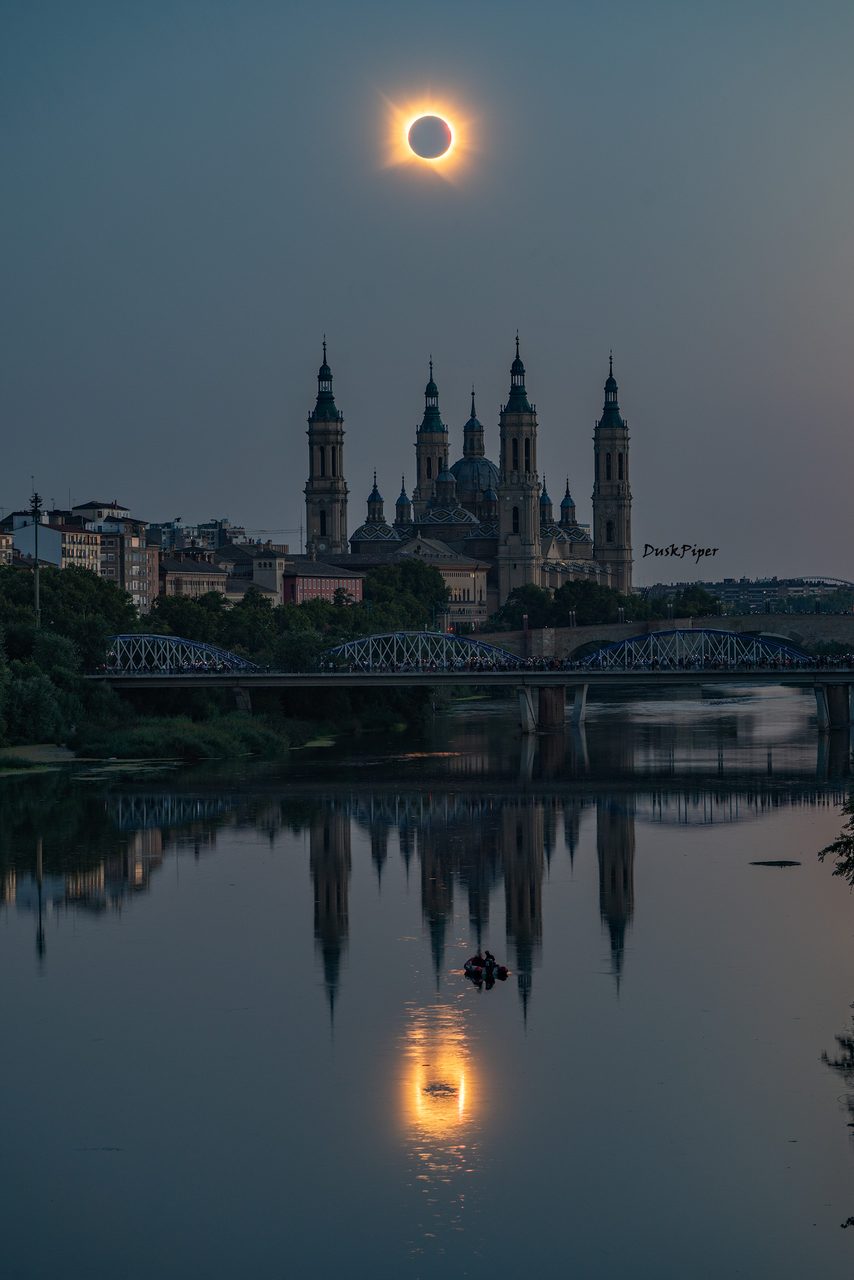
Solar eclipses occur when the Moon passes between the Earth and the Sun, casting a shadow on Earth. This alignment, though infrequent, is a reminder of the intricate dance of celestial bodies governed by gravitational forces. During the 2012 eclipse, observers were treated to a rare alignment that also coincided with visible sunspots, offering a dual spectacle. As we approach the next solar eclipse, predicted to traverse Greenland and Spain, enthusiasts can prepare to witness another chapter in this cosmic ballet. For those interested in tracking such events, the Orbital Radar Pass Predictor provides detailed timings and visibility maps.
Observing Tips for Upcoming Eclipses
For those planning to observe the upcoming solar eclipse, safety is paramount. Use proper solar viewing glasses to protect your eyes from harmful solar radiation. Binoculars or telescopes equipped with solar filters can enhance the experience, revealing details such as sunspots. The Orbital Radar Debris Map can help identify any potential obstructions in the sky during your observation. Additionally, the eclipse's path will offer a chance to observe the Perseid meteor shower, potentially visible during the period of totality.
Frequently Asked Questions
What causes a solar eclipse?
How can I safely observe a solar eclipse?
📎 Cite this article
Orbital Radar Newsroom. (2026). Witnessing the Sun's Dance with the Moon and Earth. Orbital Radar. https://orbitalradar.com/blog/cosmic-gallery-2026-05-17"Witnessing the Sun's Dance with the Moon and Earth." Orbital Radar, 17 May 2026, https://orbitalradar.com/blog/cosmic-gallery-2026-05-17.@misc{orbitalradar_cosmic_gallery_2026_05_17,
title = {Witnessing the Sun's Dance with the Moon and Earth},
author = {{Orbital Radar}},
year = {2026},
howpublished = {\url{https://orbitalradar.com/blog/cosmic-gallery-2026-05-17}}
}