The Cosmic Comet: Cocoon Nebula's Hidden Wonders
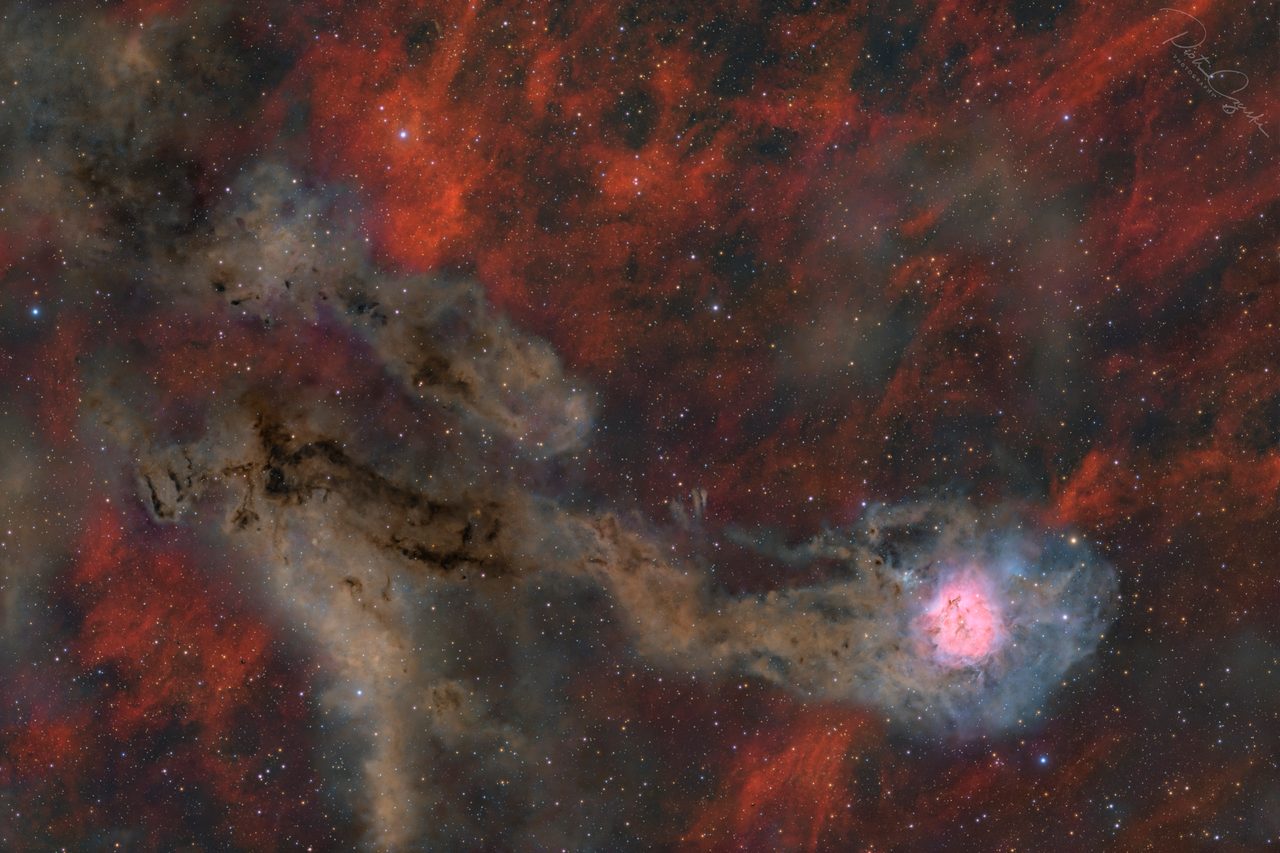
The Cocoon Nebula in Cygnus resembles a cosmic comet, with a bright core and a long dusty tail. Discover its star-forming secrets.
| Active satellites | 15,729 |
| Catalogued objects | 31,476 |
| Starlink active | 9,853 |
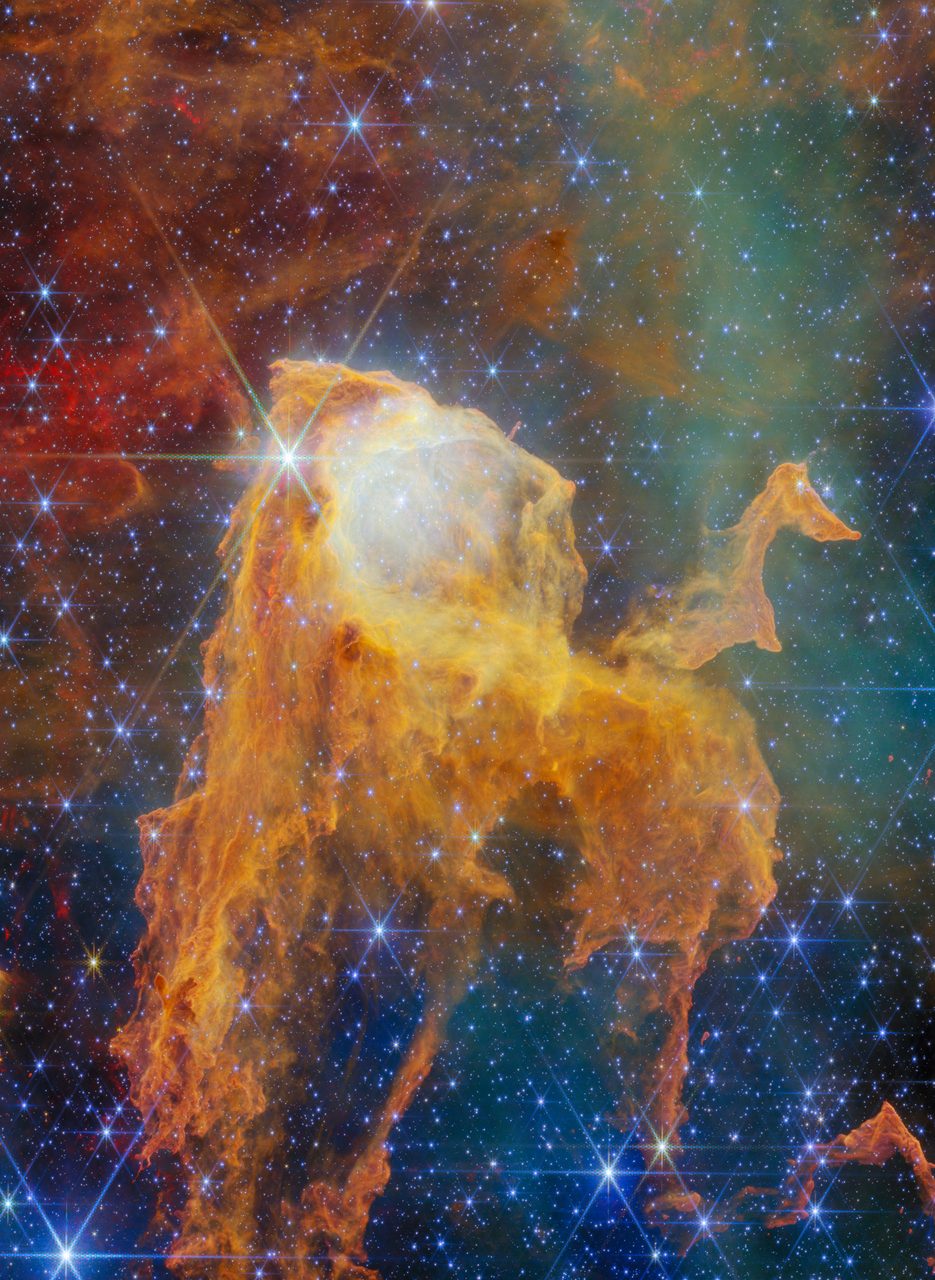
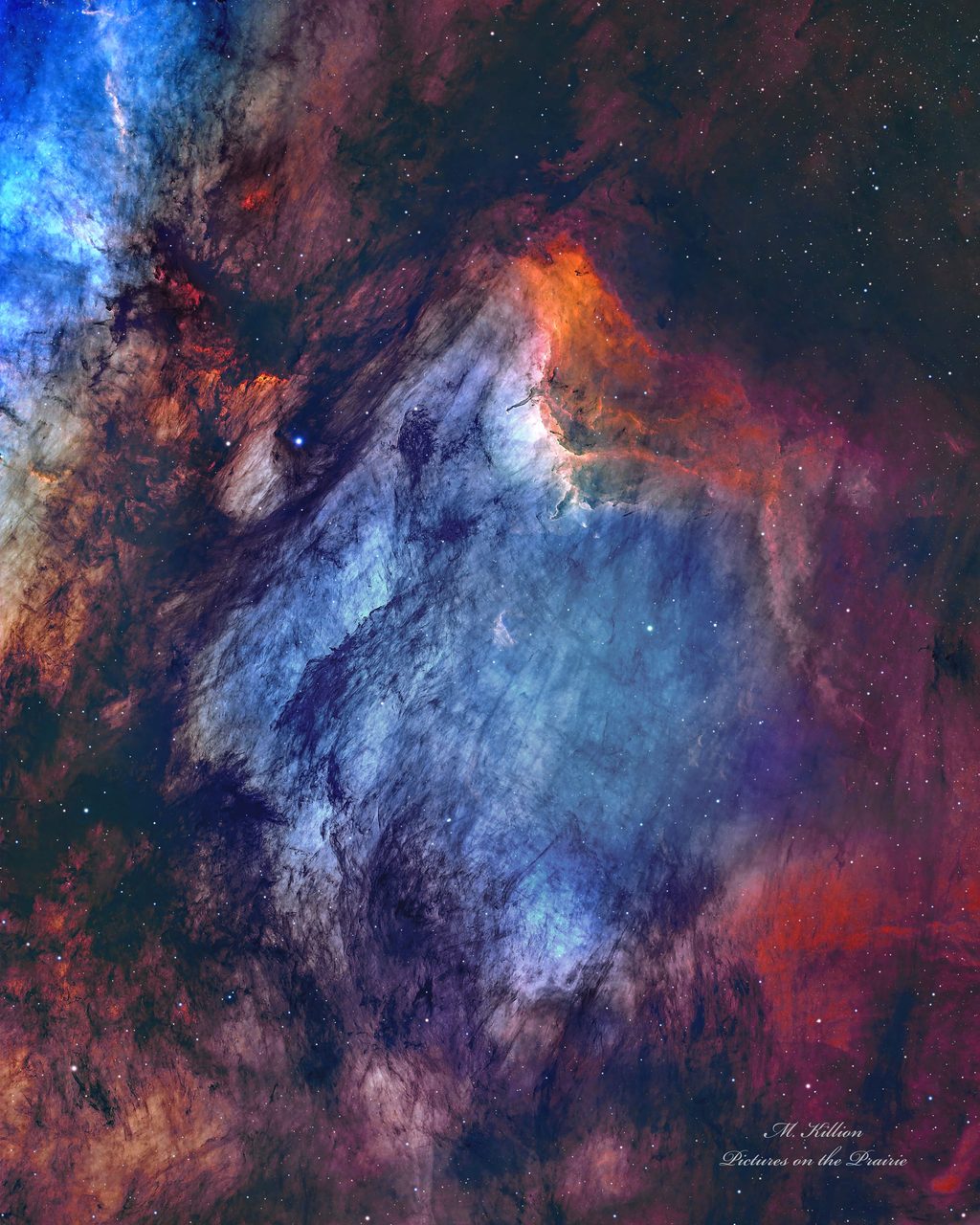
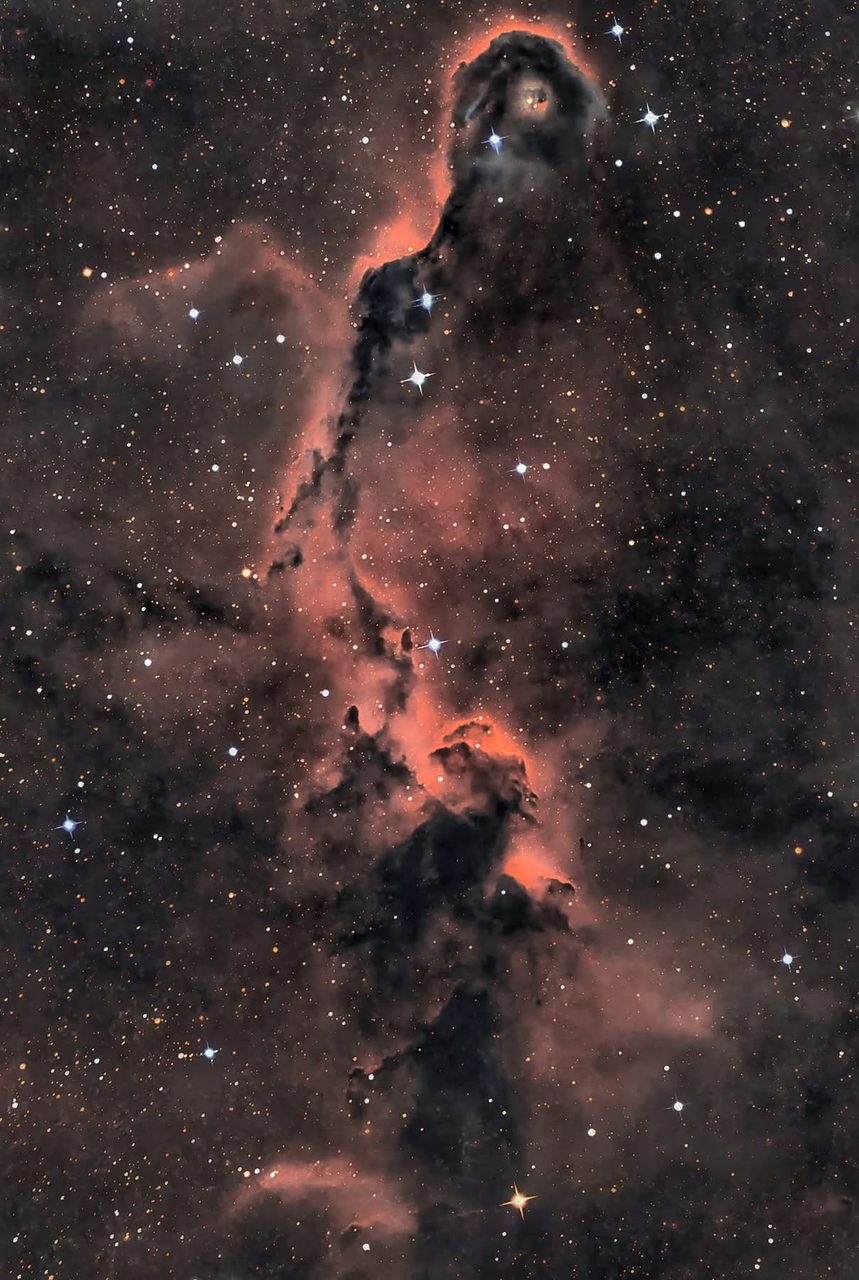
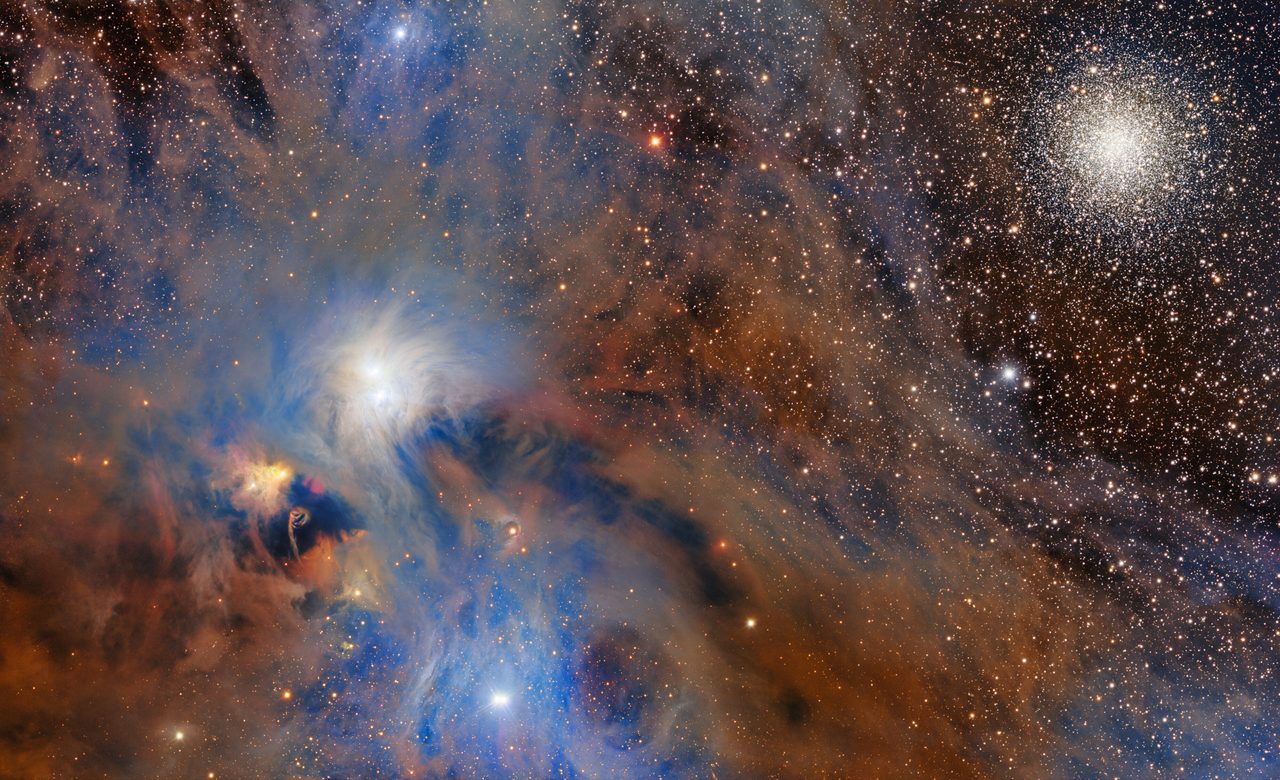
The Cocoon Nebula, catalogued as IC 5146, is a captivating star-forming region situated within the constellation Cygnus, the Swan. This celestial object is remarkable for its dual nature, combining a bright emission and reflection nebula with a long trail of interstellar dust. The nebula's head spans approximately 10 light years, while its dark, dusty tail stretches nearly 100 light years. Located about 2,500 light years from Earth, the Cocoon Nebula's appearance is reminiscent of a comet, with a bright star near its centre believed to power and clear out a cavity within the nebula.
The Science of Star Formation
The Cocoon Nebula is a prime example of a stellar nursery, where new stars are born from the dense molecular clouds. The dark filaments of its tail, although obscured in visible light, are teeming with nascent stars. This process of star formation is a fundamental aspect of cosmic evolution, contributing to the dynamic nature of our universe. Understanding these regions helps astronomers piece together the life cycles of stars and the formation of planetary systems. The Cocoon Nebula's intricate structure can be explored further using the Satellite Eye tool, which provides live satellite imagery of such celestial phenomena.
Observing the Nebula
For those interested in observing the Cocoon Nebula, it is best viewed from the Northern Hemisphere during the summer months, when Cygnus is high in the sky. A telescope with a wide field of view is recommended to capture both the bright core and the extensive dusty tail. Although the nebula is faint, long-exposure photography can reveal its stunning details. For enthusiasts tracking celestial events, the Pass Predictor can help plan observation sessions by providing visibility forecasts for satellites and other astronomical objects.
Frequently Asked Questions
What is the Cocoon Nebula?
How far is the Cocoon Nebula from Earth?
📎 Cite this article · data available
Orbital Radar Newsroom. (2026). The Cosmic Comet: Cocoon Nebula's Hidden Wonders. Orbital Radar. https://orbitalradar.com/blog/cosmic-gallery-2026-09-22"The Cosmic Comet: Cocoon Nebula's Hidden Wonders." Orbital Radar, 22 September 2026, https://orbitalradar.com/blog/cosmic-gallery-2026-09-22.@misc{orbitalradar_cosmic_gallery_2026_09_22,
title = {The Cosmic Comet: Cocoon Nebula's Hidden Wonders},
author = {{Orbital Radar}},
year = {2026},
howpublished = {\url{https://orbitalradar.com/blog/cosmic-gallery-2026-09-22}}
}