This Week in Orbit: 22 November 2026
Successful US and Chinese launches, close approaches between Earth-observation satellites, and an approaching Amazon Leo mission shaped a week that also brought reports of BepiColombo reaching Mercury.
| Active satellites | 16,721 |
| Starlink active | 9,750 |
| Catalogued objects | 32,157 |
| Active close approaches | 22 |
| People in space | 10 |
Week Overview
Successful launches by SpaceX and China expanded orbital activity this week, while reports of BepiColombo arriving at Mercury shifted attention towards planetary exploration. Back near Earth, conjunction monitoring — tracking objects that pass close to one another — highlighted the distinction between proximity and genuine collision risk.
Orbital Radar tracking data recorded 16,721 active satellites in orbit on 22 November 2026. That population underpins communications, navigation and Earth observation, but also makes reliable tracking and coordination increasingly important. Orbital Radar’s Satellite Library (/library) provides a route into the spacecraft behind those totals.
The week’s wider science coverage ranged from minerals that might preserve evidence of ancient water under Venus-like conditions to a possible early-universe black hole growing faster than its host galaxy. Both concern how researchers reconstruct inaccessible environments from indirect evidence; neither should be read as a settled answer to the larger questions involved.
Launch Activity
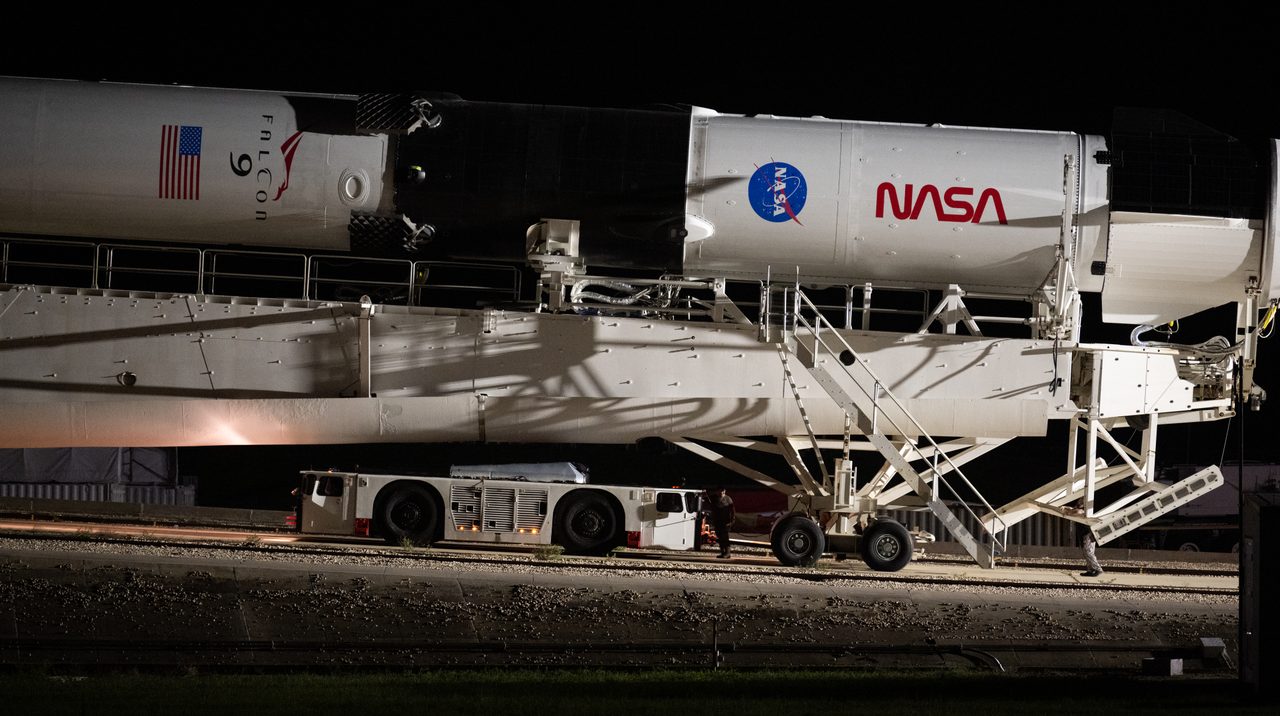
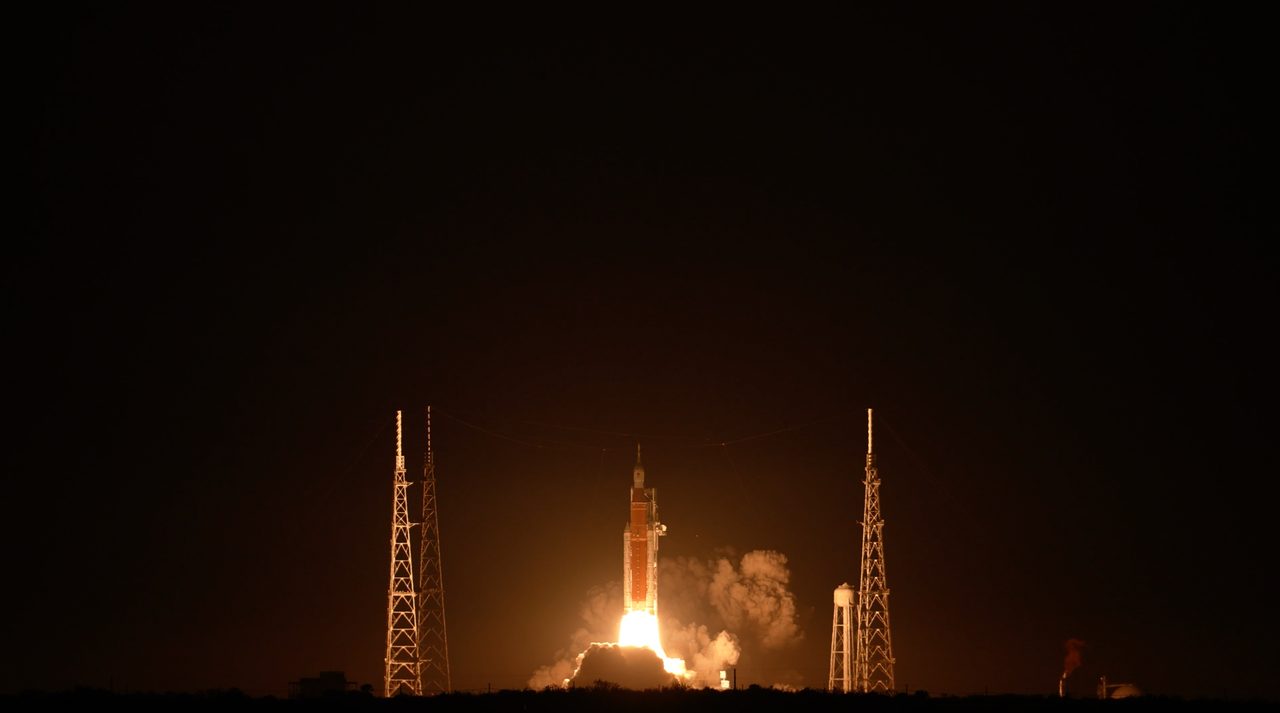
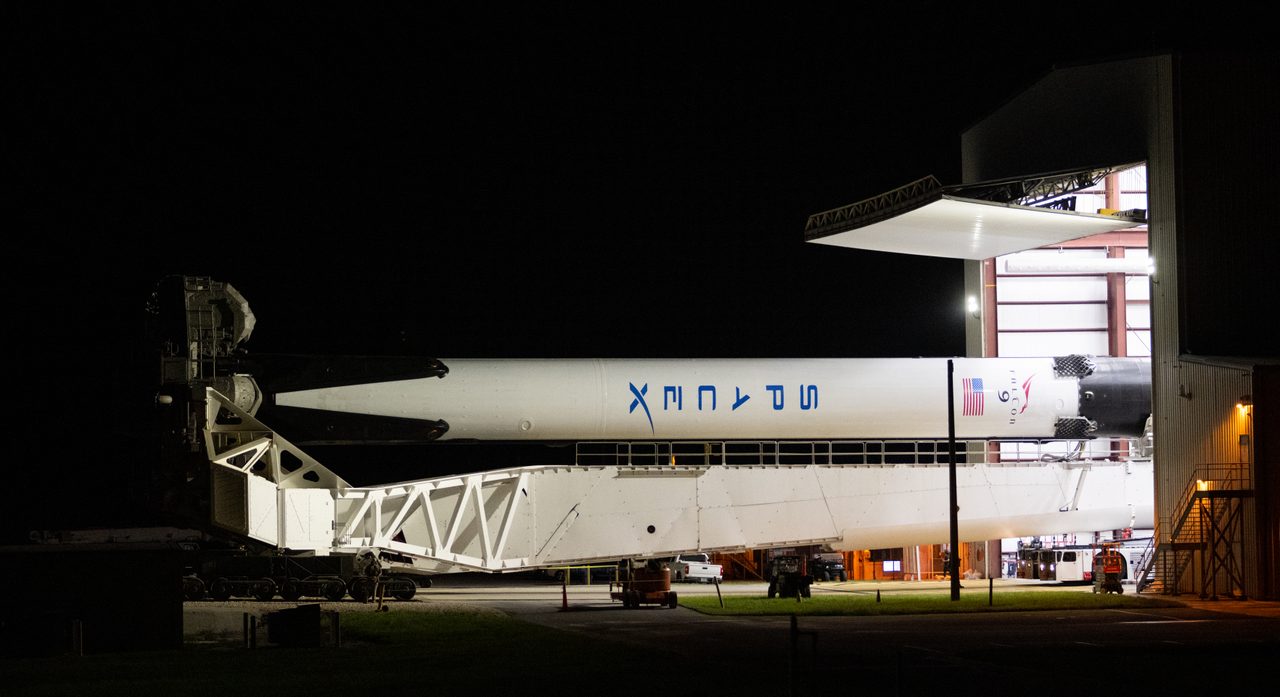
SpaceX’s Falcon 9 Block 5 successfully launched USSF-317 at 04:20 UTC on 21 November 2026. China recorded successful launches of Shijian 24 aboard Long March 2D at 22:51 UTC on 18 November, followed by SatNet LEO Group 30 aboard Long March 8A at 11:59 UTC on 20 November.
Those missions illustrate the continuing mix of government spacecraft and constellation deployment driving launch demand. Separate reporting described a SpaceX launch carrying intelligence-gathering satellites for the National Reconnaissance Office; classified missions warrant care because public descriptions do not necessarily reveal their full payload complement or operational purpose.
Starship also featured prominently, with reporting on the catch of Ship 42 and plans to retire the recovered upper stage. A successful recovery and a decision to fly that same vehicle again are different milestones: inspection, design changes and test priorities can all shape what follows. Orbital Radar’s Launch Vehicles pages (/launch-vehicles/) provide context for the different rocket programmes, while the Launch Log (/satellite-launch-log) supports historical comparisons.
Orbital Events
The closest listed encounter involved TIANHUI 5A and TIANHUI 5B, with a minimum separation of approximately 0.45 km. Other close approaches included TIANHUI 5C and TIANHUI 5D at about 0.66 km, and TIANHUI 2-01A and TIANHUI 2-01B at roughly 0.88 km.
Orbital Radar tracking data showed 22 active close approaches being tracked on 22 November 2026. That figure describes monitoring activity, not a count of impending collisions. Some Earth-observation spacecraft operate in coordinated formations, so separation alone cannot establish whether an encounter is unexpected or dangerous.
Elsewhere, RADIX-M and FLOCK 4J-8 had a listed minimum separation of approximately 1.89 km, while ICEYE-X87 and FLOCK 4J 9 were listed at about 1.78 km. Assessing such encounters requires attention to timing, orbital uncertainty and whether operators plan a manoeuvre. Orbital Radar’s space situational awareness hub (/space-situational-awareness) and Debris Map (/space-debris-map) put these encounters within the wider tracked environment.
Space Weather
Geomagnetic conditions were quiet at the week’s close: Kp, the index used to describe global geomagnetic disturbance, stood at 0. The Dst index, which tracks changes in Earth’s magnetic field associated with geomagnetic storms, was −2, while the reported solar-wind speed was 351 km/s.
The regional risk indicators were green for low Earth orbit, geostationary orbit and the International Space Station. This is a description of current conditions rather than a guarantee for the coming week: changes in the solar wind can alter the environment experienced by spacecraft.
For satellite operators, space weather matters because it can affect electronics, communications and atmospheric drag. For observers, quiet geomagnetic conditions do not determine whether a satellite will be visible; sunlight, viewing geometry and local skies remain essential. Orbital Radar’s Sun Globe (/sun) offers solar context, while the Pass Predictor (/satellite-pass-predictions) addresses the separate question of when spacecraft cross an observer’s sky.
Notable Satellites
Starlink had 9,750 operational satellites on 22 November 2026, according to Orbital Radar tracking data. Its fleet also included 1,223 satellites raising their orbits and 231 deorbiting, illustrating why launch totals, operational totals and spacecraft still manoeuvring into position should not be treated as interchangeable. These changing categories can be explored through Orbital Radar’s Starlink Tracker (/starlink-tracker).
Amazon Leo, the broadband constellation formerly called Project Kuiper, remained a central commercial story ahead of its next scheduled launch. It has flown 14 production missions since 28 April 2025, placing 396 satellites into orbit; consumer service has not yet opened. Amazon says initial service will begin before the end of 2026 in the US, UK, France, Germany and Canada.
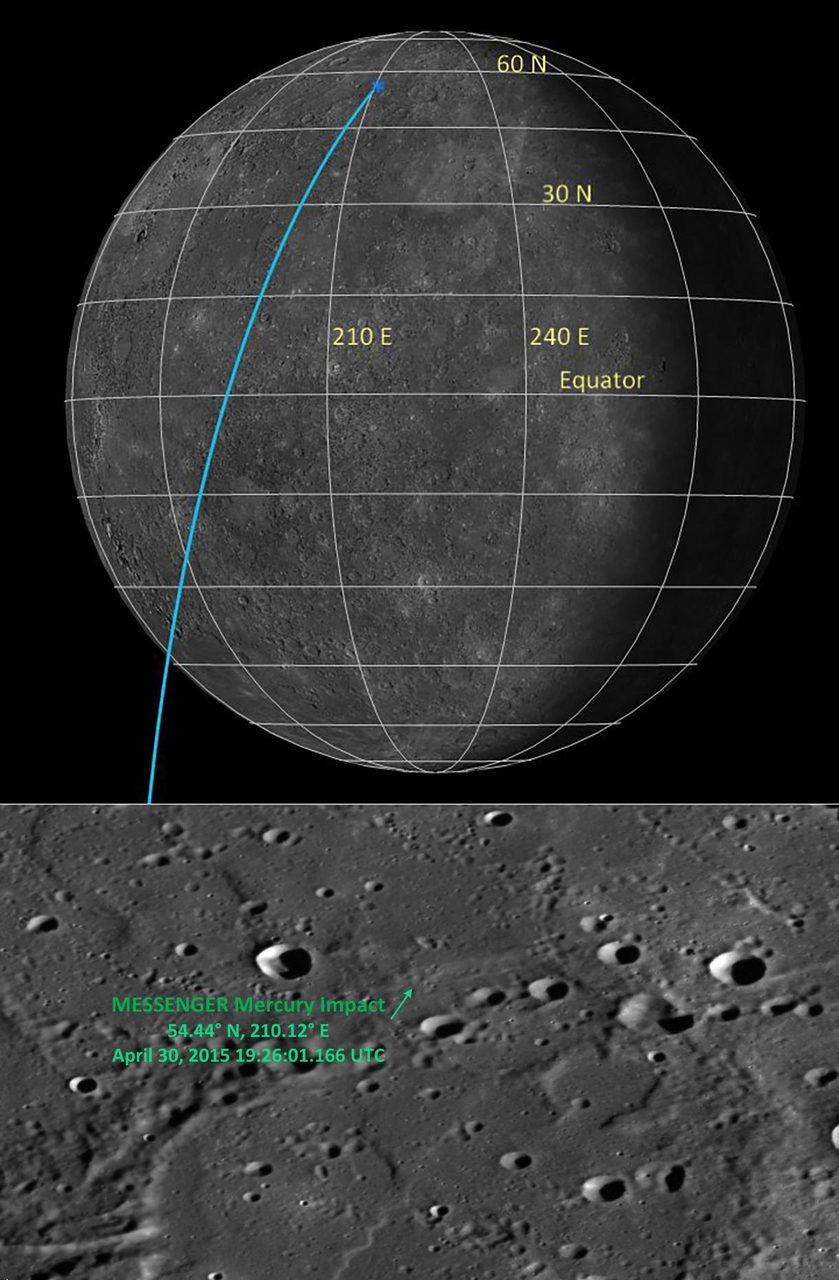
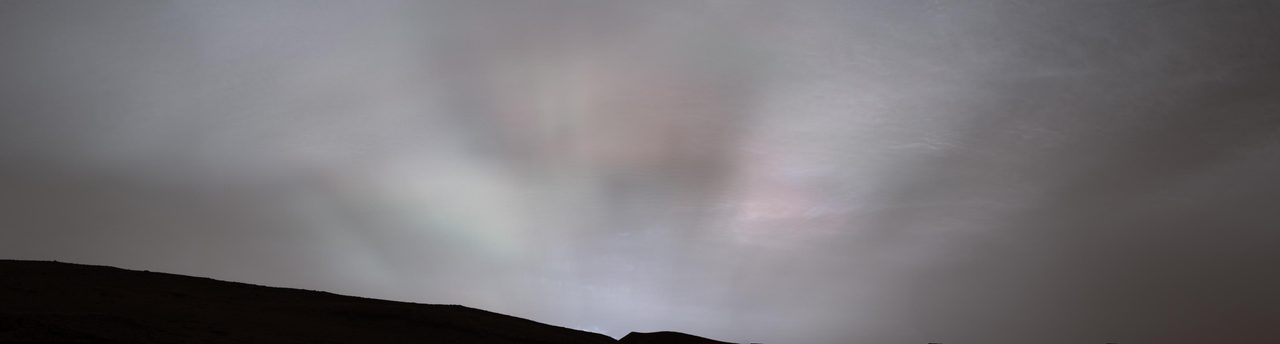
Beyond Earth, reports described the European-Japanese BepiColombo mission arriving at Mercury, while NASA highlighted Curiosity’s drifting twilight clouds and sample collection on Mars. These are different kinds of exploration: Mercury orbiters investigate a planet from above, whereas Curiosity links atmospheric observations with measurements at the surface. Orbital Radar’s Space Agencies directory (/space-agencies) and Mars Rovers pages (/mars-rovers) provide background on the organisations and vehicles involved.
Looking Ahead
Amazon Leo’s LE-04 mission is scheduled no earlier than 23 November 2026, with an Ariane 64 Block 2 launch listed for 11:09 UTC. Its regulatory timetable remains important: Amazon missed the interim milestone of 1,616 working satellites by 30 July 2026, but a conditional waiver keeps its licence in force, with all 3,232 first-generation satellites still due by 30 July 2029.
The following day brings a provisional Progress MS-36 launch at 05:03 UTC and a Falcon 9 USSF-266 mission listed as go for launch at 15:55 UTC. Shenzhou 24 follows on the schedule at 00:18 UTC on 25 November, with Electron’s Night Owls Never Sleep mission listed for 00:05 UTC on 27 November. Timings and readiness can change; Orbital Radar’s Launch Schedule (/launch-schedule) brings the forthcoming missions together.
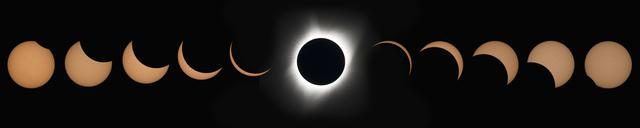
Further ahead, this week’s eclipse coverage turned towards the practicalities of observing the total solar eclipse of 2 August 2027 in Egypt. Choosing a location involves more than reaching the path of totality: weather, transport and safe viewing arrangements all matter. Orbital Radar’s Eclipse Tracker (/eclipses) provides the geographical context for planning.
Cite this article
Pick a style, then copy it or download it for your reference manager.Orbital Radar. (2026, November 24). This Week in Orbit: 22 November 2026. Retrieved November 24, 2026, from https://orbitalradar.com/blog/this-week-in-orbit-2026-11-22
“This Week in Orbit: 22 November 2026.” Orbital Radar, 24 Nov. 2026, orbitalradar.com/blog/this-week-in-orbit-2026-11-22. Accessed 24 Nov. 2026.
Orbital Radar (2026) This Week in Orbit: 22 November 2026. Available at: https://orbitalradar.com/blog/this-week-in-orbit-2026-11-22 (Accessed: 24 November 2026).
Orbital Radar. “This Week in Orbit: 22 November 2026.” Last modified November 24, 2026. https://orbitalradar.com/blog/this-week-in-orbit-2026-11-22.
@misc{orbitalradar_blog_this_week_in_orbit_2026_11_22,
  author       = {{Orbital Radar}},
  title        = {This Week in Orbit: 22 November 2026},
  year         = {2026},
  month        = nov,
  howpublished = {\url{https://orbitalradar.com/blog/this-week-in-orbit-2026-11-22}},
  url          = {https://orbitalradar.com/blog/this-week-in-orbit-2026-11-22},
  urldate      = {2026-11-24},
  note         = {Accessed 2026-11-24}
}
TY - ELEC AU - Orbital Radar, TI - This Week in Orbit: 22 November 2026 PY - 2026 DA - 2026/11/24 PB - Orbital Radar UR - https://orbitalradar.com/blog/this-week-in-orbit-2026-11-22 Y2 - 2026/11/24 LA - en ER -
Live figures change, so keep the date you accessed the page. How to cite Orbital Radar