Space News Mission Log — Satellite Launches, Orbital Events & Analysis
Daily space news, satellite launch reports, orbital debris analysis and weekly roundups — grounded in live tracking data from our network monitoring 69 published reports.
Collision Avoidance Manoeuvres: Essential Guide for Space Safety
Collision avoidance involves manoeuvres to prevent satellites from colliding with space debris or other objects.
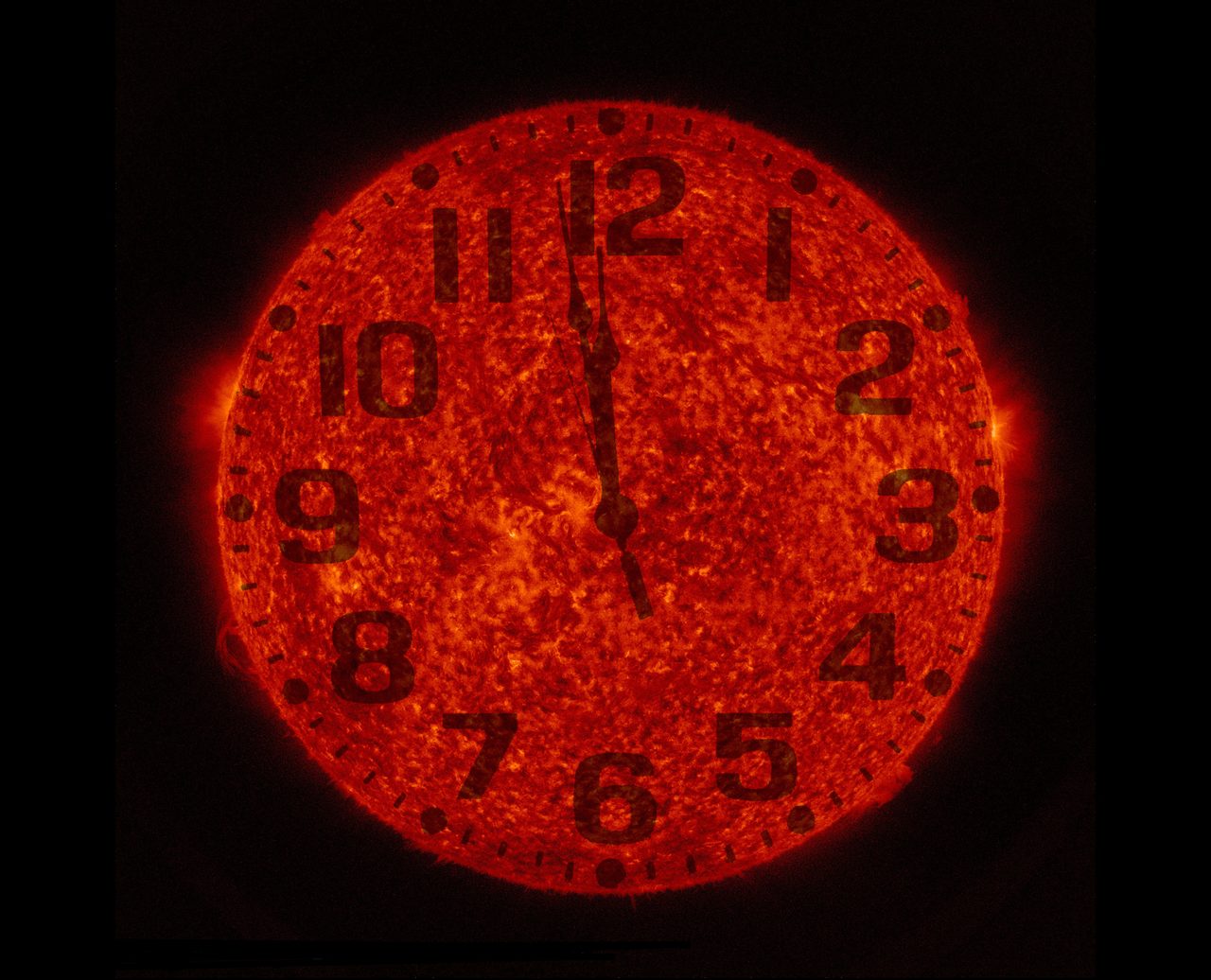
Understanding Satellite Collision Avoidance and Conjunction Assessment
Satellite collision avoidance involves predicting and preventing potential collisions between orbiting objects using conjunction assessments.
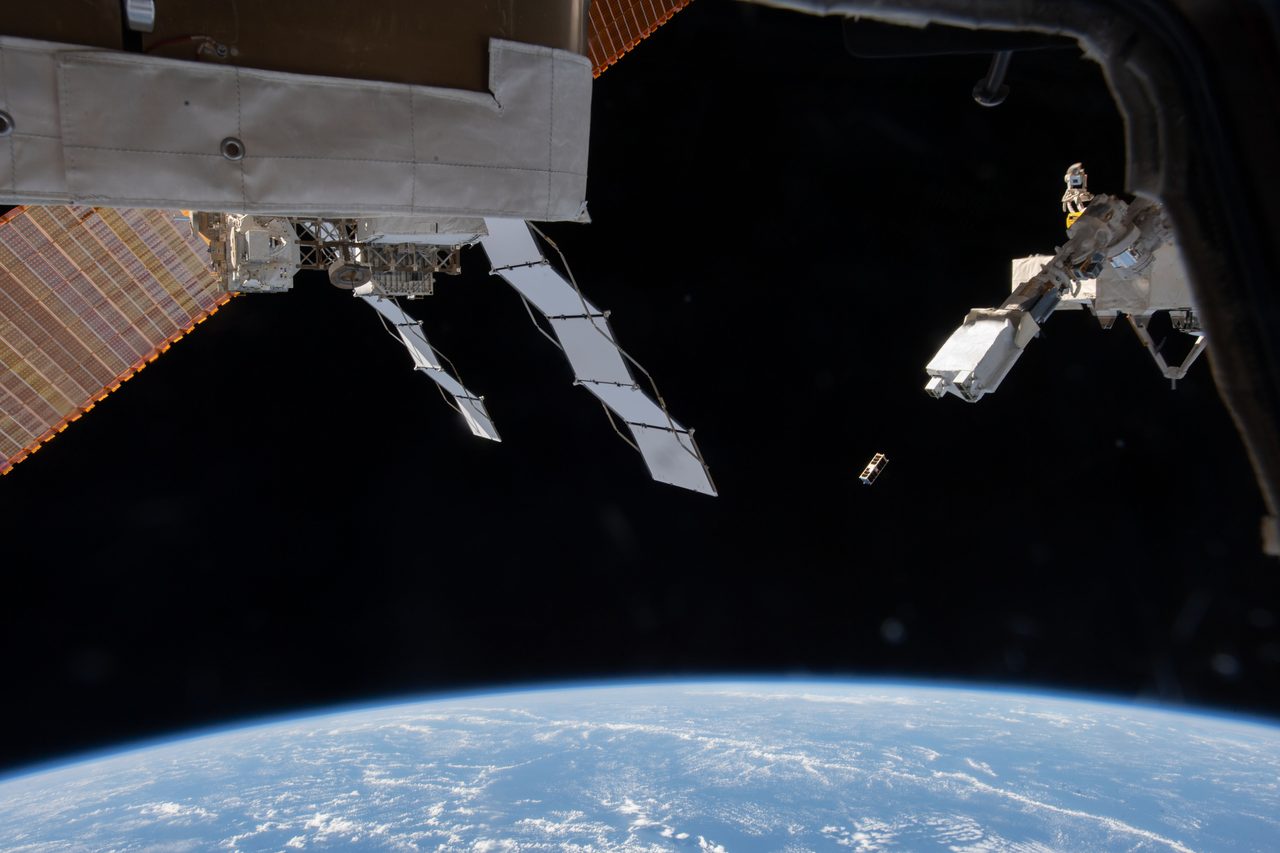
How Often Do Satellites Maneuver? What Our Detector Sees
Orbital Radar logged 45,196 orbit-change events over the past month. Explore what those detections reveal about satellite activity—and why they are not a count of thruster firings.
How Often Do Satellites Almost Collide? Near Misses in Orbit
Orbital Radar recorded 536 approaches within 1 km in the latest 30 days. Its conjunction history reveals a longer-term rise, but proximity alone does not establish collision risk.
Understanding Satellite Constellation Phasing: A Complete Guide
Constellation phasing is the process of arranging satellites in a constellation to ensure optimal coverage and functionality. Learn how it affects global satellite networks.
Envisat: ESA’s 8-tonne satellite and its collision risk
ESA lost contact with Envisat in April 2012. The large Earth-observation satellite remains in orbit, unable to avoid collisions, making it a significant long-term concern for space debris monitoring.
Space Debris: Understanding the Growing Threat in Orbit
Space debris refers to defunct human-made objects in orbit, posing risks to satellites and space missions.
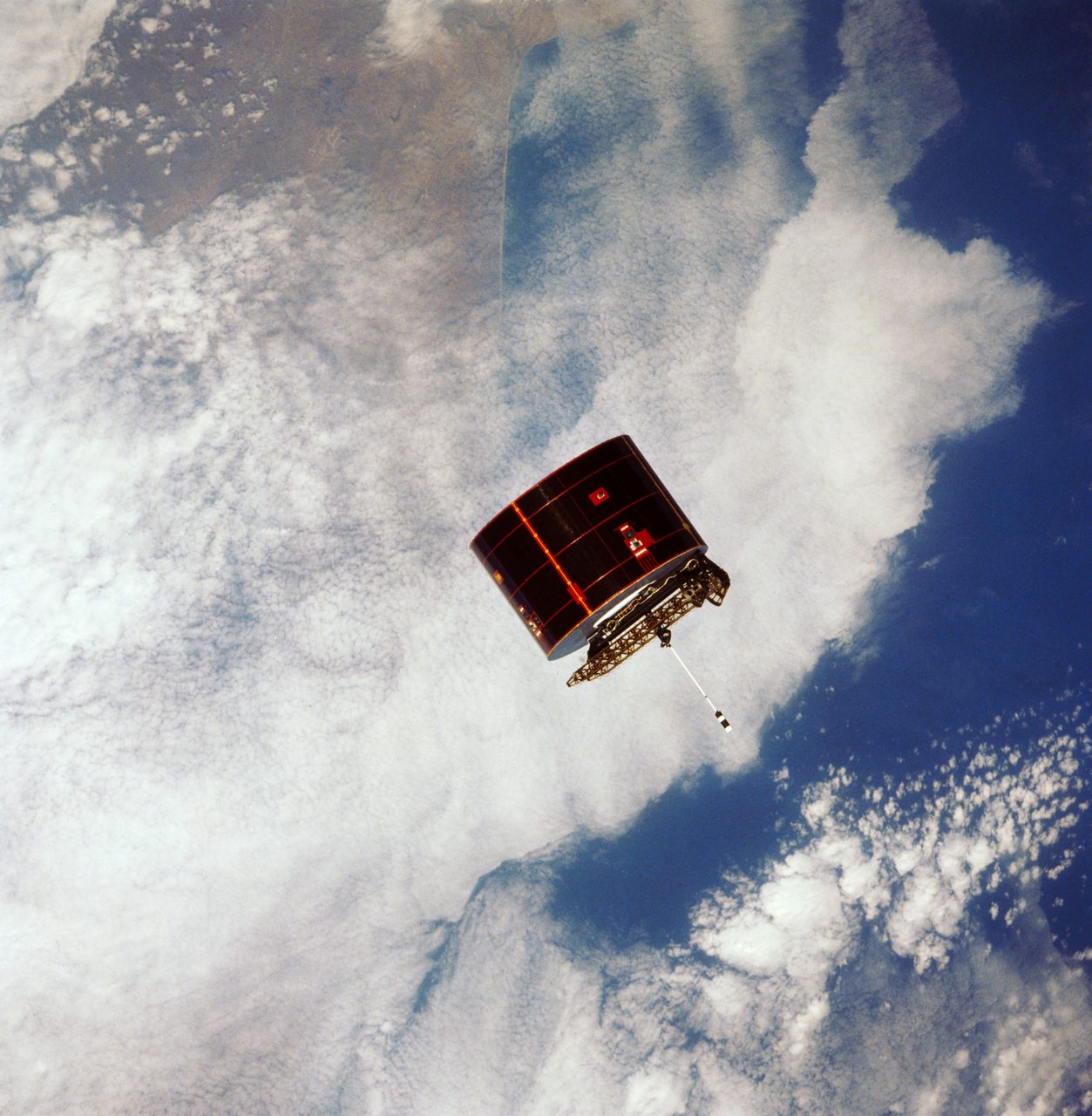
Satellite Manoeuvre Detection: An Authoritative Guide
Satellite manoeuvre detection involves tracking changes in a satellite's orbit to ensure space safety and efficiency.
Understanding Mean Motion in Satellite Orbits
Mean motion describes the average angular speed of a satellite in its orbit, crucial for predicting satellite positions.
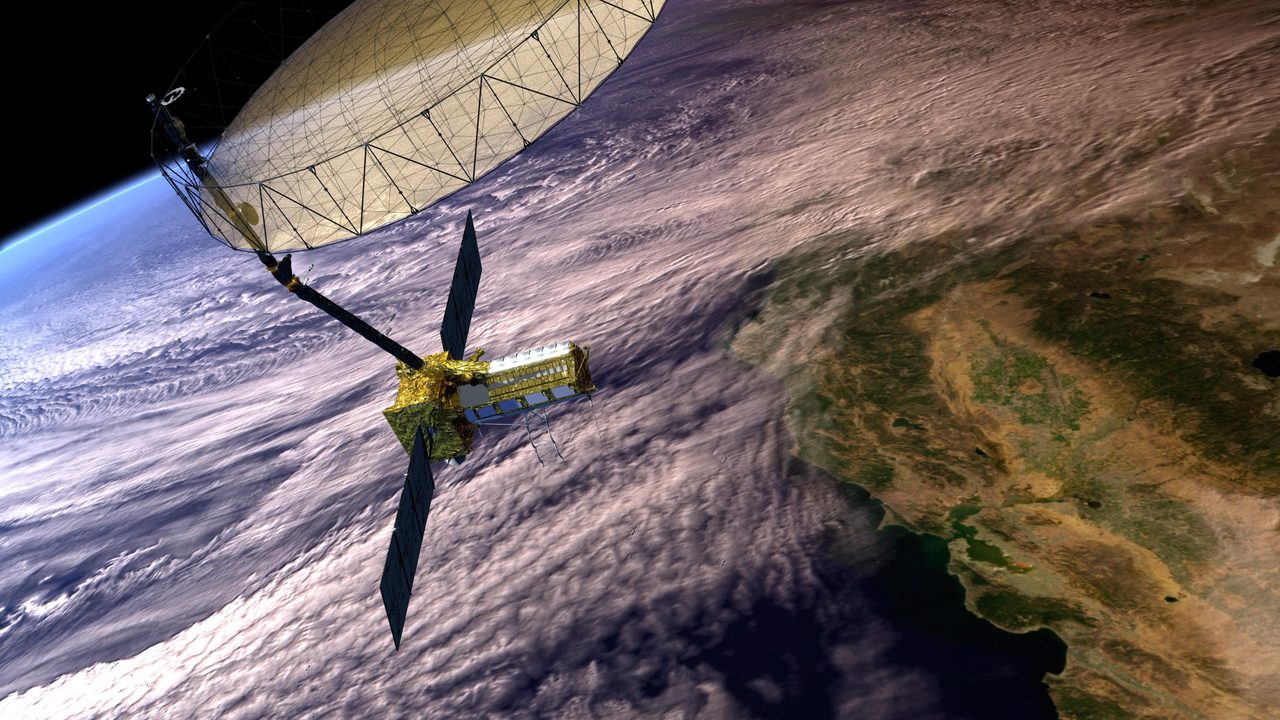
How Satellites Are Tracked: A Comprehensive Guide
Satellites are tracked using radar, optical telescopes, and radio signals, ensuring precise orbital data for over 28,000 objects.
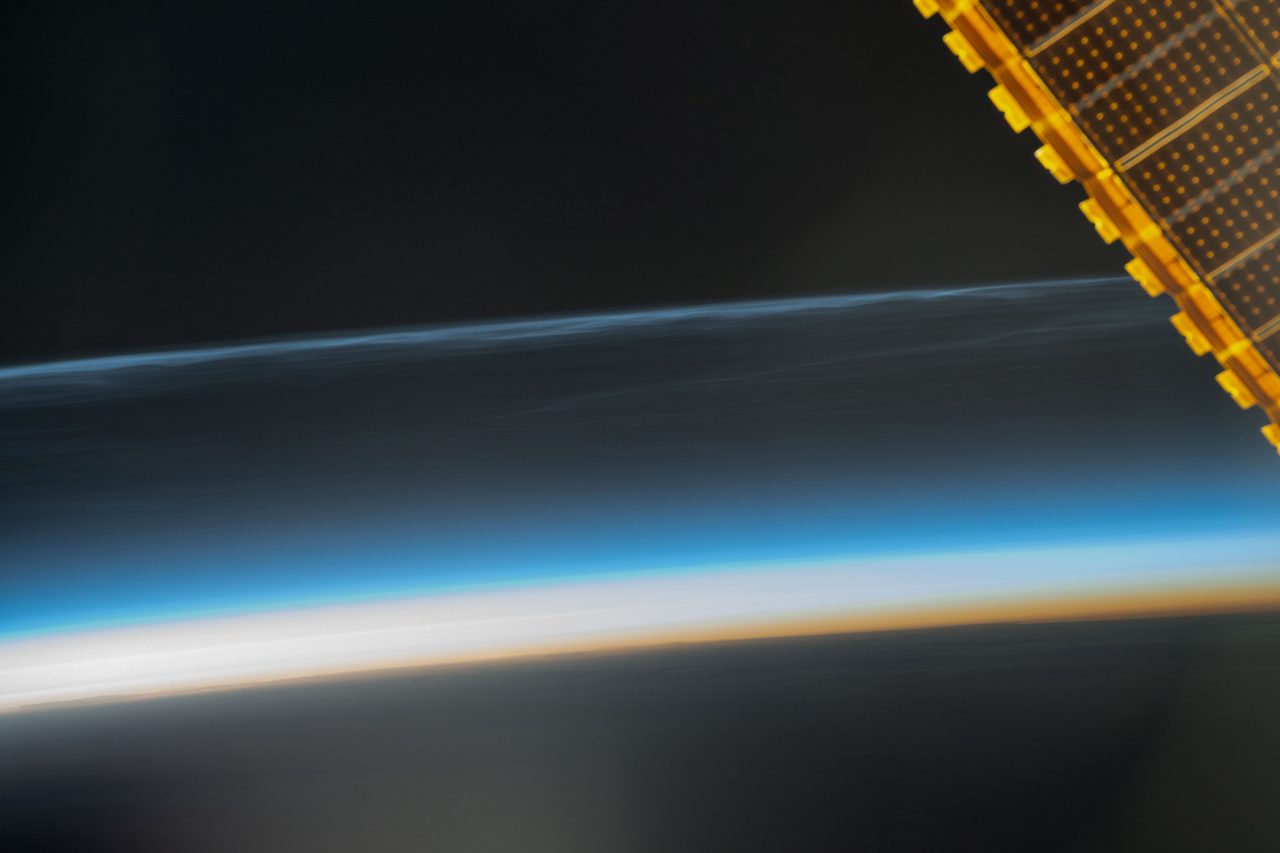
Low Earth Orbit: Why Space Is Busiest Below 2,000 km
Low Earth orbit hosts space stations, broadband constellations and Earth-observation missions. Explore how it works, why it is crowded and what keeps satellites flying safely.
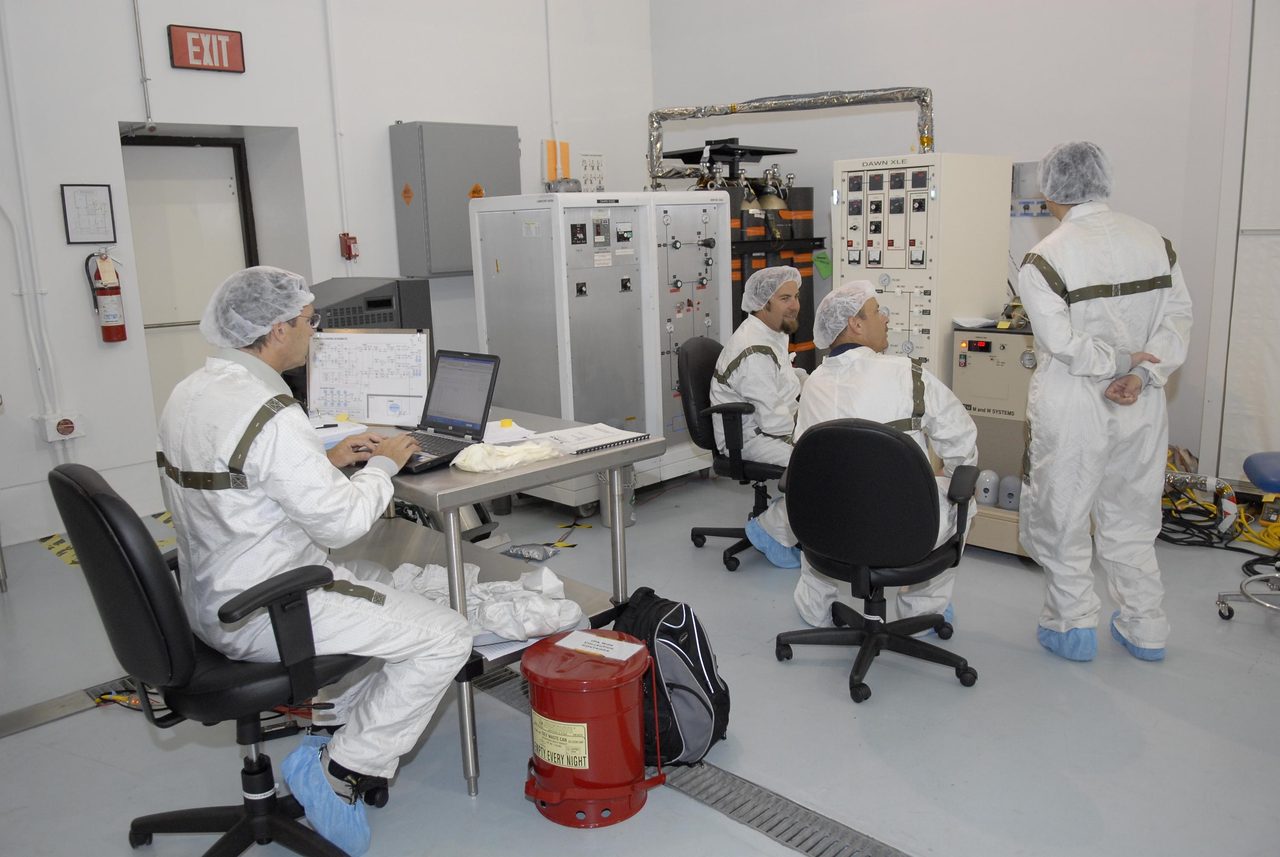
Delta-V Explained: The Currency of Spaceflight
Delta-v is the change in velocity needed for space manoeuvres, crucial in mission planning and satellite operations.