Space News Mission Log — Satellite Launches, Orbital Events & Analysis
Daily space news, satellite launch reports, orbital debris analysis and weekly roundups — grounded in live tracking data from our network monitoring 384 published reports.
Medium Earth Orbit: Understanding Its Role in Satellite Operations
Medium Earth Orbit (MEO) is a region of space where satellites orbit at altitudes between 2,000 and 35,786 km, crucial for navigation and communications.
Understanding the Space Fence: Tracking Earth's Orbital Objects
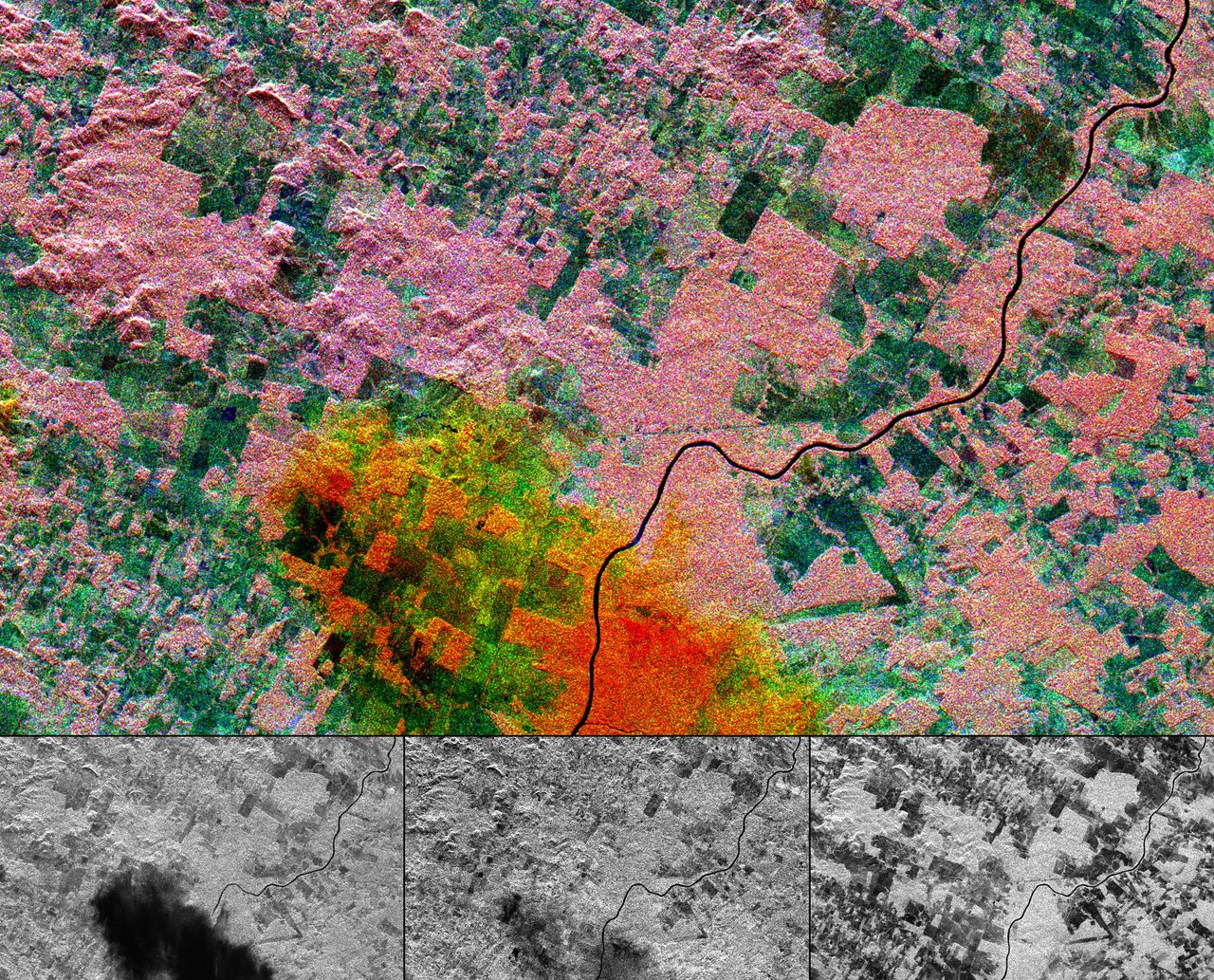
The Space Fence radar system tracks over 28,000 objects in Earth's orbit, from satellites to debris, ensuring space safety.

Understanding Satellite Orbits: LEO, MEO, GEO and Beyond
Satellite orbits, including LEO, MEO, and GEO, define how satellites move and function in space. Each orbit serves unique purposes.
Understanding Orbital Decay: Why Satellites Fall to Earth
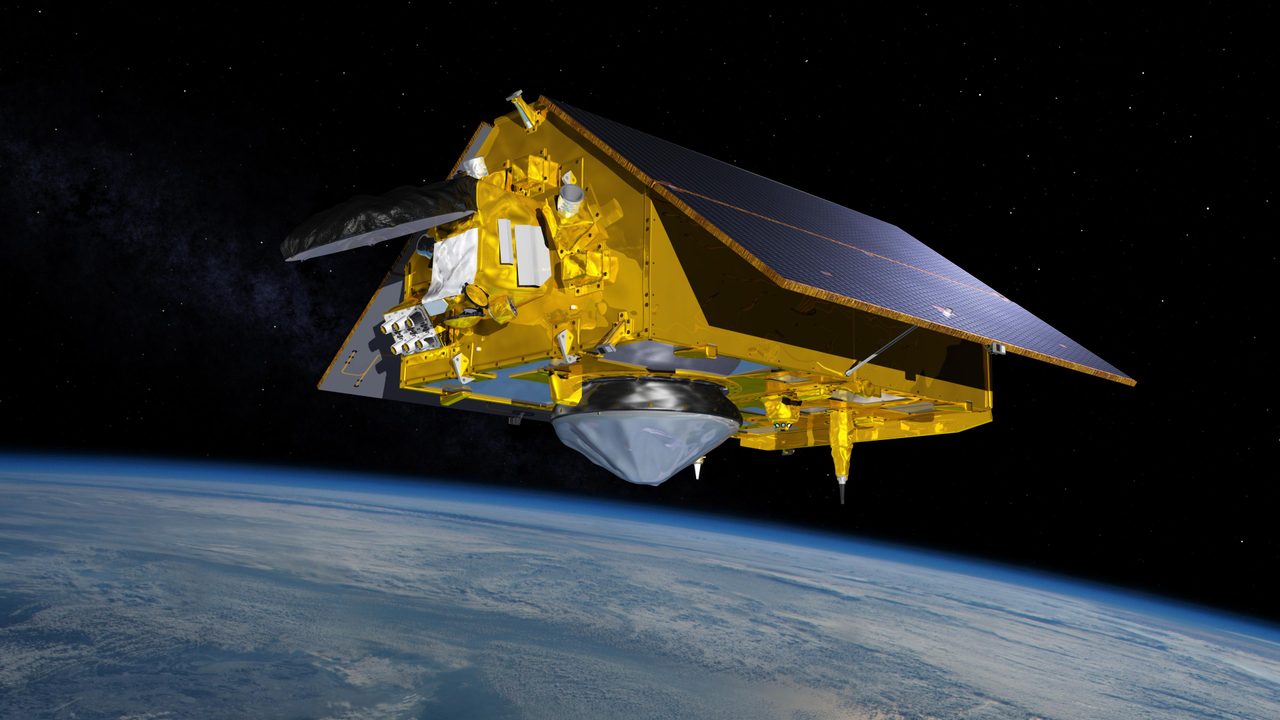
Orbital decay occurs when a satellite's orbit decreases over time due to atmospheric drag and gravitational forces, eventually leading to re-entry.
Aqua: Tracking Earth's Water Cycle from Orbit
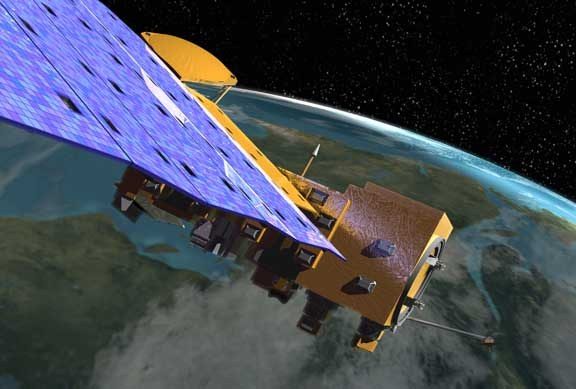
Launched on 4 May 2002, Aqua is a NASA Earth Science satellite dedicated to the study of Earth's water cycle. It forms part of the Earth Observing System (EOS) and is specifically designed to collect information about precipitation, evaporation, and the cycling of water.
Aqua: Tracking Earth's Water Cycle from Orbit
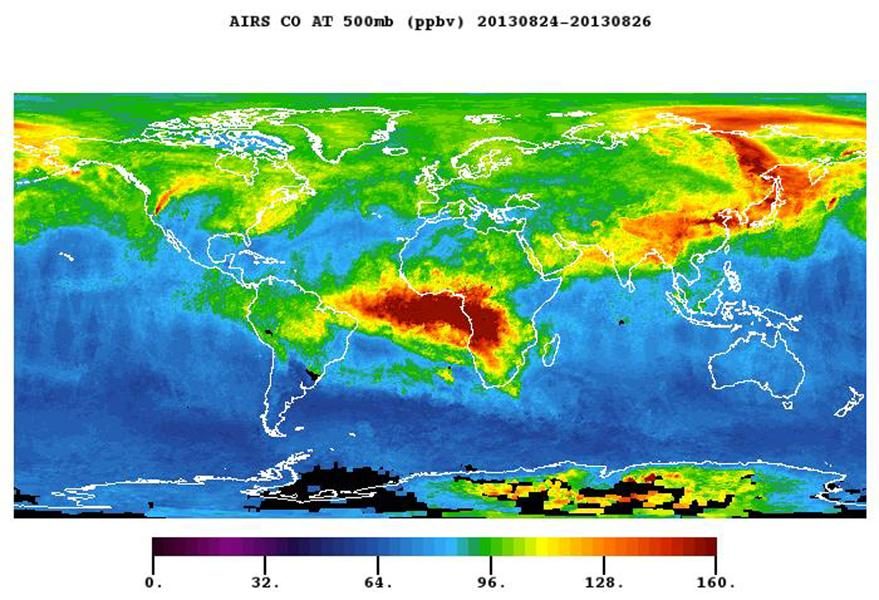
Launched on 4 May 2002, Aqua is a NASA Earth Science satellite designed to observe the Earth's water cycle. Part of the Earth Observing System (EOS), Aqua's primary mission is to collect data on precipitation, evaporation, and the cycling of water.
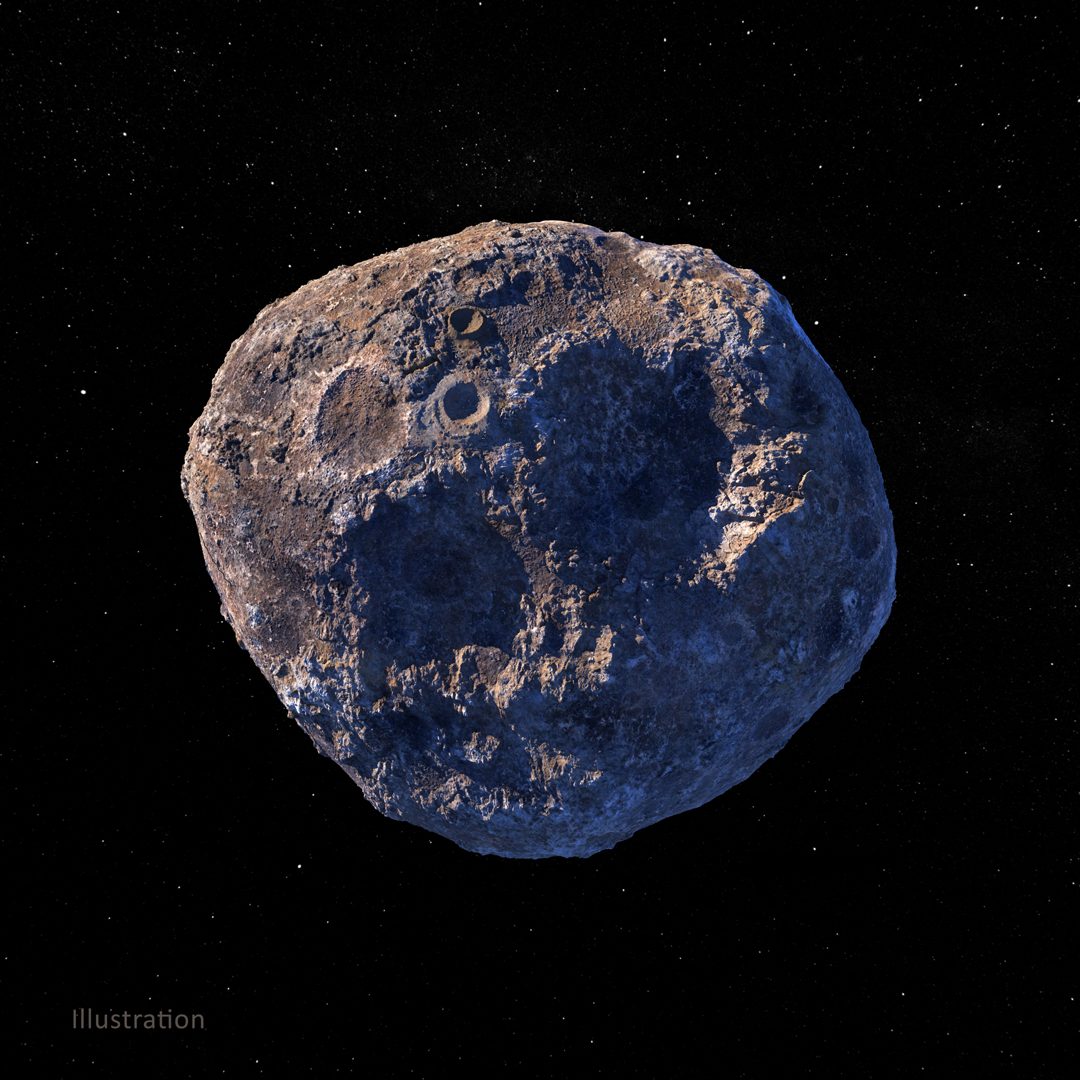
Tracking Near-Earth Asteroids: Your Guide to Real-Time Orbits and Risks
Discover how to track near-earth asteroids in real-time, assess their orbits, and understand potential impact risks with our detailed guide.

Geostationary Orbit: How Satellites Hover Over One Spot
Geostationary orbit allows satellites to remain fixed over a single Earth location, crucial for communications and weather monitoring.

Sputnik 1: The Satellite That Started the Space Age
Sputnik 1 was the first artificial satellite to orbit the Earth, marking the beginning of the Space Age. Launched by the Soviet Union on 4 October 1957, it was a 58 cm diameter polished metal sphere with four external radio antennas to broadcast radio pulses.
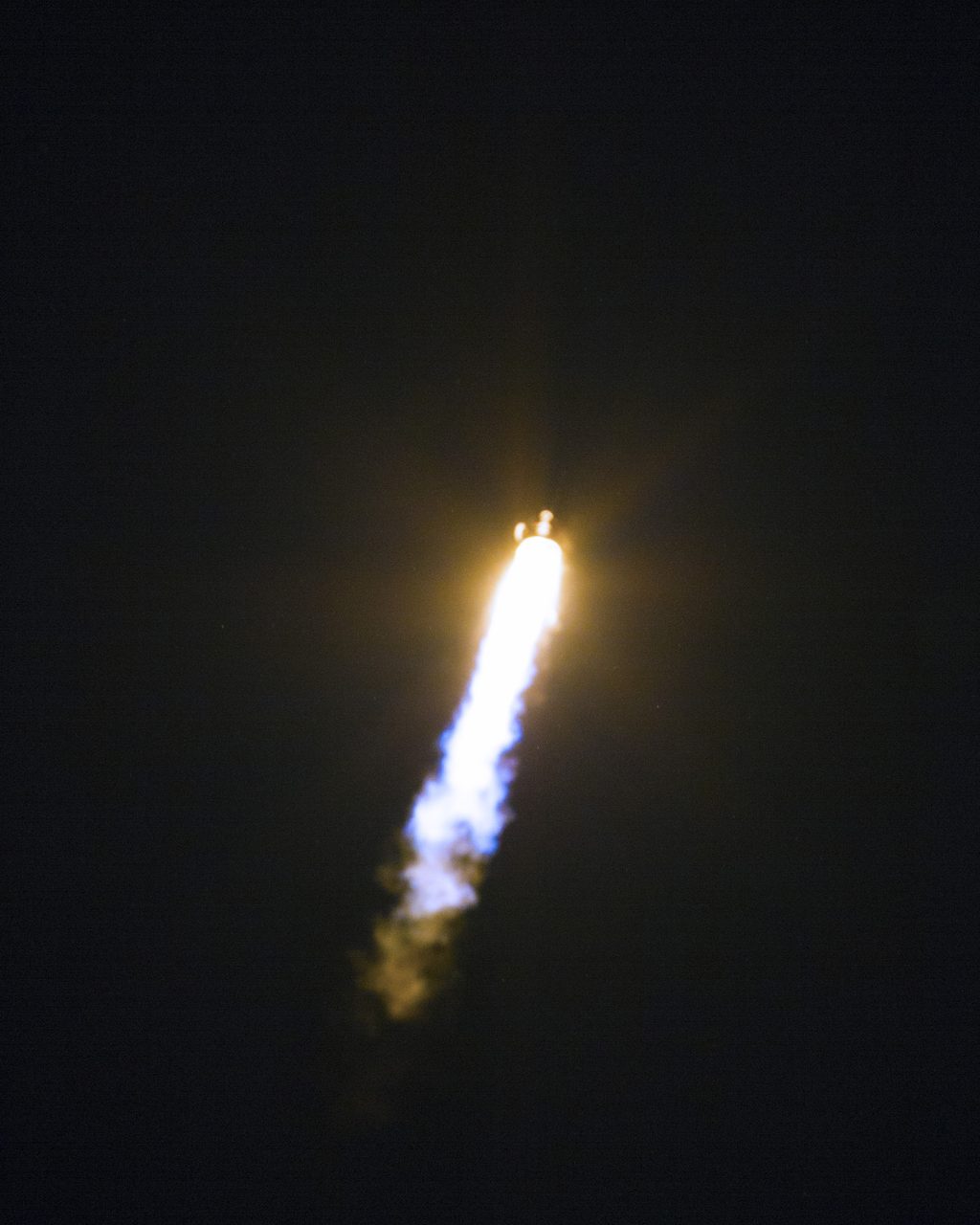
What Is That Moving Light in the Night Sky? Explained
Moving lights in the night sky are often satellites or space debris. Learn how to identify them and understand their movement.
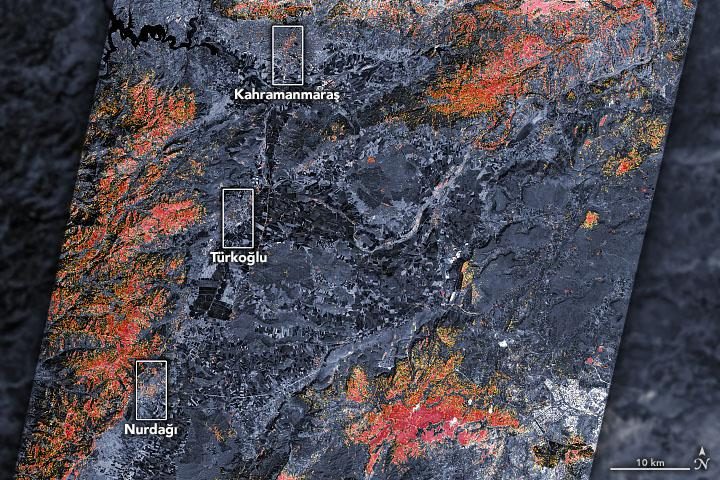
What Satellite Is Above Me Right Now? A Comprehensive Guide
Find out which satellite is currently above you by using real-time tracking tools. Understand satellite types, orbits, and how to observe them.
Orbital Mechanics Explained: How Satellites Stay in Orbit
Orbital mechanics govern how satellites remain in orbit, balancing gravitational forces and velocity to maintain stable paths.