Space News Mission Log — Satellite Launches, Orbital Events & Analysis
Daily space news, satellite launch reports, orbital debris analysis and weekly roundups — grounded in live tracking data from our network monitoring 133 published reports.
Types of Satellite Orbits: LEO, MEO, GEO and Beyond
Altitude is only part of an orbit’s story. Explore how height, tilt and shape determine what satellites can see, how they communicate and how long they remain in space.
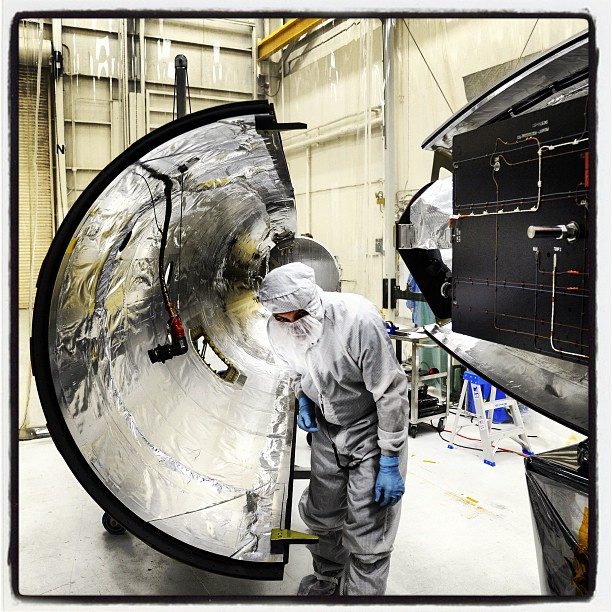
Amazon Kuiper: Comprehensive Guide to Amazon's Satellite Internet
Amazon Kuiper is a satellite internet constellation designed to provide global broadband coverage. Discover its mission, technology, and potential impact.

23 November: Amazon Leo targets return to orbit on Ariane
Amazon Leo targets a return to satellite deployment aboard Ariane 64, with a conditional licence waiver shaping its rollout. Progress and Shenzhou launches follow this week.
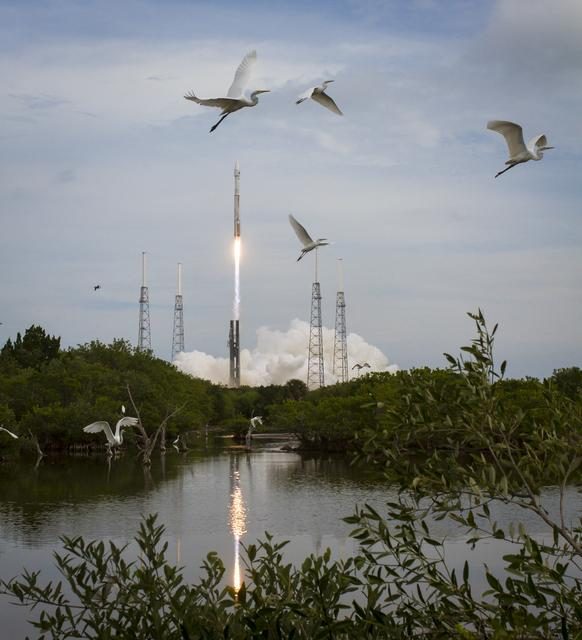
Final Atlas V Launch Supports Amazon's Broadband Constellation
ULA launches final Atlas V for Amazon Leo, Starlink satellites adjust orbits, new Moon lander contracts announced.
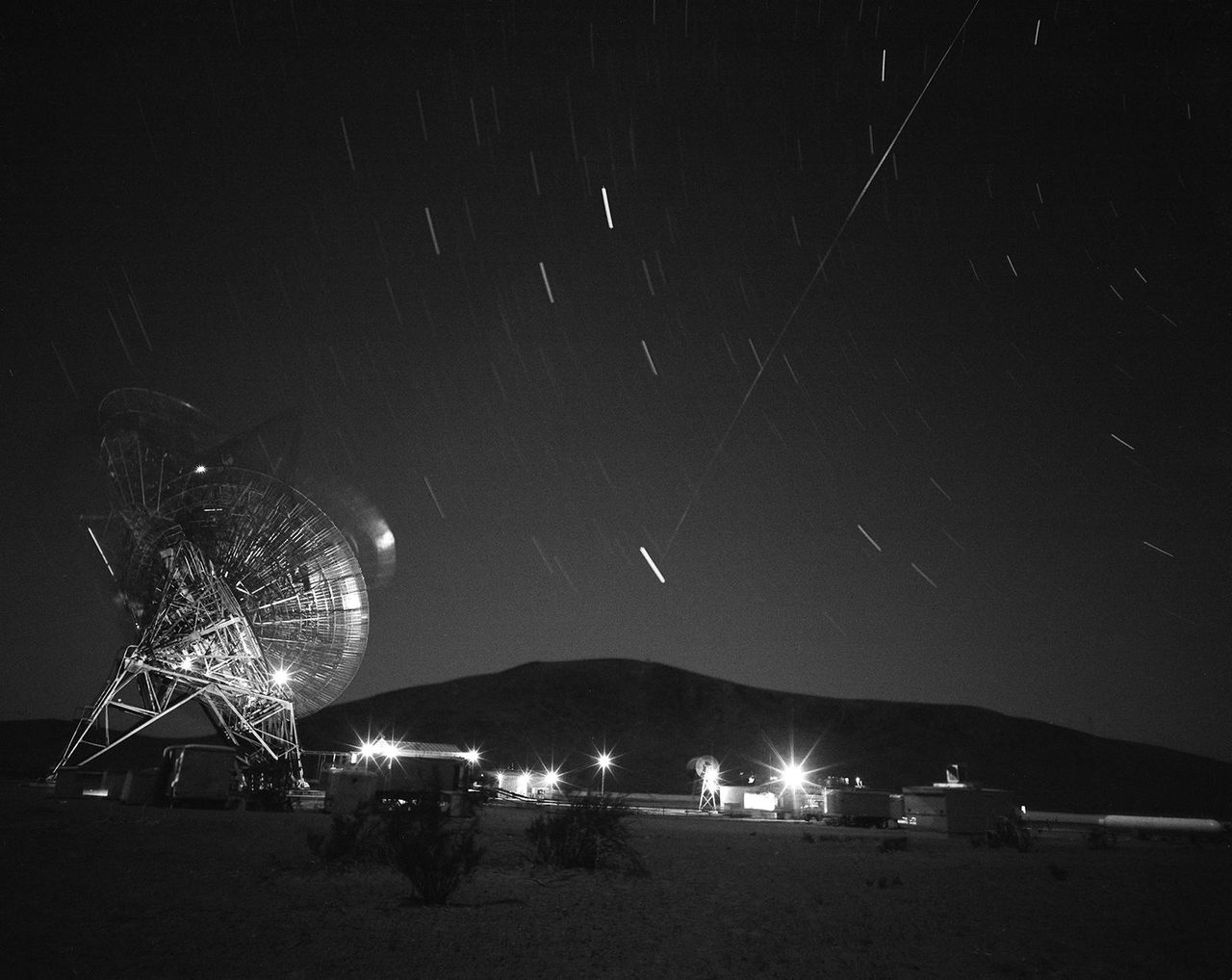
Mega-Constellation: What It Is and How It Works
Mega-constellations coordinate hundreds or thousands of satellites. Explore how they deliver internet access, why orbital design matters, and the risks of operating at scale.
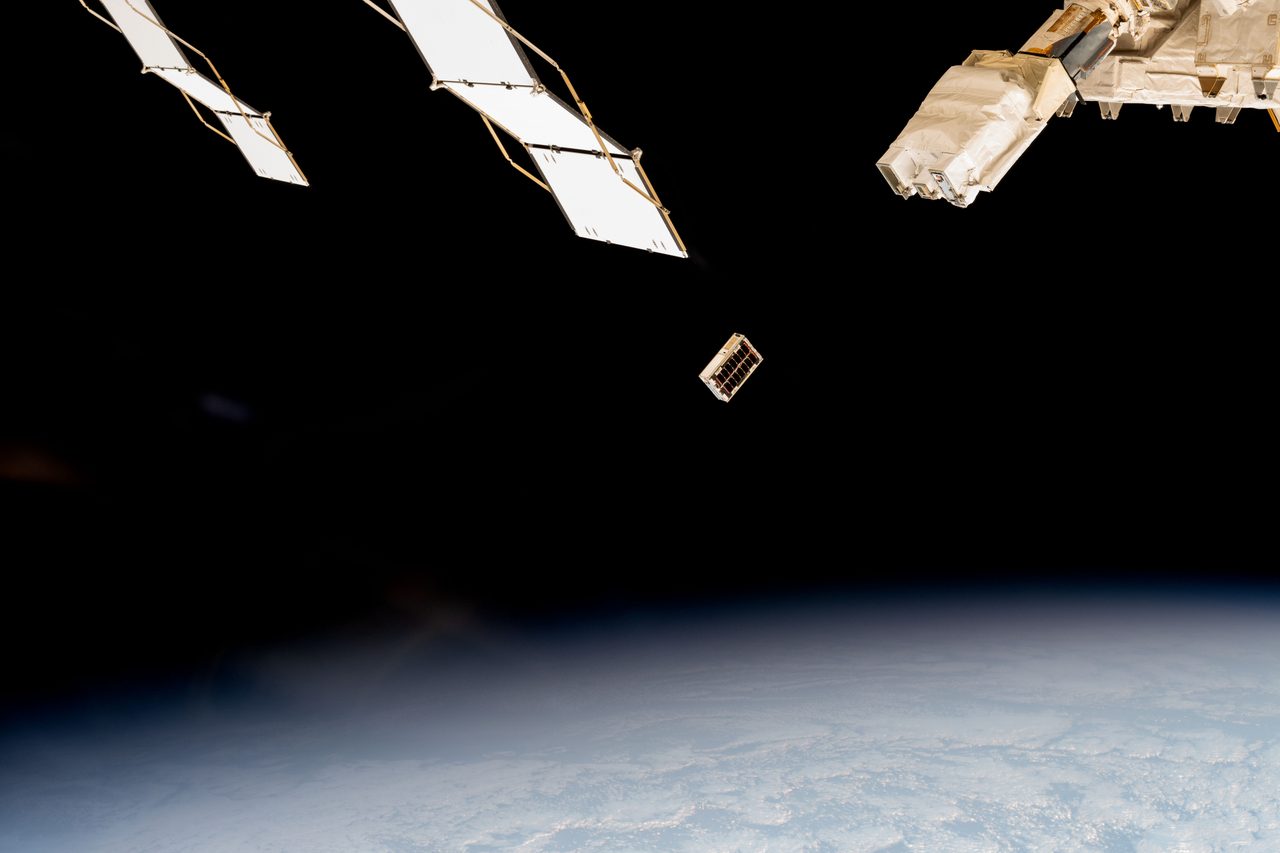
Understanding Orbital Decay: Why Satellites Fall to Earth
Orbital decay is the gradual reduction of a satellite's orbit due to atmospheric drag and gravitational forces, leading to eventual reentry.
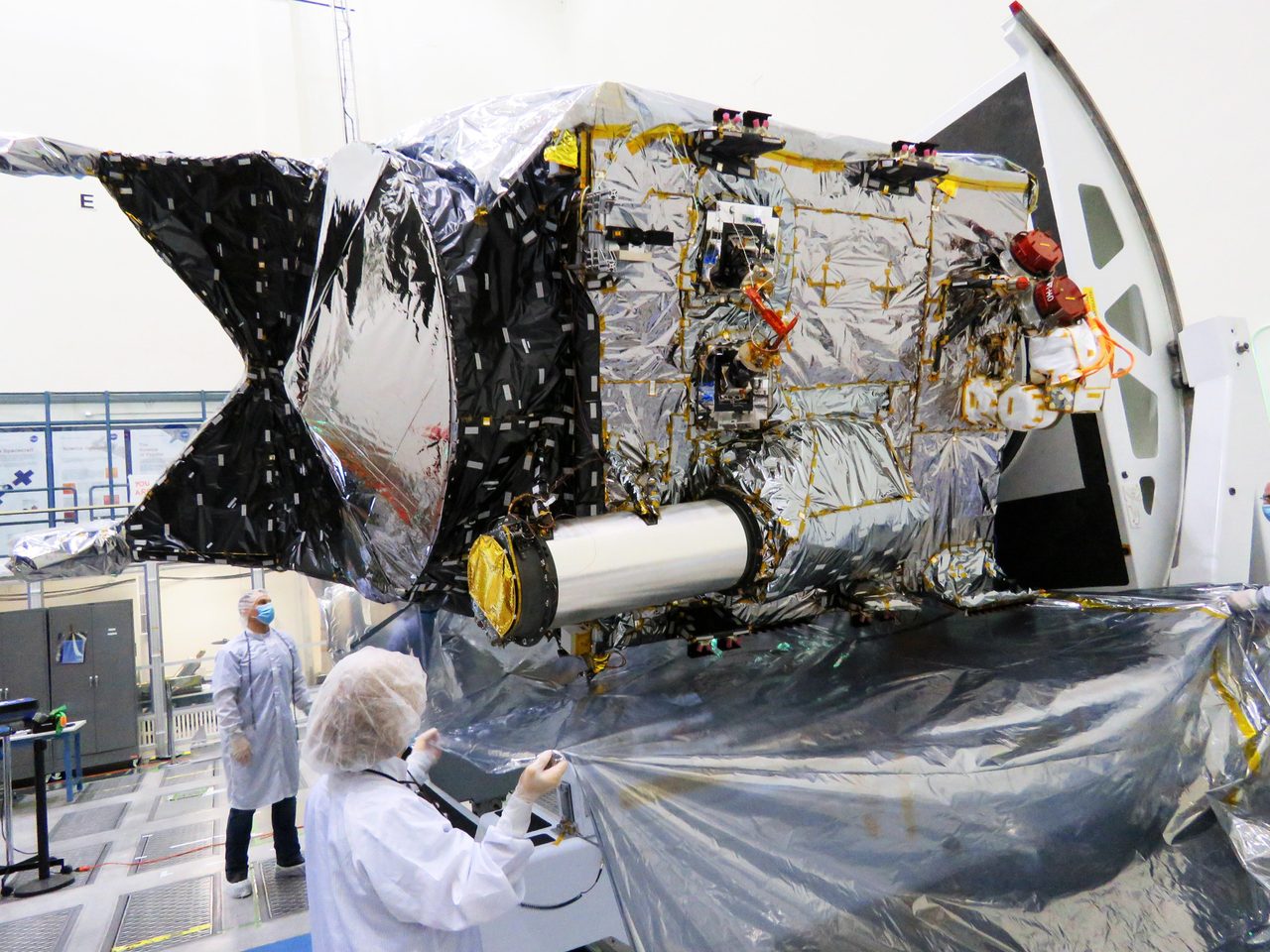
Laser Links Between Satellites: Speed, Pointing and Latency
Laser links let satellites relay data without sending every hop through a ground station. Their value depends on precise pointing, network routing and the distance traffic must travel.
Understanding Satellite Look Angles: Azimuth and Elevation Explained
Satellite look angles, including azimuth and elevation, are crucial for tracking and communication. Learn how these angles are measured and their significance.

Orbital Mechanics Explained: How Satellites Stay in Orbit
Orbital mechanics govern how satellites remain in orbit, balancing gravitational forces and velocity to maintain stable paths.

Vulcan failure hits Amazon Leo: 16 November briefing
Vulcan's failed return to flight has cost Amazon Leo 40 satellites, adding pressure to its deployment schedule. Elsewhere, orbital monitoring continues under quiet space weather.
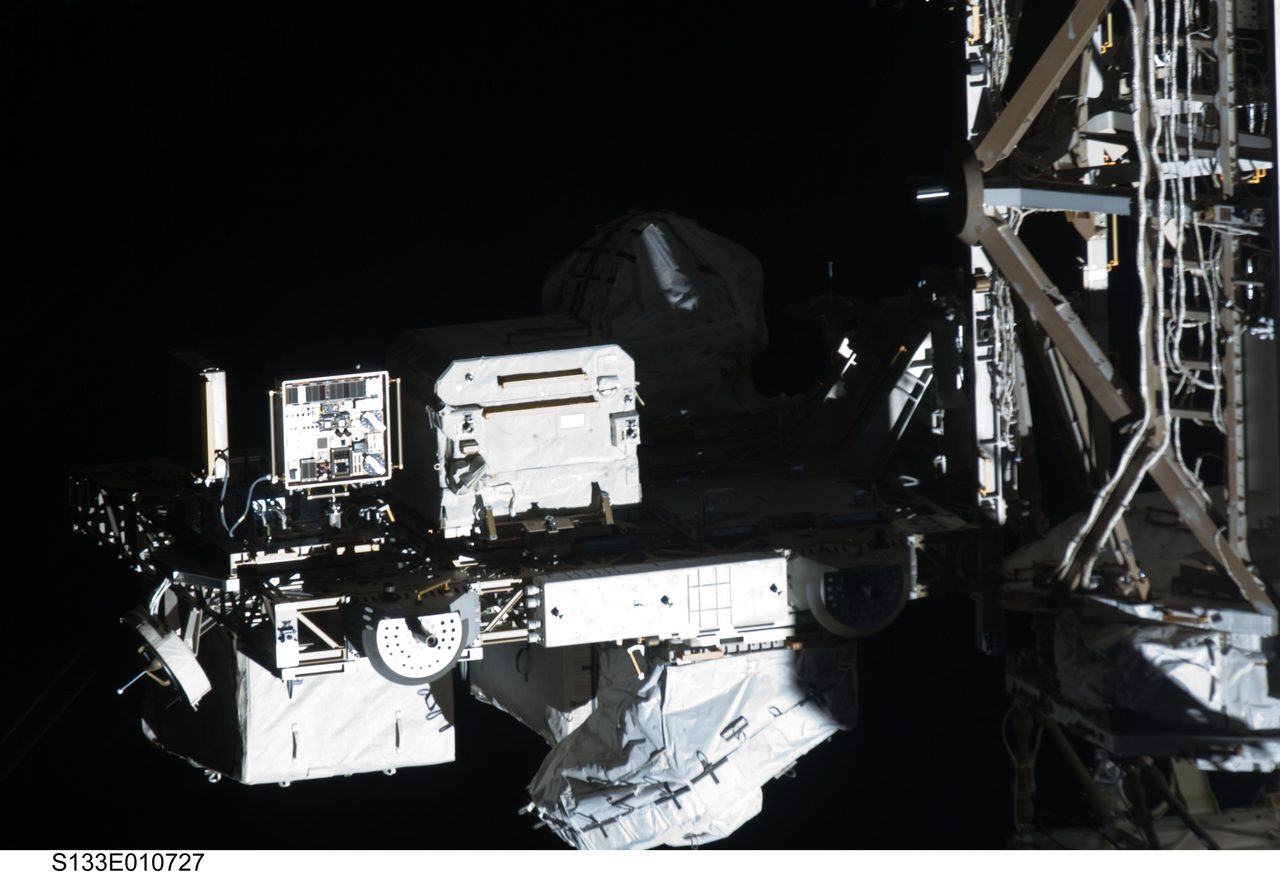
Moving Light in the Sky: How to Identify What You See
A steady moving light could be a satellite, but motion alone cannot identify it. Use its path, flashing, duration and a predicted pass to narrow down what you saw.
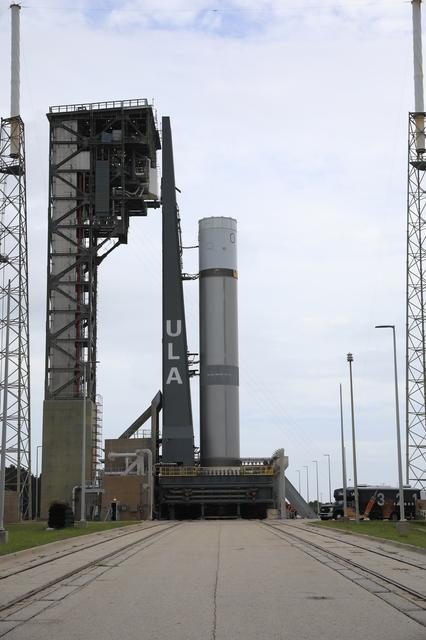
Amazon Leo targets Vulcan launch: 14 November 2026 briefing
Amazon Leo's next broadband satellite mission is scheduled aboard Vulcan today. Starship Flight 15 has reached orbit, while geomagnetic conditions remain quiet.