Vulcan failure hits Amazon Leo: 16 November briefing

Vulcan's failed return to flight has cost Amazon Leo 40 satellites, adding pressure to its deployment schedule. Elsewhere, orbital monitoring continues under quiet space weather.
| Active satellites | 16,697 |
| Starlink active | 9,814 |
| Catalogued objects | 32,122 |
| Active close approaches | 17 |
| People in space | 10 |
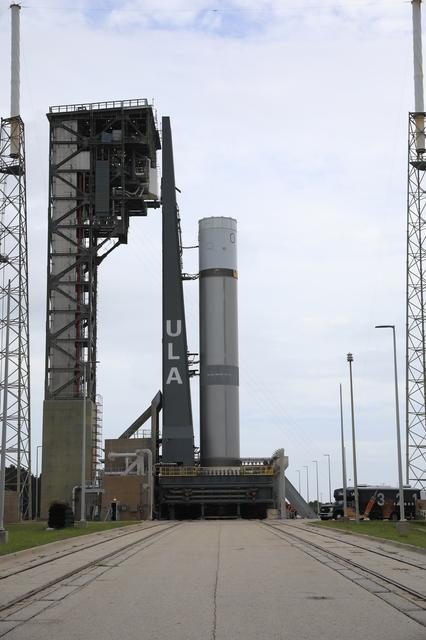
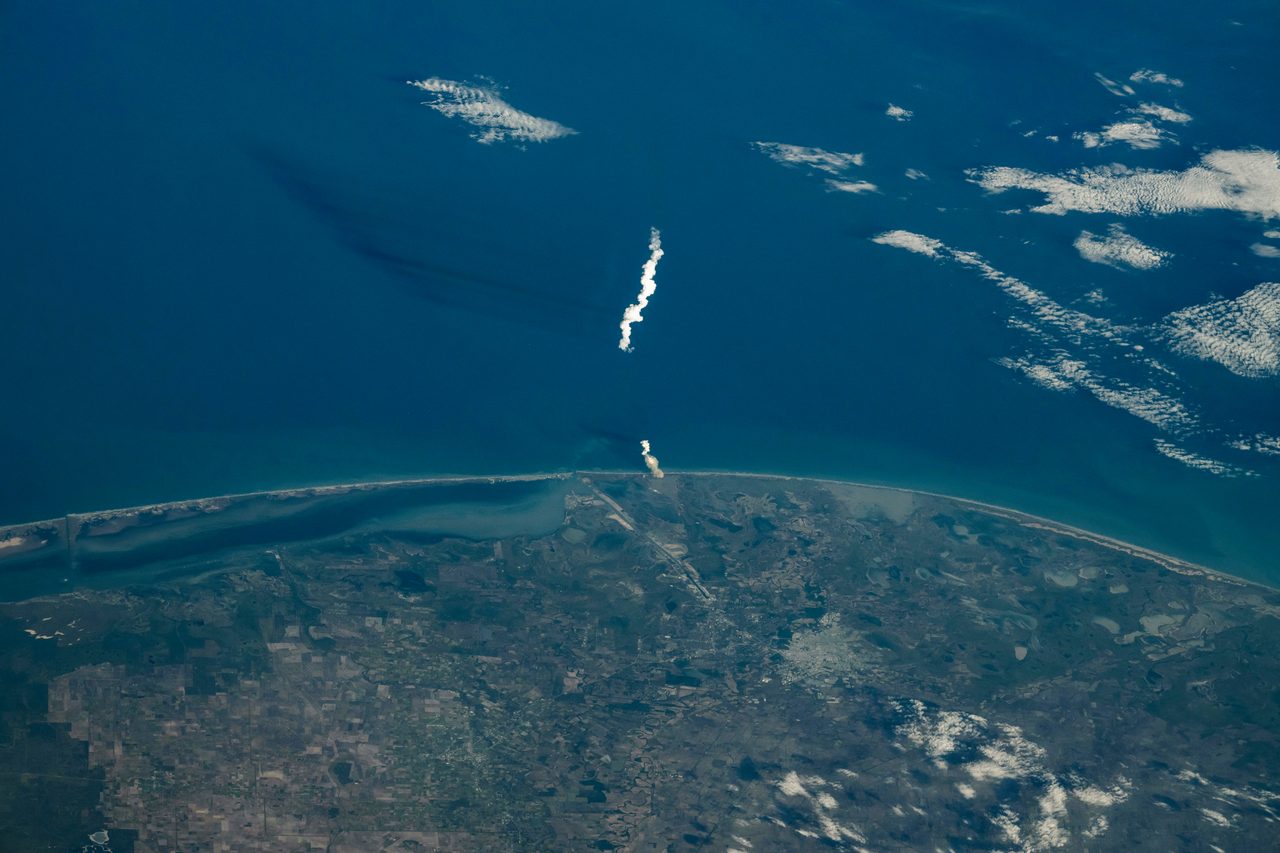
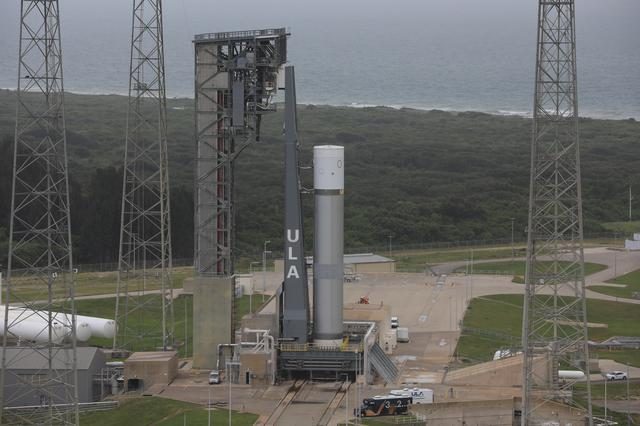
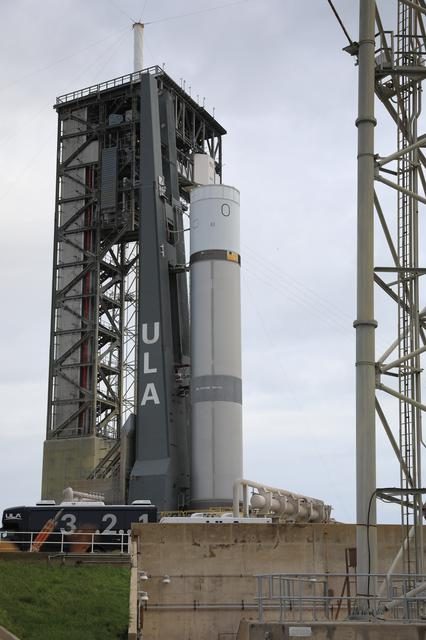
United Launch Alliance's Vulcan rocket failed during its return-to-flight mission on Sunday, losing 40 Amazon Leo broadband satellites. The loss interrupts Amazon's constellation deployment and puts renewed scrutiny on a launcher intended to provide an alternative to SpaceX.
Vulcan VC6L's Amazon Leo LV-01 mission launched at 17:40 UTC on 15 November 2026 and was recorded as a failure in Orbital Radar tracking data. The cause remains uncertain; the immediate questions concern the failure investigation and the implications for subsequent Vulcan missions.
Amazon Leo faces deployment pressure
Amazon Leo, known as Project Kuiper before November 2025, has yet to open consumer service. Amazon says initial service will begin before the end of 2026 in the US, UK, France, Germany and Canada, following an enterprise preview that began in November 2025.
The company missed its Federal Communications Commission interim milestone of 1,616 working satellites by 30 July 2026. A conditional waiver keeps its licence in force, but satellites launched after that deadline have lower spectrum priority until Amazon meets specified conditions; all 3,232 first-generation satellites remain due by 30 July 2029.
The failed Vulcan mission therefore matters beyond its lost hardware: Amazon must build coverage while managing regulatory deadlines and access to launch vehicles. Its next scheduled mission is LE-04 on Ariane 64, no earlier than 23 November 2026, although the launch date remains unsettled.
Close approaches need context
Orbital Radar tracking data lists 17 active close approaches on 16 November 2026. Among the encounters being monitored are OBJECT B and OBJECT C, with a minimum separation of approximately 1.17 km, and CITY LABS BOHR and LEMUR-2-SOPHILUNA-X1 at approximately 1.61 km.
A close approach is not itself a collision warning: risk depends on timing, orbital uncertainty and the objects' trajectories, not distance alone. Orbital Radar's space situational awareness toolkit provides context for monitoring objects and their orbital environment.
Orbital Radar's live catalogue lists 9,814 operational Starlink satellites on 16 November 2026. The scale of such constellations makes reliable tracking and coordination increasingly important, even when individual encounters do not require a manoeuvre.
What to Watch
A Long March 2D carrying an unidentified payload is scheduled for 18 November at 22:50 UTC. Falcon 9's USSF-317 mission follows on 19 November at 03:00 UTC, while a Long March 8A mission provisionally associated with SatNet is listed for 20 November at 11:00 UTC, subject to confirmation.
Falcon 9's NROL-136 mission is scheduled for 21 November at 12:30 UTC. Timing and status changes can be followed through Orbital Radar's Launch Schedule, particularly as attention turns to Amazon Leo's next Ariane flight.
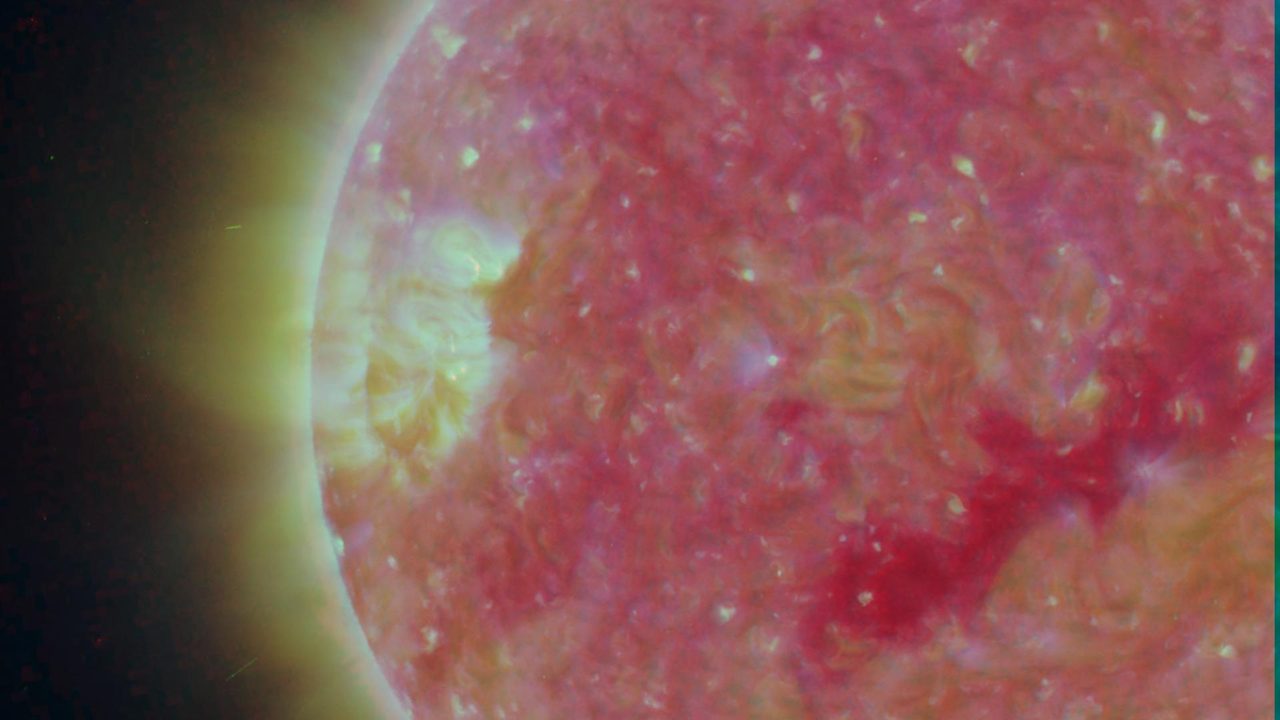
Space weather is currently quiet: the Kp index, a measure of global geomagnetic disturbance, is 0, with solar-wind speed at 315 kilometres per second. Current risk indicators are green for low Earth orbit, geostationary orbit and the International Space Station; these describe present conditions rather than a forecast for the week's launches.
Frequently Asked Questions
What happened to the Vulcan Amazon Leo launch?
When is the next Amazon Leo launch?
Cite this article
Pick a style, then copy it or download it for your reference manager.Orbital Radar. (2026, November 16). Vulcan failure hits Amazon Leo: 16 November briefing. Retrieved November 16, 2026, from https://orbitalradar.com/blog/orbital-briefing-2026-11-16
“Vulcan failure hits Amazon Leo: 16 November briefing.” Orbital Radar, 16 Nov. 2026, orbitalradar.com/blog/orbital-briefing-2026-11-16. Accessed 16 Nov. 2026.
Orbital Radar (2026) Vulcan failure hits Amazon Leo: 16 November briefing. Available at: https://orbitalradar.com/blog/orbital-briefing-2026-11-16 (Accessed: 16 November 2026).
Orbital Radar. “Vulcan failure hits Amazon Leo: 16 November briefing.” Last modified November 16, 2026. https://orbitalradar.com/blog/orbital-briefing-2026-11-16.
@misc{orbitalradar_blog_orbital_briefing_2026_11_16,
  author       = {{Orbital Radar}},
  title        = {Vulcan failure hits Amazon Leo: 16 November briefing},
  year         = {2026},
  month        = nov,
  howpublished = {\url{https://orbitalradar.com/blog/orbital-briefing-2026-11-16}},
  url          = {https://orbitalradar.com/blog/orbital-briefing-2026-11-16},
  urldate      = {2026-11-16},
  note         = {Accessed 2026-11-16}
}
TY - ELEC AU - Orbital Radar, TI - Vulcan failure hits Amazon Leo: 16 November briefing PY - 2026 DA - 2026/11/16 PB - Orbital Radar UR - https://orbitalradar.com/blog/orbital-briefing-2026-11-16 Y2 - 2026/11/16 LA - en ER -
Live figures change, so keep the date you accessed the page. How to cite Orbital Radar