Amazon Leo targets Vulcan launch: 14 November 2026 briefing
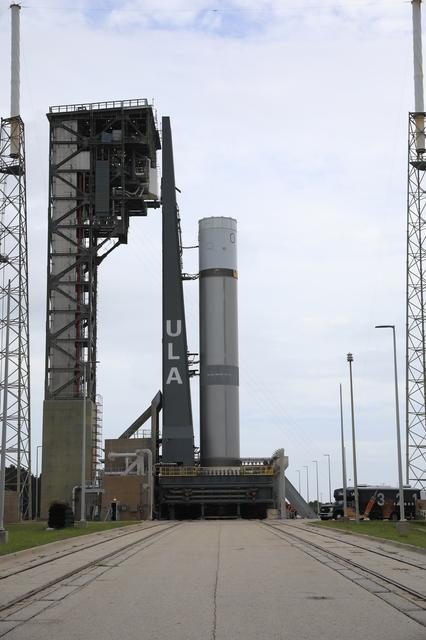
Amazon Leo's next broadband satellite mission is scheduled aboard Vulcan today. Starship Flight 15 has reached orbit, while geomagnetic conditions remain quiet.
| Active satellites | 16,680 |
| Starlink active | 9,821 |
| Catalogued objects | 32,087 |
| Active close approaches | 14 |
| People in space | 10 |
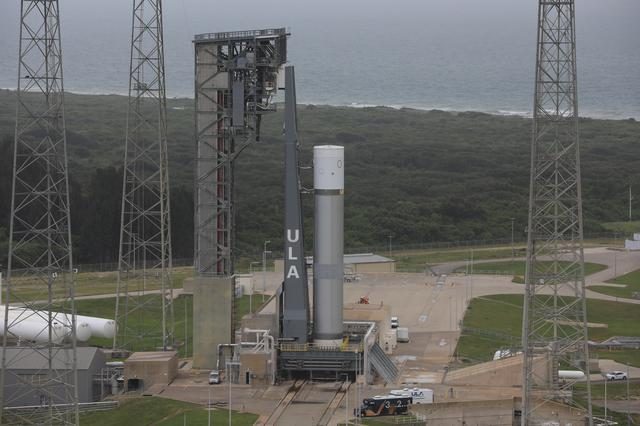
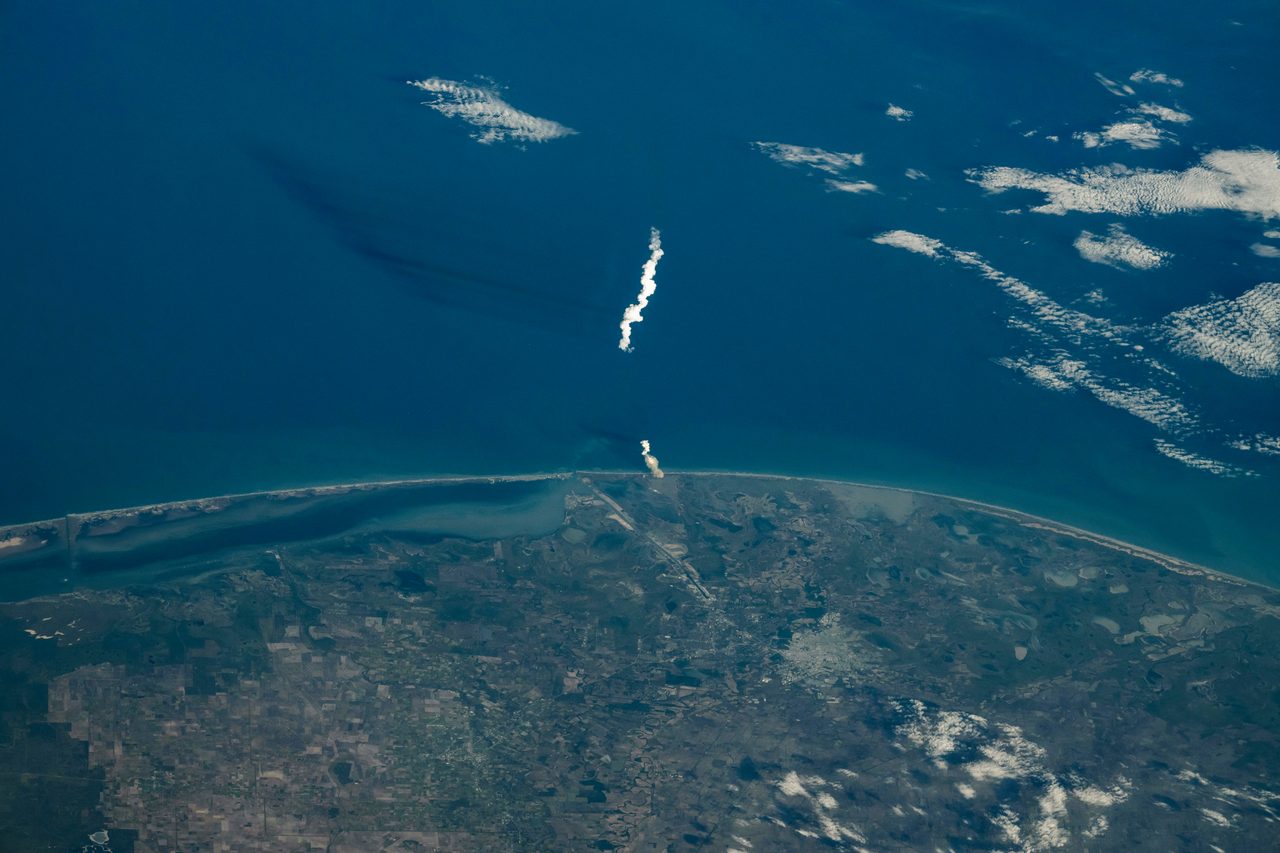
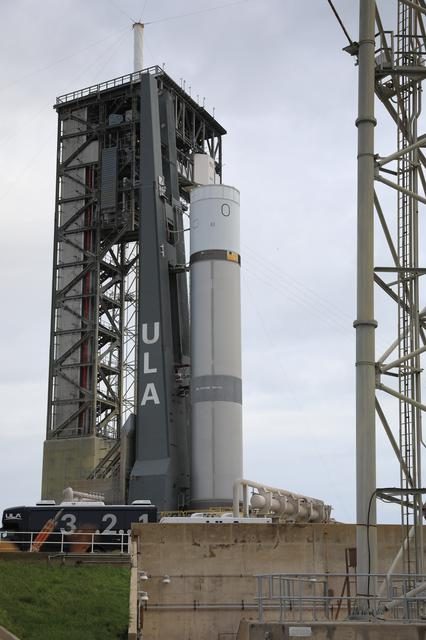
Amazon Leo is scheduled to launch aboard United Launch Alliance’s Vulcan VC6L at 17:32 UTC on Saturday, 14 November 2026. The LV-01 mission would add to Amazon’s low Earth orbit broadband constellation as the company works towards starting initial service before the end of 2026.
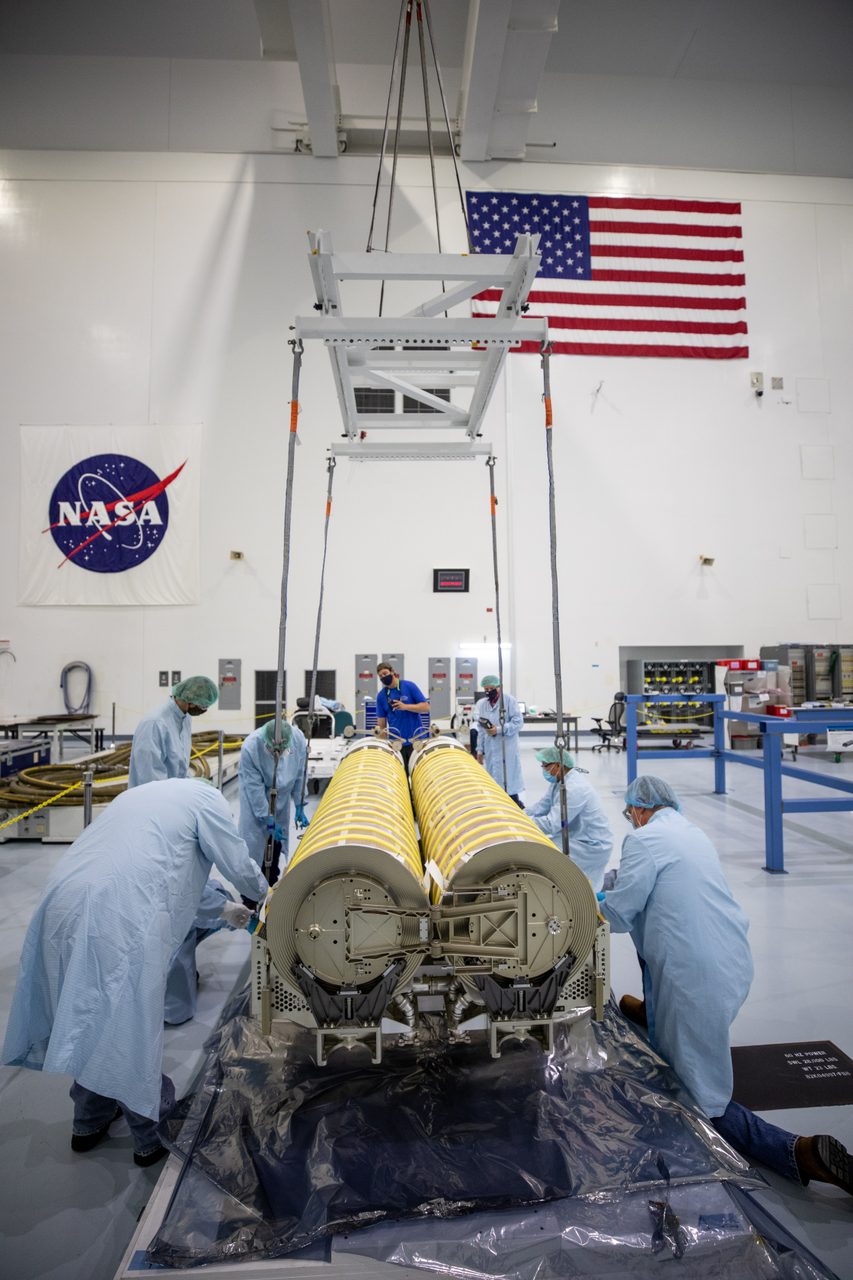
Formerly Project Kuiper, Amazon Leo has flown 14 production missions, placing 396 satellites into orbit. LV-01 would introduce Vulcan to a deployment programme that has already used Atlas V, Falcon 9 and Ariane 64; its scheduled departure can be followed on Orbital Radar’s Launch Schedule.
Amazon’s deadline extends beyond today’s launch
Amazon has not yet opened consumer service, although selected businesses have been testing an enterprise preview since November 2025. The company says initial service will begin in the US, UK, France, Germany and Canada before the end of 2026.
The Federal Communications Commission granted a conditional waiver on 5 June 2026 after Amazon sought relief from its interim deployment requirement. Amazon subsequently missed the milestone of 1,616 working satellites by 30 July 2026; all 3,232 first-generation spacecraft remain due by 30 July 2029. Satellites launched after the interim deadline have lower spectrum priority until specified deployment or time conditions are met.
Starlink had 9,821 operational satellites as of 14 November 2026, according to Orbital Radar tracking data. That establishes the scale of the incumbent constellation Amazon is entering the market against, with its orbital distribution visible on the Starlink Tracker.
Close approaches need context
Orbital Radar tracking data listed 16,680 active satellites in orbit on 14 November 2026. That population makes distinguishing routine proximity from a potentially hazardous encounter increasingly important.
Orbital Radar tracking data listed 14 active close approaches on 14 November 2026. Recent tracked pairings include TIANHUI 2-02A and TIANHUI 2-02B at approximately 1.15 km, and the PROBA-3 CSC and OSC spacecraft at approximately 1.98 km.
Those distances alone do not establish collision probability: relative motion, orbital uncertainty and whether spacecraft are deliberately flying together all matter. Orbital Radar’s space situational awareness toolkit provides context for monitoring objects and their orbital relationships.
What to Watch
Starship Flight 15 has reached orbit on a planned 22-hour test, but SpaceX abandoned the booster’s attempted catch for safety reasons. Attention now turns to the ship’s return; reaching orbit does not establish the outcome of re-entry or a possible catch.
After today’s Vulcan opportunity, Falcon 9’s USSF-317 mission is scheduled for 18 November at 03:14 UTC, followed by a Long March 2D carrying an unidentified payload at 22:50 UTC. NROL-136 is scheduled aboard Falcon 9 on 21 November at 12:30 UTC; launch times remain subject to change.
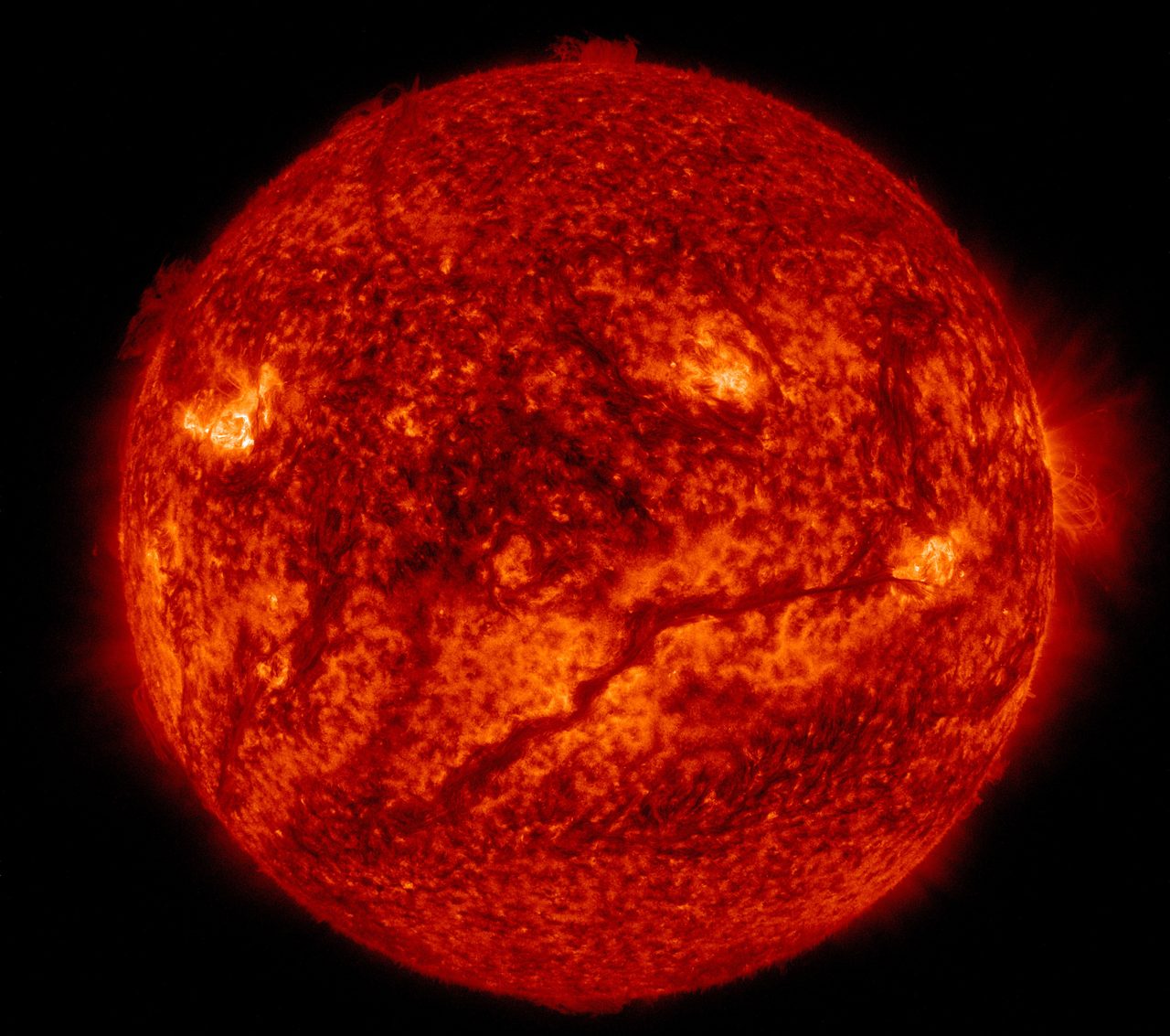
Geomagnetic conditions are quiet, with Kp at 0 on the index used to describe global magnetic disturbance. The regional assessment is green for low Earth orbit and the International Space Station, but yellow for geostationary orbit; quiet geomagnetic conditions do not mean every space-weather indicator is equally benign.
Frequently Asked Questions
When is the next Amazon Leo launch?
Did Starship Flight 15 reach orbit and catch its booster?
Cite this article
Pick a style, then copy it or download it for your reference manager.Orbital Radar. (2026, November 14). Amazon Leo targets Vulcan launch: 14 November 2026 briefing. Retrieved November 14, 2026, from https://orbitalradar.com/blog/orbital-briefing-2026-11-14
“Amazon Leo targets Vulcan launch: 14 November 2026 briefing.” Orbital Radar, 14 Nov. 2026, orbitalradar.com/blog/orbital-briefing-2026-11-14. Accessed 14 Nov. 2026.
Orbital Radar (2026) Amazon Leo targets Vulcan launch: 14 November 2026 briefing. Available at: https://orbitalradar.com/blog/orbital-briefing-2026-11-14 (Accessed: 14 November 2026).
Orbital Radar. “Amazon Leo targets Vulcan launch: 14 November 2026 briefing.” Last modified November 14, 2026. https://orbitalradar.com/blog/orbital-briefing-2026-11-14.
@misc{orbitalradar_blog_orbital_briefing_2026_11_14,
  author       = {{Orbital Radar}},
  title        = {Amazon Leo targets Vulcan launch: 14 November 2026 briefing},
  year         = {2026},
  month        = nov,
  howpublished = {\url{https://orbitalradar.com/blog/orbital-briefing-2026-11-14}},
  url          = {https://orbitalradar.com/blog/orbital-briefing-2026-11-14},
  urldate      = {2026-11-14},
  note         = {Accessed 2026-11-14}
}
TY - ELEC AU - Orbital Radar, TI - Amazon Leo targets Vulcan launch: 14 November 2026 briefing PY - 2026 DA - 2026/11/14 PB - Orbital Radar UR - https://orbitalradar.com/blog/orbital-briefing-2026-11-14 Y2 - 2026/11/14 LA - en ER -
Live figures change, so keep the date you accessed the page. How to cite Orbital Radar