Space News Mission Log — Satellite Launches, Orbital Events & Analysis
Daily space news, satellite launch reports, orbital debris analysis and weekly roundups — grounded in live tracking data from our network monitoring 44 published reports.
Understanding Uncontrolled Re-entries: Risks and Realities
Uncontrolled re-entry occurs when a satellite or space debris re-enters Earth's atmosphere without precise control, posing potential risks.
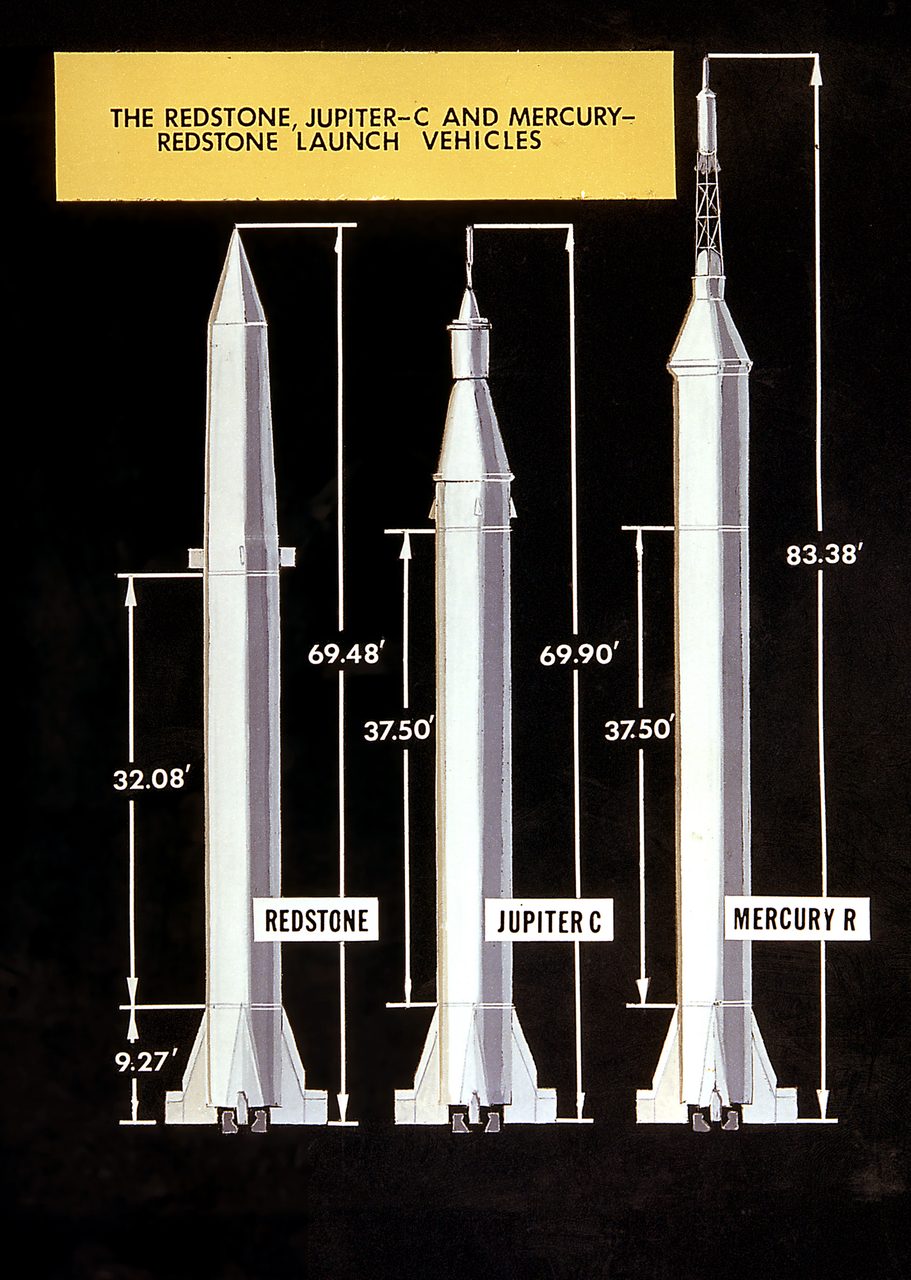
Satellite Re-entry: NORAD 47752 Expected on 9 September 2026
NORAD 47752 is predicted to re-enter Earth's atmosphere on 9 September 2026 at 03:21 UTC. Track it live on Orbital Radar.
Understanding Satellite Re-entry: What Happens When Spacecraft Return to Earth
Satellite re-entry involves a spacecraft descending through Earth's atmosphere, often burning up due to intense heat and friction.
How Many Satellites Reentered This Year? 2026 by the Numbers
Orbital Radar records 673 satellite and payload re-entries in 2026 so far, within 1,119 atmospheric returns across all object types.
How Many Starlink Satellites Fall Each Day?
1.5 Starlink satellites re-enter Earth's atmosphere each day, according to Orbital Radar data. Explore the reasons behind these controlled re-entries.
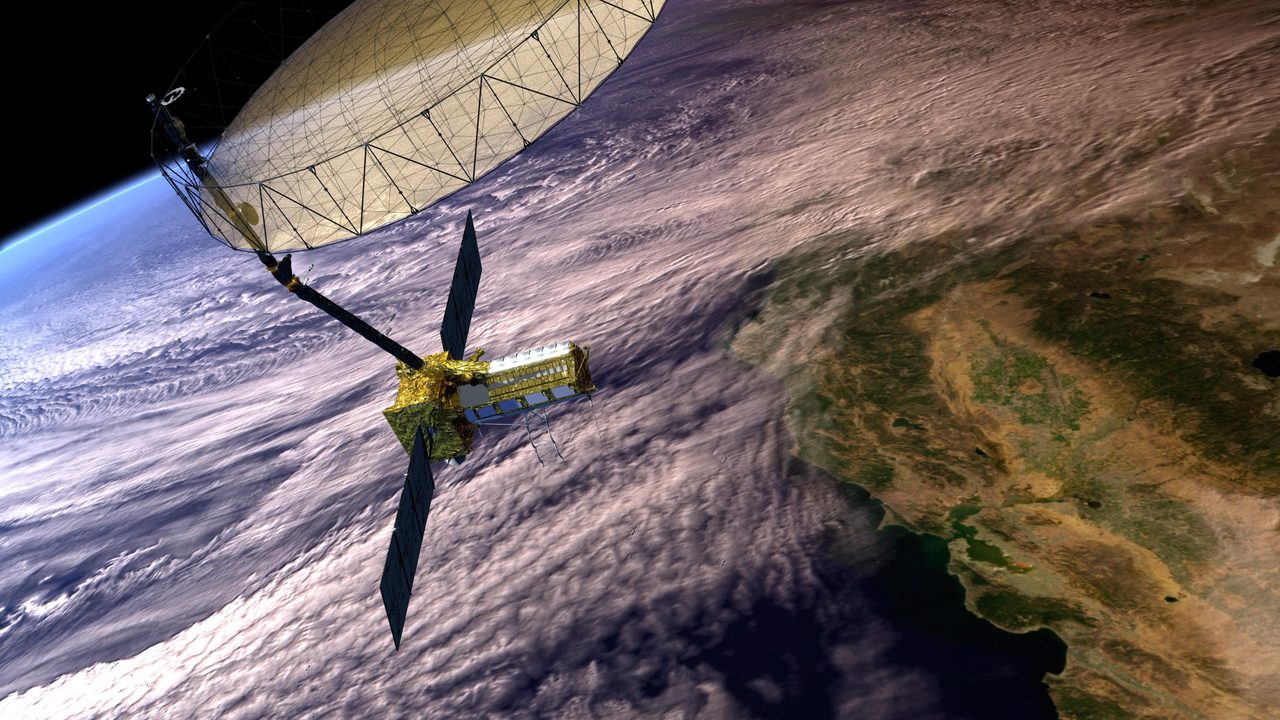
How Many Satellites in Orbit? Counts, Types and Tracking
Earth has 15,870 active satellites, but the wider catalogue includes debris and inactive spacecraft. Here is what the counts mean and how to explore them.

How Solar Cycles Affect Satellite Operations
Solar cycles influence satellite operations by affecting space weather, which can disrupt communications and increase orbital decay.

Graveyard Orbits: The Final Resting Place for Satellites
Graveyard orbits are designated areas where decommissioned satellites are moved to prevent space debris and ensure safer operations.
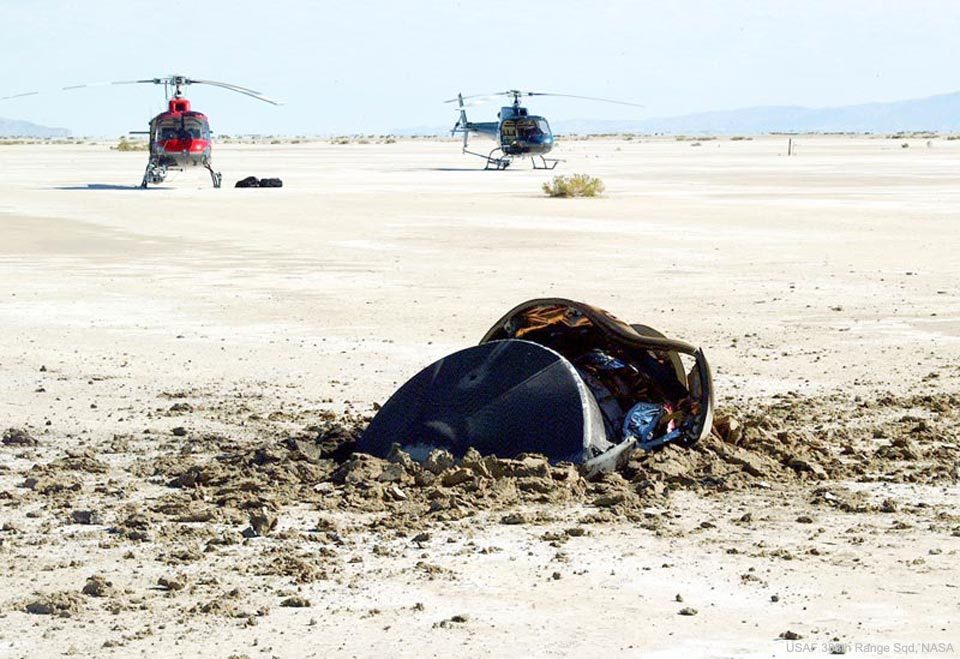
Genesis Capsule's Fiery Return: A Solar Wind Odyssey
In 2004, NASA's Genesis capsule crash-landed in Utah, bringing back solar wind samples that unveiled secrets of the Sun's composition and the Solar System's formation.

SpaceX Prepares for Starship's 13th Test Flight Amid Close Satellite Approaches
SpaceX is set for Starship's 13th test flight this week, while several satellites experience close approaches.
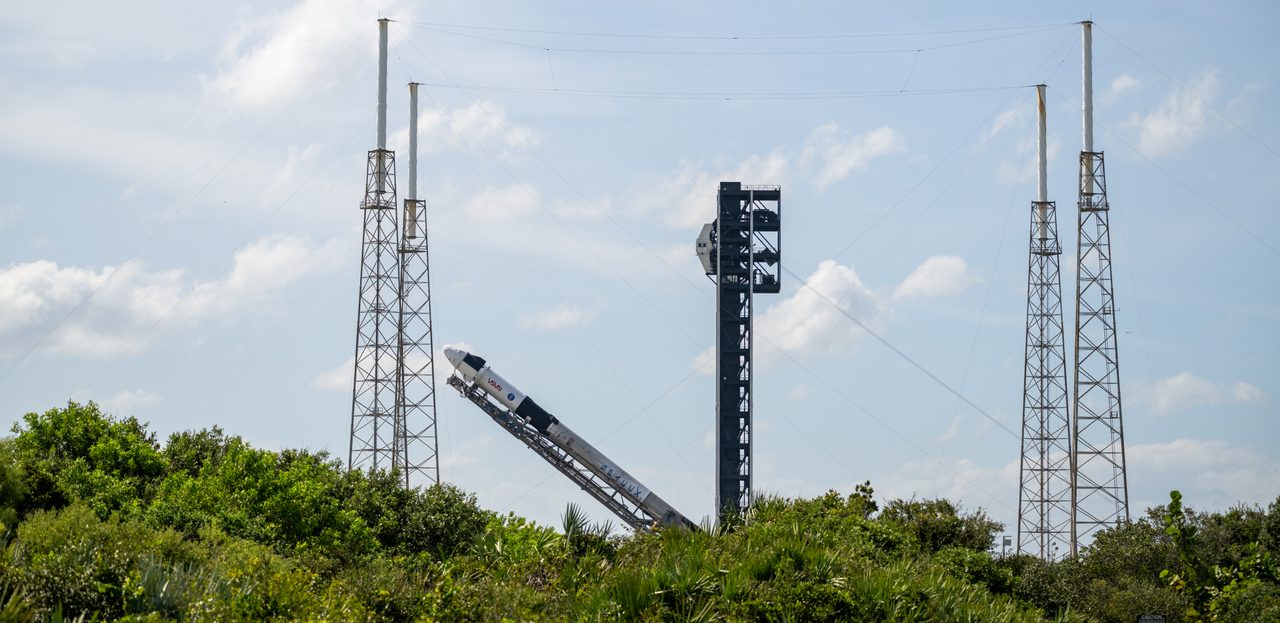
Bandwagon-5 leads launch watch as Japan targets Phobos
Bandwagon-5 preparations put a re-entry capsule and 31 customer payloads in focus, while Japan's MMX mission draws attention to sample return from Phobos.

Why Is Landing on Mars So Hard?
Mars has enough atmosphere to threaten an arriving spacecraft, but not enough to land it safely with a parachute alone. Every landing must solve both problems autonomously.