Space News Mission Log — Satellite Launches, Orbital Events & Analysis
Daily space news, satellite launch reports, orbital debris analysis and weekly roundups — grounded in live tracking data from our network monitoring 10 published reports.
How Long Does It Take to Get to Mars?
Getting to Mars usually takes seven to nine months. The journey depends on where both planets will be at arrival, not simply how far apart they are at launch.
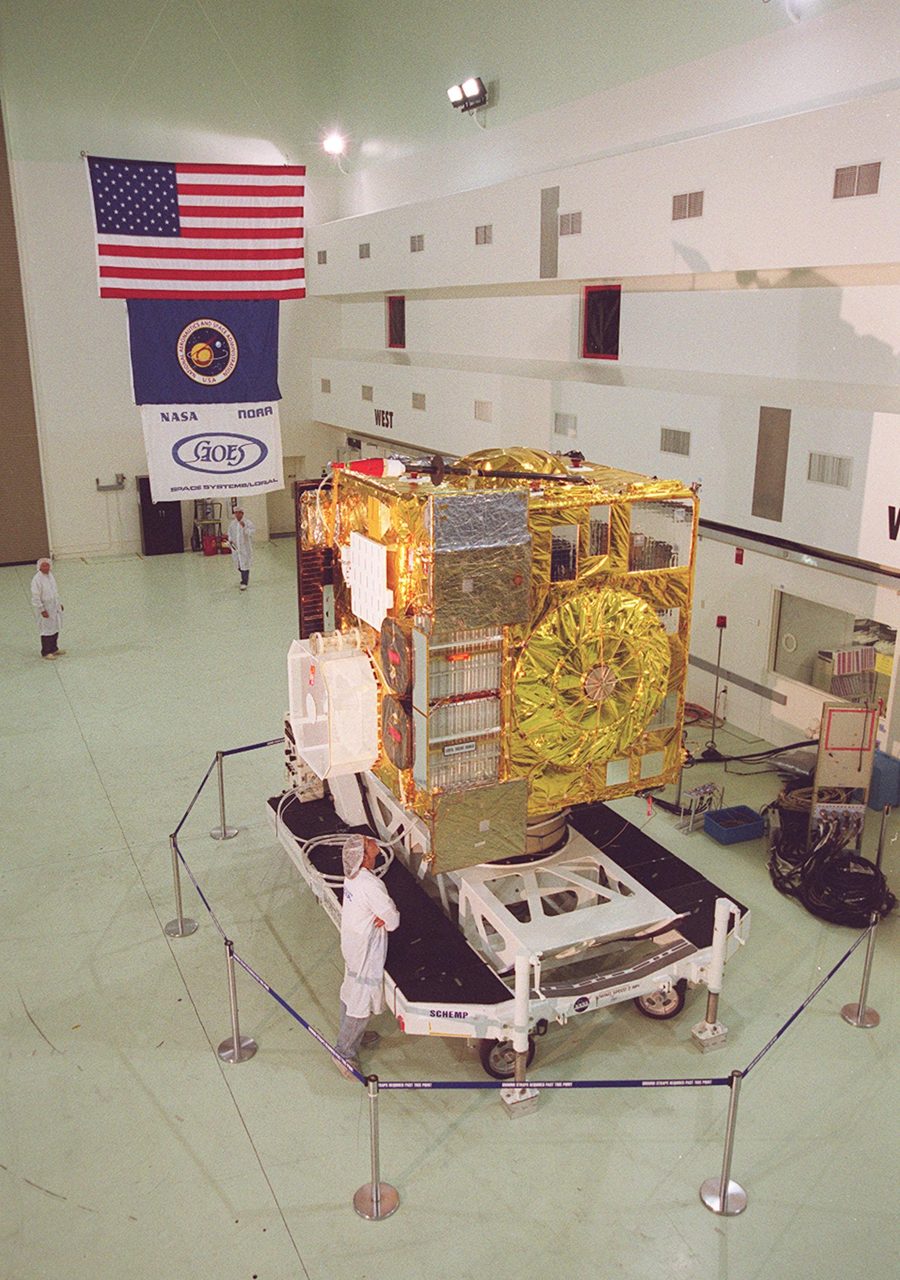
Hohmann Transfer Orbit: How the Two-Burn Route Works
A Hohmann transfer connects circular orbits with two engine burns. Discover how it works, what makes it economical and why it is not always the cheapest route.
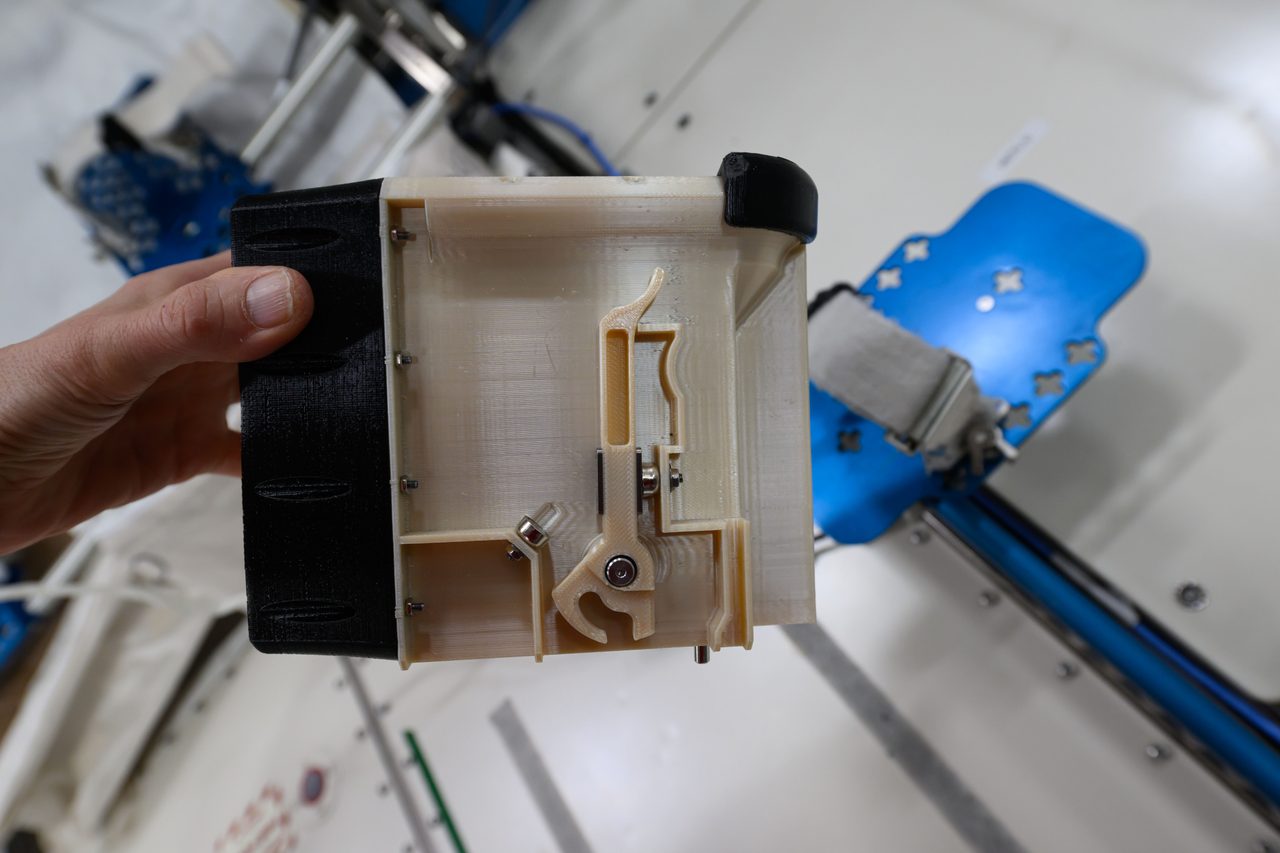
AstroForge Completes DeepSpace-2 Amidst Satellite Close Calls
AstroForge completes DeepSpace-2 spacecraft as multiple close satellite approaches are monitored.
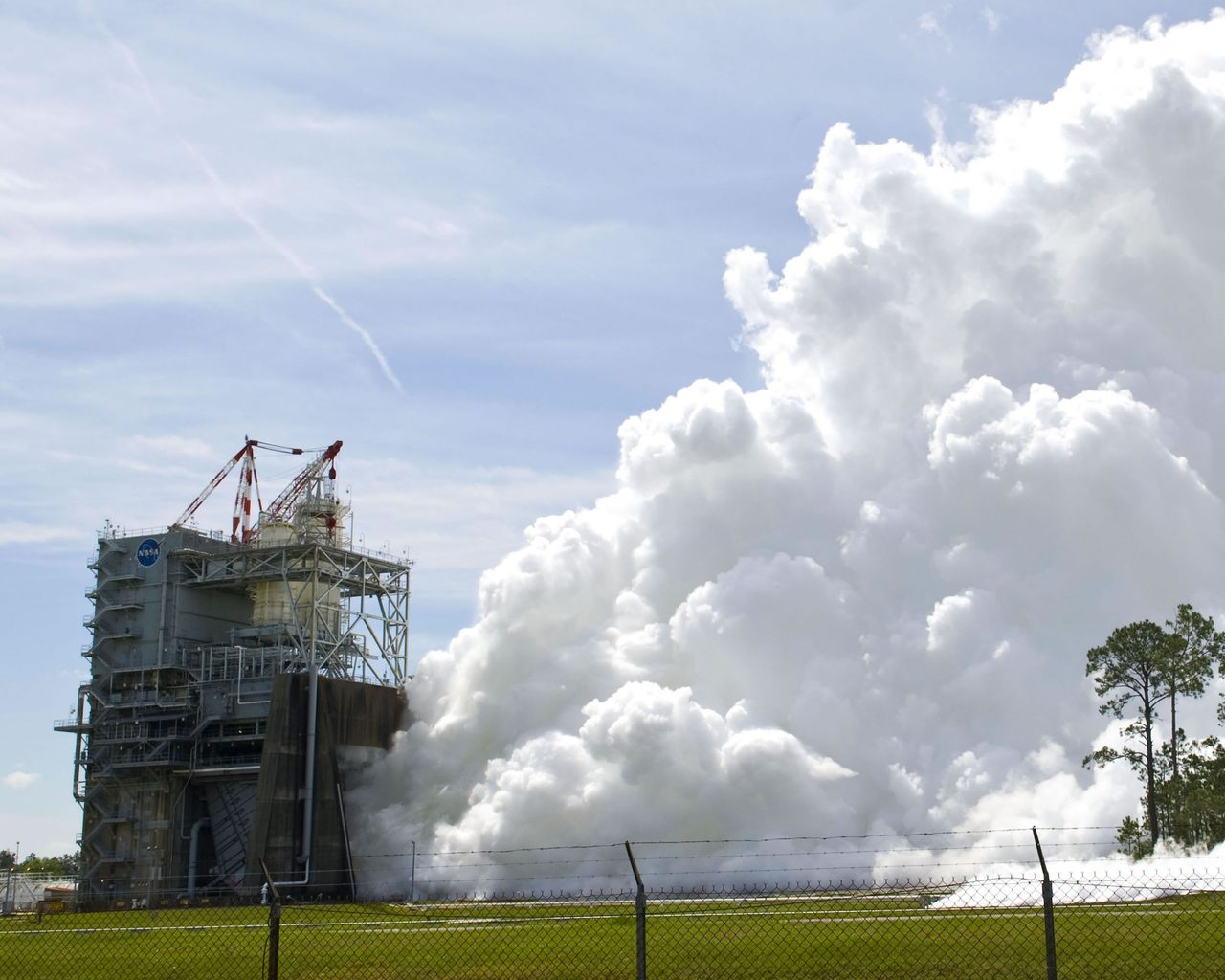
Types of Rocket Propulsion: Chemical, Electric and Nuclear
Chemical engines deliver thrust, electric thrusters conserve propellant, and nuclear concepts offer different trade-offs. Here is how mission designers choose between them.
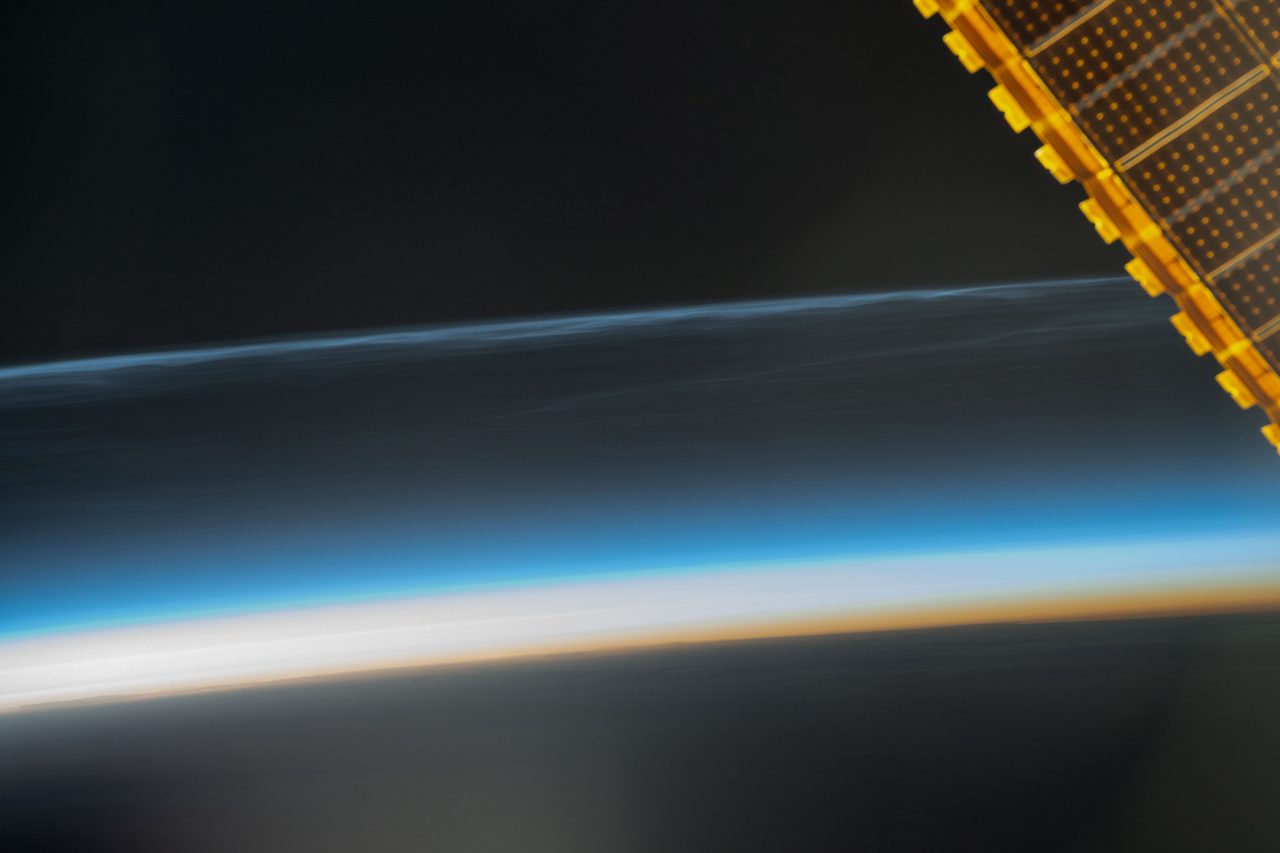
Low Earth Orbit: Why Space Is Busiest Below 2,000 km
Low Earth orbit hosts space stations, broadband constellations and Earth-observation missions. Explore how it works, why it is crowded and what keeps satellites flying safely.
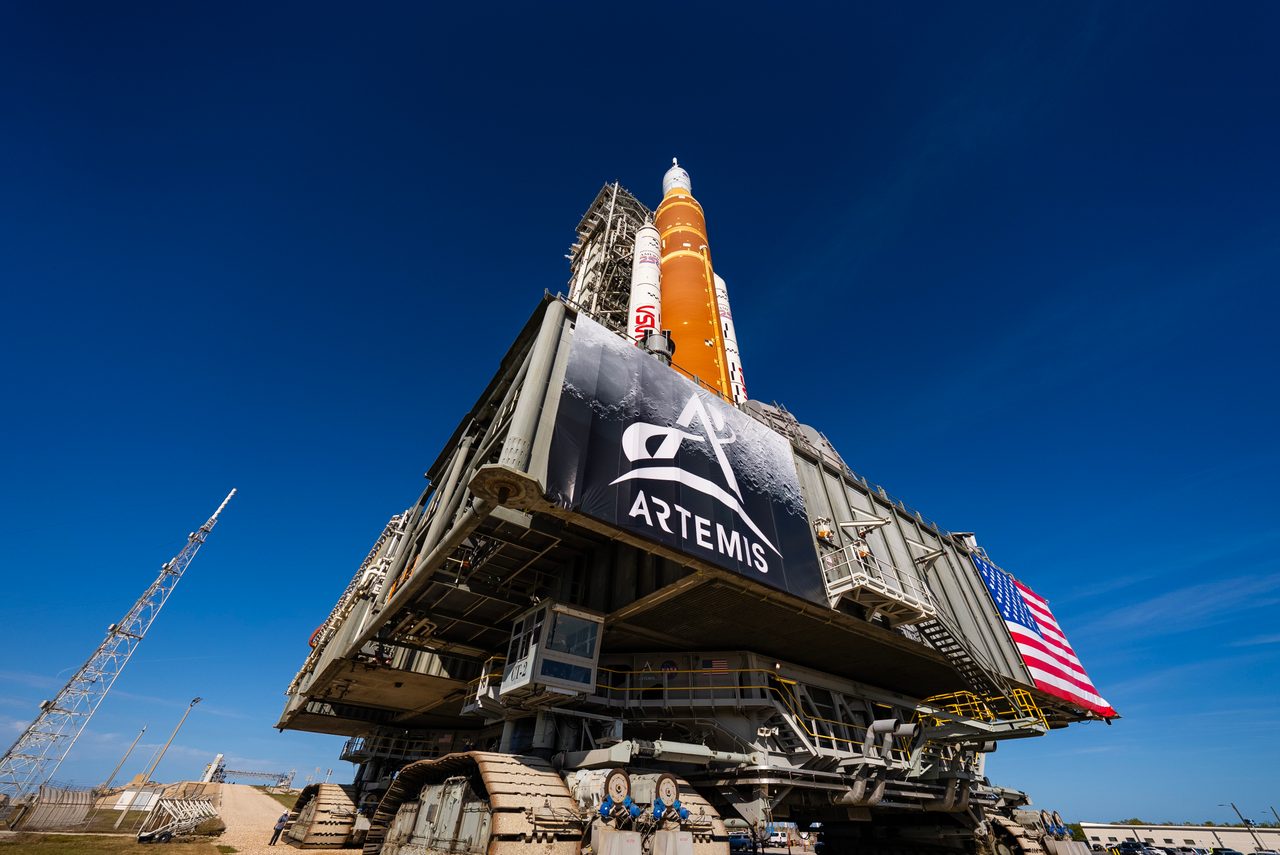
Comprehensive Guide to Every Active Launch Vehicle
Explore the full range of active launch vehicles, their capabilities, and their roles in deploying satellites and other payloads into orbit.
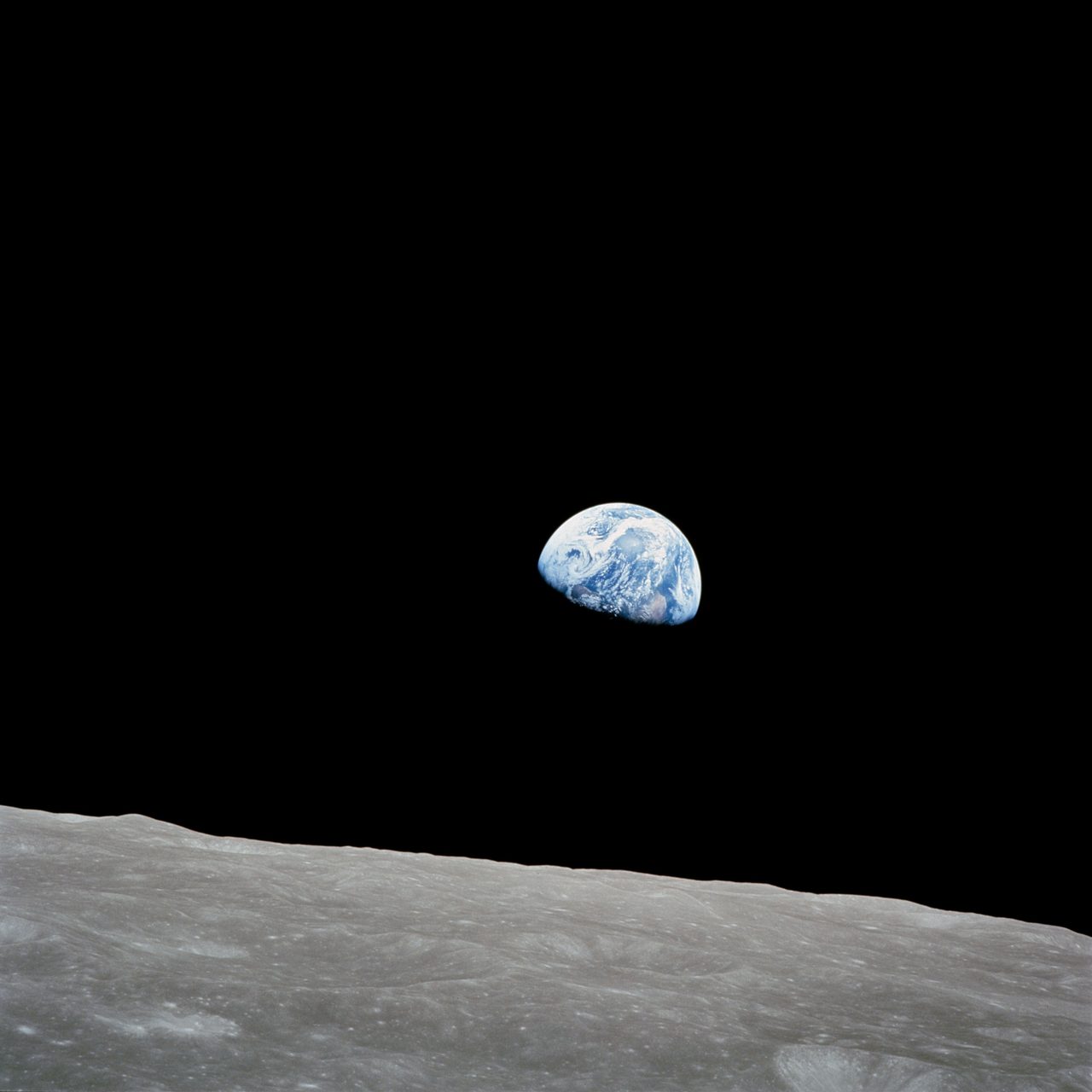
How Long Does It Take to Get to the Moon?
Reaching the Moon can take about three days or several months. The difference lies in the route, the fuel budget and whether a spacecraft must land, orbit or simply fly past.
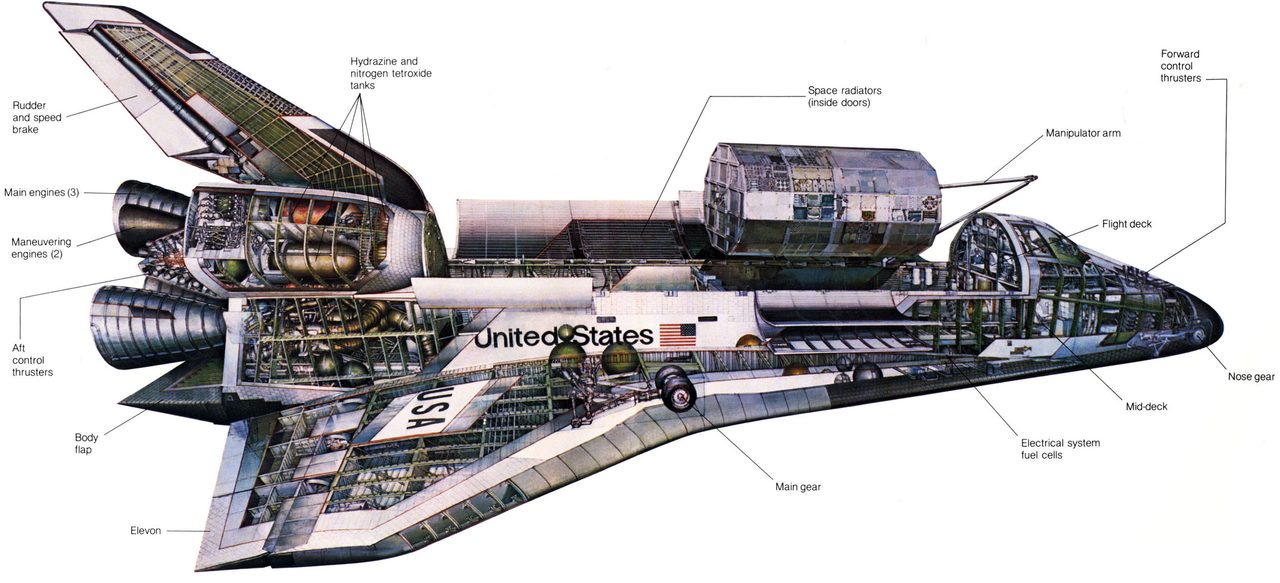
Parts of a Satellite: Systems That Keep It Working
Discover the key components and systems inside a satellite that ensure its operation in space, including power, thermal control, and communication.

Why Is Landing on Mars So Hard?
Mars has enough atmosphere to threaten an arriving spacecraft, but not enough to land it safely with a parachute alone. Every landing must solve both problems autonomously.

NASA vs ESA vs CNSA: How the Space Agencies Compare
NASA, ESA and CNSA represent different ways of organising space exploration. Their budgets, responsibilities and partnerships matter more than a simple ranking.