Space News Mission Log — Satellite Launches, Orbital Events & Analysis
Daily space news, satellite launch reports, orbital debris analysis and weekly roundups — grounded in live tracking data from our network monitoring 31 published reports.
Satellite Manoeuvre Detection: An Authoritative Guide
Satellite manoeuvre detection involves tracking changes in a satellite's orbit to ensure space safety and efficiency.
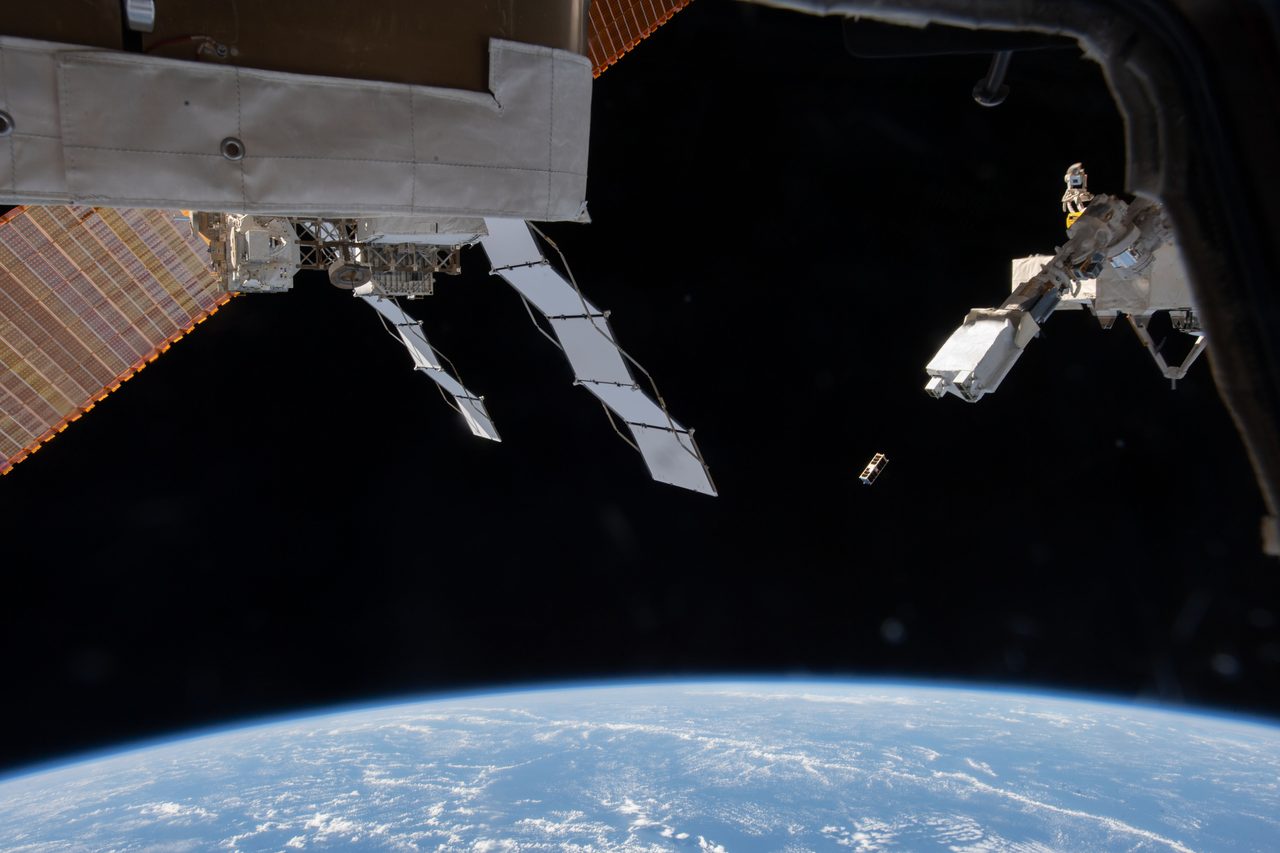
How Often Do Satellites Maneuver? What Our Detector Sees
Orbital Radar logged 45,196 orbit-change events over the past month. Explore what those detections reveal about satellite activity—and why they are not a count of thruster firings.
Space Fence Radar: How the US Tracks Objects in Orbit
The US Space Force’s Space Fence radar detects satellites and debris from Kwajalein Atoll. Here is how those measurements help operators assess collision risks.
How accurate are satellite predictions? A practical guide
Satellite predictions are estimates, not exact timetables. Understand how orbital data becomes a predicted pass, why errors grow and what makes a forecast trustworthy.

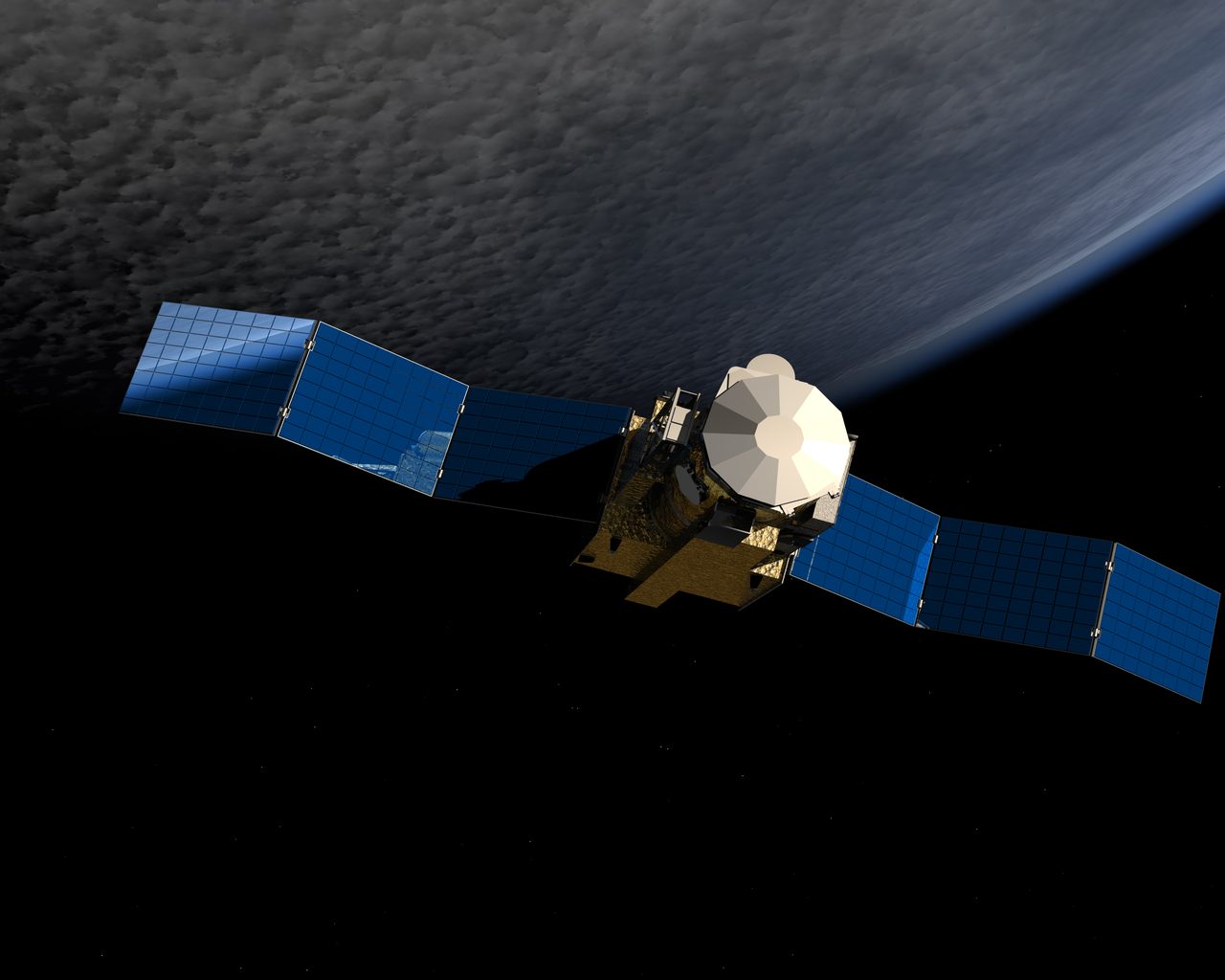
NASA Concludes MAVEN Mission, Discovers Atmospheric Phenomenon
NASA concludes MAVEN mission, revealing a new atmospheric phenomenon on Mars. ISS crew takes shelter due to a Russian segment air leak.
Satellite Maneuver Tracking: How to Read Orbital Changes
Satellite manoeuvres change an orbit, but interpreting them takes more than spotting a new altitude. Learn how to use Orbital Radar’s Maneuver Tracker and distinguish evidence from inference.
NASA Cancels Draper Lunar Lander; Starlink Satellites Adjust Orbits
NASA ends Draper lunar lander mission; Starlink satellites show orbital changes. Artemis Accords gain new signatories.
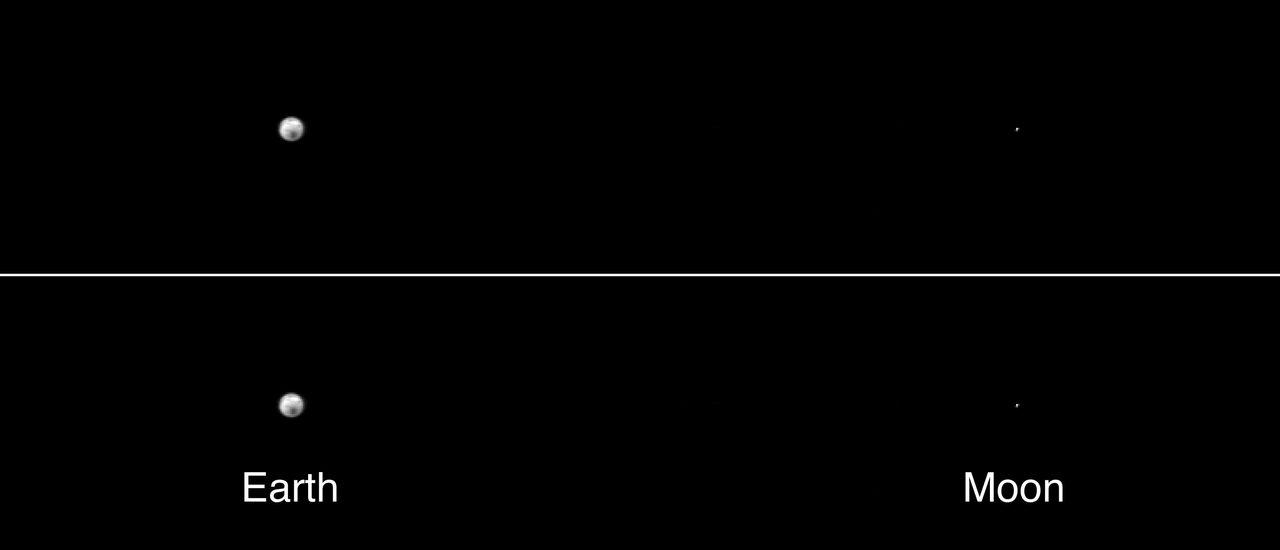
Cislunar Space Situational Awareness: Beyond GEO
Tracking spacecraft near the Moon takes more than extending an Earth-orbit catalogue. Faint targets, shifting trajectories and patchy coverage demand a different approach.
Sun-Synchronous Orbit: How Satellites Keep Consistent Light
Sun-synchronous satellites use Earth's equatorial bulge to keep a consistent solar schedule. Learn how the orbit works, why imaging missions use it and what it cannot guarantee.
Space Situational Awareness: How We Track Orbital Risks
Space situational awareness turns observations of satellites and debris into warnings. Learn how tracking works, what collision alerts mean and where uncertainty remains.
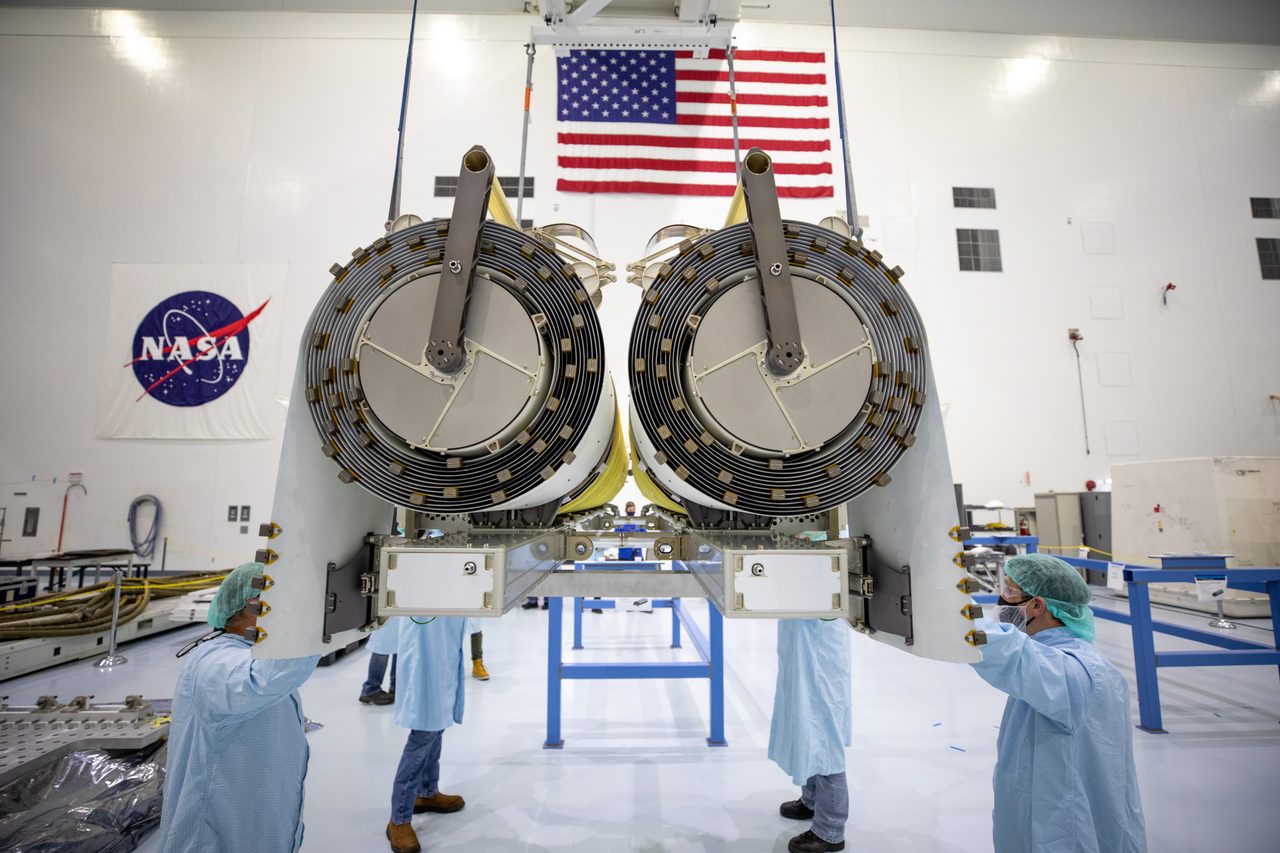
How Do Satellites Get Power? Solar, Batteries and Nuclear
Most satellites turn sunlight into electricity and use batteries in darkness. Explore how spacecraft generate, store and ration power, from Earth orbit to deep space.

Collision Avoidance Manoeuvres: Essential Guide for Space Safety
Collision avoidance involves manoeuvres to prevent satellites from colliding with space debris or other objects.